Historical Fiction
All countries
Afghanistan
Albania
Algeria
Angola
Antigua and Barbuda
Argentina
Armenia
Australia
Austria
Azerbaijan
Bangladesh
Barbados
Belize
Benin
Bosnia and Herzegovina
Brazil
Bulgaria
Burundi
Canada
Chile
China
Congo, Democratic Republic
Côte d’Ivoire (Ivory Coast)
Croatia
Cuba
Cyprus
Denmark
Djibouti
Dominica
Dominican Republic
Egypt
El Salvador
Ethiopia
Fiji
France
Georgia
Germany
Ghana
Greece
Guatemala
Hungary
Iceland
India
Indonesia
Iran
Iraq
Ireland
Italy
Jamaica
Japan
Kazakhstan
Kenya
Kuwait
Latvia
Lebanon
Liberia
Libya
Madagascar
Malaysia
Mali
Mexico
Moldova
Morocco
Mozambique
Myanmar
Netherlands
Nigeria
North Korea
Oman
Pakistan
Palestine
Philippines
Poland
Portugal
Puerto Rico
Romania
Rwanda
Saudi Arabia
Senegal
Sierra Leone
Singapore
Slovenia
South Africa
South Korea
Spain
Sri Lanka
Sudan
Sweden
Switzerland
Syria
Taiwan
Tanzania
Thailand
Tunisia
Türkiye
Turkmenistan
Uganda
Ukraine
United Arab Emirates
United Kingdom
United States
Uruguay
Uzbekistan
Vietnam
Yemen
Zambia
Zimbabwe
1
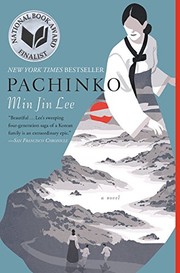
Pachinko
Pachinko follows four generations of a Korean family whose lives are transformed by migration, discrimination, and the search for belonging. The story begins in early twentieth-century Korea, where young Sunja becomes pregnant by a wealthy man who refuses to marry her. She accepts an offer of marriage from a kind-hearted minister and moves with him to Japan, hoping to build a better future. However, the family encounters widespread prejudice against Koreans living in Japan, limiting their opportunities and shaping their identities. As the story moves across generations, each family member struggles to balance personal ambition with cultural heritage and social expectations. Lee explores sacrifice, resilience, family loyalty, and the consequences of historical injustice, portraying how individuals attempt to create meaningful lives in a society that refuses to fully accept them.
South Korea
2017
2
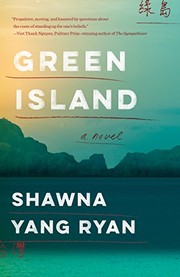
Green Island
Green Island follows several generations of a Taiwanese family whose lives are transformed by political repression and the legacy of the February 28 Incident of 1947. The story begins when Dr. Tsai, a young physician, is arrested by Chinese Nationalist authorities after the uprising in Taiwan. His eventual return to his family does not restore their former life; instead, fear, suspicion, and silence become part of their everyday existence. Years later, his youngest daughter grows up carrying the emotional consequences of her father’s experiences and eventually confronts difficult choices of her own. Moving between Taiwan and the United States, the novel examines how political violence enters private life and shapes family relationships across generations. It explores survival, complicity, memory, and the moral compromises people make to protect those they love.
Taiwan
2017
3
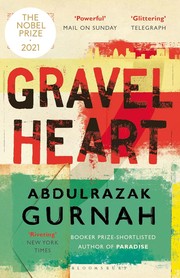
Gravel Heart
Gravel Heart follows Salim, a young boy growing up in Zanzibar amid family tensions and the political upheaval that follows the island’s independence and revolution. Salim struggles to understand his father’s emotional distance and the secrets that shape his family. When his uncle offers him the opportunity to study in London, Salim leaves home hoping to find a different future. However, life as an immigrant brings new forms of isolation, prejudice, and uncertainty. As he attempts to understand his parents’ choices and his own place in the world, Salim confronts the painful relationship between personal history and self-discovery. Gurnah explores exile, belonging, family betrayal, and the ways that unresolved secrets can shape a person’s sense of identity across continents and generations.
Tanzania
2017
4
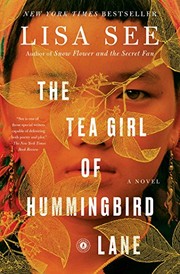
The Tea Girl of Hummingbird Lane
Set in the mountains of Yunnan, China, The Tea Girl of Hummingbird Lane follows Li-yan, a young woman from the Akha ethnic community whose life is shaped by centuries-old traditions surrounding tea cultivation, marriage, and family. When Li-yan gives birth to a daughter outside marriage, she makes the painful decision to leave her baby near an orphanage rather than follow a tradition that threatens the child’s life. The girl, Haley, is adopted by an American family and grows up far from her biological roots. As the years pass, both mother and daughter struggle with questions about their identities and origins. Connected by their shared heritage and the ancient tea trade, their stories explore motherhood, cultural change, adoption, and the enduring bonds between generations.
China
2017
5
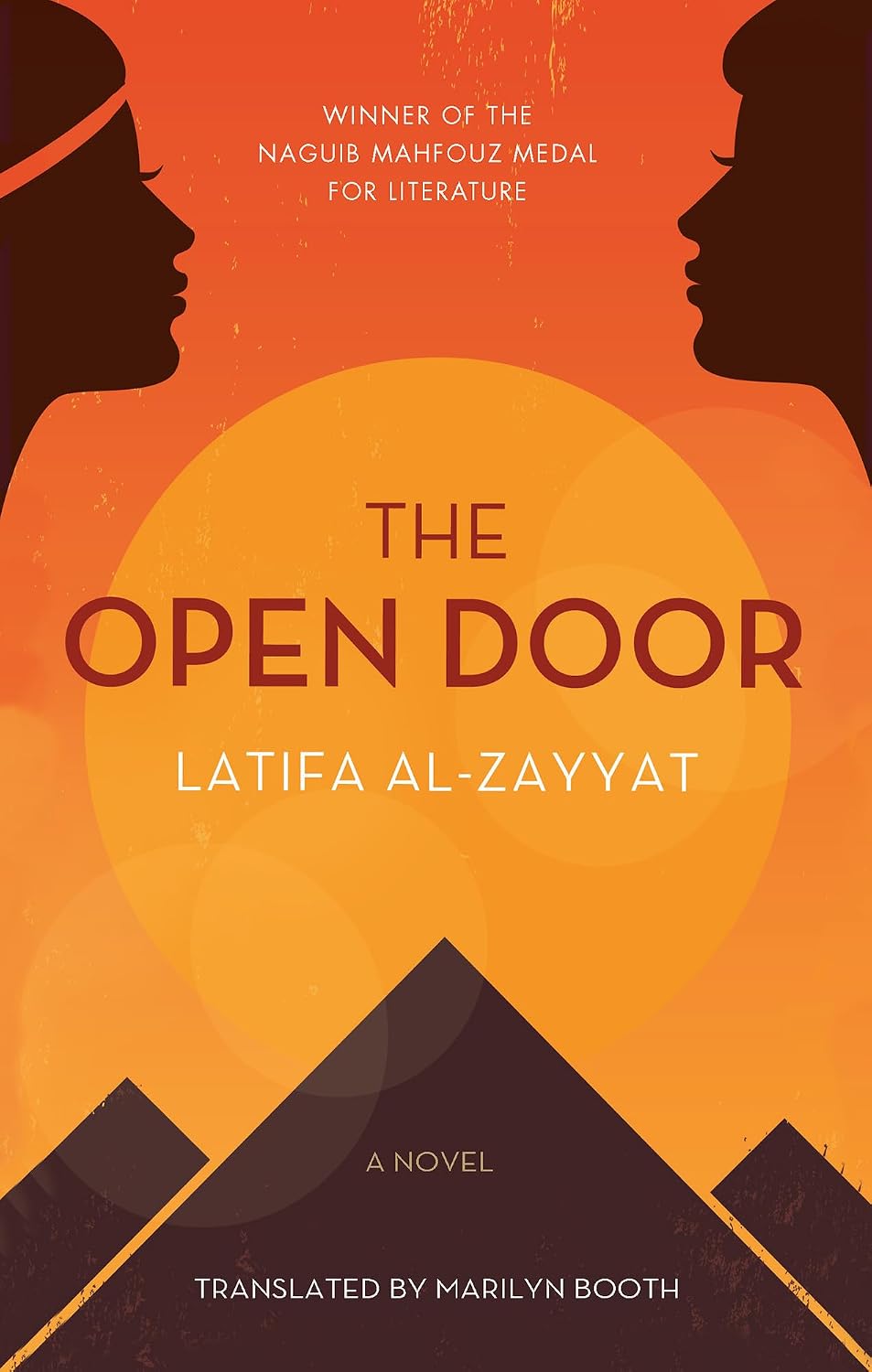
Open Door
Open Door is an autobiographical account by Latifa, an Afghan woman who describes her experiences growing up in Kabul under Taliban rule. Before the Taliban seized power, she enjoyed a relatively modern upbringing, attending school and imagining a future shaped by education and independence. As the regime tightened its control over everyday life, however, women and girls were increasingly deprived of basic freedoms, including the right to study, work, and move freely in public.
Through personal memories and reflections, Latifa recounts the fear, restrictions, and uncertainty that came to define life under the regime. Her story reveals how political oppression reaches into the most intimate aspects of family life, education, and personal identity. It also highlights the resilience of Afghan women who continued to seek knowledge and dignity despite severe constraints. Both a personal testimony and a broader reflection on human rights, Open Door explores the struggle for freedom in a society where women’s autonomy is systematically denied.
Egypt
2017
6
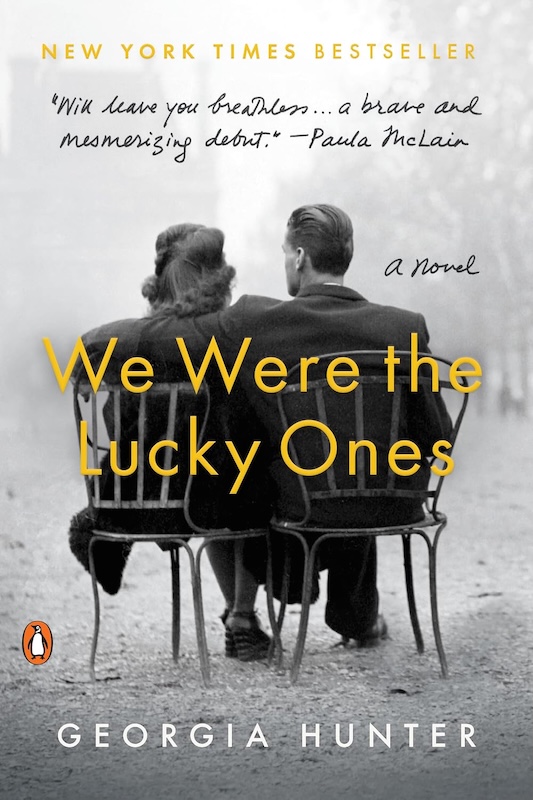
We Were the Lucky Ones
We Were the Lucky Ones is a historical novel inspired by the true story of the Kurc family, a Polish Jewish family separated by the Second World War. When Nazi Germany invades Poland, the family members are scattered across continents, each facing different dangers as they struggle to survive the Holocaust. From forced labor camps and occupied cities to resistance movements and refugee journeys, their experiences reveal the extraordinary lengths people will go to protect themselves and reunite with those they love. Despite persecution, loss, and uncertainty, the Kurcs maintain hope that they will one day find one another again. Drawing on her own family history, Georgia Hunter explores resilience, sacrifice, and the enduring bonds of family in the face of unimaginable adversity. The novel offers a moving portrait of survival and the determination to preserve love and humanity during one of history’s darkest periods.
Poland
2017
7
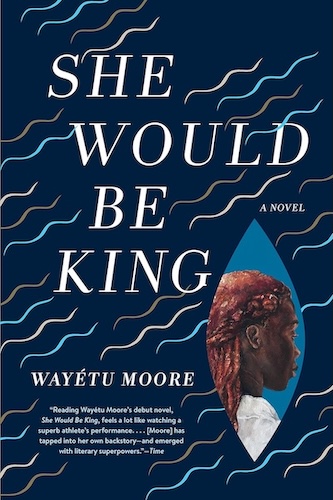
She Would Be King
In the nineteenth century, as Liberia emerges as a new nation, three extraordinary individuals from different parts of the African diaspora find their lives intertwined. Gbessa, a young woman from a West African village, is exiled after being accused of witchcraft. Left to die in the wilderness, she survives a deadly snakebite and discovers she possesses an unusual gift: immortality. June Dey, born into slavery on a plantation in Virginia, has extraordinary physical strength that he struggles to control. Norman Aragon, the son of a British coloniser and a Jamaican Maroon woman, can disappear from sight whenever the earth calls him.
Their journeys eventually bring them to Monrovia, where former enslaved people from America are attempting to establish a new society alongside Liberia's indigenous communities. As tensions rise between settlers, local populations, and European powers, the three must decide how to use their extraordinary abilities to protect their new homeland.
Blending magical realism, African folklore, and historical fiction, She Would Be King reimagines the founding of Liberia through stories of displacement, resistance, identity, and the complicated legacies of colonialism.
Liberia
Jamaica
United States
2018
8

Ædnan: An Epic
Spanning a century of Sámi history, Ædnan tells the story of two Indigenous families whose lives are transformed by colonialism, forced assimilation, and the struggle to preserve their cultural identity. In the early twentieth century, new national borders disrupt traditional reindeer-herding routes, tearing families away from the land and ways of life that have sustained them for generations. Decades later, their descendants confront the consequences of discrimination and cultural erasure, searching for ways to reclaim their language, heritage, and belonging. Written in haunting, lyrical verse, Axelsson’s epic weaves together intimate family memories and the broader history of a people whose existence has been threatened but never extinguished. The title, Ædnan, means land or earth in Northern Sámi, reflecting the profound connection between territory, ancestry, and identity. This is a powerful story of dispossession, resistance, and the enduring bond between a people and their homeland.
Sweden
2018
9

The Devils' Dance
In 1937, during Stalin’s Great Terror, the celebrated Uzbek writer Abdulla Qodiriy is arrested by the Soviet secret police and imprisoned in Tashkent. Facing brutal interrogations and the constant threat of execution, he seeks refuge in his imagination, attempting to reconstruct the historical novel he was writing before his arrest. His unfinished work tells the story of Oyxon, a nineteenth-century enslaved girl who rises to prominence in the courts of Central Asian khans, only to become entangled in a dangerous world of political rivalries, forced marriages, and imperial intrigue. As Qodiriy develops Oyxon’s story in his mind, the boundaries between his fictional world and his own terrifying circumstances begin to dissolve. Their experiences mirror one another, connecting the struggles of a woman fighting for agency in a patriarchal society with those of a writer facing persecution under a repressive regime. Rich in Uzbek poetry, folklore, and historical detail, Hamid Ismailov’s novel is both a tribute to Central Asian literary traditions and a powerful meditation on artistic freedom, cultural identity, and the devastating consequences of political oppression.
Uzbekistan
2018
10
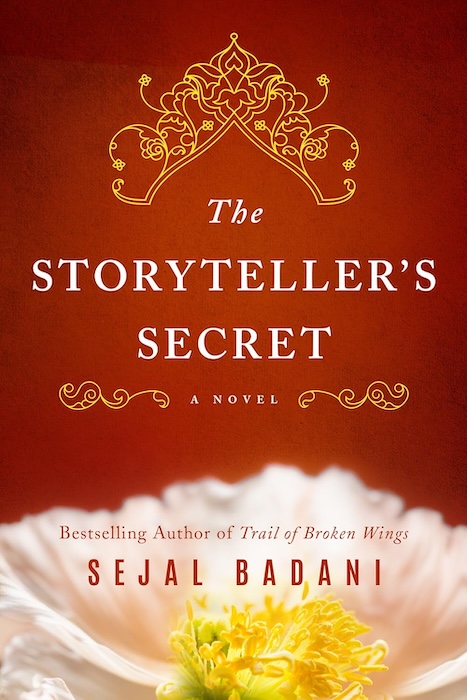
The Storyteller's Secret
The Storyteller’s Secret follows Jaya, an Indian American journalist whose personal life begins to unravel after she experiences a painful miscarriage and the breakdown of her marriage. Seeking answers and a fresh perspective, she travels to India to reconnect with her family’s roots. There, she meets Ravi, her grandmother’s former servant, who shares the story of Amisha, Jaya’s grandmother, and the difficult choices that shaped her life in a small Indian village during the 1930s. Amisha was a gifted storyteller whose aspirations extended beyond the traditional roles available to women, but her ambitions were constrained by social expectations and a marriage that offered little freedom. As Jaya uncovers her grandmother’s past, she begins to understand her own struggles differently. Badani explores family secrets, women’s independence, cultural traditions, and the healing power of understanding previous generations.
India
2018
11
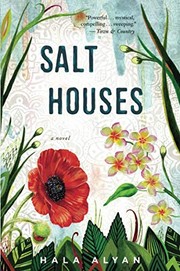
Salt Houses
Salt Houses follows several generations of the Palestinian Yacoub family as political upheaval repeatedly forces them to leave their homes and rebuild their lives elsewhere. Beginning in Nablus in the 1960s, the story traces the family’s experiences through the Six-Day War, the displacement caused by regional conflicts, and the subsequent lives of their descendants across the Middle East, Europe, and the United States. Each generation inherits a complicated relationship with Palestine, balancing memories of a lost homeland with the practical demands of creating a future in unfamiliar places. As family members develop different ideas about belonging, identity, and home, their relationships are shaped by both shared history and personal choices. Alyan explores the intergenerational effects of displacement, revealing how exile can become part of family identity even for those who have never experienced their ancestral homeland themselves.
Palestine
2018
12
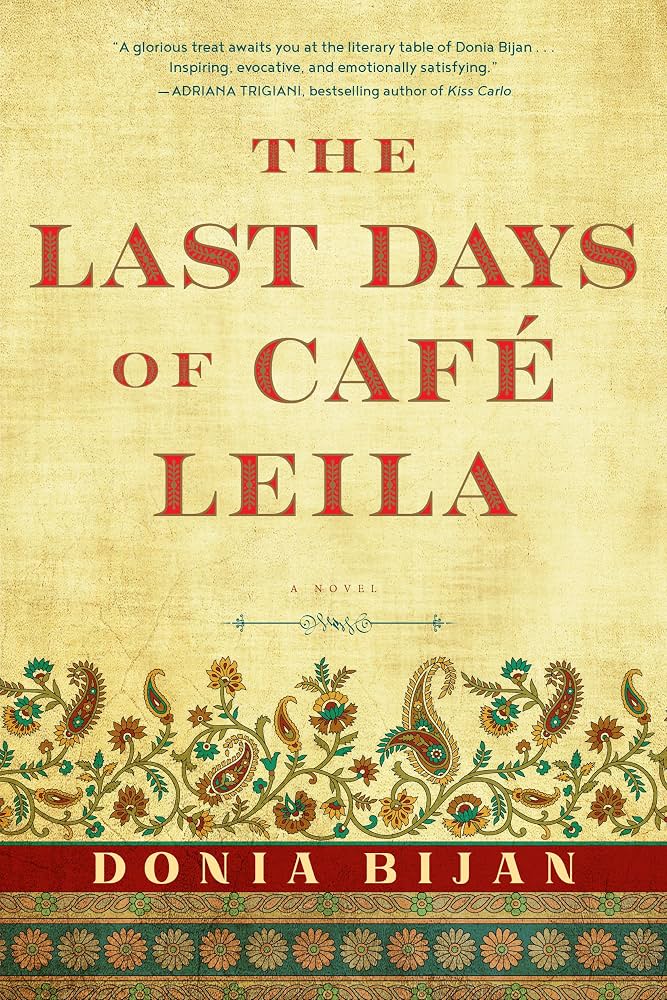
Last Days of Café Leila
The Last Days of Café Leila follows Noor, an Iranian-American woman who returns to Tehran with her young daughter, Lily, after years of living in the United States. She comes back to the family café, a beloved gathering place run by her father, Zod, whose cooking and hospitality have long brought people together. Although Noor hopes to find comfort and reconnect with her roots, returning home forces her to confront painful memories, unresolved family tensions, and the choices that led her to leave Iran.
As Noor and her father attempt to rebuild their relationship, the café becomes a symbol of belonging, cultural memory, and the traditions that bind generations together. Through food, family stories, and the changing atmosphere of Tehran, Donia Bijan explores the complexities of immigration, identity, and the meaning of home. The novel also examines the tensions between personal freedom and cultural expectations, revealing how family bonds can endure despite distance and disappointment. Warm and reflective, it celebrates the power of shared meals and inherited traditions to reconnect people with their past.
Iran
2018