Historical Fiction

All countries Afghanistan Albania Algeria Angola Antigua and Barbuda Argentina Armenia Australia Austria Azerbaijan Bangladesh Barbados Belize Benin Bosnia and Herzegovina Brazil Bulgaria Burundi Canada Chile China Congo, Democratic Republic Côte d’Ivoire (Ivory Coast) Croatia Cuba Cyprus Denmark Djibouti Dominica Dominican Republic Egypt El Salvador Ethiopia Fiji France Georgia Germany Ghana Greece Guatemala Hungary Iceland India Indonesia Iran Iraq Ireland Italy Jamaica Japan Kazakhstan Kenya Kuwait Latvia Lebanon Liberia Libya Madagascar Malaysia Mali Mexico Moldova Morocco Mozambique Myanmar Netherlands Nigeria North Korea Oman Pakistan Palestine Philippines Poland Portugal Puerto Rico Romania Rwanda Saudi Arabia Senegal Sierra Leone Singapore Slovenia South Africa South Korea Spain Sri Lanka Sudan Sweden Switzerland Syria Taiwan Tanzania Thailand Tunisia Türkiye Turkmenistan Uganda Ukraine United Arab Emirates United Kingdom United States Uruguay Uzbekistan Vietnam Yemen Zambia Zimbabwe
Newest first Oldest first
1
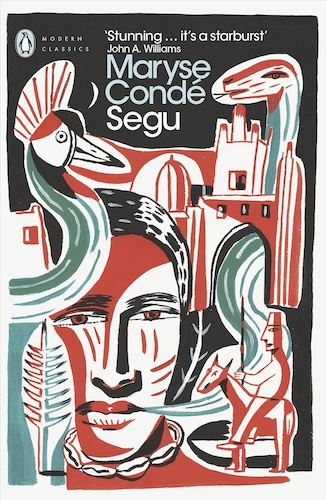
Segu
Segu
Maryse Condé
In 1797, the powerful West African kingdom of Segu, located in present-day Mali, stands at the height of its prosperity. But beneath its apparent stability, profound changes are beginning to reshape the region. Islam is spreading from the east, European traders are expanding the transatlantic slave trade from the west, and Christian missionaries and colonial interests are gradually entering the continent. At the centre of the story is Dousika Traoré, a trusted adviser to the king, and his four sons, whose very different destinies reflect the upheavals transforming their society. One embraces Islam, another remains loyal to traditional beliefs, while others become entangled in slavery, trade, and the growing influence of foreign powers. As the family becomes increasingly divided, the kingdom itself begins to fracture. Spanning generations and continents, Segu is an ambitious historical saga about the transformation of pre-colonial West Africa. Through the lives of one family, Maryse Condé explores the intersections of religion, slavery, political power, cultural identity, and the devastating consequences of external intervention.
Mali 1984