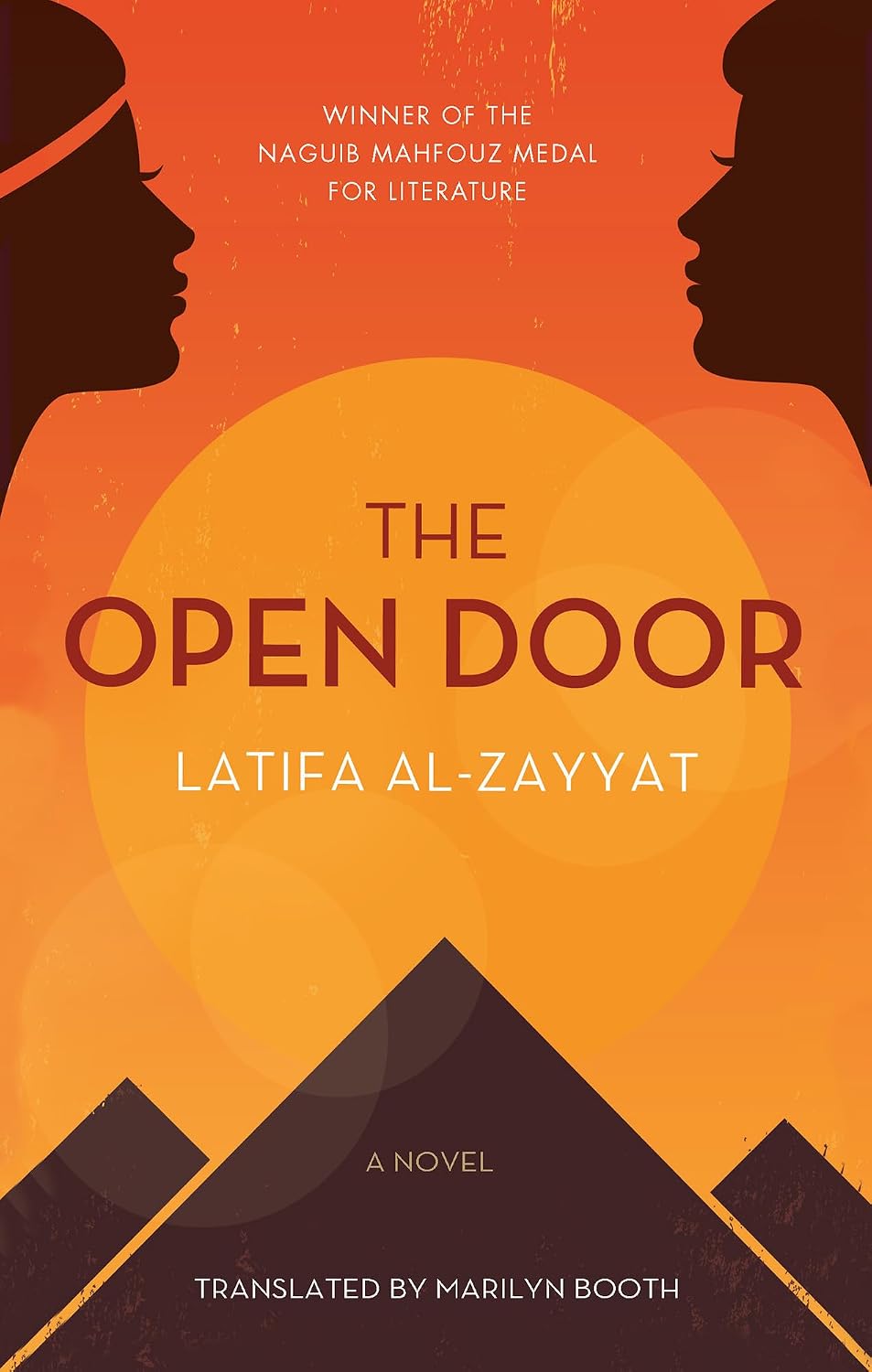
Open Door
Summary
Open Door is an autobiographical account by Latifa, an Afghan woman who describes her experiences growing up in Kabul under Taliban rule. Before the Taliban seized power, she enjoyed a relatively modern upbringing, attending school and imagining a future shaped by education and independence. As the regime tightened its control over everyday life, however, women and girls were increasingly deprived of basic freedoms, including the right to study, work, and move freely in public.
Through personal memories and reflections, Latifa recounts the fear, restrictions, and uncertainty that came to define life under the regime. Her story reveals how political oppression reaches into the most intimate aspects of family life, education, and personal identity. It also highlights the resilience of Afghan women who continued to seek knowledge and dignity despite severe constraints. Both a personal testimony and a broader reflection on human rights, Open Door explores the struggle for freedom in a society where women’s autonomy is systematically denied.
Reviews
Login to leave a review.
No reviews yet. Be the first!
You might also like
- Published
- 2017
- Author
- Latifa al-Zayyat