Historical Fiction
All countries
Afghanistan
Albania
Algeria
Angola
Antigua and Barbuda
Argentina
Armenia
Australia
Austria
Azerbaijan
Bangladesh
Barbados
Belize
Benin
Bosnia and Herzegovina
Brazil
Bulgaria
Burundi
Canada
Chile
China
Congo, Democratic Republic
Côte d’Ivoire (Ivory Coast)
Croatia
Cuba
Cyprus
Denmark
Djibouti
Dominica
Dominican Republic
Egypt
El Salvador
Ethiopia
Fiji
France
Georgia
Germany
Ghana
Greece
Guatemala
Hungary
Iceland
India
Indonesia
Iran
Iraq
Ireland
Italy
Jamaica
Japan
Kazakhstan
Kenya
Kuwait
Latvia
Lebanon
Liberia
Libya
Madagascar
Malaysia
Mali
Mexico
Moldova
Morocco
Mozambique
Myanmar
Netherlands
Nigeria
North Korea
Oman
Pakistan
Palestine
Philippines
Poland
Portugal
Puerto Rico
Romania
Rwanda
Saudi Arabia
Senegal
Singapore
Slovenia
South Africa
South Korea
Spain
Sri Lanka
Sudan
Sweden
Switzerland
Syria
Taiwan
Tanzania
Thailand
Türkiye
Turkmenistan
Uganda
Ukraine
United Arab Emirates
United Kingdom
United States
Uruguay
Uzbekistan
Vietnam
Yemen
Zambia
Zimbabwe
1
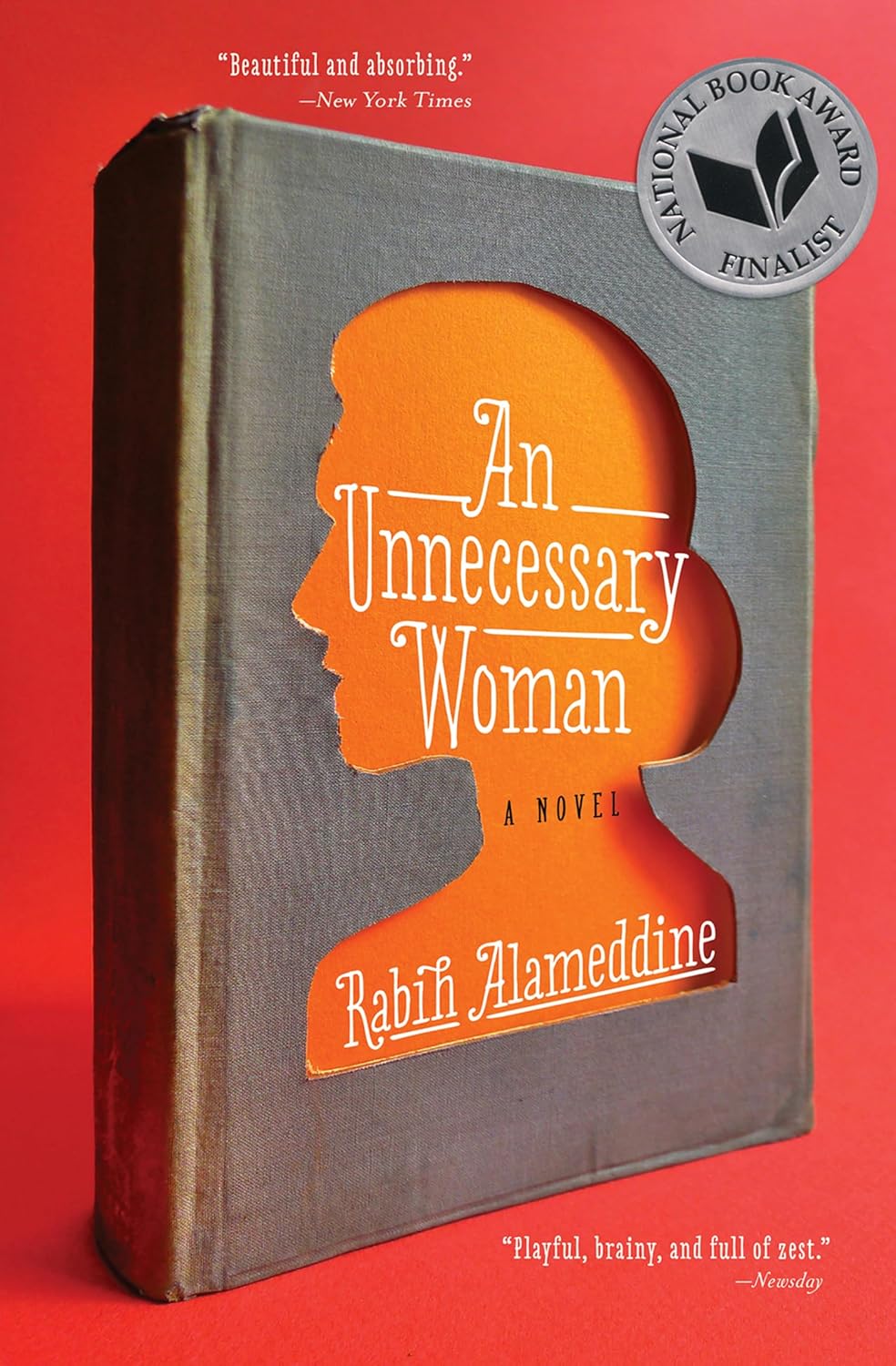
Unnecessary Woman
An Unnecessary Woman centres on Aaliya Saleh, a seventy-two-year-old woman living alone in Beirut. Divorced and estranged from much of her family, Aaliya has spent decades translating literary works into Arabic for her own satisfaction, often without publishing or sharing them. Books provide her with companionship, intellectual freedom, and a refuge from the expectations of a society that frequently overlooks older women. As political tensions and personal memories intrude on her carefully ordered life, Aaliya reflects on her relationships, the civil war, and the choices that have shaped her existence. Her solitary routine is disrupted when an unexpected event threatens to expose the private world she has built around literature. Alameddine explores ageing, independence, cultural identity, and the importance of art, portraying a woman who finds meaning not through conventional success but through the life of the mind.
Lebanon
2014
2
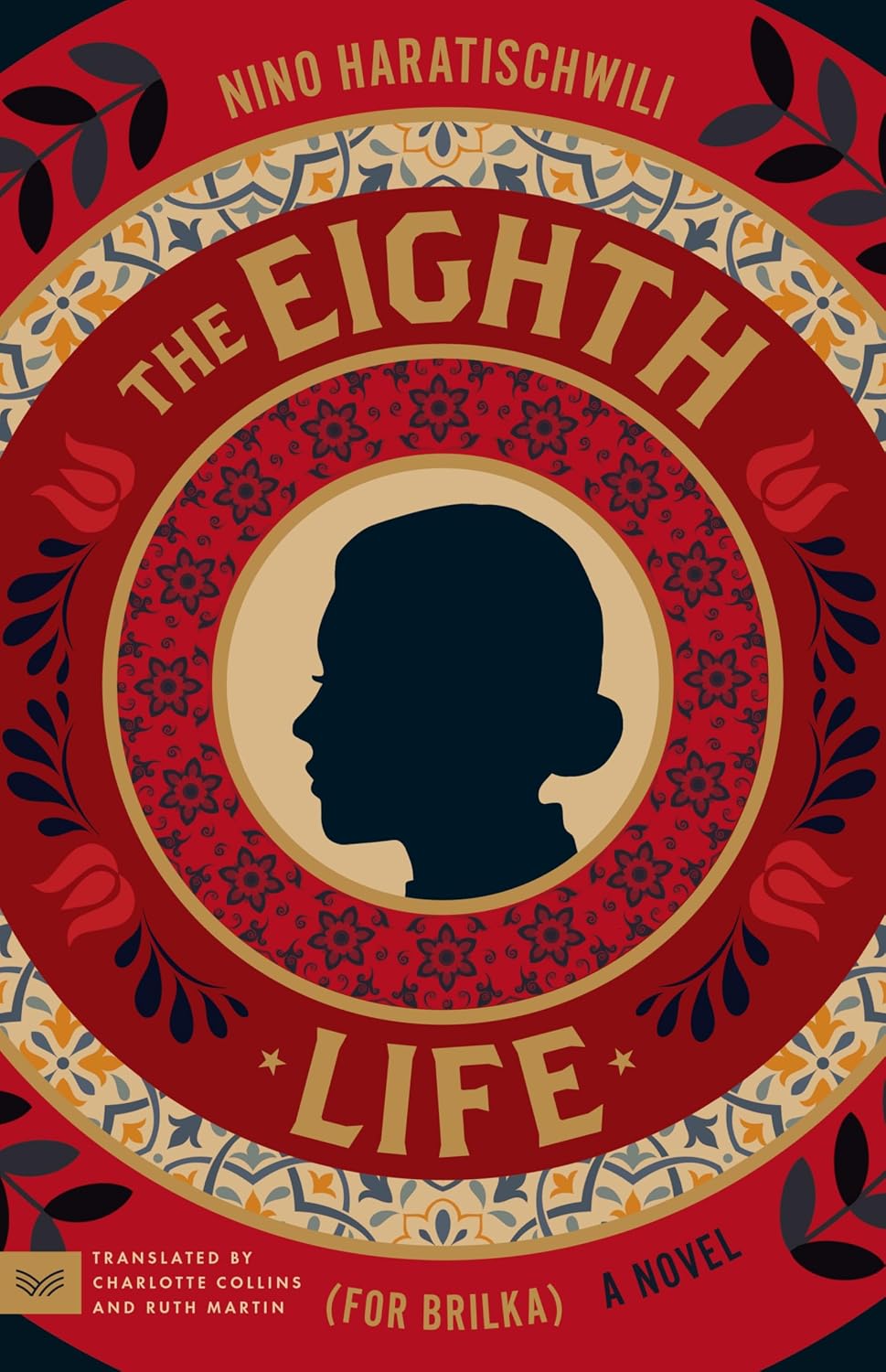
The Eighth Life (for Brilka)
The Eighth Life (for Brilka) follows seven generations of a Georgian family across the twentieth century, beginning in the early 1900s and continuing through the collapse of the Soviet Union. At the centre of the story is a family secret connected to a remarkable recipe for hot chocolate, which brings both extraordinary pleasure and devastating consequences. Through the lives of Stasia, Christine, Kostya, Kitty, and their descendants, the novel explores love, ambition, political repression, and the sacrifices people make to survive turbulent times. The family’s history unfolds against the backdrop of revolutions, Stalinism, world wars, and the struggle for Georgian independence. Narrated by Niza, who recounts the family’s past to her young niece Brilka, the novel examines how historical trauma is passed from one generation to another and whether understanding the past can offer a chance to break its cycle.
Georgia
2014
3
The Pearl That Broke It's Shell
Set in Afghanistan, The Pearl That Broke Its Shell follows two women separated by a century but connected by their struggles against restrictive social expectations. In contemporary Kabul, Rahima grows up in a family without sons. Her parents allow her to become a bacha posh—a girl temporarily dressed and treated as a boy—giving her freedoms that would otherwise be denied to her. A century earlier, her ancestor Shekiba faces similar restrictions and hardship, eventually finding an opportunity to survive by living as a man. As their stories unfold in parallel, both women navigate a society shaped by patriarchal traditions, political instability, and gender inequality. Hashimi explores the resilience of women who challenge the boundaries imposed upon them, revealing how the desire for education, independence, and dignity can become an act of resistance.
Afghanistan
2014
4
The Moor's Account
The Moor’s Account is a historical novel that reimagines the story of Mustafa al-Zamori, a Moroccan man enslaved by Spanish conquistadors who became one of the first Africans to explore the Americas. In 1527, Mustafa joins an expedition led by Pánfilo de Narváez, which sets out to claim territory in what is now Florida for the Spanish Crown. When the expedition collapses under the pressures of disease, starvation, and conflict with Indigenous communities, Mustafa becomes one of only four survivors.
As he travels across unfamiliar lands, his role gradually changes from enslaved servant to healer, interpreter, and storyteller. Through his imagined memoir, Lalami challenges the traditional historical narratives that privilege European voices while overlooking the experiences of those who were enslaved or marginalized. The novel explores identity, cultural encounters, survival, and the power of storytelling to reclaim histories that might otherwise be forgotten.
Morocco
2014
5
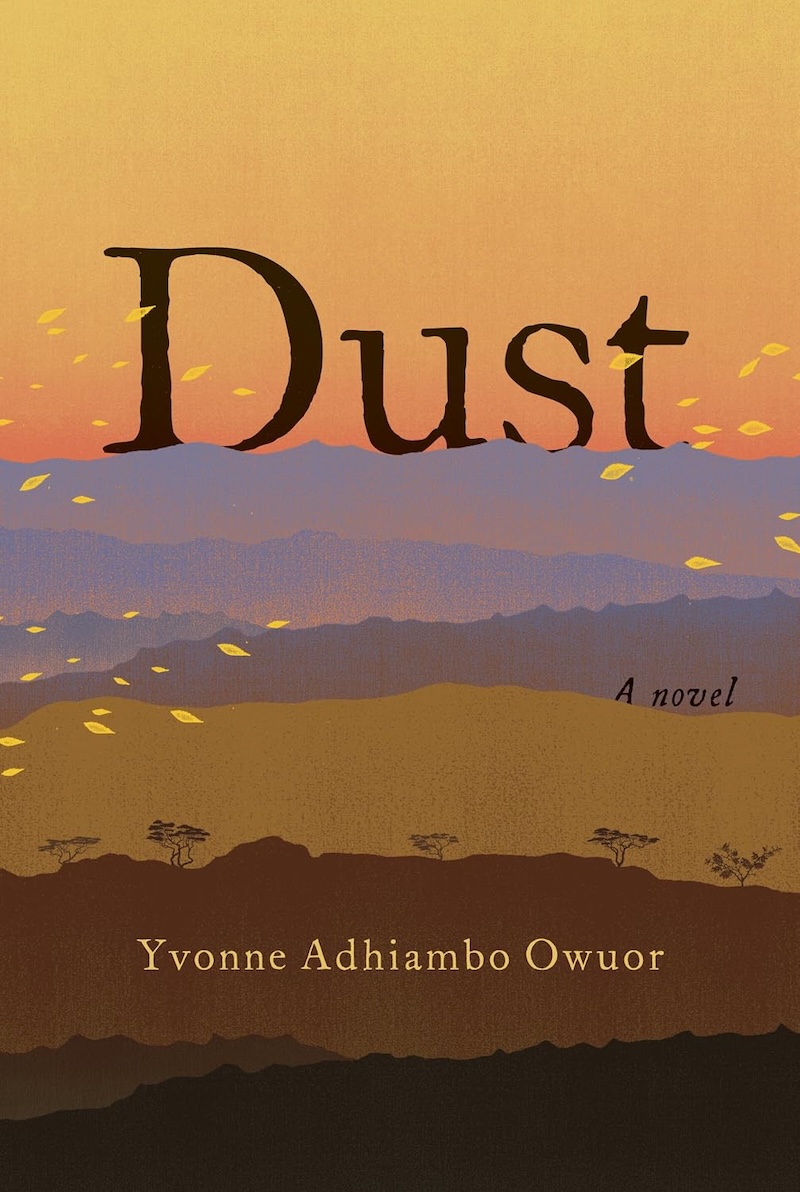
Dust
Set in Kenya against the backdrop of political violence and the country’s turbulent postcolonial history, Dust follows Ajany, an artist who returns home after her brother Odidi is killed in Nairobi. Seeking answers about his death, she travels to the remote family homestead in northern Kenya, where long-buried secrets and painful memories begin to surface. Through the intertwined histories of Ajany, her family, and those connected to Odidi, the novel explores the lasting consequences of colonialism, political repression, and collective trauma. Moving between different periods and perspectives, Yvonne Adhiambo Owuor examines how personal grief becomes entangled with national history, revealing the silences and unresolved wounds that shape individual and collective identities. Rich in imagery and lyrical prose, Dust is a meditation on memory, belonging, and the difficult process of confronting a past that continues to haunt the present.
Kenya
2014
6
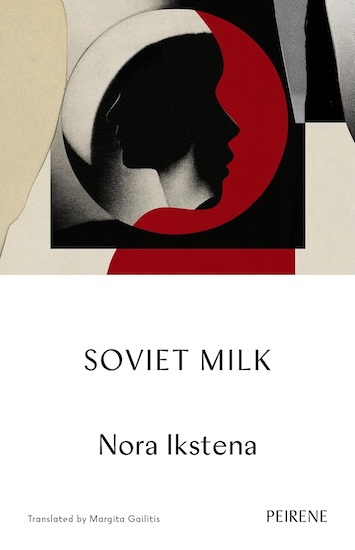
Soviet Milk
Set in Soviet-occupied Latvia between 1969 and 1989, Soviet Milk tells the story of three generations of women whose lives are shaped by political oppression, emotional isolation, and the struggle for personal freedom. At its centre is a talented young gynaecologist who refuses to accept the restrictions imposed by the Soviet system. After a professional conflict with the authorities, she loses the career she has worked towards and is sent to practise medicine in the Latvian countryside. Increasingly withdrawn and unable to find meaning in her life, she struggles to connect with her daughter, who grows up feeling the weight of her mother’s unhappiness.
The story alternates between the voices of the mother and daughter, revealing how political repression reaches into the most intimate corners of family life. While the mother retreats into despair, the daughter searches for understanding, belonging, and hope, finding emotional stability in the care of her grandmother. As Latvia approaches the restoration of its independence, the women’s personal struggles become intertwined with their country’s desire for liberation.
Through its portrayal of a fractured mother-daughter relationship, Ikstena explores how authoritarian systems can damage individual lives across generations. Yet the novel also celebrates the resilience of women, the sustaining power of familial love, and the possibility of breaking free from inherited suffering.
Latvia
2015
7
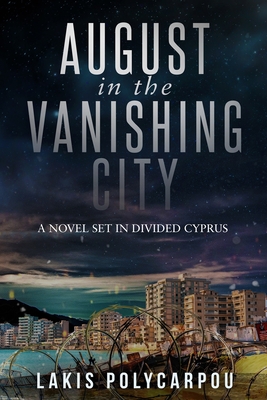
August in the Vanishing City
Set in Cyprus in the mid-1990s, August in the Vanishing City follows Petros, a young Greek Cypriot soldier struggling with love, loss, and the consequences of living on a divided island. Two decades after the Turkish invasion of 1974, the coastal city of Varosha, once a glamorous holiday destination, lies abandoned behind barbed wire and military barriers. For those who were forced to flee, it remains a painful reminder of the homes and lives they lost.
When Petros discovers that Joanna, the woman he has loved since childhood, has fallen for his best friend Elias, he becomes desperate to win her back. His plan leads him to attempt a dangerous journey into Varosha to retrieve a personal keepsake connected to their shared past. Crossing into the restricted city means risking his life, as the area remains under military control.
As Petros navigates the ruins of a vanished world, he must confront not only the dangers surrounding him but also his own ideas about love, loyalty, and what is worth fighting for. His personal struggle unfolds against the broader tensions between Greek and Turkish Cypriots, revealing how political conflict shapes relationships and individual choices.
Combining romance, suspense, and historical context, Polycarpou’s novel explores the meaning of home, the wounds of displacement, and the enduring effects of war on ordinary people. Varosha itself becomes a powerful symbol of interrupted lives and memories that refuse to disappear.
Cyprus
2015
8
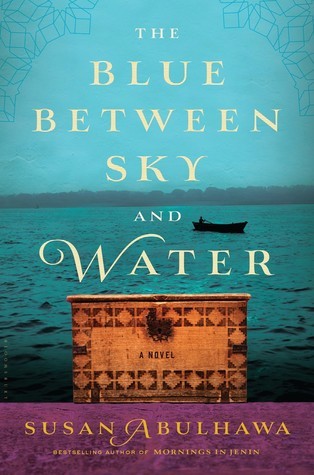
The Blue Between Sky and Water
In 1947, the Baraka family lives in Beit Daras, a Palestinian village surrounded by olive groves and fertile farmland. When their home is destroyed and the family is forced to flee during the Nakba, siblings Nazmiyeh and Mamdouh embark on separate journeys that will shape the lives of generations to come. In Gaza, Nazmiyeh struggles to rebuild her life in a refugee community, preserving her family’s traditions and nurturing the people around her despite repeated hardships. Meanwhile, Mamdouh eventually settles in the United States, where his granddaughter Nur grows up far from her ancestral homeland, struggling with loneliness and a fractured sense of belonging. Decades later, Nur travels to Gaza, where she encounters Alwan and her son Khaled, whose mysterious condition connects their families in unexpected ways. Blending Palestinian history, magical realism, and the intimate stories of several generations, Susan Abulhawa’s novel explores displacement, inherited trauma, family bonds, and the enduring longing for home.
Palestine
2015
9
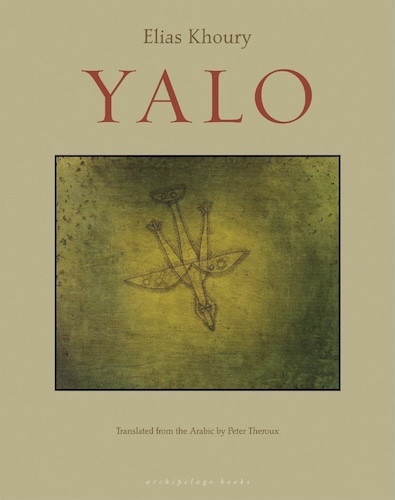
Yalo
Set in Beirut in the aftermath of Lebanon’s long civil war, Yalo follows Daniel Habil Abyad, a young Lebanese man of Assyrian Christian background whose life has been shaped by violence, displacement, and fractured family relationships. Known as Yalo, he is arrested and accused of rape and armed robbery, then subjected to brutal interrogation and torture. His interrogators demand a confession, forcing him to write and rewrite the story of his life until his memories become entangled with their expectations. As he revisits his childhood, his troubled relationship with his mother, and his obsessive pursuit of a woman named Shireen, the boundaries between truth, guilt, and imposed identity begin to dissolve. Through this disturbing psychological journey, Elias Khoury examines how violence distorts memory and how authoritarian power can manufacture a person’s identity. Both unsettling and deeply humane, Yalo asks whether we can ever truly understand ourselves when our stories are shaped by fear, desire, and the need to survive.
Lebanon
2015
10
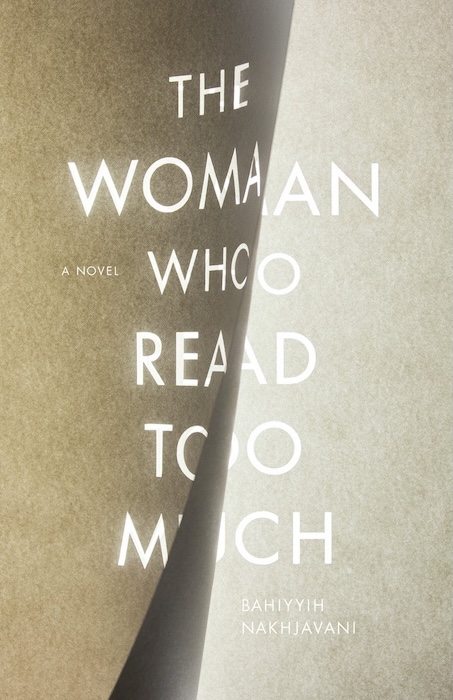
The Woman Who Read Too Much
Set in nineteenth-century Persia, The Woman Who Read Too Much reimagines the life of Táhirih Qurratu’l-Ayn, a celebrated poet, scholar and religious revolutionary who challenged the conventions of her time. Known as the poetess of Qazvin, Táhirih unsettles the ruling establishment through her intellect, her writings and her defiance of religious orthodoxy. In a society where women’s education and independence are tightly restricted, her ability to read, think and speak openly becomes both a source of inspiration and a perceived threat to those in power. Nakhjavani tells Táhirih’s story through the perspectives of four women: the Shah’s mother, the mayor’s wife, the Shah’s sister and Táhirih’s daughter. Their contrasting accounts reveal how power, fear, loyalty and rumour shape the telling of history. Blending historical events with imaginative storytelling, the novel explores the price of intellectual freedom and the courage required to challenge entrenched authority.
Iran
2015
11
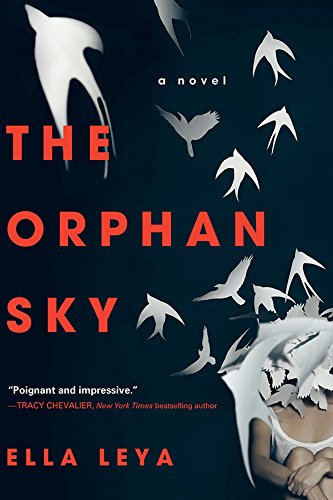
The Orphan Sky
The Orphan Sky follows Leila, a young Azerbaijani woman whose life is shaped by the tensions between personal ambition, family expectations, and the political realities of her country. Growing up in a society where tradition and modernity frequently collide, Leila dreams of a future that allows her to make her own choices. Her experiences reveal the pressures faced by women navigating restrictive social expectations while trying to establish an independent identity. As she confronts difficult relationships and the consequences of decisions made by those around her, Leila must reconsider what freedom and belonging mean to her. Through an intimate portrait of contemporary Azerbaijani life, Leya explores the complexities of cultural identity, the influence of family history, and the struggle to determine one’s own future in a society undergoing profound change.
Azerbaijan
2015
12
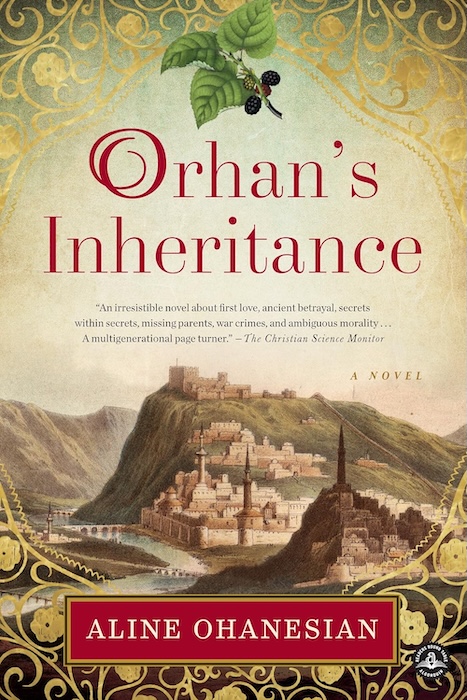
Orhan's Inheritance
Orhan’s Inheritance follows Orhan, a young Turkish man who unexpectedly inherits his grandfather’s house in a village in Anatolia. The inheritance is complicated by the appearance of Seda, an elderly Armenian American woman who claims that the property belongs to her family. Determined to understand the dispute, Orhan investigates his grandfather’s past and uncovers a history connected to the Armenian genocide of 1915. Through alternating perspectives and different periods, the novel reveals how violence, forced displacement, and silence have shaped two families across generations. As Orhan learns about the experiences of those who came before him, he must reconsider the stories he has inherited about his family and country. Ohanesian explores historical memory, responsibility, and the difficult process of confronting atrocities that remain painful long after the events themselves.
Armenia
2015