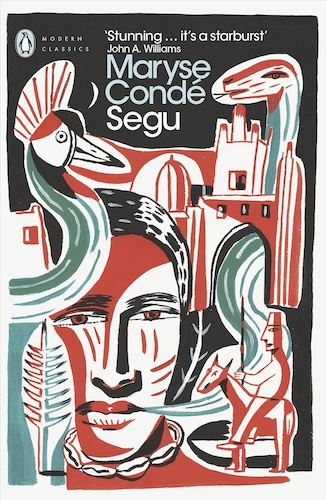
Segu
by Maryse Condé
Summary
In 1797, the powerful West African kingdom of Segu, located in present-day Mali, stands at the height of its prosperity. But beneath its apparent stability, profound changes are beginning to reshape the region. Islam is spreading from the east, European traders are expanding the transatlantic slave trade from the west, and Christian missionaries and colonial interests are gradually entering the continent.
At the centre of the story is Dousika Traoré, a trusted adviser to the king, and his four sons, whose very different destinies reflect the upheavals transforming their society. One embraces Islam, another remains loyal to traditional beliefs, while others become entangled in slavery, trade, and the growing influence of foreign powers. As the family becomes increasingly divided, the kingdom itself begins to fracture.
Spanning generations and continents, Segu is an ambitious historical saga about the transformation of pre-colonial West Africa. Through the lives of one family, Maryse Condé explores the intersections of religion, slavery, political power, cultural identity, and the devastating consequences of external intervention.
Reviews
Login to leave a review.
No reviews yet. Be the first!
- Published
- 1984
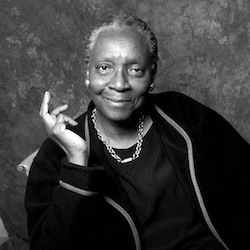
- Author
- Maryse Condé