Historical Fiction
All countries
Afghanistan
Albania
Algeria
Angola
Antigua and Barbuda
Argentina
Armenia
Australia
Austria
Azerbaijan
Bangladesh
Barbados
Belize
Benin
Bosnia and Herzegovina
Brazil
Bulgaria
Burundi
Canada
Chile
China
Congo, Democratic Republic
Côte d’Ivoire (Ivory Coast)
Croatia
Cuba
Cyprus
Denmark
Djibouti
Dominica
Dominican Republic
Egypt
El Salvador
Ethiopia
Fiji
France
Georgia
Germany
Ghana
Greece
Guatemala
Hungary
Iceland
India
Indonesia
Iran
Iraq
Ireland
Italy
Jamaica
Japan
Kazakhstan
Kenya
Kuwait
Latvia
Lebanon
Libya
Madagascar
Malaysia
Mexico
Moldova
Morocco
Myanmar
Netherlands
Nigeria
North Korea
Oman
Pakistan
Palestine
Philippines
Poland
Portugal
Puerto Rico
Romania
Rwanda
Saudi Arabia
Senegal
Singapore
Slovenia
South Africa
South Korea
Spain
Sri Lanka
Sudan
Sweden
Switzerland
Syria
Taiwan
Tanzania
Thailand
Türkiye
Turkmenistan
Uganda
Ukraine
United Arab Emirates
United Kingdom
United States
Uruguay
Uzbekistan
Vietnam
Yemen
Zambia
Zimbabwe
1
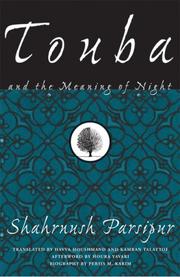
Touba and the Meaning of Night (Women Writing the Middle East)
Spanning eight decades of Iranian history, Touba and the Meaning of Night follows Touba, a thoughtful and independent-minded woman whose life unfolds amid profound political and social transformations. Educated by her father at a time when few women had access to learning, Touba struggles to preserve her intellectual curiosity and personal autonomy as she navigates marriage, motherhood, divorce, and financial uncertainty.
After two marriages end, she becomes the center of an ever-changing household, caring for her children and other family members while witnessing the upheavals that reshape Iran, from the Qajar dynasty’s decline to the 1979 Islamic Revolution. As historical events intersect with dreams, spiritual questions, and supernatural encounters, the boundary between reality and mysticism becomes increasingly fluid.
Blending historical fiction with magical realism, Parsipur explores women’s experiences, the tension between tradition and modernity, and the search for spiritual and intellectual freedom in a society undergoing radical change.
Iran
2006
2
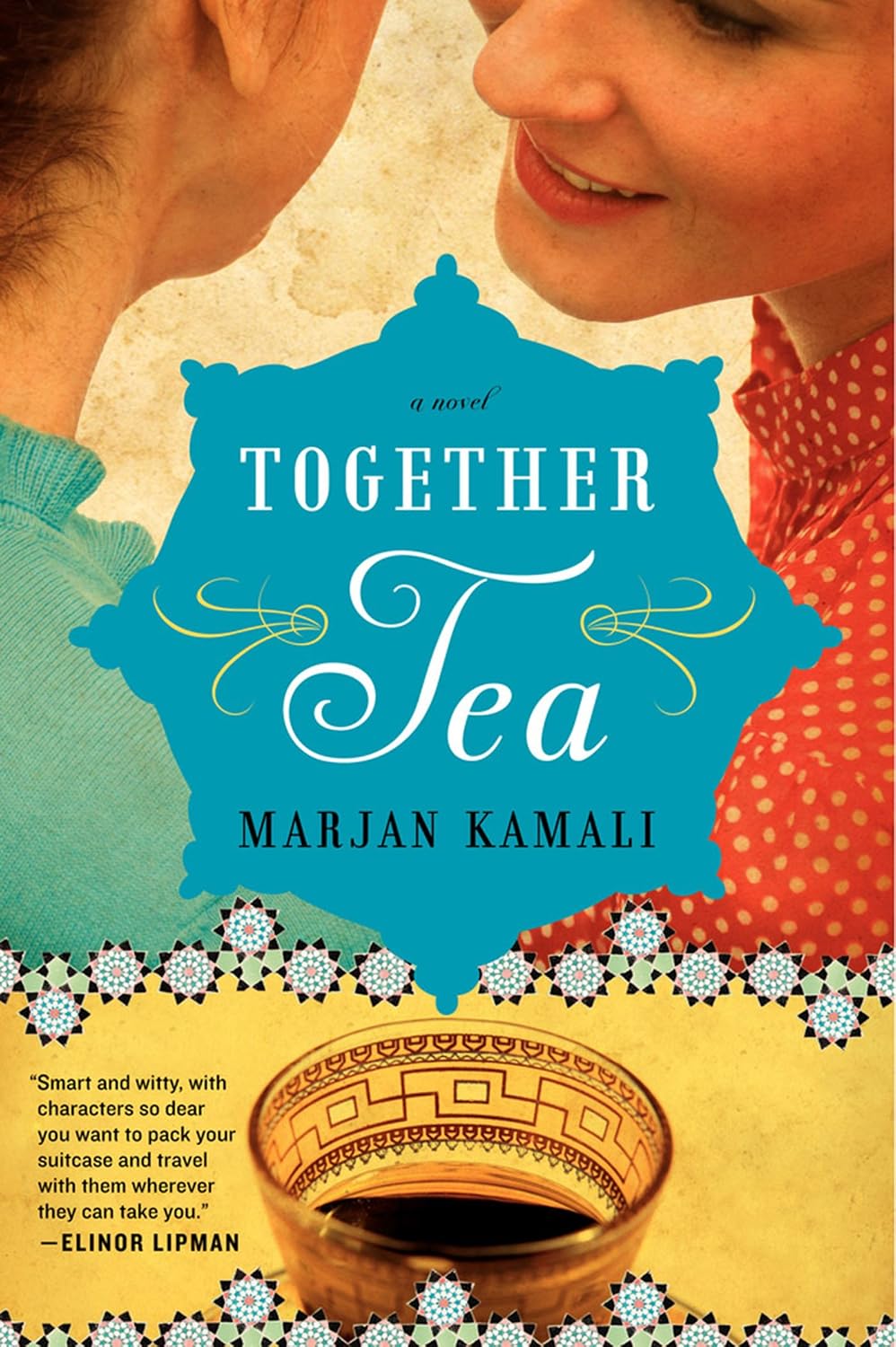
Together Tea
Together Tea follows Mina Rezayi, an Iranian American woman living in New York who dreams of becoming an artist but feels pressured to complete her business studies and settle down. Her mother, Darya, is determined to find her the right husband and repeatedly arranges introductions to suitable Iranian American men. Frustrated by the constant matchmaking, Mina struggles to reconcile her own ambitions with her family’s expectations. When mother and daughter travel to Iran, the journey brings them closer to the culture Darya left behind and encourages them to reconsider their relationship. As Mina encounters unexpected romantic possibilities, both women must confront the differences between their hopes and the lives they have built. Kamali explores the complexities of immigrant identity, the changing roles of women, and the tensions between generations. The novel celebrates the possibility of understanding one another without abandoning personal dreams or cultural heritage.
Iran
2013
3
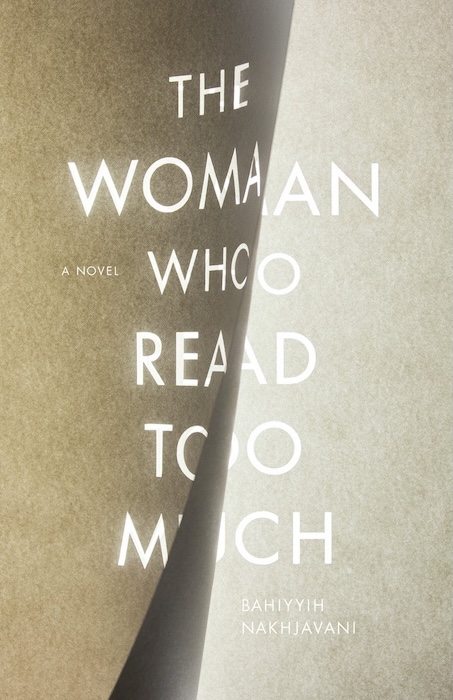
The Woman Who Read Too Much
Set in nineteenth-century Persia, The Woman Who Read Too Much reimagines the life of Táhirih Qurratu’l-Ayn, a celebrated poet, scholar and religious revolutionary who challenged the conventions of her time. Known as the poetess of Qazvin, Táhirih unsettles the ruling establishment through her intellect, her writings and her defiance of religious orthodoxy. In a society where women’s education and independence are tightly restricted, her ability to read, think and speak openly becomes both a source of inspiration and a perceived threat to those in power. Nakhjavani tells Táhirih’s story through the perspectives of four women: the Shah’s mother, the mayor’s wife, the Shah’s sister and Táhirih’s daughter. Their contrasting accounts reveal how power, fear, loyalty and rumour shape the telling of history. Blending historical events with imaginative storytelling, the novel explores the price of intellectual freedom and the courage required to challenge entrenched authority.
Iran
2015
4
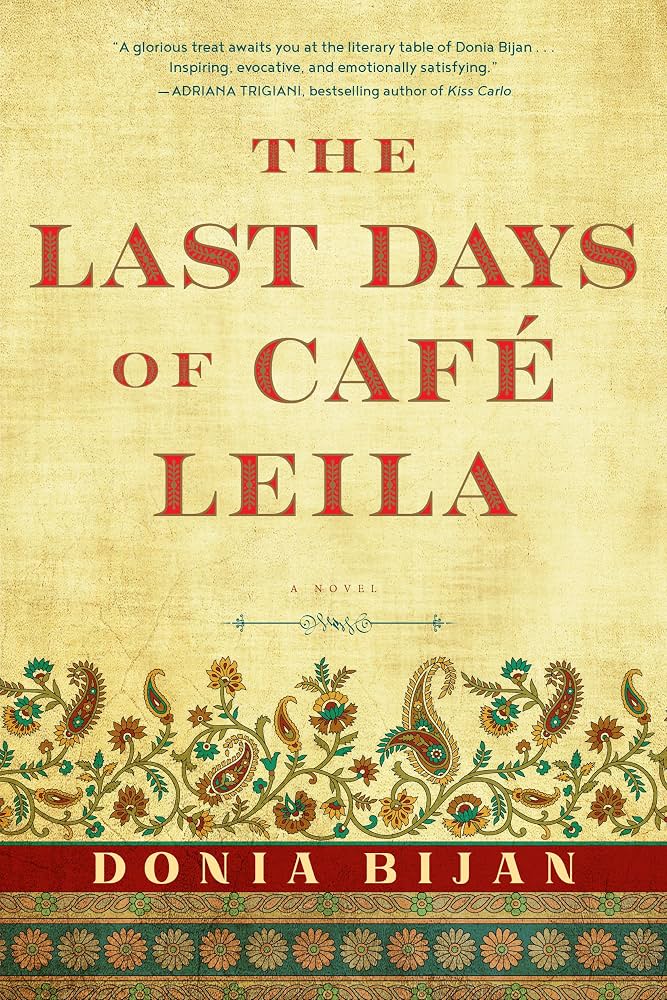
Last Days of Café Leila
The Last Days of Café Leila follows Noor, an Iranian-American woman who returns to Tehran with her young daughter, Lily, after years of living in the United States. She comes back to the family café, a beloved gathering place run by her father, Zod, whose cooking and hospitality have long brought people together. Although Noor hopes to find comfort and reconnect with her roots, returning home forces her to confront painful memories, unresolved family tensions, and the choices that led her to leave Iran.
As Noor and her father attempt to rebuild their relationship, the café becomes a symbol of belonging, cultural memory, and the traditions that bind generations together. Through food, family stories, and the changing atmosphere of Tehran, Donia Bijan explores the complexities of immigration, identity, and the meaning of home. The novel also examines the tensions between personal freedom and cultural expectations, revealing how family bonds can endure despite distance and disappointment. Warm and reflective, it celebrates the power of shared meals and inherited traditions to reconnect people with their past.
Iran
2018
5
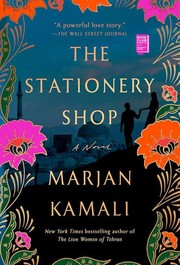
Stationery Shop
Set in Tehran in 1953, The Stationery Shop tells the story of Roya, a young woman who finds refuge in a charming stationery shop filled with books, poetry, and the promise of new possibilities. There she meets Bahman, an idealistic young man who shares her love of literature and dreams of political change. Their romance develops against the backdrop of growing political unrest in Iran, culminating in the coup that overthrows Prime Minister Mohammad Mosaddegh. On the day they plan to meet and begin their future together, a series of events separates them, leaving Roya with unanswered questions for decades. Years later, an unexpected encounter offers the possibility of discovering the truth about their separation. Kamali explores love, memory, political upheaval, and the lasting consequences of misunderstandings that shape entire lives.
Iran
2019
6
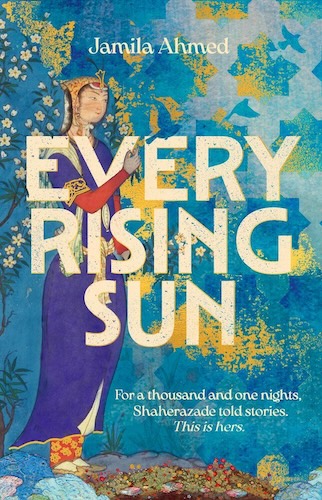
Every Rising Sun: A Retelling of The One Thousand and One Nights
Before Shaherazade became the legendary storyteller who captivated a king for a thousand and one nights, she was a young woman whose words set an empire ablaze. In twelfth-century Persia, Shaherazade discovers a dangerous secret about the king’s wife, Fataneh. When she reveals the truth, the king’s fury unleashes a wave of executions, as he begins marrying and beheading a new bride each night. Haunted by the consequences of her actions, Shaherazade volunteers to become his next wife, determined to stop the bloodshed. Armed with her intelligence, political instincts, and extraordinary gift for storytelling, she begins weaving tales that keep the king listening until dawn. But survival demands more than captivating stories: as courtly intrigues intensify and the Crusades threaten the region, Shaherazade must navigate a world of shifting alliances, dangerous desires, and ruthless power. Reimagining one of literature’s most enduring legends, Every Rising Sun celebrates the power of storytelling, the resilience of women, and the courage to challenge a fate that seems inevitable.
Iran
2023
7
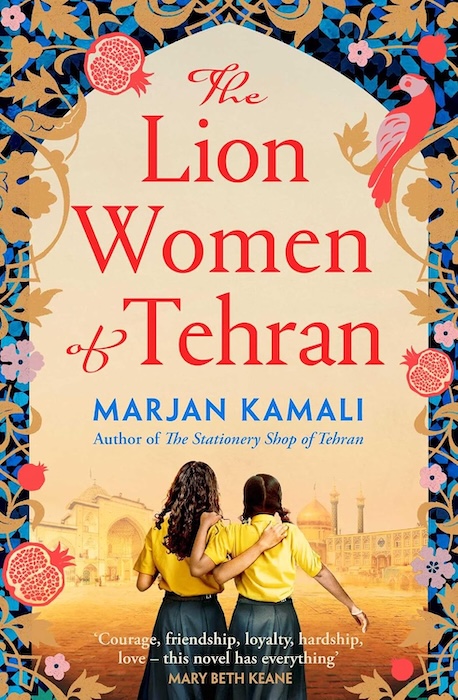
The Lion Women of Tehran
Set in Tehran across three transformative decades, The Lion Women of Tehran follows Ellie and Homa, two girls from different social backgrounds who form a close friendship in the 1950s. After her father’s death, Ellie moves with her mother to a poorer neighbourhood, where she meets Homa, an outspoken and ambitious girl who dreams of becoming a judge and fighting for women’s rights. The girls share their hopes for the future, but changing circumstances eventually separate them. When they reunite years later, their friendship is tested by political upheaval, personal ambition, and a devastating betrayal. Against the backdrop of Iran’s changing political landscape, Kamali explores female friendship, social inequality, and the consequences of choices made in moments of fear and uncertainty. The novel examines how childhood relationships shape adult identities and how forgiveness can become a path towards understanding and redemption.
Iran
2025
8
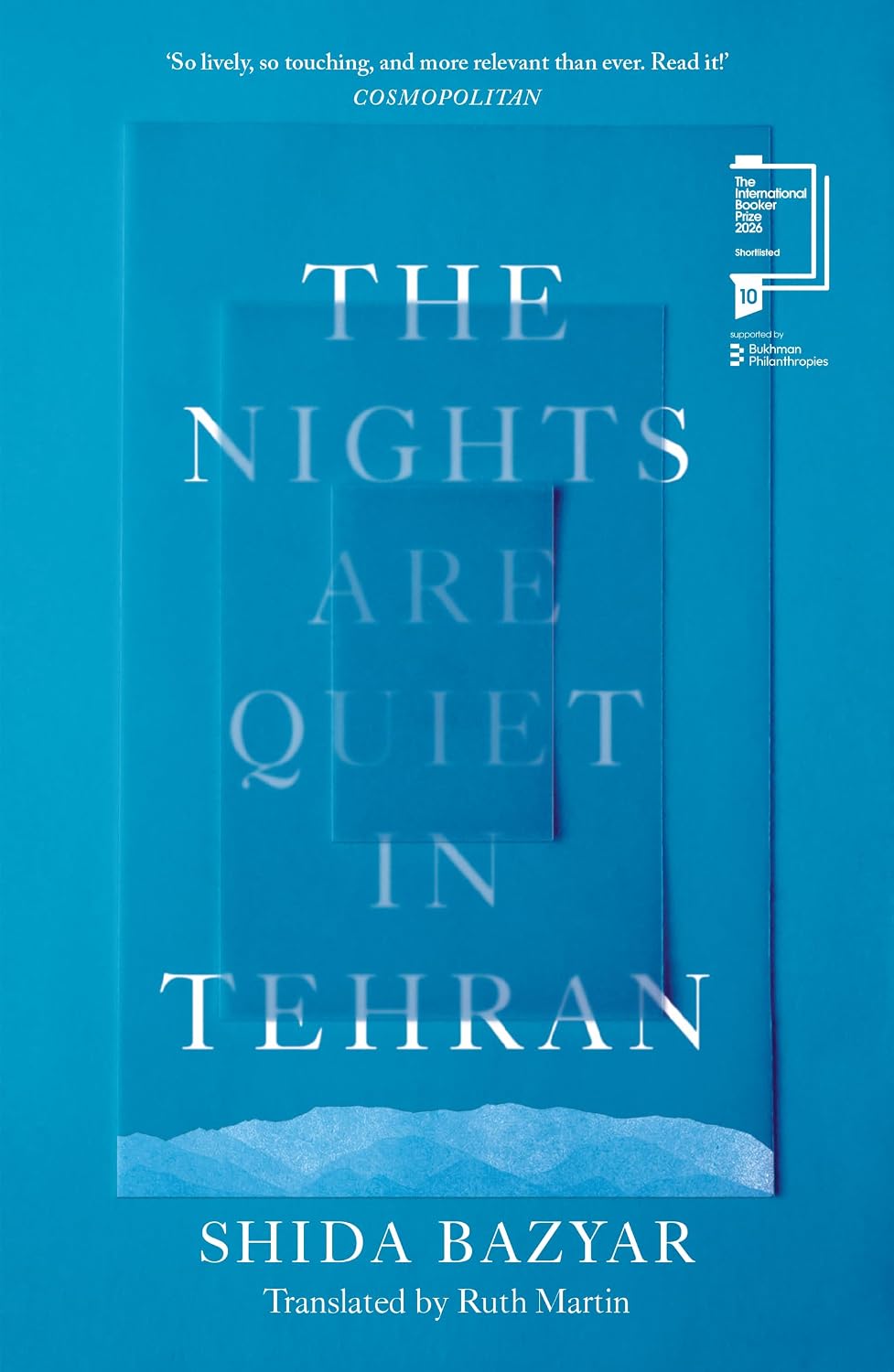
Nights Are Quiet in Tehran
The Nights Are Quiet in Tehran follows an Iranian family across four decades, exploring revolution, exile, identity, and the lasting effects of political upheaval. The story begins in 1979, when Behzad, a young communist revolutionary, fights for a new political order following the fall of the Shah. He falls in love with Nahid, an equally passionate young woman, but the rise of the Islamic Republic eventually forces them to flee to West Germany.
Told through four family members’ perspectives in 1979, 1989, 1999, and 2009, the novel traces their struggles to build a new life while maintaining connections to their homeland. As the children grow up between cultures, questions of belonging, memory, and inherited political convictions become increasingly complex. Their experiences culminate against the backdrop of Iran’s 2009 Green Movement, which brings the family’s past and present into renewed tension.
Through its shifting voices and generations, Bazyar explores how political events shape private lives and how the meaning of home changes across generations of migration and exile.
Iran
2025