Fiction
All countries
Afghanistan
Albania
Antigua and Barbuda
Argentina
Armenia
Australia
Austria
Azerbaijan
Bahamas
Bahrain
Bangladesh
Barbados
Belarus
Belgium
Belize
Bhutan
Bosnia and Herzegovina
Brazil
Brunei
Bulgaria
Cabo Verde
Canada
Central African Republic
Chile
China
Congo, Democratic Republic
Croatia
Cuba
Czech Republic
Denmark
Djibouti
Dominica
Dominican Republic
Ecuador
Egypt
Fiji
Finland
France
Georgia
Germany
Greece
Hungary
Iceland
India
Indonesia
Iran
Iraq
Ireland
Italy
Jamaica
Japan
Jordan
Kazakhstan
Kenya
Kuwait
Kyrgyzstan
Lebanon
Libya
Malaysia
Mexico
Morocco
Netherlands
New Zealand
Nigeria
Norway
Oman
Pakistan
Palestine
Panama
Peru
Philippines
Poland
Portugal
Romania
Russia
Saudi Arabia
Senegal
Singapore
Slovenia
Somalia
South Korea
Spain
Sri Lanka
Sudan
Sweden
Switzerland
Syria
Taiwan
Tanzania
Thailand
Türkiye
Turkmenistan
Ukraine
United Arab Emirates
United Kingdom
United States
Uzbekistan
Yemen
Zambia
1
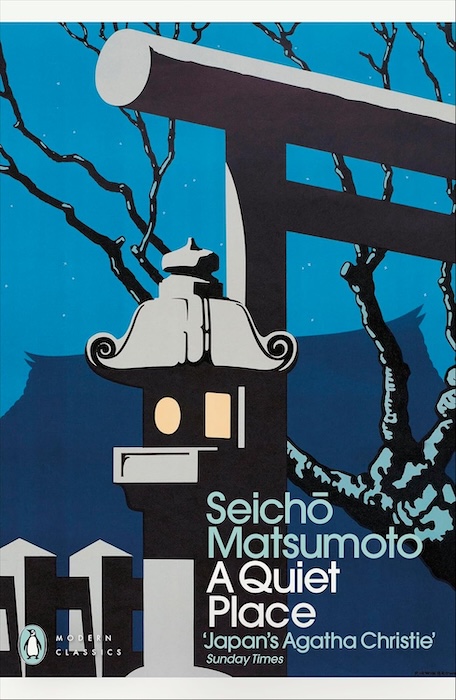
A Quiet Place
A Quiet Place follows Tsuneo Asai, a reserved government official whose life is disrupted when he learns that his wife, Eiko, has died suddenly while he is away on a business trip. Although she had a heart condition, the circumstances of her death trouble him: she collapsed in a small shop in a Tokyo neighbourhood she seemingly had no reason to visit.
Determined to understand what happened, Asai investigates the area and discovers clues suggesting that his seemingly quiet and devoted wife may have been hiding a secret life. His search gradually draws him into a world of clandestine relationships, suspicion, and uncomfortable revelations. As he uncovers details about Eiko’s movements, his grief gives way to jealousy and doubt, threatening the orderly existence he has carefully maintained.
Through this psychological mystery, Matsumoto examines the hidden tensions beneath respectable appearances, the constraints of marriage, and the effects of ambition and social expectations in postwar Japanese society. The novel reveals how little people may truly know about those closest to them.
Japan
2016
2
Time of White Horses
Set in Palestine, before the creation of the state of Israel, this lyrical and deftly written novel spans three generations living in the small village of Hadiya. Reaching back into the late nineteenth and early twentieth centuries, the immense history of this period is brought into focus by the very human stories of Hajj Mahmoud, his son Khaled, and grandson Naji. As the cruel hand of history hovers above them, their destinies are shaped by outside forces - first the crumbling Ottoman Empire, then the British Mandate, and finally the Nakba. Nasrallah's elegant and epic tale is one of both suffering and survival, heart-break and hope.
Palestine
2016
3
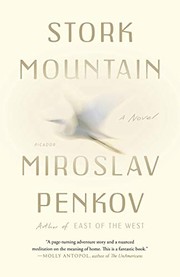
Stork Mountain
Stork Mountain follows a young Bulgarian-American man who returns to his ancestral village in Bulgaria after the disappearance of his grandfather, a former communist official. Hoping to uncover the truth about his family’s past, he becomes immersed in the history and traditions of a rural community near the Turkish border, where generations have lived through political upheaval, shifting national identities, and religious tensions.
As he investigates his grandfather’s life, the narrator encounters stories of forbidden love, ancient rituals, and the complicated legacy of Bulgaria’s communist era. The village’s inhabitants preserve memories and customs that seem increasingly distant from the modern world, while the narrator struggles to reconcile his American upbringing with the homeland he has inherited through family history. Miroslav Penkov blends folklore, historical fiction, and contemporary storytelling to explore belonging, migration, and the ways personal identity is shaped by collective memory. The novel reveals how the past continues to influence the present, even when its stories have been forgotten, distorted, or deliberately concealed.
Bulgaria
2016
4
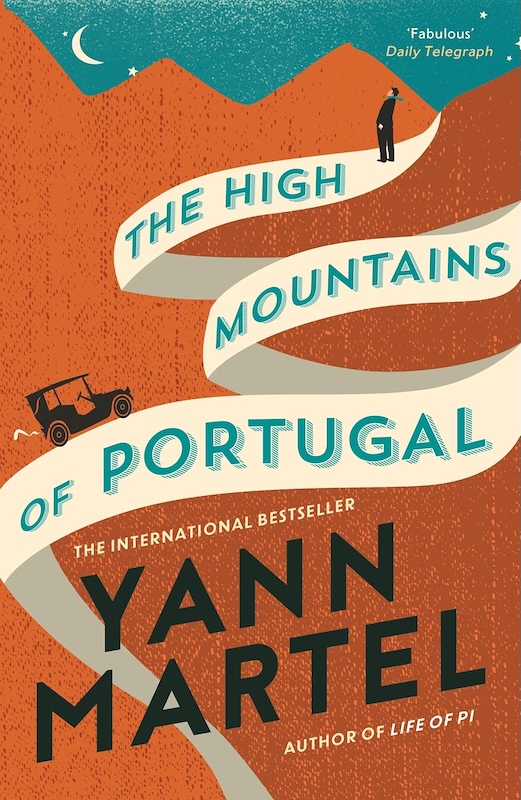
The High Mountains of Portugal
The High Mountains of Portugal weaves together three interconnected stories spanning nearly a century, exploring grief, faith, and the mysteries of human existence. In 1904, a young Portuguese archivist named Tomás discovers an ancient religious artifact and embarks on a journey through the countryside in search of its meaning. Thirty-five years later, a Portuguese pathologist confronts a personal tragedy that challenges his understanding of love and belief. In the final story, a Canadian senator living in contemporary Portugal finds himself drawn into an unexpected relationship with a chimpanzee, prompting him to reconsider the boundaries between humans and animals. Through these unusual narratives, Yann Martel explores the ways people respond to loss and search for meaning in a world that resists easy explanations. Blending philosophical reflection, historical fiction, and elements of the surreal, the novel examines faith, mortality, love, and humanity’s connection to the natural world.
Portugal
2016
5
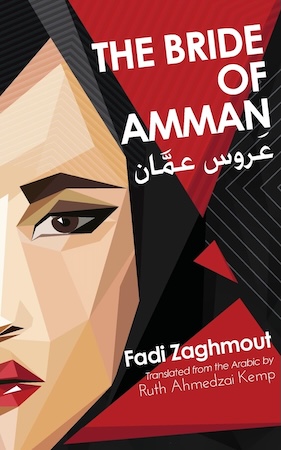
The Bride of Amman
Set in Jordan’s capital, The Bride of Amman follows five young people—four women and one gay man—as they navigate love, sexuality, marriage, and the restrictive social expectations surrounding them. Rana falls in love with a man of a different religion and faces the consequences of their relationship. Hayat struggles with the emotional scars of an abusive childhood, while Ali is pressured into a heterosexual marriage to conceal his sexuality. Meanwhile, Leila confronts the stigma attached to divorce and remaining unmarried, and her sister Salma challenges society’s expectations through her anonymous online writing.
Through these interwoven stories, Fadi Zaghmout portrays a society caught between modern aspirations and deeply rooted traditions. The novel examines how gender roles, religious boundaries, and social conventions shape intimate lives, often forcing individuals to choose between personal happiness and public acceptance. Blending humor with painful realism, it challenges the silence surrounding sexuality and women’s autonomy in the Arab world. Ultimately, the novel asks what freedom means when the price of living honestly can be social rejection.
Jordan
2015
6
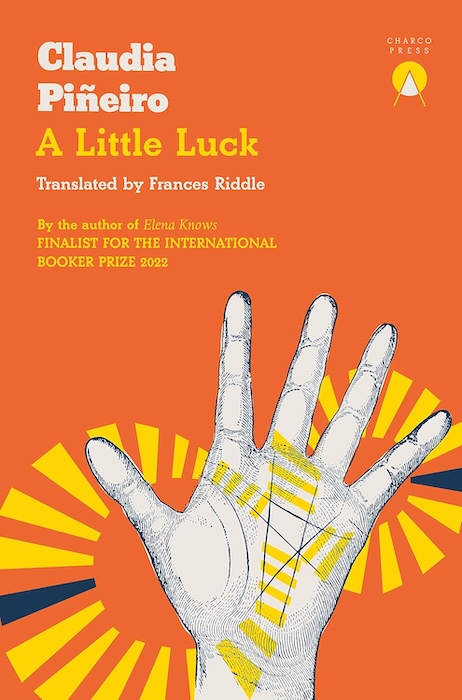
A Little Luck
A Little Luck follows Mary Lohan, a woman who returns to the Buenos Aires suburb she left twenty years earlier after a traumatic accident transformed her life. She has built a new identity far from the place where the tragedy occurred, changing not only her name but also her appearance and the way she relates to the world. Returning home forces her to confront memories she has tried to suppress and people whose lives remain connected to her past. As old secrets begin to surface, Mary must reconsider the choices that shaped her life and the guilt she has carried for decades. Piñeiro explores the fragile boundary between reinvention and denial, asking whether it is possible to escape the past or whether genuine freedom requires facing the truth about oneself.
Argentina
2015
7

Bride and Groom
Set in contemporary Dagestan, Bride and Groom follows two young people whose prospects for marriage become entangled with the expectations of their families and community. Against a backdrop of religious conservatism, social pressure, and political uncertainty, the characters struggle to reconcile their personal desires with the traditions that govern their lives. Marriage becomes more than a private romantic decision: it is also a negotiation involving family honour, social status, and competing ideas about modernity and cultural identity. Ganieva offers an intimate portrait of a society undergoing profound change, where old customs and new aspirations coexist uneasily. With humour and sharp observation, the novel reveals how difficult it can be to make independent choices when the community claims a powerful stake in individual lives.
Russia
2015
8
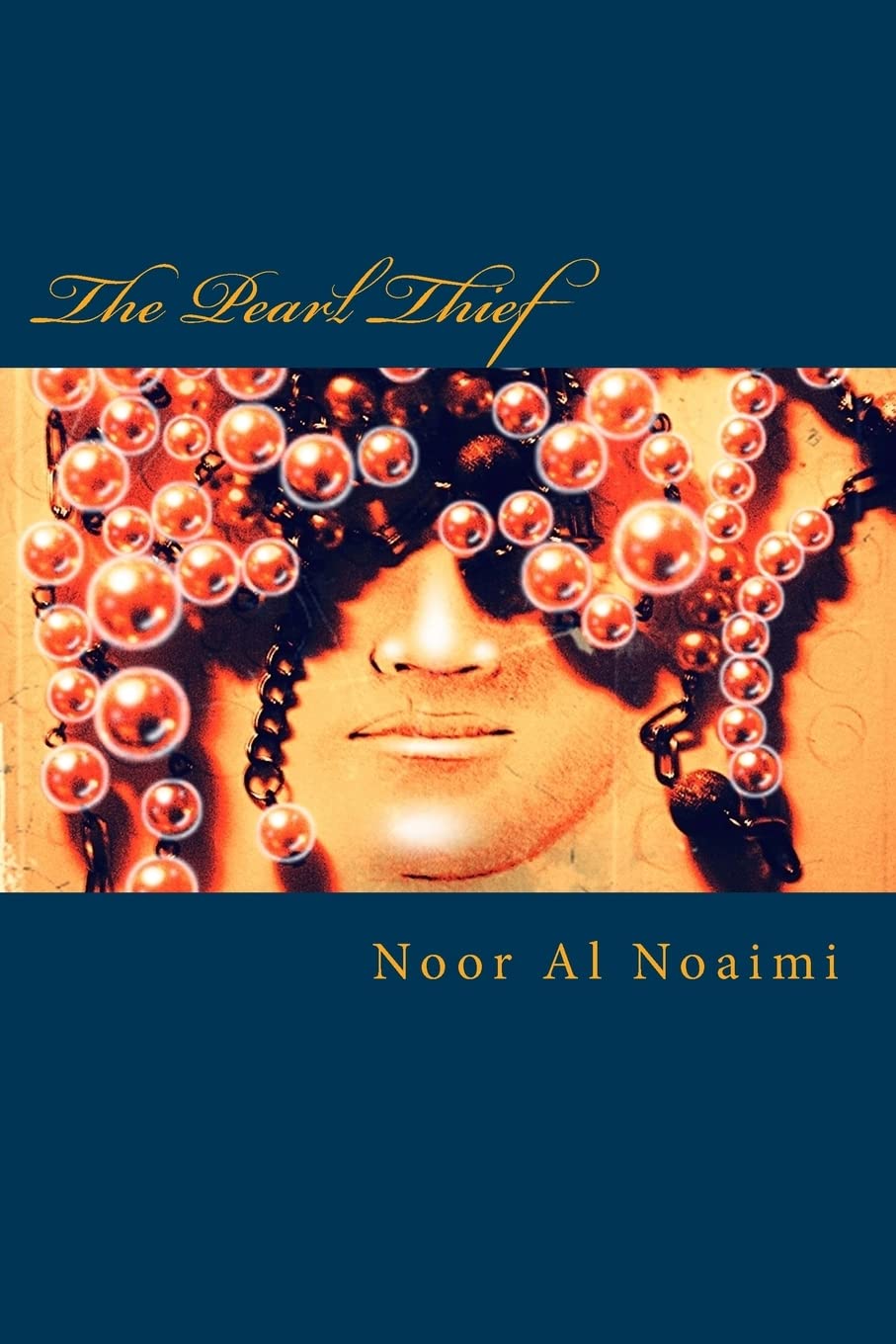
Pearl Thief
The Pearl Thief is a short story about Hassan, a poor Bahraini islander determined to improve his family’s circumstances. Struggling to care for his ageing parents, he considers an extraordinary undertaking: joining a pearl-diving expedition despite being unable to swim. The dangerous world of traditional pearl diving offers the possibility of escaping poverty, but it also demands courage and exposes participants to serious risks. Hassan must confront his fears and question whether determination alone can overcome the limitations imposed by his circumstances. Through his journey, Noor Al Noaimi evokes Bahrain’s historical relationship with the sea and the pearl trade, once central to the livelihoods of coastal communities. The story explores economic hardship, family responsibility, and the desire to change one’s destiny in a society where opportunity is often determined by birth and social position.
Bahrain
2015
9
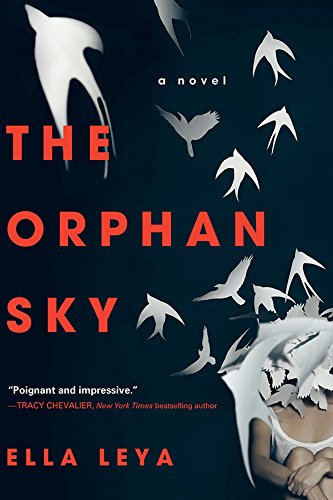
The Orphan Sky
The Orphan Sky follows Leila, a young Azerbaijani woman whose life is shaped by the tensions between personal ambition, family expectations, and the political realities of her country. Growing up in a society where tradition and modernity frequently collide, Leila dreams of a future that allows her to make her own choices. Her experiences reveal the pressures faced by women navigating restrictive social expectations while trying to establish an independent identity. As she confronts difficult relationships and the consequences of decisions made by those around her, Leila must reconsider what freedom and belonging mean to her. Through an intimate portrait of contemporary Azerbaijani life, Leya explores the complexities of cultural identity, the influence of family history, and the struggle to determine one’s own future in a society undergoing profound change.
Azerbaijan
2015
10
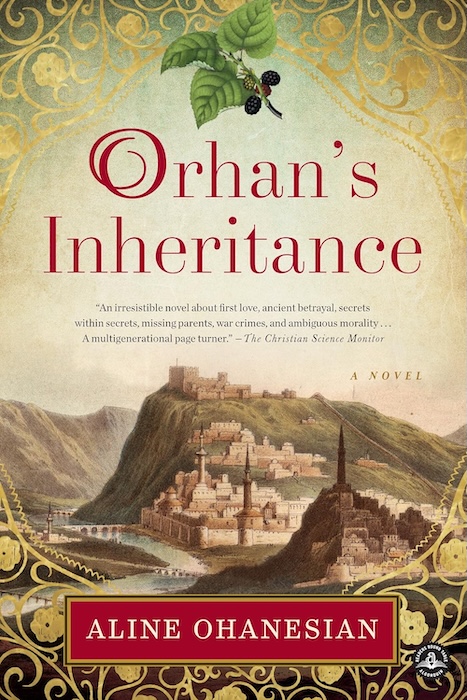
Orhan's Inheritance
Orhan’s Inheritance follows Orhan, a young Turkish man who unexpectedly inherits his grandfather’s house in a village in Anatolia. The inheritance is complicated by the appearance of Seda, an elderly Armenian American woman who claims that the property belongs to her family. Determined to understand the dispute, Orhan investigates his grandfather’s past and uncovers a history connected to the Armenian genocide of 1915. Through alternating perspectives and different periods, the novel reveals how violence, forced displacement, and silence have shaped two families across generations. As Orhan learns about the experiences of those who came before him, he must reconsider the stories he has inherited about his family and country. Ohanesian explores historical memory, responsibility, and the difficult process of confronting atrocities that remain painful long after the events themselves.
Armenia
2015
11
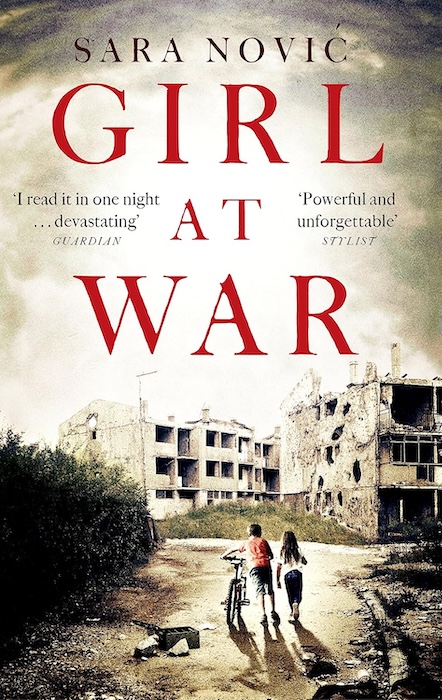
Girl at War
Girl at War follows Ana Jurić, a ten-year-old girl growing up in Zagreb when the Yugoslav Wars erupt in the early 1990s. As violence spreads across Croatia, Ana’s childhood is shattered, and she experiences the devastating consequences of war, including the loss of loved ones and the destruction of her sense of security. After a traumatic journey, she eventually finds refuge in the United States, where she struggles to rebuild her life while carrying memories she cannot fully confront. Years later, Ana returns to Croatia, hoping to reconnect with her past and understand the experiences that shaped her identity. Moving between childhood and adulthood, Sara Nović explores trauma, displacement, survivor’s guilt, and the lasting psychological effects of conflict. The novel is a poignant examination of how war transforms individuals and communities, and how difficult it can be to reconcile the person one becomes with the person one once was.
Croatia
2015
12
A Brief History of Seven Killings
Set primarily in Jamaica during the 1970s and extending into the 1990s, A Brief History of Seven Killings explores the political violence, gang warfare, and social upheaval surrounding the attempted assassination of reggae legend Bob Marley in 1976. Told through the perspectives of an expansive cast of characters, including gang members, journalists, politicians, and CIA operatives, the novel examines the complex relationships between crime, political power, and international interference. As the narrative moves from Kingston to the United States, it traces the long-term consequences of violence on individuals and communities. Through shifting voices, Jamaican patois, and an unflinching portrayal of historical events, Marlon James explores inequality, corruption, identity, and the lasting scars of political conflict. The novel offers a multifaceted portrait of Jamaica’s turbulent history and the human cost of violence.
Jamaica
2015