Fiction
All countries
Afghanistan
Albania
Antigua and Barbuda
Argentina
Armenia
Australia
Austria
Azerbaijan
Bahamas
Bahrain
Bangladesh
Barbados
Belarus
Belgium
Belize
Bhutan
Bosnia and Herzegovina
Brazil
Brunei
Bulgaria
Cabo Verde
Canada
Central African Republic
Chile
China
Congo, Democratic Republic
Croatia
Cuba
Czech Republic
Denmark
Djibouti
Dominica
Dominican Republic
Ecuador
Egypt
Fiji
Finland
France
Georgia
Germany
Greece
Hungary
Iceland
India
Indonesia
Iran
Iraq
Ireland
Italy
Jamaica
Japan
Jordan
Kazakhstan
Kenya
Kuwait
Kyrgyzstan
Lebanon
Libya
Malaysia
Mexico
Morocco
Netherlands
New Zealand
Nigeria
Norway
Oman
Pakistan
Palestine
Panama
Peru
Philippines
Poland
Portugal
Romania
Russia
Saudi Arabia
Senegal
Singapore
Slovenia
Somalia
South Korea
Spain
Sri Lanka
Sudan
Sweden
Switzerland
Syria
Taiwan
Tanzania
Thailand
Türkiye
Turkmenistan
Ukraine
United Arab Emirates
United Kingdom
United States
Uzbekistan
Yemen
Zambia
1
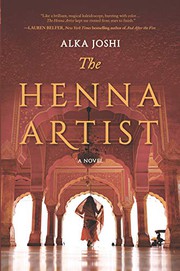
The Henna Artist
Set in Jaipur in the 1950s, The Henna Artist follows Lakshmi, a young woman who escapes an abusive marriage and builds an independent life in the Pink City. Through her exceptional skills as a henna artist and her knowledge of traditional remedies, she becomes a trusted confidante to wealthy women, gaining access to their private lives and secrets. Lakshmi dreams of establishing her own home and achieving financial security, carefully protecting the reputation that sustains her livelihood. However, her carefully constructed world is disrupted when her estranged husband appears with a young girl who turns out to be the sister Lakshmi never knew she had. Forced to reconsider her priorities, Lakshmi must navigate the tension between independence and family responsibility. Joshi explores women’s autonomy, social hierarchy, ambition, and the possibility of creating a new life despite the limitations imposed by society.
India
2020
2
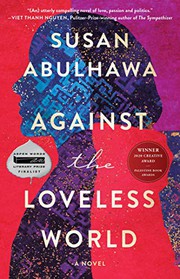
Against the Loveless World
Against the Loveless World follows Nahr, a Palestinian woman whose life is shaped by displacement, political conflict, and the struggle for independence. Born in Kuwait to Palestinian refugee parents, she dreams of finding love, raising a family, and building a stable future. Instead, a series of betrayals and difficult circumstances leads her through different countries in the Middle East, where she encounters exploitation, prejudice, and political upheaval. As the story unfolds through memories narrated from solitary confinement, Nahr reveals the experiences that shaped her transformation from a vulnerable young woman into someone determined to resist the forces controlling her life. Abulhawa explores the intersection of personal freedom and political oppression, examining how gender, exile, and economic hardship influence women’s choices. The novel is a powerful portrait of survival and the determination to claim dignity in an unjust world.
Palestine
2020
3
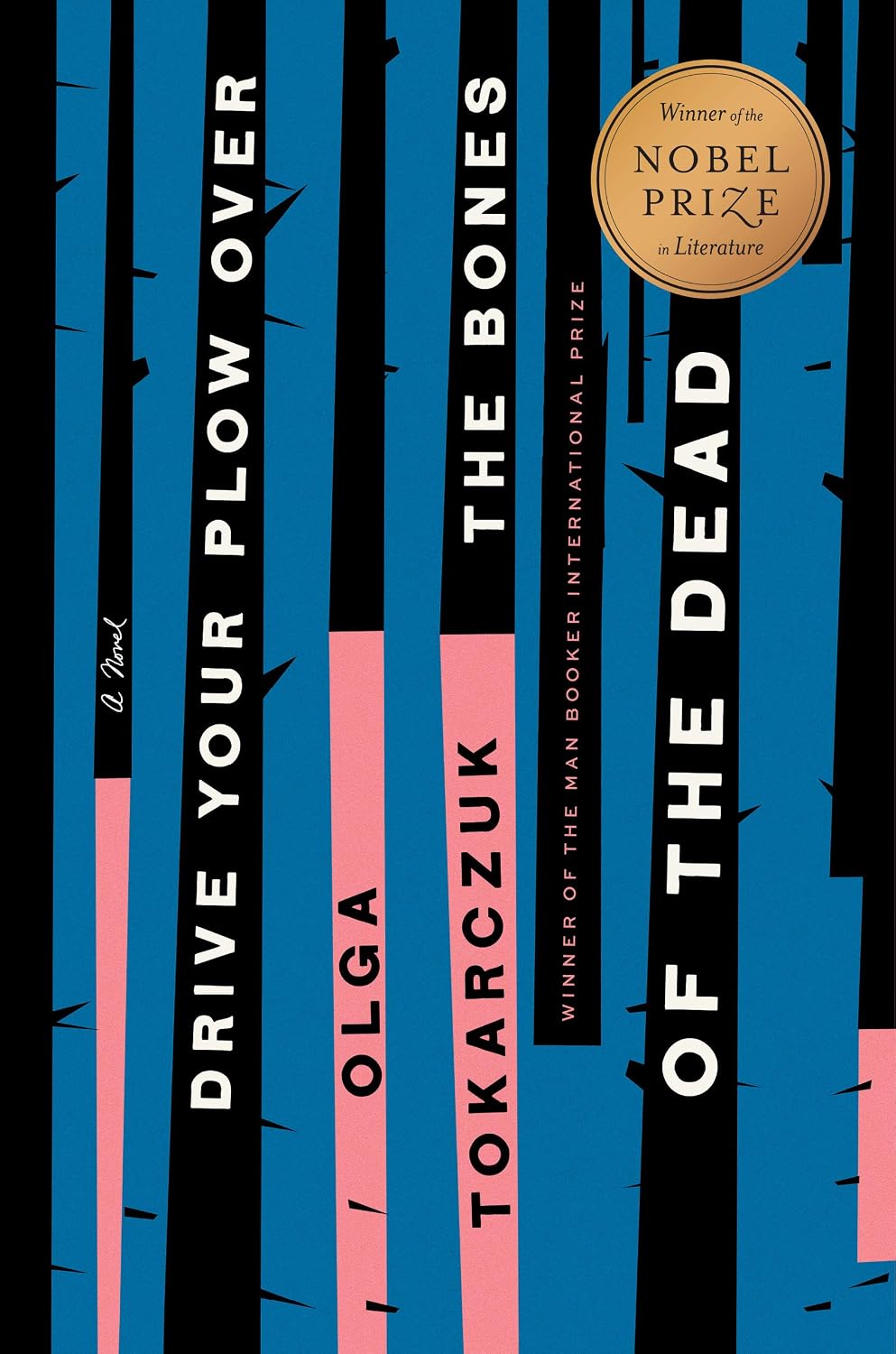
Drive Your Plow Over The Bones Of The Dead
Set in a remote Polish village near the Czech border, Drive Your Plow Over the Bones of the Dead follows Janina Duszejko, an eccentric older woman who lives in isolation, cares for summer houses, studies astrology, and feels a deep connection with animals and the natural world. When several men in the surrounding community die under mysterious circumstances, Janina develops her own theory about the killings, believing that the animals are taking revenge on those who have harmed them. However, the local authorities dismiss her ideas, partly because of her gender, age, and unconventional beliefs. As the investigation unfolds, the novel combines the structure of a murder mystery with philosophical reflections on justice, morality, and humanity’s relationship with other living creatures. Through dark humour and an unsettling narrative, Tokarczuk challenges assumptions about who deserves sympathy and whose suffering matters. The novel questions human dominance over nature and explores the blurred boundaries between justice, vengeance, and madness.
Poland
2020
4

Minor Detail
Minor Detail by Palestinian writer Adania Shibli is a haunting novel that connects a crime committed in the Negev desert in 1949 with a contemporary woman’s search for the truth decades later. The first part recounts the abduction, rape, and murder of a young Bedouin woman by Israeli soldiers shortly after the 1948 war, presenting the events through a detached, almost clinical narrative that emphasizes the brutality of the act and the victim’s anonymity. In the second part, a Palestinian woman in Ramallah becomes obsessed with a seemingly minor detail: the exact date of the crime. Determined to investigate, she travels across checkpoints and restricted territories, confronting the physical and psychological barriers that shape life under occupation. Through spare prose and a carefully controlled structure, Shibli explores violence, historical erasure, memory, and the unequal power to tell stories. The novel asks how forgotten suffering can be recovered and what it means to seek truth in a landscape where history remains deeply contested.
Palestine
2020
5
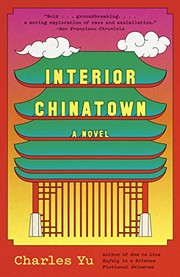
Interior Chinatown
Interior Chinatown follows Willis Wu, a Taiwanese American man living in Los Angeles who dreams of becoming the protagonist of his own story. Instead, he finds himself trapped in stereotypical supporting roles on a television police drama, where Asian American actors are routinely cast as background characters, sidekicks, and criminals. Willis hopes to move beyond his recurring role as Generic Asian Man and eventually achieve the status of Kung Fu Guy, the highest position he believes someone like him can reach.
Presented in the format of a screenplay, complete with stage directions and scenes, the novel blends satire, drama, and social commentary. As Willis pursues his ambitions, he confronts the limitations imposed by racial stereotypes and the expectations of his family and community. His personal journey becomes an exploration of what it means to be seen, to belong, and to define oneself beyond the roles assigned by others.
Through its inventive structure and sharp humour, Yu examines representation, assimilation, generational conflict, and the struggle to claim an authentic identity in a society that often reduces people to familiar caricatures.
United States
2020
6
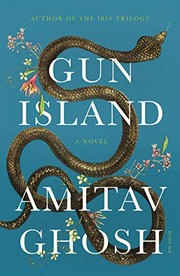
Gun Island
In Gun Island, Amitav Ghosh follows Deen Datta, a Brooklyn-based Indian rare-book dealer whose fascination with an obscure Bengali legend leads him on an unexpected journey from Kolkata to the Sundarbans and Venice. As he investigates the story of a merchant who escaped the wrath of the snake goddess Manasa Devi, Deen encounters mysterious coincidences, ancient myths, and people whose lives have been transformed by migration and environmental upheaval. Along the way, he witnesses the devastating effects of climate change, including rising seas, extreme weather, and threats to vulnerable communities. Blending folklore, history, and contemporary fiction, Ghosh explores the connections between human migration, ecological crisis, and cultural memory, questioning whether ancient stories might offer new ways of understanding the environmental challenges of the modern world.
India
2020
7
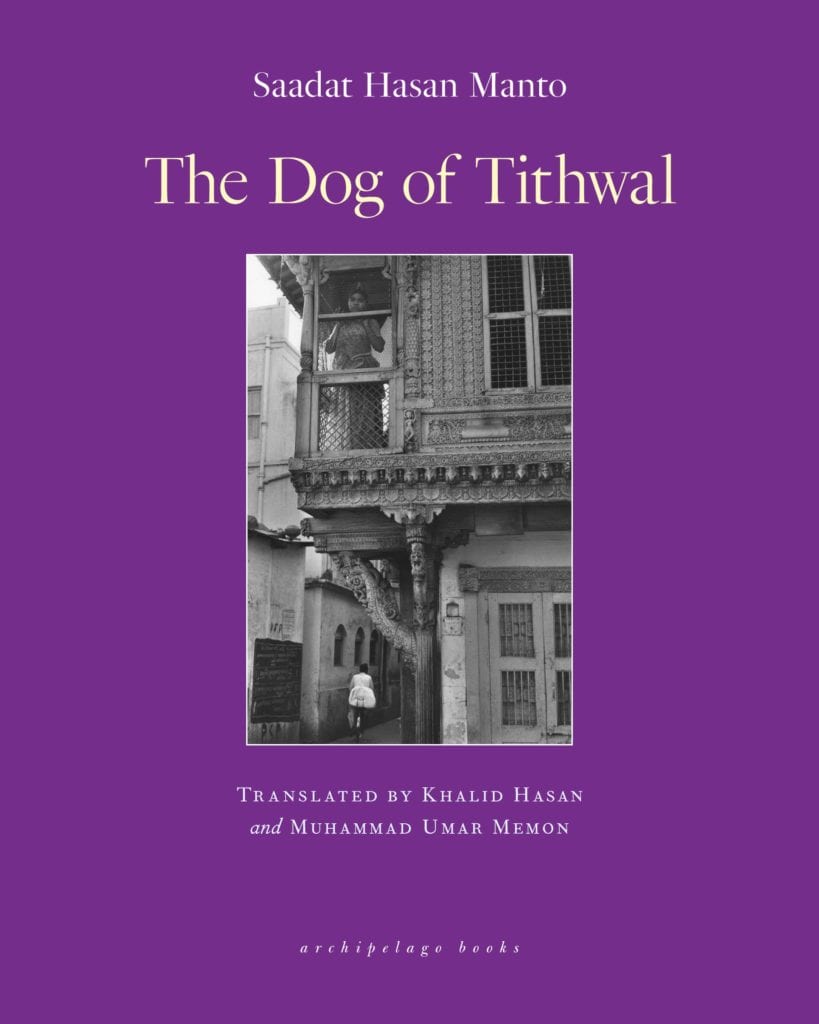
The Dog of Tithwal
On the mountainous border between India and Pakistan, two groups of soldiers face each other in a tense military standoff. Their routine is interrupted by the arrival of a stray dog, an innocent creature that wanders between the opposing camps. The soldiers begin to claim the dog as their own, giving it names and interpreting its movements as signs of loyalty or betrayal. What begins as a seemingly harmless game gradually turns sinister, exposing the absurdity of nationalism and the cruelty of a conflict in which even an animal cannot remain neutral. With biting irony and devastating simplicity, Saadat Hasan Manto transforms this brief encounter into a powerful allegory of Partition and the violence produced by artificial divisions. The story asks what happens to humanity when political identity becomes more important than compassion—and when the innocent are made to pay for the hostility of others.
Pakistan
2021
8
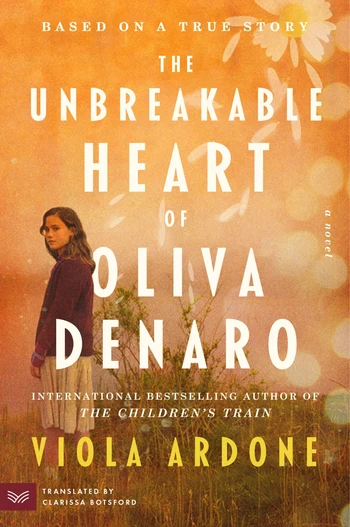
The Unbreakable Heart of Oliva Denaro
Sicily, 1960s. Fifteen-year-old Oliva Denaro loves running through the countryside and dreams of a life beyond the strict rules imposed on girls. But when a local boy decides he wants her, Oliva discovers how little control a young woman has over her own future in a society ruled by tradition and shame. Inspired by a true story, this moving novel follows Oliva’s courageous struggle to reclaim her freedom in a world that expects women to remain silent. Through her determination, Viola Ardone explores the cost of defiance and the extraordinary strength it takes to say no when everyone expects you to obey.
Italy
2021
9
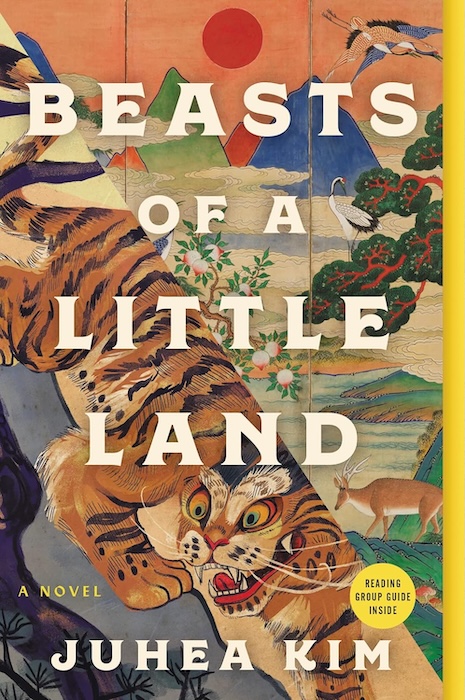
Beasts of a Little Land
In 1917, Korea is under Japanese colonial rule, and the lives of its people are shaped by poverty, violence, and the struggle for independence. When ten-year-old Jade is sold by her desperate family to a courtesan school in Pyongyang, she enters a world where survival depends on learning to navigate rigid social hierarchies. After fleeing to Seoul, she meets JungHo, an orphan boy struggling to survive on the streets. Their bond becomes a defining force in both their lives, even as their paths diverge and JungHo becomes involved in the resistance movement.
Spanning five decades, from the final years of the Korean Empire through colonial occupation and the upheavals of the twentieth century, this sweeping historical novel follows a cast of interconnected characters whose destinies are shaped by love, ambition, betrayal, and political turmoil. Moving between courtesan houses, bustling cities, and battle-scarred forests, the story explores what it means to fight for personal dignity and national freedom when the world seems determined to take both away.
South Korea
2021
10
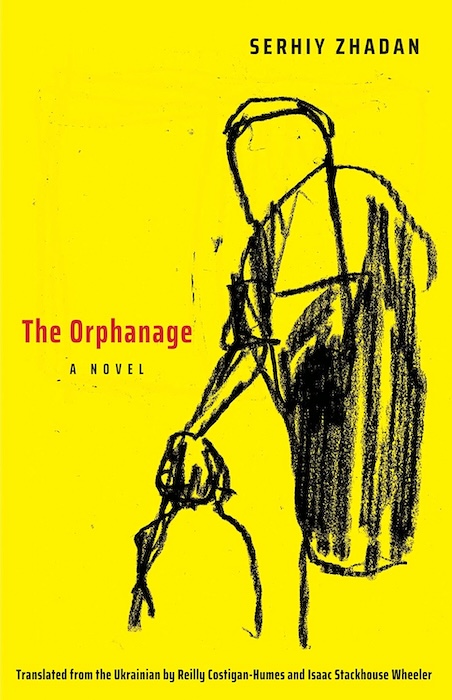
The Orphanage
Set in eastern Ukraine during the war in Donbas, The Orphanage follows Pasha, a thirty-five-year-old Ukrainian language teacher who has spent his life avoiding politics and keeping his distance from the conflicts around him. When fighting reaches a neighbouring city, he must cross the front line to retrieve his thirteen-year-old nephew, Sasha, from a boarding school that has become increasingly dangerous.
What should be a straightforward journey turns into a harrowing passage through a landscape devastated by shelling, military checkpoints, and collapsing infrastructure. As Pasha encounters soldiers, displaced civilians, and people struggling to survive, his familiar world becomes unrecognisable. With each step, he is forced to reconsider his loyalties, his responsibilities, and what it means to belong to a country at war.
Written with stark lyricism and an unflinching eye for everyday suffering, Zhadan’s novel portrays the human cost of armed conflict. Beyond the physical dangers, it explores indifference, moral responsibility, and the difficult realisation that remaining neutral may no longer be possible. The Orphanage won the 2022 EBRD Literature Prize.
Ukraine
2021
11
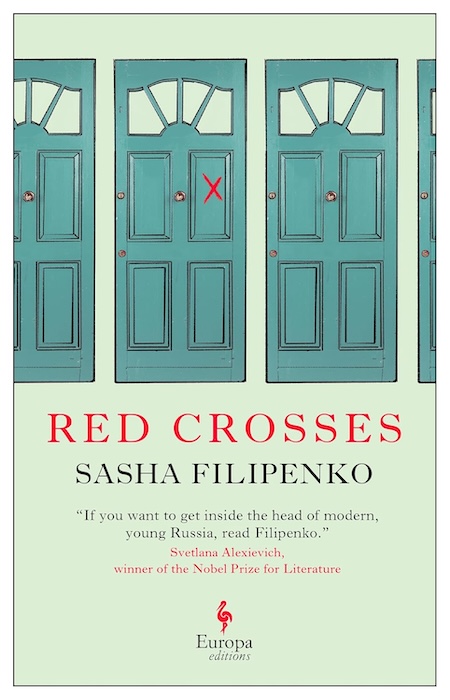
Red Crosses
Red Crosses tells the story of two people whose lives are shaped by tragedy, memory, and the lasting consequences of political repression. Alexander, a young man devastated by personal loss, moves to Minsk hoping to withdraw from the world. His plans change when he meets his elderly neighbour, Tatiana Alexeyevna, a woman in her nineties whose memory is gradually disappearing because of Alzheimer’s disease. To help herself navigate their apartment building, she marks doors with red crosses.
Despite her fading memory, Tatiana vividly recalls the horrors of twentieth-century Soviet history. She tells Alexander about her work during the Second World War, her husband’s capture by enemy forces, and her subsequent arrest and imprisonment in a labour camp under Stalin’s regime. As her story unfolds, Alexander becomes increasingly invested in preserving her memories before they disappear.
Through their unlikely friendship, Filipenko explores the relationship between personal grief and collective history. The novel examines political persecution, historical amnesia, and the importance of bearing witness to the past, suggesting that remembering those who suffered is an essential act of resistance.
Belarus
2021
12
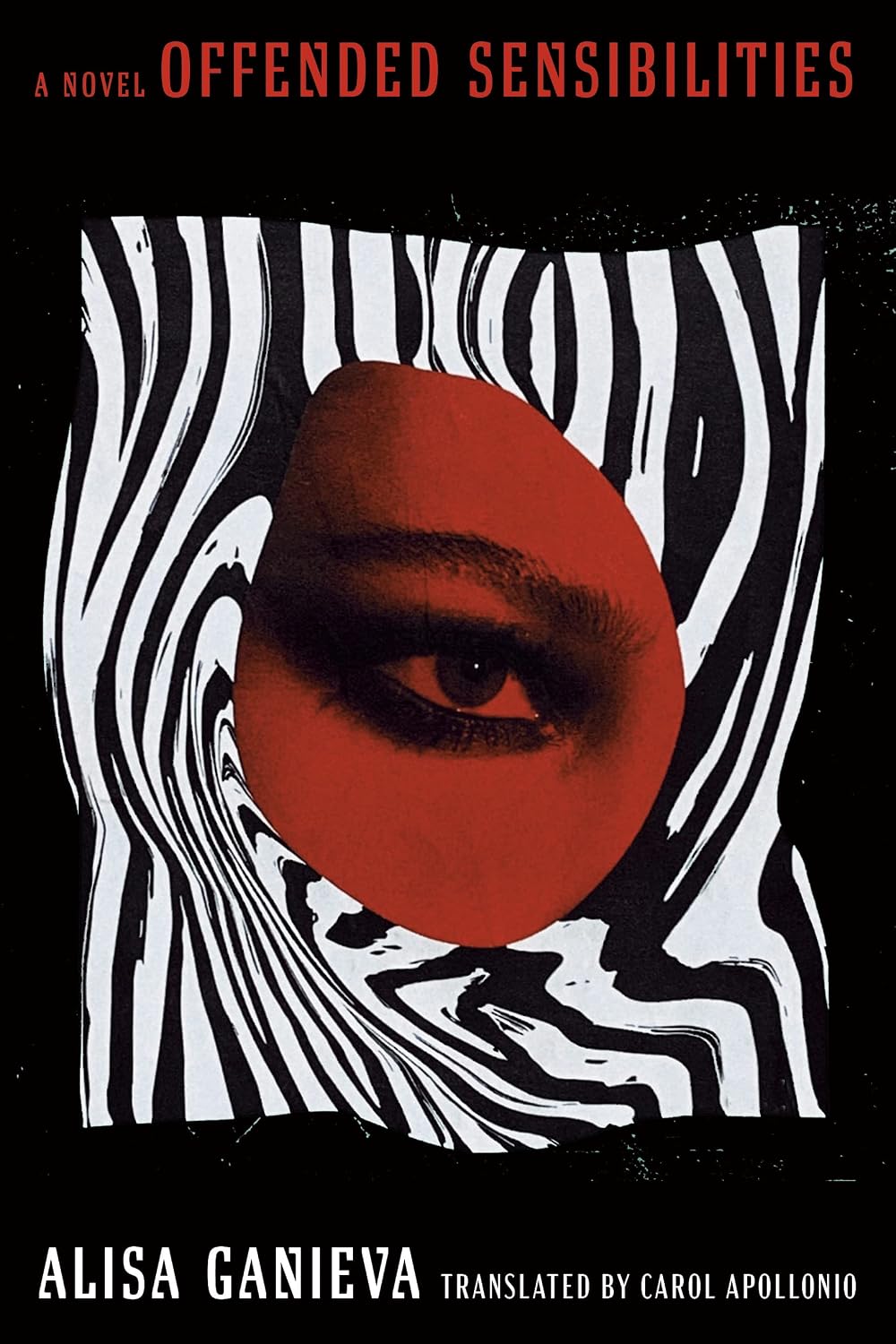
Offended Sensibilities
Offended Sensibilities is a darkly comic, neo-noir novel set in a provincial Russian town where a series of sudden deaths among local officials exposes a deeply dysfunctional system. The investigation unfolds against the backdrop of legislation criminalising forms of expression deemed offensive to religious believers. As the characters navigate corruption, political manoeuvring, religious nationalism, and personal hypocrisy, the line between justice and absurdity becomes increasingly blurred. Ganieva uses the mystery to examine a society in which public morality can become a tool of political control and where almost everyone has something to hide. Combining elements of crime fiction and political satire, the novel offers a sharp critique of contemporary Russian institutions and the contradictions between official values and private behaviour.
Russia
2021