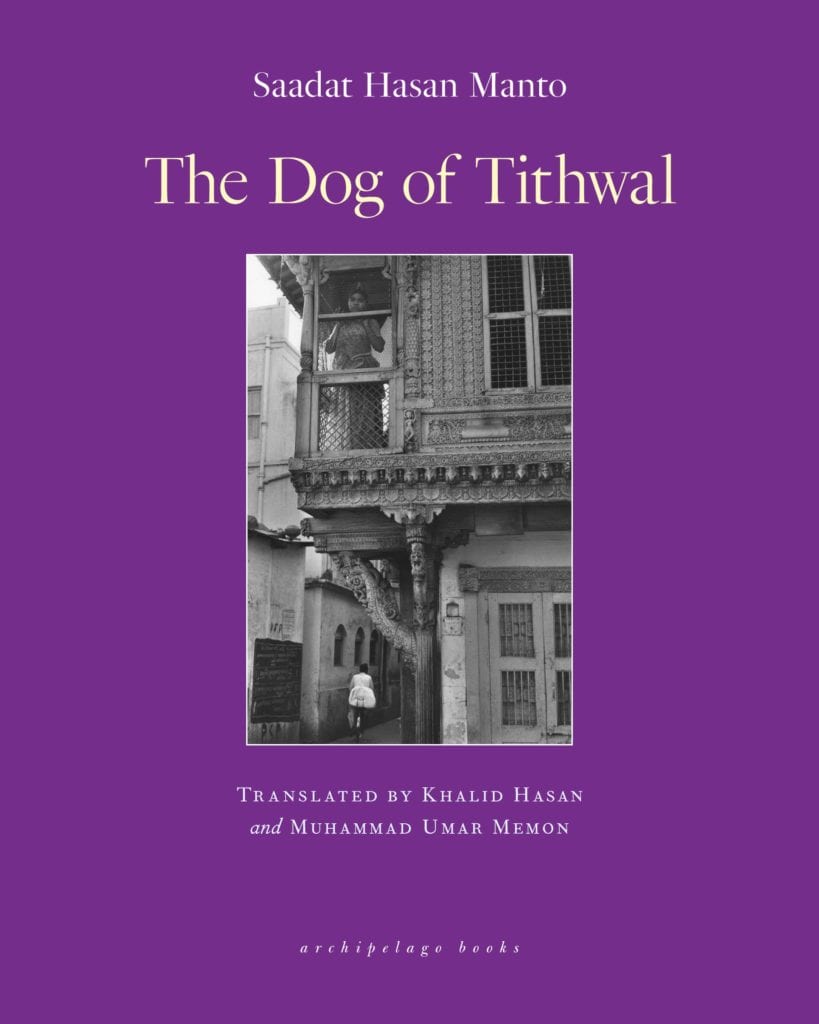
The Dog of Tithwal
Summary
On the mountainous border between India and Pakistan, two groups of soldiers face each other in a tense military standoff. Their routine is interrupted by the arrival of a stray dog, an innocent creature that wanders between the opposing camps. The soldiers begin to claim the dog as their own, giving it names and interpreting its movements as signs of loyalty or betrayal. What begins as a seemingly harmless game gradually turns sinister, exposing the absurdity of nationalism and the cruelty of a conflict in which even an animal cannot remain neutral. With biting irony and devastating simplicity, Saadat Hasan Manto transforms this brief encounter into a powerful allegory of Partition and the violence produced by artificial divisions. The story asks what happens to humanity when political identity becomes more important than compassion—and when the innocent are made to pay for the hostility of others.
Reviews
Login to leave a review.
No reviews yet. Be the first!
You might also like



- Published
- 2021
- Author
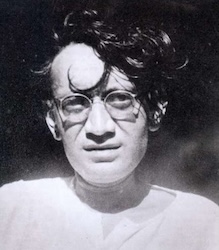
- Saadat Hasan Manto