Fiction
All countries
Afghanistan
Albania
Antigua and Barbuda
Argentina
Armenia
Australia
Austria
Azerbaijan
Bahamas
Bahrain
Bangladesh
Barbados
Belarus
Belgium
Belize
Bhutan
Bosnia and Herzegovina
Brazil
Brunei
Bulgaria
Cabo Verde
Canada
Central African Republic
Chile
China
Congo, Democratic Republic
Croatia
Cuba
Czech Republic
Denmark
Djibouti
Dominica
Dominican Republic
Ecuador
Egypt
Fiji
Finland
France
Georgia
Germany
Greece
Hungary
Iceland
India
Indonesia
Iran
Iraq
Ireland
Italy
Jamaica
Japan
Jordan
Kazakhstan
Kenya
Kuwait
Kyrgyzstan
Lebanon
Libya
Malaysia
Mexico
Morocco
Netherlands
New Zealand
Nigeria
Norway
Oman
Pakistan
Palestine
Panama
Peru
Philippines
Poland
Portugal
Romania
Russia
Saudi Arabia
Senegal
Singapore
Slovenia
Somalia
South Korea
Spain
Sri Lanka
Sudan
Sweden
Switzerland
Syria
Taiwan
Tanzania
Thailand
Türkiye
Turkmenistan
Ukraine
United Arab Emirates
United Kingdom
United States
Uzbekistan
Yemen
Zambia
1
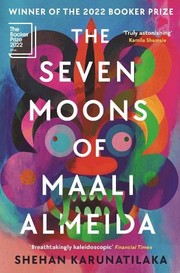
The Seven Moons of Maali Almeida
The Seven Moons of Maali Almeida follows Maali, a war photographer and gambler who awakens after his death in a mysterious afterlife. Set against the backdrop of Sri Lanka’s violent civil conflict in the 1980s, the novel gives Maali seven moons—or seven days—to discover who killed him and to help the people he loves find a collection of photographs that could expose atrocities committed during the war. As he navigates a bureaucratic and chaotic realm of the dead, he encounters other spirits and gradually confronts the dangers he faced while alive. Karunatilaka combines supernatural fiction, dark humour, and political satire to examine violence, corruption, and the struggle to preserve truth in a society marked by fear. The novel explores the responsibilities of witnessing, the power of evidence, and the difficulty of achieving justice when the dead have been denied a voice.
Sri Lanka
2022
2
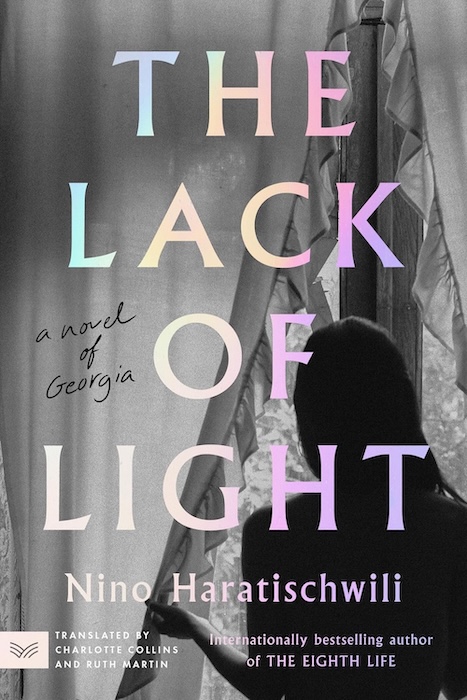
Lack of Light
The Lack of Light follows four women—Nene, Ira, Dina, and Keto—whose friendship begins in a Tbilisi courtyard during the final years of the Soviet Union. As they grow up, Georgia undergoes dramatic political and social transformations, including independence, civil conflict, and the rise of criminal networks. Each woman pursues a different future, but their lives remain bound together by shared memories, personal loyalties, and the consequences of choices made during their youth. Years later, a photographic exhibition devoted to Dina prompts Keto to revisit their intertwined histories and reconsider the events that shaped their friendship. Haratischwili portrays a generation coming of age amid uncertainty, where private hopes collide with political violence and social instability. The novel explores friendship, memory, loss, and the lasting impact of a society struggling to define itself after the collapse of an empire.
Georgia
2022
3
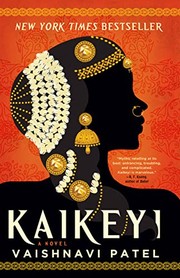
Kaikeyi
Kaikeyi reimagines the story of a controversial queen from the ancient Indian epic Ramayana, giving voice to a woman traditionally remembered as the villain responsible for Rama’s exile. Growing up as the only daughter of a king, Kaikeyi questions the restrictions placed upon women and longs to shape her own destiny. After discovering a mysterious power that allows her to influence the minds of others, she begins to challenge the patriarchal structures governing her world. Her marriage to King Dasharatha brings her into the centre of royal politics, where her ambitions and relationships become increasingly complicated. As she navigates motherhood, power, and loyalty, Kaikeyi must make decisions that will transform her family and the kingdom. Patel explores female agency, ambition, and the tension between personal freedom and social expectations, offering a nuanced portrait of a woman whose story has long been told by others.
India
2022
4
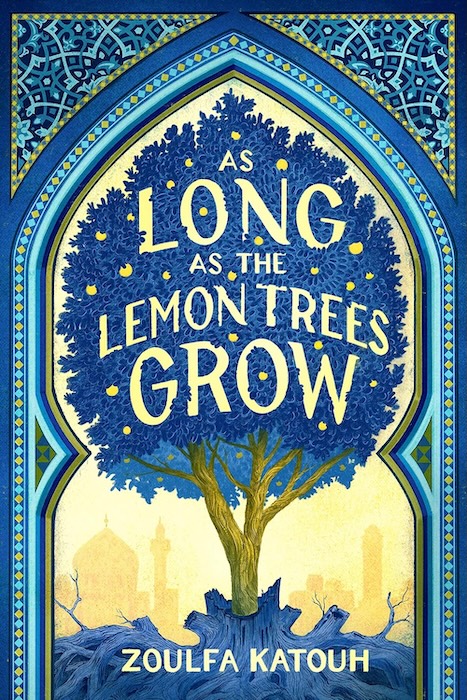
As Long As the Lemon Trees Grow
Set during the Syrian revolution and the ensuing civil war, As Long as the Lemon Trees Grow follows Salama, a young pharmacy student who becomes a medical volunteer in a hospital in Homs. Once hopeful about her future, she now witnesses the devastating effects of violence while struggling with the trauma of losing loved ones and the responsibility of protecting those who remain. Haunted by an imagined companion named Khawf, whose presence reflects her fear and inner conflict, Salama faces an agonising choice: stay in Syria to help her community or flee the country in search of safety. Her growing relationship with Kenan, a young man who dreams of a future beyond the war, offers a fragile source of hope. Katouh explores courage, grief, love, and the moral dilemmas faced by ordinary people caught in extraordinary circumstances.
Syria
2022
5

Wahala
Wahala follows three Nigerian-British women—Ronke, Simi, and Boo—who have been friends since university and are navigating their thirties in London. Ronke longs for a family of her own, Simi is trying to balance her marriage with her ambitions, and Boo struggles with the demands of motherhood and a life that feels increasingly disconnected from her former self. Their carefully balanced friendship begins to unravel when Isobel, a glamorous woman with Nigerian roots, enters their lives.
As Isobel becomes increasingly involved in their relationships, long-buried insecurities, secrets, and rivalries begin to surface. Blending dark humour with suspense, Nikki May’s novel explores the complexities of female friendship, cultural identity, race, class, and the expectations placed on women. Moving between British and Nigerian cultural influences, Wahala examines how the desire to belong—and the fear of being left behind—can make even the closest relationships vulnerable to manipulation and betrayal.
Nigeria
2022
6
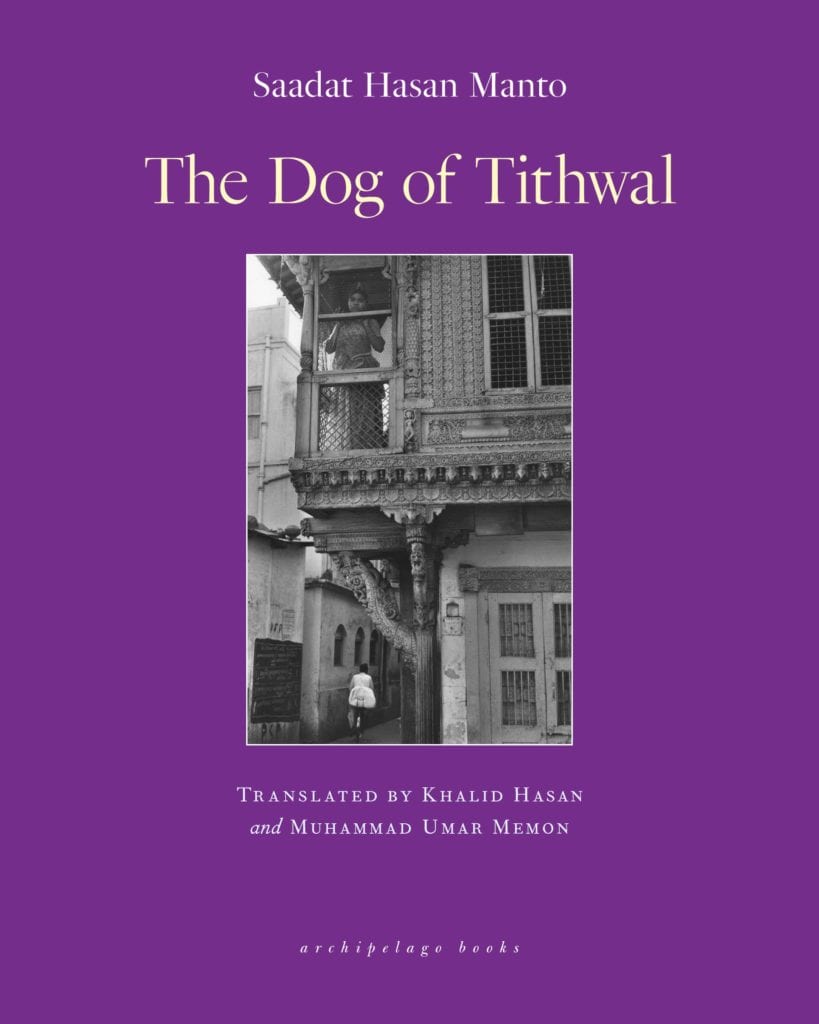
The Dog of Tithwal
On the mountainous border between India and Pakistan, two groups of soldiers face each other in a tense military standoff. Their routine is interrupted by the arrival of a stray dog, an innocent creature that wanders between the opposing camps. The soldiers begin to claim the dog as their own, giving it names and interpreting its movements as signs of loyalty or betrayal. What begins as a seemingly harmless game gradually turns sinister, exposing the absurdity of nationalism and the cruelty of a conflict in which even an animal cannot remain neutral. With biting irony and devastating simplicity, Saadat Hasan Manto transforms this brief encounter into a powerful allegory of Partition and the violence produced by artificial divisions. The story asks what happens to humanity when political identity becomes more important than compassion—and when the innocent are made to pay for the hostility of others.
Pakistan
2021
7
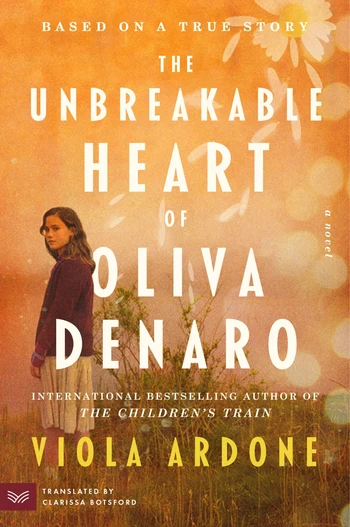
The Unbreakable Heart of Oliva Denaro
Sicily, 1960s. Fifteen-year-old Oliva Denaro loves running through the countryside and dreams of a life beyond the strict rules imposed on girls. But when a local boy decides he wants her, Oliva discovers how little control a young woman has over her own future in a society ruled by tradition and shame. Inspired by a true story, this moving novel follows Oliva’s courageous struggle to reclaim her freedom in a world that expects women to remain silent. Through her determination, Viola Ardone explores the cost of defiance and the extraordinary strength it takes to say no when everyone expects you to obey.
Italy
2021
8
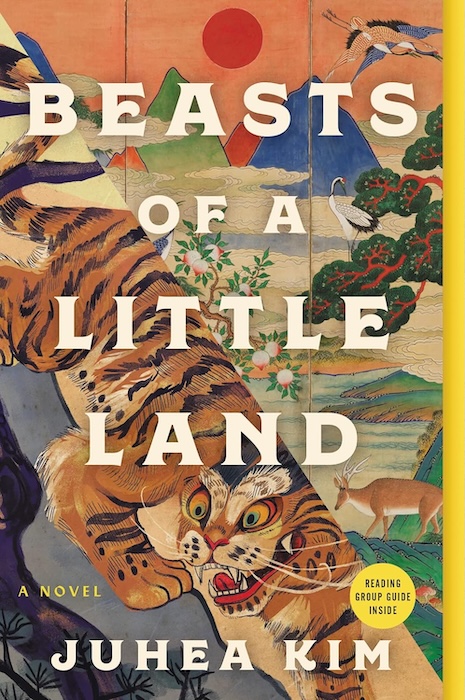
Beasts of a Little Land
In 1917, Korea is under Japanese colonial rule, and the lives of its people are shaped by poverty, violence, and the struggle for independence. When ten-year-old Jade is sold by her desperate family to a courtesan school in Pyongyang, she enters a world where survival depends on learning to navigate rigid social hierarchies. After fleeing to Seoul, she meets JungHo, an orphan boy struggling to survive on the streets. Their bond becomes a defining force in both their lives, even as their paths diverge and JungHo becomes involved in the resistance movement.
Spanning five decades, from the final years of the Korean Empire through colonial occupation and the upheavals of the twentieth century, this sweeping historical novel follows a cast of interconnected characters whose destinies are shaped by love, ambition, betrayal, and political turmoil. Moving between courtesan houses, bustling cities, and battle-scarred forests, the story explores what it means to fight for personal dignity and national freedom when the world seems determined to take both away.
South Korea
2021
9
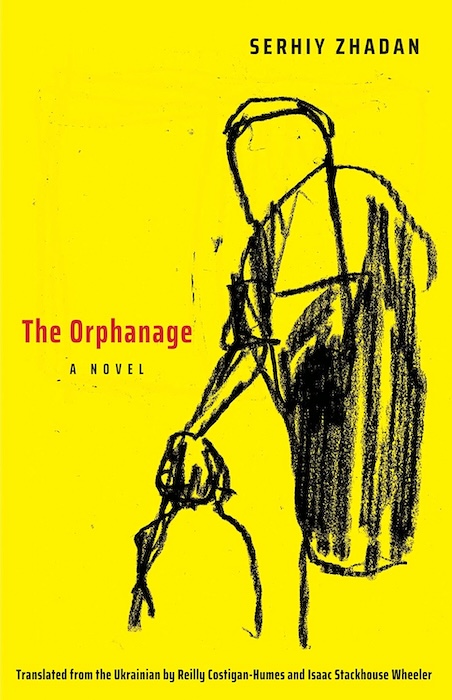
The Orphanage
Set in eastern Ukraine during the war in Donbas, The Orphanage follows Pasha, a thirty-five-year-old Ukrainian language teacher who has spent his life avoiding politics and keeping his distance from the conflicts around him. When fighting reaches a neighbouring city, he must cross the front line to retrieve his thirteen-year-old nephew, Sasha, from a boarding school that has become increasingly dangerous.
What should be a straightforward journey turns into a harrowing passage through a landscape devastated by shelling, military checkpoints, and collapsing infrastructure. As Pasha encounters soldiers, displaced civilians, and people struggling to survive, his familiar world becomes unrecognisable. With each step, he is forced to reconsider his loyalties, his responsibilities, and what it means to belong to a country at war.
Written with stark lyricism and an unflinching eye for everyday suffering, Zhadan’s novel portrays the human cost of armed conflict. Beyond the physical dangers, it explores indifference, moral responsibility, and the difficult realisation that remaining neutral may no longer be possible. The Orphanage won the 2022 EBRD Literature Prize.
Ukraine
2021
10
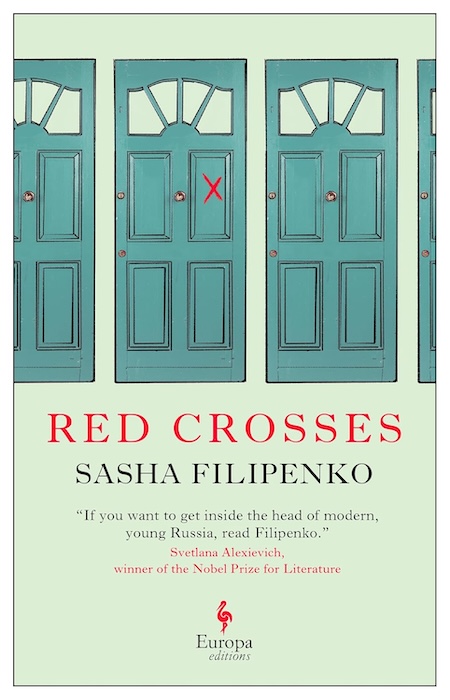
Red Crosses
Red Crosses tells the story of two people whose lives are shaped by tragedy, memory, and the lasting consequences of political repression. Alexander, a young man devastated by personal loss, moves to Minsk hoping to withdraw from the world. His plans change when he meets his elderly neighbour, Tatiana Alexeyevna, a woman in her nineties whose memory is gradually disappearing because of Alzheimer’s disease. To help herself navigate their apartment building, she marks doors with red crosses.
Despite her fading memory, Tatiana vividly recalls the horrors of twentieth-century Soviet history. She tells Alexander about her work during the Second World War, her husband’s capture by enemy forces, and her subsequent arrest and imprisonment in a labour camp under Stalin’s regime. As her story unfolds, Alexander becomes increasingly invested in preserving her memories before they disappear.
Through their unlikely friendship, Filipenko explores the relationship between personal grief and collective history. The novel examines political persecution, historical amnesia, and the importance of bearing witness to the past, suggesting that remembering those who suffered is an essential act of resistance.
Belarus
2021
11
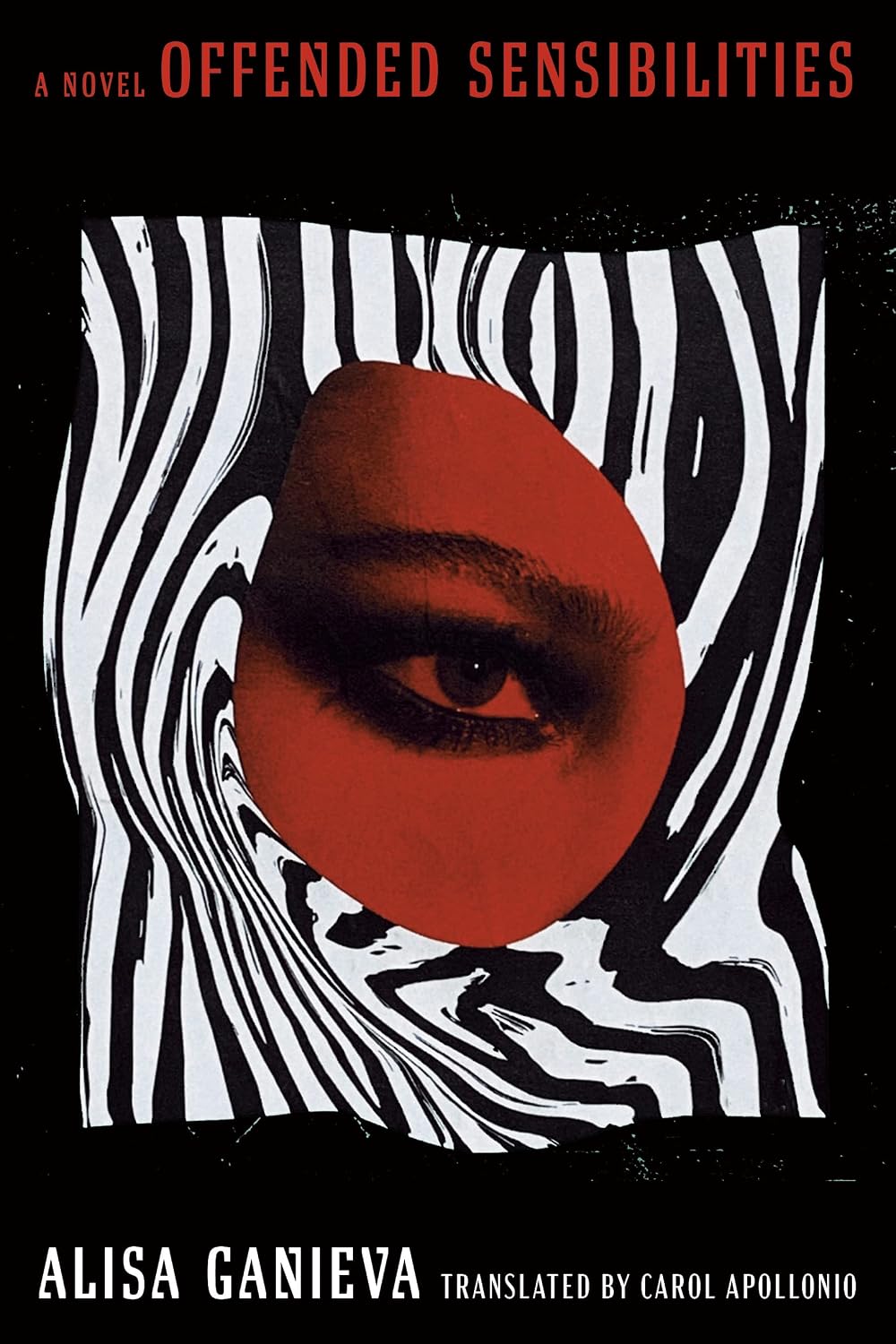
Offended Sensibilities
Offended Sensibilities is a darkly comic, neo-noir novel set in a provincial Russian town where a series of sudden deaths among local officials exposes a deeply dysfunctional system. The investigation unfolds against the backdrop of legislation criminalising forms of expression deemed offensive to religious believers. As the characters navigate corruption, political manoeuvring, religious nationalism, and personal hypocrisy, the line between justice and absurdity becomes increasingly blurred. Ganieva uses the mystery to examine a society in which public morality can become a tool of political control and where almost everyone has something to hide. Combining elements of crime fiction and political satire, the novel offers a sharp critique of contemporary Russian institutions and the contradictions between official values and private behaviour.
Russia
2021
12
Catch the Rabbit
Catch the Rabbit follows Lejla and Sara, two women who grew up together in Bosnia but became estranged as their lives took different directions. Years later, Lejla calls Sara and asks her to help find Armin, Lejla’s brother, who disappeared after leaving the country. Sara returns from Ireland, where she has built a new life, and the two women embark on a road trip through the former Yugoslavia. Their journey brings back memories of childhood, friendship, and the divisions created by the breakup of their country. As old grievances surface, they must confront the ways their personal histories have been shaped by ethnic identity, political violence, and the stories they tell themselves. Bastašić explores memory, belonging, and the fragility of friendship, revealing how the past can continue to govern the present even when people believe they have escaped it.
Bosnia and Herzegovina
2021