Fiction
All countries
Afghanistan
Albania
Antigua and Barbuda
Argentina
Armenia
Australia
Austria
Azerbaijan
Bahamas
Bahrain
Bangladesh
Barbados
Belarus
Belgium
Belize
Bhutan
Bosnia and Herzegovina
Brazil
Brunei
Bulgaria
Cabo Verde
Canada
Central African Republic
Chile
China
Congo, Democratic Republic
Croatia
Cuba
Czech Republic
Denmark
Djibouti
Dominica
Dominican Republic
Ecuador
Egypt
Fiji
Finland
France
Georgia
Germany
Greece
Hungary
Iceland
India
Indonesia
Iran
Iraq
Ireland
Italy
Jamaica
Japan
Jordan
Kazakhstan
Kenya
Kuwait
Kyrgyzstan
Lebanon
Libya
Malaysia
Mexico
Morocco
Netherlands
New Zealand
Nigeria
Norway
Oman
Pakistan
Palestine
Panama
Peru
Philippines
Poland
Portugal
Romania
Russia
Saudi Arabia
Senegal
Singapore
Slovenia
Somalia
South Korea
Spain
Sri Lanka
Sudan
Sweden
Switzerland
Syria
Taiwan
Tanzania
Thailand
Türkiye
Turkmenistan
Ukraine
United Arab Emirates
United Kingdom
United States
Uzbekistan
Yemen
Zambia
1
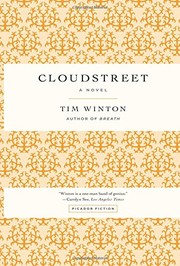
Cloudstreet
Cloudstreet tells the story of two working-class Australian families, the Pickles and the Lambs, who come to share a large, weathered house in Perth after separate family tragedies. Over two decades, their lives become intertwined through births, deaths, arguments, reconciliations, and everyday routines. The Pickles are impulsive and frequently unlucky, while the Lambs are guided by faith, discipline, and a strong sense of responsibility. Despite their differences, both families struggle with grief, poverty, and the desire to create a better future for their children. Winton combines realism, humour, folklore, and supernatural elements to portray the complexity of ordinary lives. The house itself becomes a powerful symbol of shared history, suggesting that healing and belonging can emerge from the unexpected connections between people.
Australia
1991
2
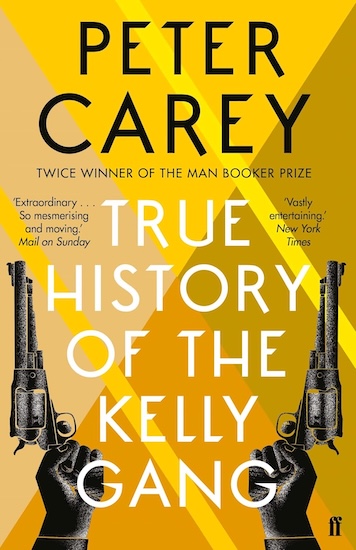
True History of the Kelly Gang
In True History of the Kelly Gang, Australian novelist Peter Carey reimagines the life of Ned Kelly, one of Australia’s most notorious historical outlaws, through a fictional autobiography written in Kelly’s own voice. Growing up in colonial Victoria during the nineteenth century, Ned experiences poverty, discrimination, and repeated confrontations with the authorities. His Irish family is treated with suspicion by the British colonial establishment, and his early encounters with the police help shape his growing resentment of a system he sees as unjust.
As Ned becomes a bushranger, he transforms from a struggling young man into a legendary outlaw whose exploits divide public opinion. To the authorities, he is a dangerous criminal; to some members of the impoverished colonial population, he represents resistance to oppression. Writing his account for the daughter he hopes will one day understand him, Ned attempts to reclaim his story from those who would define him as a villain.
Blending historical events with imaginative storytelling, Carey explores the relationship between truth and myth, the legacy of colonialism, and the ways poverty and injustice can shape a person’s destiny. Written in a distinctive vernacular style, the novel challenges readers to question who has the power to tell history and whose voices are remembered.
Australia
2000
3
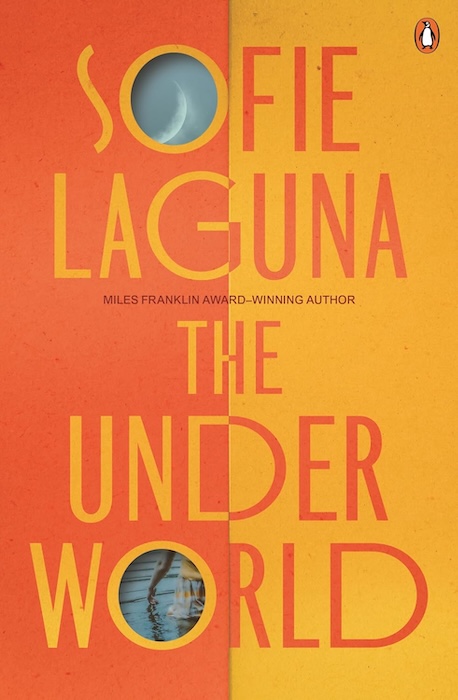
The Underworld
Martha Mullins has always felt like an outsider. Growing up with a glamorous but judgmental mother and a mostly absent father, she finds refuge in the myths of ancient Rome, discovering in the underworld and its gods a world that reflects her own feelings of isolation, desire and longing. As she navigates adolescence, Martha gradually discovers the joys of friendship, intimacy and the freedom of being understood by others. Her circle of friends introduces her to spontaneity, laughter and experiences that challenge her tendency to retreat into her imagination. But when events take a painful turn, Martha must confront the difficulties of growing up and the limits of the worlds she has created to protect herself. Following her intellectual and sexual awakening through school and into adulthood, Laguna’s novel explores loneliness, queer identity, grief and the search for belonging. Blending classical mythology with the emotional realities of contemporary life, The Underworld is a tender portrait of a young woman learning how to inhabit a world in which she can be herself.
Australia
2025
4
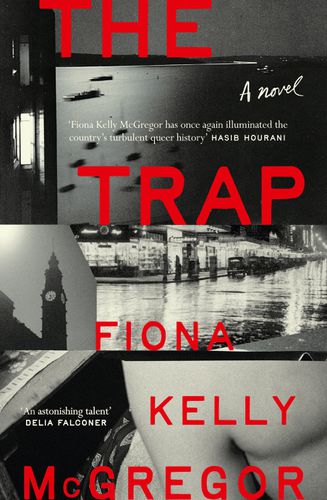
The Trap
Sydney, October 1942. As the Second World War transforms the city, blackouts, curfews, thriving black markets, and an influx of American servicemen create an atmosphere of opportunity and danger. Beneath the respectable surface of wartime society, nightclubs and underground bars offer refuge to people living outside conventional social norms. Among them is Ray Sayles, a nightclub manager whose encounter in the Domain, a public park in central Sydney, brings him to the attention of the police.
Detectives Thomas Carney and William Grigg are conducting a campaign against homosexual men, using entrapment in public toilets to manufacture arrests. As Ray becomes caught in their scheme, a scandal begins to expose the corruption and hypocrisy of those entrusted with upholding the law. Journalists, lawyers, and influential establishment figures become entangled in a struggle over truth, reputation, and justice.
Inspired by a real historical scandal, this compelling novel brings to life Sydney’s marginalised communities during wartime. Blending crime fiction with social history, McGregor examines institutional homophobia, police corruption, and the resilience of people forced to conceal their identities to survive. At its heart, The Trap asks who gets to define morality—and what happens when the law itself becomes an instrument of persecution.
Australia
2026
5
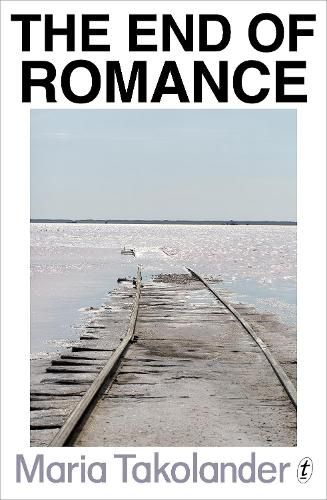
The End of Romance
Set in a dystopian future devastated by environmental collapse, The End of Romance follows a mother and her son as they struggle to survive in a world where nature has become hostile and human society is crumbling. Thorn-bearing plants dominate the landscape, toxic fogs make life increasingly dangerous, and communities face relentless hardship. While some people attempt to survive independently, others remain trapped within increasingly authoritarian systems.
The woman’s son attends a military school, like all boys his age. When he reaches sixteen, he will be sent to a distant planet known as the Promised Land to fight in a colonising war presented as humanity’s only hope for survival. Determined to protect her child, his mother begins questioning the world she has accepted. Her encounter with a mysterious young man who has somehow escaped conscription offers a possible route to sanctuary.
Combining dystopian fiction with unsettling social commentary, Takolander explores motherhood, sacrifice, environmental destruction, and the myths societies create to justify violence. The novel asks what it means to remain human when survival demands extraordinary moral compromises.
Australia
2026