Solitude & Exile
Meditations on isolation, exile, and the inner life.
All countries
Angola
Argentina
Australia
Austria
Belgium
Denmark
France
Germany
Hungary
Iran
Italy
Japan
Lebanon
Libya
Norway
Palestine
Portugal
Romania
Russia
South Korea
Spain
Taiwan
Türkiye
Ukraine
United States
1
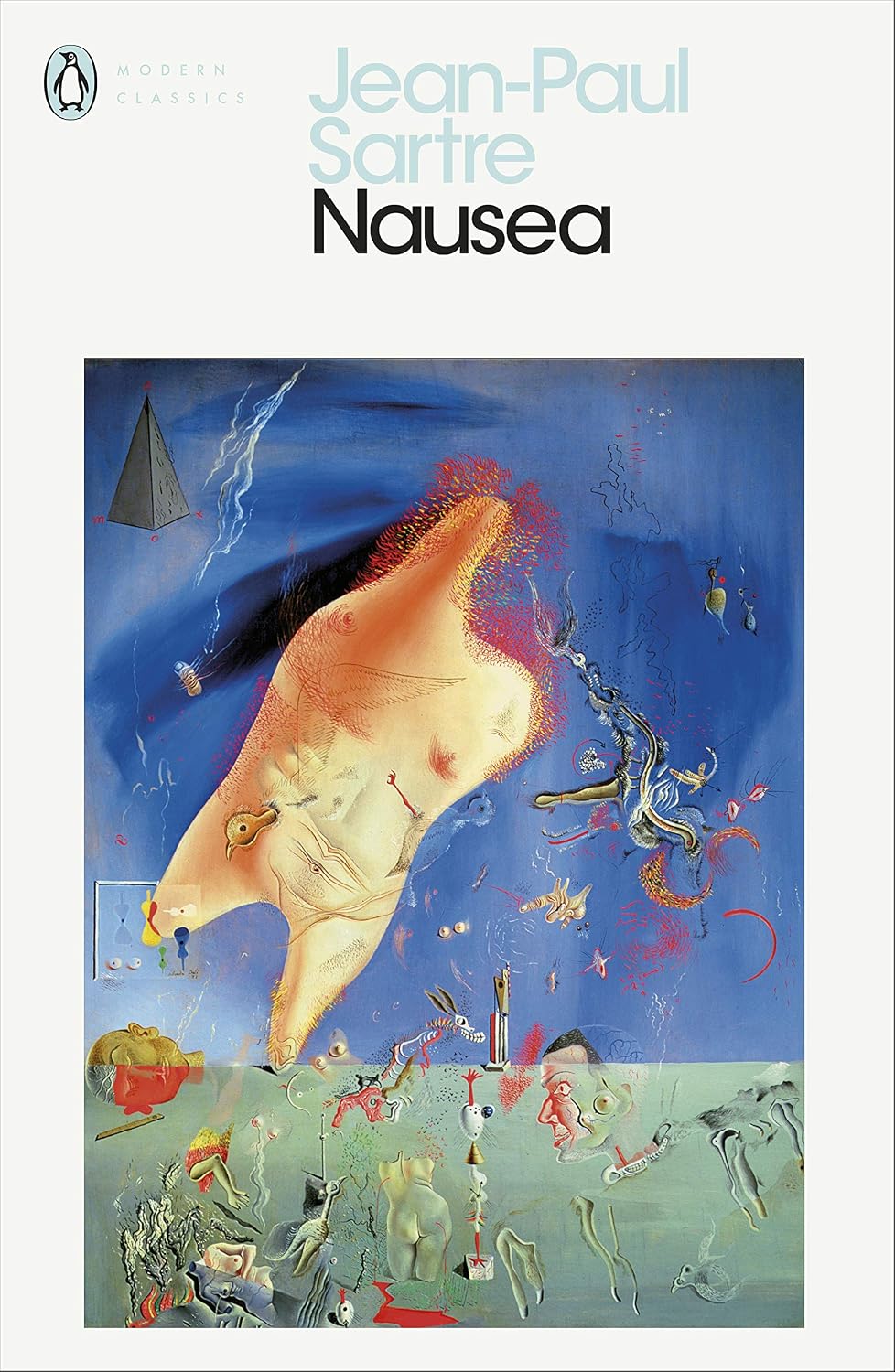
Nausea
A fascinating existentialist novel, written in the form of a journal, about a historian who moves to a small port in northern France to research a biography he is intending to write. Whilst there his senses become dulled and he becomes increasingly disgusted by his own existence, finding no solace with friends or a woman he begins an affair with.
France
1938
2
Blind Owl
The Blind Owl is a landmark of modern Persian literature, exploring obsession, alienation, and the fragile boundary between reality and imagination. The novella follows an unnamed narrator, a reclusive artist who paints pen cases and becomes consumed by the image of a mysterious, beautiful woman. After an unsettling encounter with her, he recounts a series of disturbing events in a fragmented, dreamlike narrative that gradually dissolves into hallucination, violence, and psychological torment.
Divided into two interconnected sections, the story moves between seemingly different realities, repeating images and experiences in ways that make it difficult to distinguish memory from fantasy. The narrator’s isolation deepens as he becomes trapped in cycles of obsession and despair, addressing his thoughts to a shadow resembling an owl.
Through surreal imagery and an unreliable narrator, Hedayat explores loneliness, mortality, and the disintegration of identity. Dark and unsettling, the novella remains a powerful examination of the human mind and the impossibility of escaping one’s inner world.
Iran
1937
3
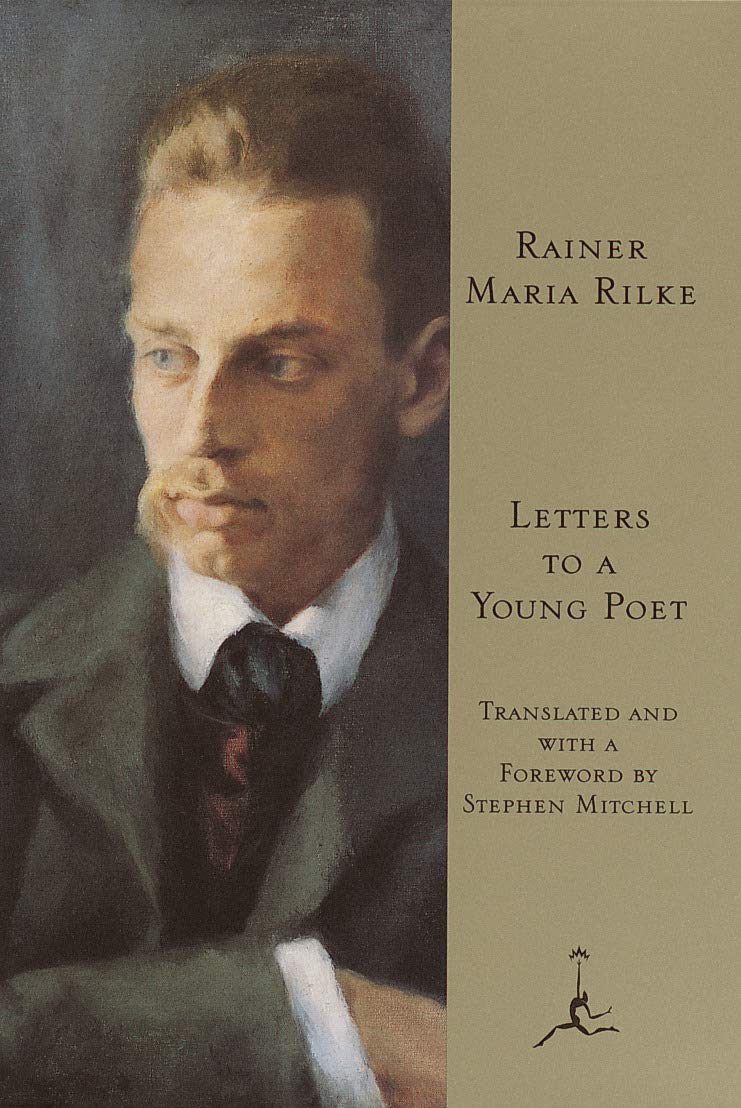
Letters to a Young Poet
Letters to a Young Poet is a collection of ten letters written by Rainer Maria Rilke to Franz Xaver Kappus, a young aspiring poet who sought his advice on writing and life. Composed between 1903 and 1908, the letters offer reflections on creativity, self-discovery, love, loneliness, and the challenges of becoming one’s own person. Rather than providing practical instructions on how to write poetry, Rilke encourages the young writer to look inward, trust his own experiences, and resist the pressure to seek validation from others.
At the heart of the collection is the idea that solitude can be a source of personal growth and artistic insight. Rilke also explores the complexity of love, describing it as a demanding process that requires two individuals to develop their independence rather than lose themselves in one another. Blending philosophical reflection with intimate advice, the letters offer a timeless meditation on patience, uncertainty, and the courage to live authentically.
Note: The letters were first published in book form in 1929, after Rilke’s death. He was born in Prague, then part of Austria-Hungary, in 1875.
Austria
1929
4
Sun Also Rises
The Sun Also Rises follows a group of American and British expatriates living in Europe after the First World War. Its narrator, Jake Barnes, is a journalist whose war injury has left him unable to pursue a conventional romantic relationship with Lady Brett Ashley, a charismatic woman whose independence and restlessness affect everyone around her. Their circle travels from Paris to the Spanish countryside, where fishing trips and the festivities of Pamplona’s bullfighting season offer temporary escape from emotional uncertainty. Beneath the characters’ drinking, flirtation, and restless movement lies a profound sense of disillusionment. Hemingway captures a generation struggling to find meaning after war, exploring unfulfilled desire, damaged masculinity, and the loneliness that can persist even among friends.
United States
1926
5
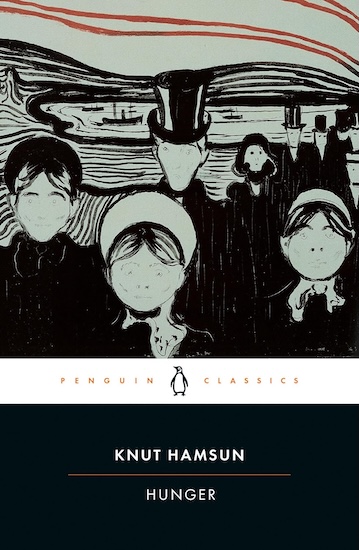
Hunger
Hunger follows an unnamed young writer wandering the streets of Kristiania, the city now known as Oslo, as he struggles with poverty and starvation. Determined to preserve his dignity and independence, he refuses to accept assistance even as his physical condition deteriorates. His hunger intensifies his emotional instability, leading to moments of grandiosity, shame, generosity, and irrational behaviour. Through his fragmented thoughts and unpredictable actions, Hamsun portrays the inner life of an individual whose desperate circumstances make ordinary social interactions increasingly difficult. The narrator’s pride becomes both a source of resistance and an obstacle to survival, revealing the psychological costs of extreme deprivation. The novel explores isolation, artistic ambition, and the fragile relationship between body and mind, offering an influential early example of psychological fiction that focuses on subjective experience rather than conventional plot.
Norway
1890
6
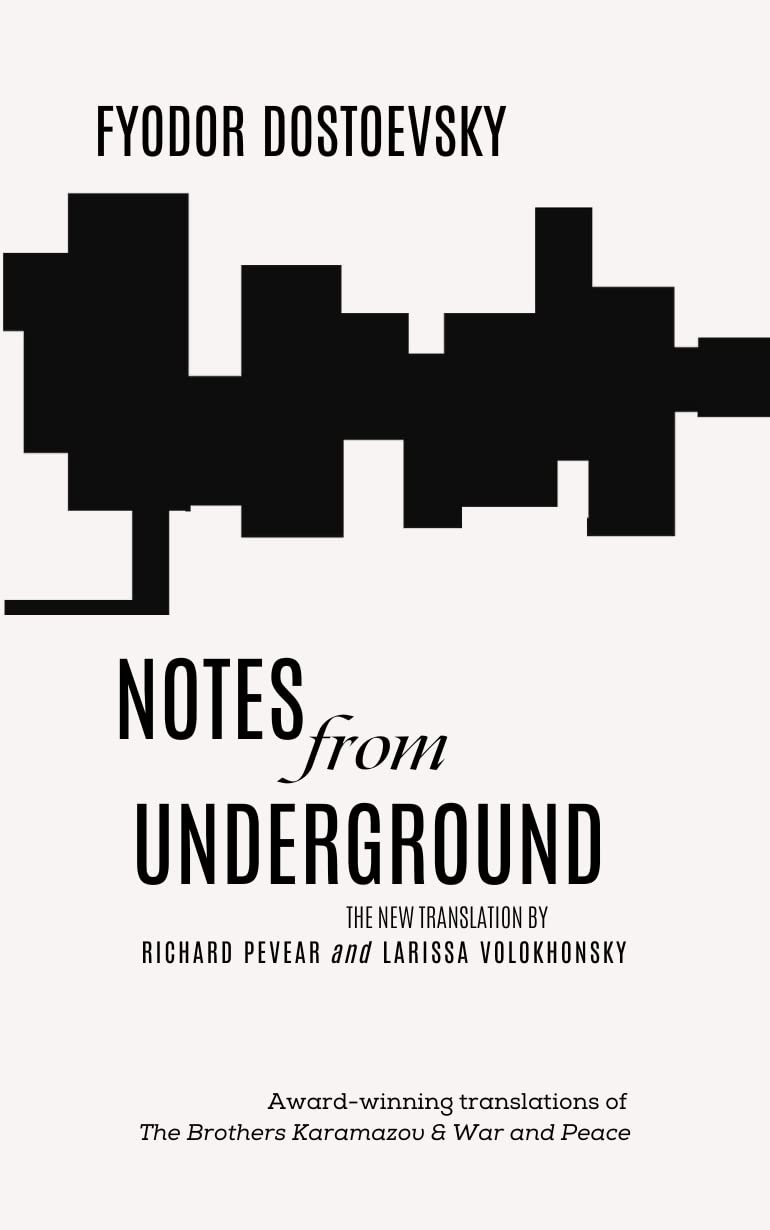
Notes from Underground
Notes from Underground is a psychological novella narrated by a bitter, isolated former civil servant living in St. Petersburg. Known only as the Underground Man, he addresses the reader directly, reflecting on his resentment toward society, his own contradictions, and his inability to form meaningful relationships. In the first part, he challenges the belief that human behaviour can be explained entirely through reason and self-interest, arguing that people may deliberately act against their own interests simply to assert their freedom.
The second part recounts episodes from his earlier life, including a humiliating encounter with former schoolmates and a disturbing relationship with Liza, a young woman working in a brothel. Although he briefly experiences the possibility of genuine human connection, his pride and fear of vulnerability lead him to reject it.
Through its unreliable narrator and intense introspection, Dostoevsky explores alienation, free will, self-sabotage, and the conflict between the desire for connection and the impulse to withdraw from the world.
Russia
1864
About this theme
- Books
- 30
- Countries
- 25
Countries with this theme
Angola
Africa
Argentina
South America
Australia
Oceania
Austria
Europe
Belgium
Europe
Denmark
Europe
France
Europe
Germany
Europe
Hungary
Europe
Iran
Asia
Italy
Europe
Japan
Asia
Lebanon
Asia
Libya
Africa
Norway
Europe
Palestine
Asia
Portugal
Europe
Romania
Europe
Russia
Europe
South Korea
Asia
Spain
Europe
Taiwan
Asia
Türkiye
Asia
Ukraine
Europe
United States
North America