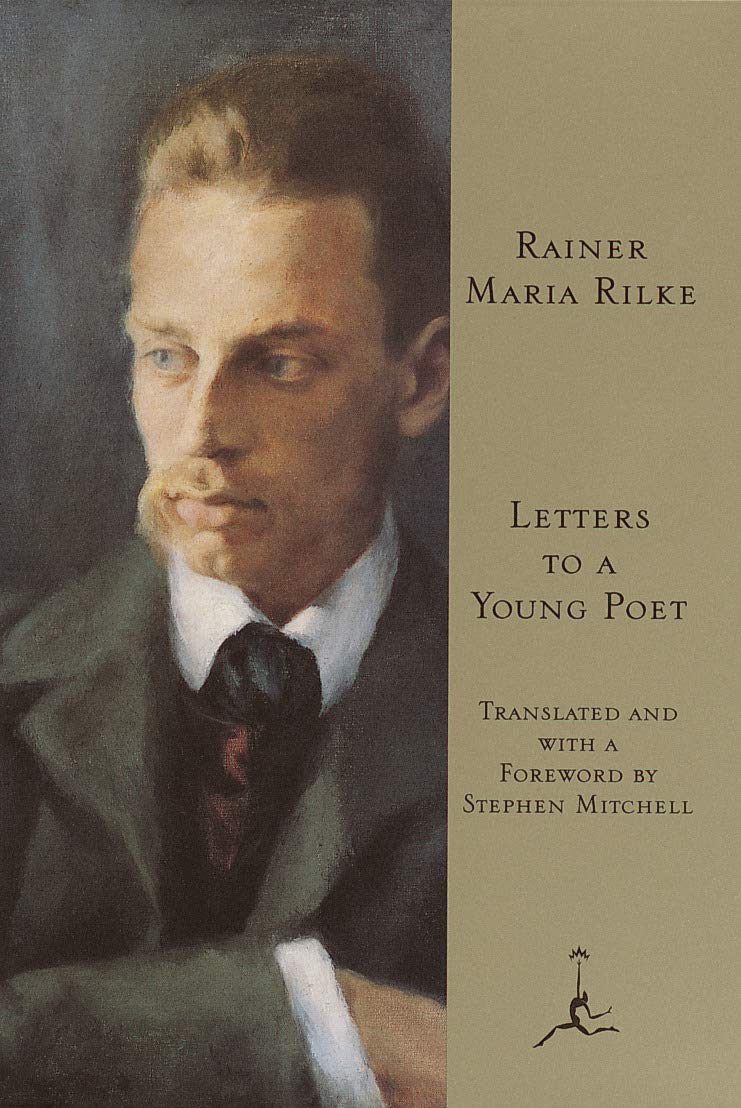
Letters to a Young Poet
Summary
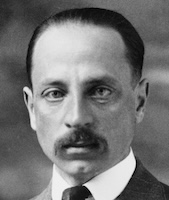
Letters to a Young Poet is a collection of ten letters written by Rainer Maria Rilke to Franz Xaver Kappus, a young aspiring poet who sought his advice on writing and life. Composed between 1903 and 1908, the letters offer reflections on creativity, self-discovery, love, loneliness, and the challenges of becoming one’s own person. Rather than providing practical instructions on how to write poetry, Rilke encourages the young writer to look inward, trust his own experiences, and resist the pressure to seek validation from others.
At the heart of the collection is the idea that solitude can be a source of personal growth and artistic insight. Rilke also explores the complexity of love, describing it as a demanding process that requires two individuals to develop their independence rather than lose themselves in one another. Blending philosophical reflection with intimate advice, the letters offer a timeless meditation on patience, uncertainty, and the courage to live authentically.
Note: The letters were first published in book form in 1929, after Rilke’s death. He was born in Prague, then part of Austria-Hungary, in 1875.
Reviews
Login to leave a review.
No reviews yet. Be the first!
You might also like
- Published
- 1929
- Author
- Rainer Maria Rilke