Solitude & Exile
Meditations on isolation, exile, and the inner life.
All countries
Angola
Argentina
Australia
Austria
Belgium
Denmark
France
Germany
Hungary
Iran
Italy
Japan
Lebanon
Libya
Norway
Palestine
Portugal
Romania
Russia
South Korea
Spain
Taiwan
Türkiye
Ukraine
United States
1
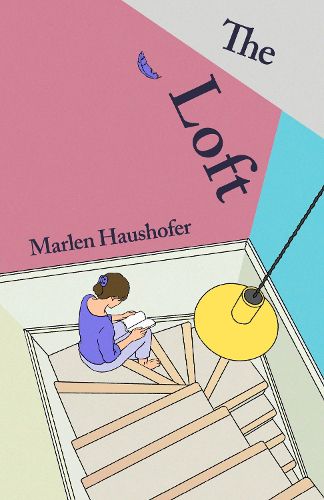
The Loft
In The Loft, an Austrian housewife finds refuge from her monotonous domestic life in an attic where she draws birds, insects and other creatures. Her marriage to Hubert, a dissatisfied lawyer, has settled into emotional distance, while her grown-up children have left home. Although her days appear ordinary, the narrator carries memories of a disturbing episode from twenty years earlier, when a sudden loss of hearing led her husband to send her to a remote cottage to recover. One day, mysterious packages arrive containing extracts from her old diary, forcing her to confront an experience she has tried to forget. As the past intrudes upon her carefully ordered present, the boundaries between memory, repression and self-understanding begin to shift. With quiet psychological intensity, Haushofer examines the loneliness hidden within conventional family life, the constraints placed on women, and the private spaces people create to preserve their individuality. The attic becomes both a sanctuary and a symbol of the narrator’s struggle to understand herself beyond the roles imposed upon her.
Austria
2011
2
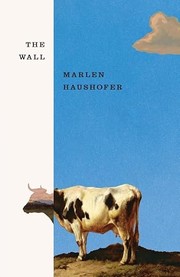
The Wall
The Wall follows an unnamed woman who becomes inexplicably isolated in the Austrian countryside after an invisible, impenetrable wall suddenly separates her from the rest of the world. On the other side, all human life appears to have vanished. Trapped in a remote mountain valley with only a dog, a cow, and a few other animals for company, she must learn to survive without any hope of rescue.
As the seasons pass, the woman develops routines to secure food, gather firewood, and care for her animals. Her solitary existence forces her to confront the essentials of life while reflecting on her former identity, human relationships, and the society she has left behind. The natural world becomes both her refuge and her greatest challenge, offering moments of beauty alongside hunger, exhaustion, and danger.
Through its restrained, diary-like narration, Haushofer explores isolation, survival, freedom, and humanity’s relationship with nature. The novel also questions the assumptions of modern civilization, revealing how solitude can transform a person’s understanding of herself and the world.
Austria
1963
3
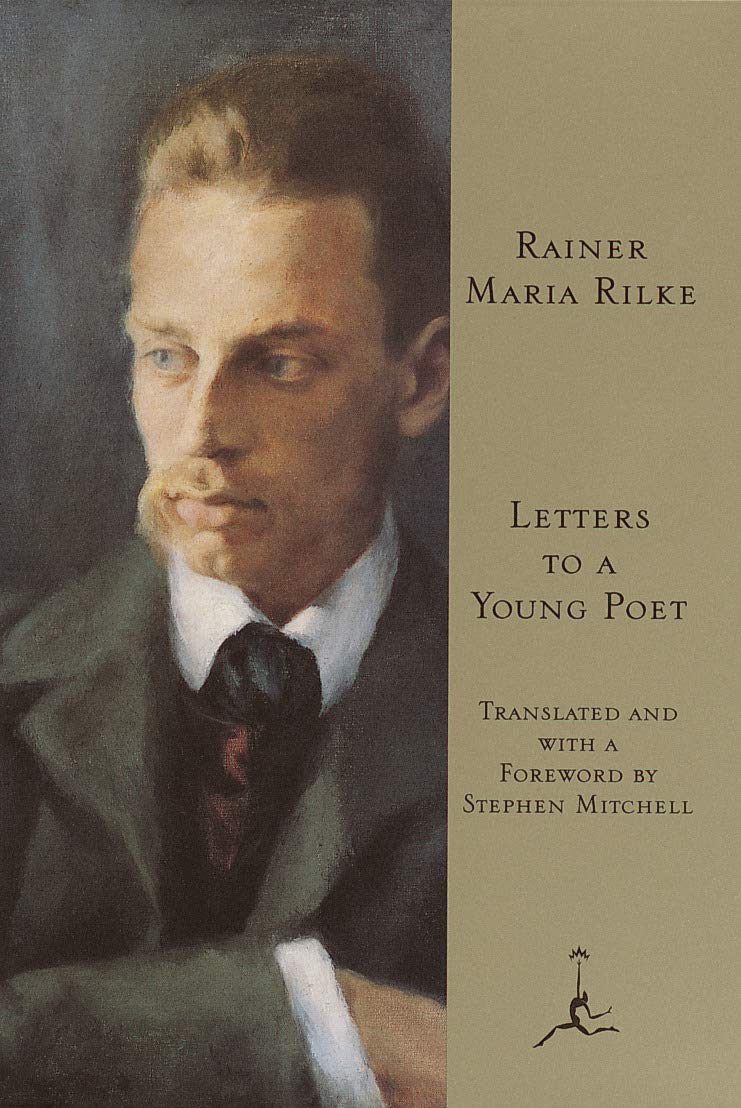
Letters to a Young Poet
Letters to a Young Poet is a collection of ten letters written by Rainer Maria Rilke to Franz Xaver Kappus, a young aspiring poet who sought his advice on writing and life. Composed between 1903 and 1908, the letters offer reflections on creativity, self-discovery, love, loneliness, and the challenges of becoming one’s own person. Rather than providing practical instructions on how to write poetry, Rilke encourages the young writer to look inward, trust his own experiences, and resist the pressure to seek validation from others.
At the heart of the collection is the idea that solitude can be a source of personal growth and artistic insight. Rilke also explores the complexity of love, describing it as a demanding process that requires two individuals to develop their independence rather than lose themselves in one another. Blending philosophical reflection with intimate advice, the letters offer a timeless meditation on patience, uncertainty, and the courage to live authentically.
Note: The letters were first published in book form in 1929, after Rilke’s death. He was born in Prague, then part of Austria-Hungary, in 1875.
Austria
1929
About this theme
- Books
- 3
- Countries
- 25
Countries with this theme
Angola
Africa
Argentina
South America
Australia
Oceania
Austria
Europe
Belgium
Europe
Denmark
Europe
France
Europe
Germany
Europe
Hungary
Europe
Iran
Asia
Italy
Europe
Japan
Asia
Lebanon
Asia
Libya
Africa
Norway
Europe
Palestine
Asia
Portugal
Europe
Romania
Europe
Russia
Europe
South Korea
Asia
Spain
Europe
Taiwan
Asia
Türkiye
Asia
Ukraine
Europe
United States
North America