Solitude & Exile
Meditations on isolation, exile, and the inner life.
All countries
Angola
Argentina
Australia
Austria
Belgium
Denmark
France
Germany
Hungary
Iran
Italy
Japan
Lebanon
Libya
Norway
Palestine
Portugal
Romania
Russia
South Korea
Spain
Taiwan
Türkiye
Ukraine
United States
1
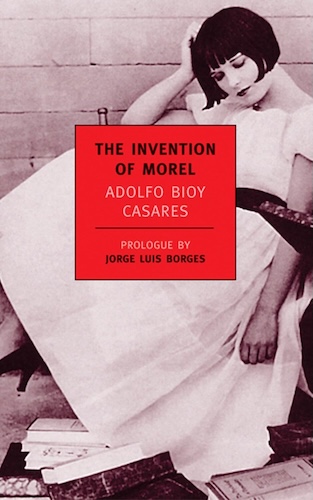
The Invention of Morel
The Invention of Morel follows a fugitive who seeks refuge on a seemingly deserted island, where he discovers a group of people behaving as though he does not exist. Among them is Faustine, a woman whose presence fascinates him, though she remains unaware of him. As he investigates the mysterious inhabitants, he uncovers a strange invention that challenges the boundaries between reality, memory, and illusion. Blending philosophical speculation with elements of science fiction and mystery, Adolfo Bioy Casares explores the human desire to overcome mortality and preserve love beyond the limits of physical existence. The novel raises unsettling questions about consciousness, the nature of reality, and the price of eternal life.
Argentina
2003
2
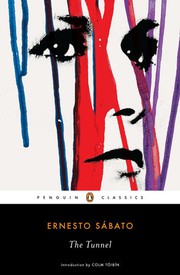
The Tunnel
The Tunnel is a psychological novel narrated by Juan Pablo Castel, an Argentine painter who confesses to murdering María Iribarne. From his prison cell, he recounts the events that led to the crime, beginning with an encounter at an art exhibition. Castel becomes fascinated by María after noticing that she is the only person who understands a small but meaningful detail in one of his paintings.
Convinced that they share a rare connection, Castel becomes increasingly obsessed with her. His longing to be understood gradually turns into jealousy, suspicion, and paranoia, making it impossible for him to distinguish genuine intimacy from his own fears. As his relationship with María deteriorates, he retreats further into isolation.
Through its unreliable narrator and claustrophobic atmosphere, Sábato explores alienation, obsession, and the human desire to be understood. The tunnel becomes a metaphor for Castel’s isolated inner world, in which he remains trapped despite his desperate search for connection.
Argentina
1948
About this theme
- Books
- 2
- Countries
- 25
Countries with this theme
Angola
Africa
Argentina
South America
Australia
Oceania
Austria
Europe
Belgium
Europe
Denmark
Europe
France
Europe
Germany
Europe
Hungary
Europe
Iran
Asia
Italy
Europe
Japan
Asia
Lebanon
Asia
Libya
Africa
Norway
Europe
Palestine
Asia
Portugal
Europe
Romania
Europe
Russia
Europe
South Korea
Asia
Spain
Europe
Taiwan
Asia
Türkiye
Asia
Ukraine
Europe
United States
North America