Love & Passion
Stories of romance, desire, and the bonds that connect us across cultures.
All countries
Austria
Azerbaijan
Brazil
Canada
China
Colombia
Côte d’Ivoire (Ivory Coast)
Denmark
Egypt
France
Germany
Iceland
India
Iran
Iraq
Ireland
Japan
Kyrgyzstan
Mexico
Norway
Pakistan
Palestine
Philippines
Romania
Russia
Saudi Arabia
Spain
Sweden
Taiwan
Tanzania
Türkiye
United Kingdom
United States
1
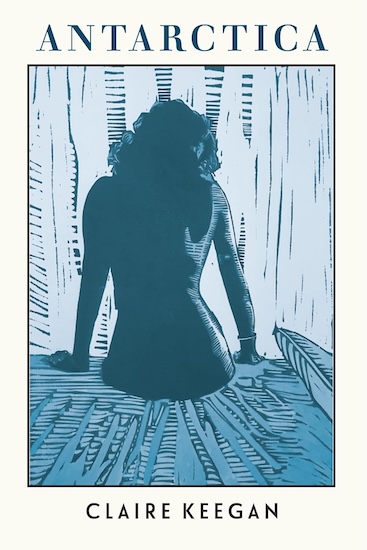
Antarctica
In her debut short-story collection, Claire Keegan examines the fragile boundaries between desire, loyalty, and betrayal. The opening story follows a married woman who travels away from home to discover what it might feel like to sleep with another man. Other stories introduce characters whose lives are unsettled by obsession, revenge, loneliness, and the sudden return of people from their past. A missing child, a long-awaited meeting between former lovers, and the uneasy dynamics within families reveal how quickly familiar worlds can become strange.
Moving between Ireland and the United States, these stories capture people at moments when their private desires collide with the expectations of others. Keegan writes with striking precision, balancing compassion with an unsparing eye for human weakness. Her characters are neither entirely innocent nor entirely cruel; instead, they inhabit the complicated territory between longing and consequence. Antarctica announced Keegan as a distinctive literary voice, exploring the unsettling truth that even ordinary lives can conceal extraordinary emotional danger.
Ireland
1999
2
The Map of Love
The Map of Love weaves together two love stories separated by a century, exploring the connections between personal relationships and political history in Egypt. In 1997, American journalist Isabel Parkman travels to Egypt with a mysterious collection of letters, diaries, and photographs belonging to her great-grandmother, Anna Winterbourne. The documents reveal Anna’s journey to Egypt in 1900, where she falls in love with Sharif al-Baroudi, an Egyptian nationalist and aristocrat. As Isabel and her Egyptian-American lover, Omar, investigate their ancestors’ story, they uncover a history shaped by British colonial rule, cultural misunderstandings, and the struggle for Egyptian independence. Moving between past and present, Ahdaf Soueif explores love across cultural boundaries, the legacy of colonialism, and the complexities of identity and belonging. The novel reveals how intimate relationships can illuminate the broader forces that shape nations and generations.
Egypt
1999
3
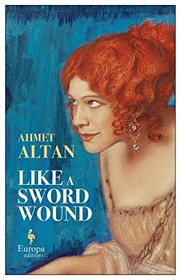
Like a Sword Wound
Like a Sword Wound opens Ahmet Altan’s Ottoman Quartet, a historical series exploring the final decades of the Ottoman Empire and the emergence of modern Turkey. Set against political upheaval and the decline of imperial authority, the novel follows a cast of characters whose personal desires conflict with the traditions and expectations of their society. Among them are an Ottoman army officer, members of the royal household, and a Turkish aristocrat whose attraction to a conservative religious leader challenges her independent life in Paris. Their relationships unfold amid betrayal, shifting loyalties, and the growing influence of Western ideas. Altan combines historical drama with intimate explorations of love, sexuality, and power, revealing how political transformation changes both public institutions and private relationships. The novel examines the tension between modernity and tradition in a society struggling to determine its future.
Türkiye
1998
4
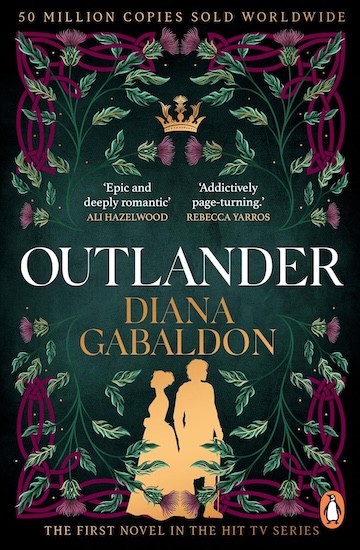
Outlander
Outlander follows Claire Randall, a former Second World War nurse who, while visiting the Scottish Highlands in 1945, mysteriously travels back in time to 1743. Stranded in a world of political unrest and clan rivalries, Claire must navigate unfamiliar customs and dangerous circumstances while searching for a way to return to her own time. She becomes entangled with Jamie Fraser, a young Scottish warrior whose courage and compassion challenge her loyalties and transform her life. As their relationship deepens, Claire faces an impossible choice between the husband she left behind in the twentieth century and the love she discovers in the past. Blending historical fiction, romance, adventure, and time travel, Gabaldon explores love, loyalty, survival, and the ways personal choices become intertwined with the course of history.
United States
1998
5
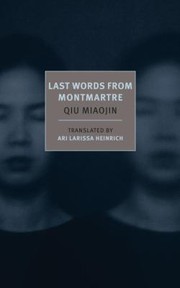
Last Words From Montmartre
Last Words from Montmartre is an experimental, semi-autobiographical novel told through a series of letters written by a young Taiwanese writer named Zoë. Addressing friends and loved ones, Zoë reflects on her relationships, sexuality, artistic ambitions, and growing sense of alienation while moving between Taiwan and Paris. As her emotional world becomes increasingly unstable, the letters reveal the difficulties of reconciling romantic desire with personal freedom and the longing to be understood by others.
Blending fiction, autobiography, philosophical reflection, and intimate confession, Qiu Miaojin explores the complexities of queer identity, heartbreak, and the search for meaning in a world that can feel profoundly isolating. The fragmented structure mirrors the narrator’s shifting emotional states, allowing memories, dreams, and observations to coexist without a conventional narrative progression. Written with remarkable intensity and vulnerability, the novel captures the transformative and sometimes destructive power of love while questioning the boundaries between life, art, and self-expression.
Taiwan
1996
6
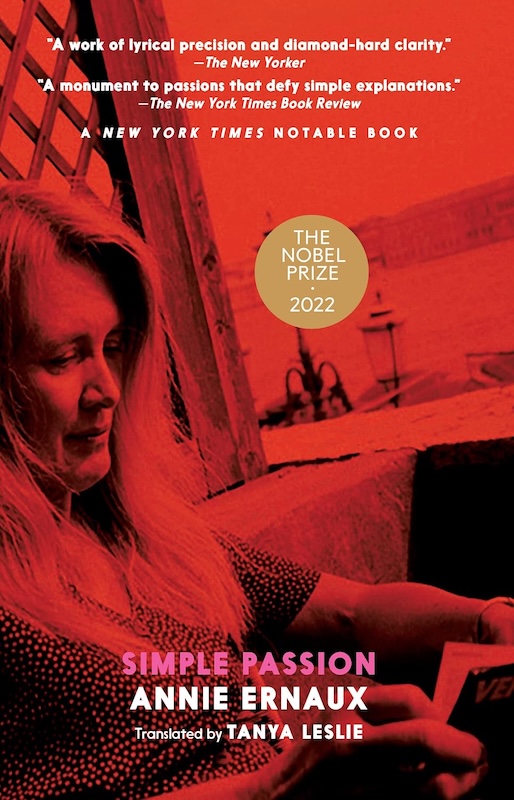
Simple Passion
Simple Passion is a concise, intensely personal account of a woman’s consuming affair with a married man. The narrator, an educated French woman, describes how her relationship gradually takes over her existence, shaping her thoughts, routines, and sense of time. Waiting for her lover’s phone calls and anticipating their meetings become the organising principles of her life, while ordinary activities lose their significance in comparison with the possibility of seeing him again.
Drawing on her own experiences, Annie Ernaux examines desire with remarkable honesty and emotional precision, refusing to romanticise or condemn the narrator’s obsession. She explores the vulnerability of surrendering oneself to another person, as well as the ways passion can disrupt independence and alter one’s perception of reality. Blending autobiography with detached observation, the book challenges conventional ideas about female desire, dignity, and romantic love. Its direct, unembellished prose transforms a deeply private experience into a broader reflection on the power of longing and the consuming nature of passion.
France
1991
7
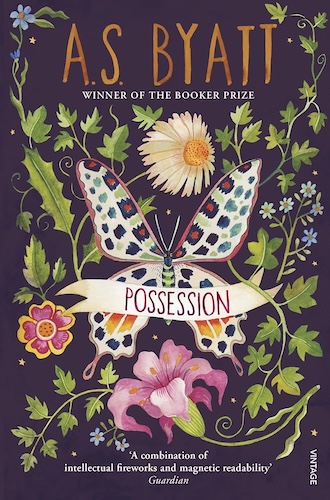
Possession
What if a forgotten love affair hidden in old letters could change everything you thought you knew about the past? When young literary scholar Roland Michell discovers a mysterious letter written by the celebrated Victorian poet Randolph Henry Ash, he begins investigating a secret that could transform literary history. Joined by Maud Bailey, an expert on the lesser-known poet Christabel LaMotte, Roland follows a trail of letters, diaries, and poems that reveals a passionate relationship between two writers whose lives were never meant to be connected. As the scholars uncover the truth, their own feelings begin to mirror those of the poets they study. Blending romance, mystery, and literary intrigue, Possession is a captivating exploration of love, obsession, and the stories history leaves behind. The novel won the 1990 Booker Prize.
United Kingdom
1990
8
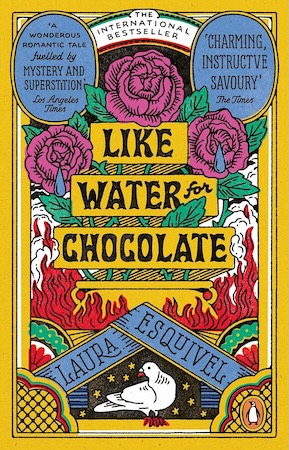
Like Water for Chocolate
Set in Mexico during the Mexican Revolution, Like Water for Chocolate tells the story of Tita de la Garza, a young woman whose passion for cooking is inseparable from her emotions. Bound by a family tradition that forbids her from marrying because she must care for her mother until her death, Tita is prevented from marrying Pedro, the man she loves. When Pedro marries her sister to remain close to Tita, their lives become entangled in longing, jealousy, and forbidden desire. Through magical realism, Esquivel transforms Tita’s cooking into a powerful expression of her feelings, with her dishes mysteriously affecting everyone who eats them. Blending romance, family conflict, and Mexican culinary traditions, the novel explores the struggle between individual desire and social expectations, celebrating the transformative power of love, food, and female independence.
Mexico
1989
9
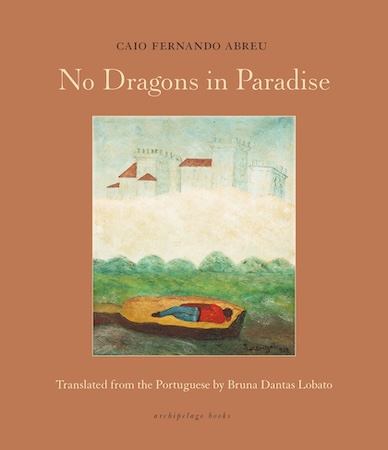
No Dragons in Paradise
Love can be intoxicating, terrifying, and impossible to escape. In this collection of thirteen interconnected stories, Caio Fernando Abreu explores the lives of people searching for intimacy in a world that often leaves them feeling invisible. A boy experiences the overwhelming intensity of his first crush; a drag queen searches for connection in the night; a lonely son visits his mother; and two men discover unexpected tenderness in the darkness. Moving between desire, heartbreak, loneliness, and moments of ecstatic possibility, Abreu portrays characters who refuse to surrender their longing for love, even when society rejects them. Music, astrology, dreams, and popular culture weave through these stories, creating a sensuous, almost psychedelic portrait of urban Brazil. Written during the shadow of military dictatorship and at the dawn of the AIDS crisis, the collection gives voice to outsiders whose experiences were frequently marginalised. Tender, restless, and unapologetically queer, it celebrates the fragile beauty of being alive and loving another person.
Brazil
1988
10
Norwegian Wood
Norwegian Wood follows Toru Watanabe, a university student in Tokyo who looks back on his youth and the relationships that shaped him. Haunted by the suicide of his closest friend, Kizuki, Toru becomes emotionally involved with Naoko, Kizuki’s former girlfriend, whose own grief makes intimacy difficult. At the same time, he meets Midori, an outspoken and independent young woman whose warmth and vitality offer a different vision of life. Torn between the past and the possibility of a new beginning, Toru struggles to understand love, loss, and responsibility. Set against the social changes of late-1960s Japan, Murakami explores loneliness, mental suffering, and the fragile connections that help people endure difficult periods. The novel captures the uncertainty of growing up and the lasting influence of relationships that cannot always be preserved.
Japan
1987
11
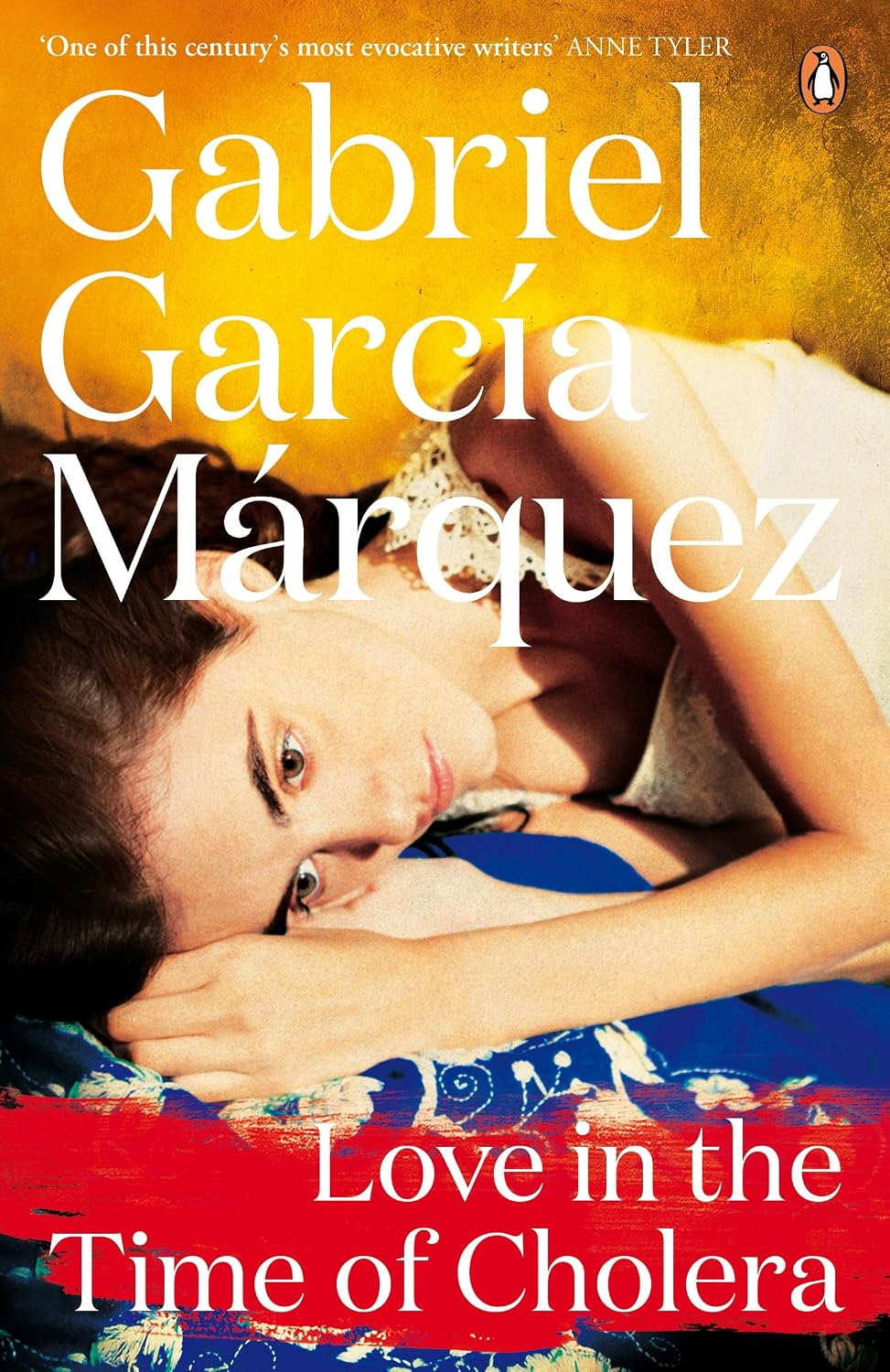
Love in the Time of Cholera
Love in the Time of Cholera follows Florentino Ariza and Fermina Daza, whose youthful romance is interrupted when Fermina chooses to marry the respectable doctor Juvenal Urbino. Florentino remains devoted to her for decades, sustaining his hope of being reunited with her while pursuing numerous other relationships. As time passes, the characters confront ageing, social expectations, desire, and the changing meaning of commitment. Set in a Caribbean city inspired by Colombia, the novel examines the many forms love can take, from idealised romantic longing to companionship shaped by shared experience. García Márquez questions whether love can survive the passage of time and whether passion in old age can be as transformative as the feelings of youth.
Colombia
1985
12
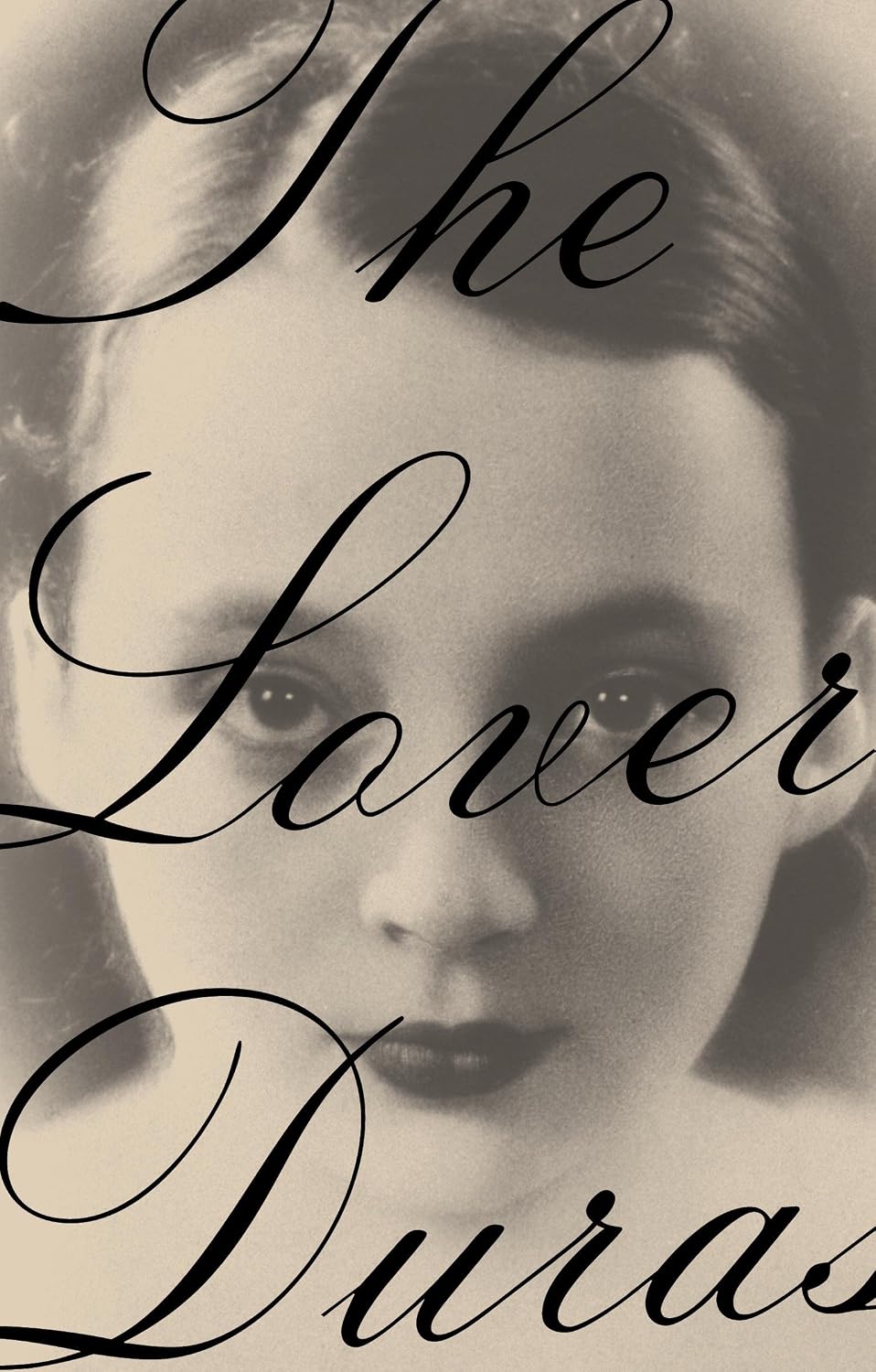
The Lover
The Lover is an autobiographical novel set in French colonial Indochina in the late 1920s. It follows a fifteen-year-old French girl from a financially struggling family who begins a relationship with a wealthy Chinese man several years older than her. Their encounter takes place against a backdrop of racial divisions, colonial hierarchies, and social conventions that shape their lives and determine how their relationship is perceived.
Through fragmented memories and lyrical, introspective prose, Marguerite Duras explores desire, shame, power, and the complicated dynamics of intimacy. The narrator’s relationship with her lover becomes entangled with her difficult family life, particularly her strained relationship with her mother and brothers. As she reflects on the experience from adulthood, memory transforms the story into an examination of how love and sexuality shape identity. Both intimate and unsentimental, the novel reveals the inequalities embedded in colonial society while questioning the boundaries between personal history, desire, and the stories people tell about their past.
France
1984
About this theme
- Books
- 62
- Countries
- 33
Countries with this theme
Austria
Europe
Azerbaijan
Asia
Brazil
South America
Canada
North America
China
Asia
Colombia
South America
Côte d’Ivoire (Ivory Coast)
Africa
Denmark
Europe
Egypt
Africa
France
Europe
Germany
Europe
Iceland
Europe
India
Asia
Iran
Asia
Iraq
Asia
Ireland
Europe
Japan
Asia
Kyrgyzstan
Asia
Mexico
North America
Norway
Europe
Pakistan
Asia
Palestine
Asia
Philippines
Asia
Romania
Europe
Russia
Europe
Saudi Arabia
Asia
Spain
Europe
Sweden
Europe
Taiwan
Asia
Tanzania
Africa
Türkiye
Asia
United Kingdom
Europe
United States
North America