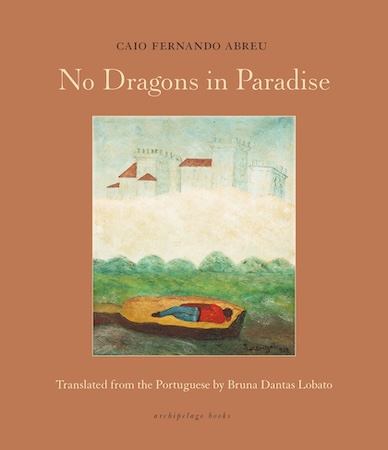
No Dragons in Paradise
Summary
Love can be intoxicating, terrifying, and impossible to escape. In this collection of thirteen interconnected stories, Caio Fernando Abreu explores the lives of people searching for intimacy in a world that often leaves them feeling invisible. A boy experiences the overwhelming intensity of his first crush; a drag queen searches for connection in the night; a lonely son visits his mother; and two men discover unexpected tenderness in the darkness. Moving between desire, heartbreak, loneliness, and moments of ecstatic possibility, Abreu portrays characters who refuse to surrender their longing for love, even when society rejects them. Music, astrology, dreams, and popular culture weave through these stories, creating a sensuous, almost psychedelic portrait of urban Brazil. Written during the shadow of military dictatorship and at the dawn of the AIDS crisis, the collection gives voice to outsiders whose experiences were frequently marginalised. Tender, restless, and unapologetically queer, it celebrates the fragile beauty of being alive and loving another person.
Reviews
Login to leave a review.
No reviews yet. Be the first!
You might also like





- Published
- 1988
- Author
- Caio Fernando Abreu