Freedom & Resistance
Voices of resistance, liberation, and the fight for justice.
All countries
Afghanistan
Albania
Algeria
Argentina
Australia
Belgium
Brazil
Burkina Faso
Central African Republic
Czech Republic
Dominican Republic
Egypt
France
Greece
Hungary
Iceland
India
Iran
Ireland
Italy
Japan
Jordan
Kenya
Kuwait
Malta
Morocco
Oman
Pakistan
Palestine
Philippines
Puerto Rico
Romania
Russia
Rwanda
South Africa
South Korea
Spain
Türkiye
Turkmenistan
United Kingdom
United States
Uruguay
Uzbekistan
Yemen
Zambia
1
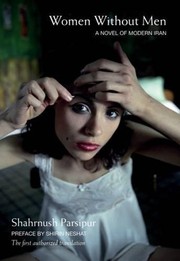
Women Without Men
Set in Iran against the backdrop of the 1953 coup d’état, Women Without Men follows the interconnected lives of five women whose experiences reflect the restrictions placed on women by family, marriage, and society. Among them are Munis, a woman longing to escape her brother’s control; Faizeh, her friend who dreams of marriage; Mahdokht, a woman troubled by conventional expectations of femininity; Farrokhlaqa, a wealthy housewife seeking a different life; and Zarrinkolah, a sex worker who begins to question the world around her.
Their individual journeys eventually lead them to a garden on the outskirts of Tehran, where they attempt to create a life beyond the rules that have governed them. Blending magical realism, mysticism, and historical events, Parsipur explores female autonomy, sexuality, and the search for identity. Through surreal transformations and symbolic storytelling, the novella imagines the possibility of women reclaiming their bodies, choices, and futures.
Iran
1989
2
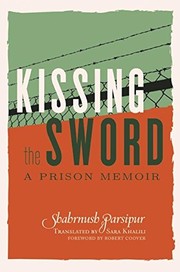
Kissing the Sword: A Prison Memoir
In Kissing the Sword, Iranian writer Shahrnush Parsipur recounts her experiences as a political prisoner in post-revolutionary Iran. Following the 1979 Iranian Revolution, the new authorities began detaining people associated with opposing political views. Parsipur herself was imprisoned without formal charges, experiencing the fear, uncertainty, and psychological strain of incarceration.
Through vivid personal recollections, she describes life inside Iranian prisons, including encounters with fellow prisoners, interrogations, ideological disputes, and the harsh treatment of detainees. Her memoir also explores the restrictions imposed on women, particularly debates surrounding religious authority, dress, and individual autonomy.
Combining painful memories with moments of dark humour and reflection, Parsipur examines the relationship between political power and personal freedom. The book is both a record of her own experiences and a broader meditation on censorship, resistance, and the resilience required to preserve one’s voice under repression.
Iran
2013
3
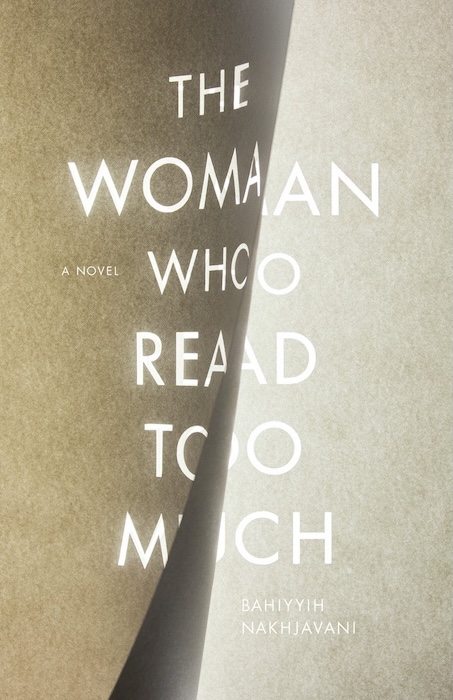
The Woman Who Read Too Much
Set in nineteenth-century Persia, The Woman Who Read Too Much reimagines the life of Táhirih Qurratu’l-Ayn, a celebrated poet, scholar and religious revolutionary who challenged the conventions of her time. Known as the poetess of Qazvin, Táhirih unsettles the ruling establishment through her intellect, her writings and her defiance of religious orthodoxy. In a society where women’s education and independence are tightly restricted, her ability to read, think and speak openly becomes both a source of inspiration and a perceived threat to those in power. Nakhjavani tells Táhirih’s story through the perspectives of four women: the Shah’s mother, the mayor’s wife, the Shah’s sister and Táhirih’s daughter. Their contrasting accounts reveal how power, fear, loyalty and rumour shape the telling of history. Blending historical events with imaginative storytelling, the novel explores the price of intellectual freedom and the courage required to challenge entrenched authority.
Iran
2015
4
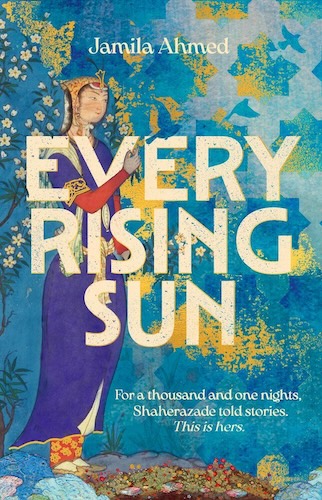
Every Rising Sun: A Retelling of The One Thousand and One Nights
Before Shaherazade became the legendary storyteller who captivated a king for a thousand and one nights, she was a young woman whose words set an empire ablaze. In twelfth-century Persia, Shaherazade discovers a dangerous secret about the king’s wife, Fataneh. When she reveals the truth, the king’s fury unleashes a wave of executions, as he begins marrying and beheading a new bride each night. Haunted by the consequences of her actions, Shaherazade volunteers to become his next wife, determined to stop the bloodshed. Armed with her intelligence, political instincts, and extraordinary gift for storytelling, she begins weaving tales that keep the king listening until dawn. But survival demands more than captivating stories: as courtly intrigues intensify and the Crusades threaten the region, Shaherazade must navigate a world of shifting alliances, dangerous desires, and ruthless power. Reimagining one of literature’s most enduring legends, Every Rising Sun celebrates the power of storytelling, the resilience of women, and the courage to challenge a fate that seems inevitable.
Iran
2023
5
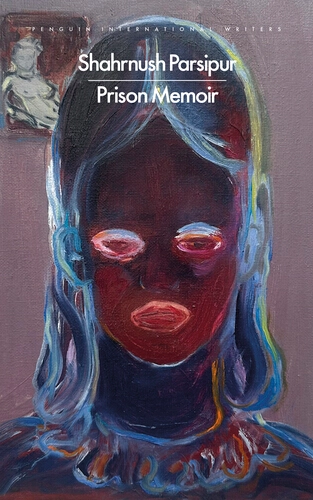
Prison Memoir
What does it mean to remain free in a place designed to take away your freedom? In this unflinching memoir, Iranian writer Shahrnush Parsipur recounts her experiences of imprisonment under both the Shah’s regime and the Islamic Republic. Arrested four times, including a period of nearly five years in prison without formal charges, she witnesses the fear, cruelty, and ideological divisions that shape life behind bars. Yet her account is not simply a record of suffering. With remarkable candour, irony, and unexpected humour, Parsipur reflects on the absurdities of political repression, the lives of fellow prisoners, and her own struggle to understand the forces transforming her country. Combining personal testimony with sharp social observation, Prison Memoir offers a powerful portrait of a woman who refuses to surrender her independence of thought, even when the state attempts to silence her.
Iran
2027
About this theme
- Books
- 5
- Countries
- 45
Countries with this theme
Afghanistan
Asia
Albania
Europe
Algeria
Africa
Argentina
South America
Australia
Oceania
Belgium
Europe
Brazil
South America
Burkina Faso
Africa
Central African Republic
Africa
Czech Republic
Europe
Dominican Republic
North America
Egypt
Africa
France
Europe
Greece
Europe
Hungary
Europe
Iceland
Europe
India
Asia
Iran
Asia
Ireland
Europe
Italy
Europe
Japan
Asia
Jordan
Asia
Kenya
Africa
Kuwait
Asia
Malta
Europe
Morocco
Africa
Oman
Asia
Pakistan
Asia
Palestine
Asia
Philippines
Asia
Puerto Rico
South America
Romania
Europe
Russia
Europe
Rwanda
Africa
South Africa
Africa
South Korea
Asia
Spain
Europe
Türkiye
Asia
Turkmenistan
Asia
United Kingdom
Europe
United States
North America
Uruguay
South America
Uzbekistan
Asia
Yemen
Asia
Zambia
Africa