Freedom & Resistance
Voices of resistance, liberation, and the fight for justice.
All countries
Afghanistan
Albania
Algeria
Argentina
Australia
Belgium
Brazil
Burkina Faso
Central African Republic
Czech Republic
Dominican Republic
Egypt
France
Greece
Hungary
Iceland
India
Iran
Ireland
Italy
Japan
Jordan
Kenya
Kuwait
Malta
Morocco
Oman
Pakistan
Palestine
Philippines
Puerto Rico
Romania
Russia
Rwanda
South Africa
South Korea
Spain
Türkiye
Turkmenistan
United Kingdom
United States
Uruguay
Uzbekistan
Yemen
Zambia
1
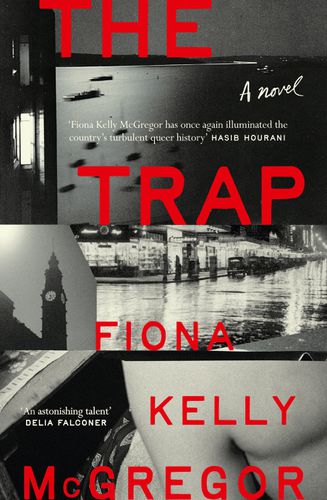
The Trap
Sydney, October 1942. As the Second World War transforms the city, blackouts, curfews, thriving black markets, and an influx of American servicemen create an atmosphere of opportunity and danger. Beneath the respectable surface of wartime society, nightclubs and underground bars offer refuge to people living outside conventional social norms. Among them is Ray Sayles, a nightclub manager whose encounter in the Domain, a public park in central Sydney, brings him to the attention of the police.
Detectives Thomas Carney and William Grigg are conducting a campaign against homosexual men, using entrapment in public toilets to manufacture arrests. As Ray becomes caught in their scheme, a scandal begins to expose the corruption and hypocrisy of those entrusted with upholding the law. Journalists, lawyers, and influential establishment figures become entangled in a struggle over truth, reputation, and justice.
Inspired by a real historical scandal, this compelling novel brings to life Sydney’s marginalised communities during wartime. Blending crime fiction with social history, McGregor examines institutional homophobia, police corruption, and the resilience of people forced to conceal their identities to survive. At its heart, The Trap asks who gets to define morality—and what happens when the law itself becomes an instrument of persecution.
Australia
2026
2
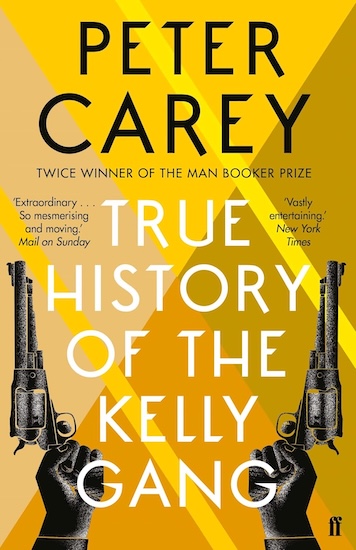
True History of the Kelly Gang
In True History of the Kelly Gang, Australian novelist Peter Carey reimagines the life of Ned Kelly, one of Australia’s most notorious historical outlaws, through a fictional autobiography written in Kelly’s own voice. Growing up in colonial Victoria during the nineteenth century, Ned experiences poverty, discrimination, and repeated confrontations with the authorities. His Irish family is treated with suspicion by the British colonial establishment, and his early encounters with the police help shape his growing resentment of a system he sees as unjust.
As Ned becomes a bushranger, he transforms from a struggling young man into a legendary outlaw whose exploits divide public opinion. To the authorities, he is a dangerous criminal; to some members of the impoverished colonial population, he represents resistance to oppression. Writing his account for the daughter he hopes will one day understand him, Ned attempts to reclaim his story from those who would define him as a villain.
Blending historical events with imaginative storytelling, Carey explores the relationship between truth and myth, the legacy of colonialism, and the ways poverty and injustice can shape a person’s destiny. Written in a distinctive vernacular style, the novel challenges readers to question who has the power to tell history and whose voices are remembered.
Australia
2000
About this theme
- Books
- 2
- Countries
- 45
Countries with this theme
Afghanistan
Asia
Albania
Europe
Algeria
Africa
Argentina
South America
Australia
Oceania
Belgium
Europe
Brazil
South America
Burkina Faso
Africa
Central African Republic
Africa
Czech Republic
Europe
Dominican Republic
North America
Egypt
Africa
France
Europe
Greece
Europe
Hungary
Europe
Iceland
Europe
India
Asia
Iran
Asia
Ireland
Europe
Italy
Europe
Japan
Asia
Jordan
Asia
Kenya
Africa
Kuwait
Asia
Malta
Europe
Morocco
Africa
Oman
Asia
Pakistan
Asia
Palestine
Asia
Philippines
Asia
Puerto Rico
South America
Romania
Europe
Russia
Europe
Rwanda
Africa
South Africa
Africa
South Korea
Asia
Spain
Europe
Türkiye
Asia
Turkmenistan
Asia
United Kingdom
Europe
United States
North America
Uruguay
South America
Uzbekistan
Asia
Yemen
Asia
Zambia
Africa