Poetry
All countries
Austria
Azerbaijan
Bosnia and Herzegovina
Djibouti
El Salvador
India
Lebanon
Morocco
Pakistan
Palestine
Portugal
Russia
Sweden
Uzbekistan
1
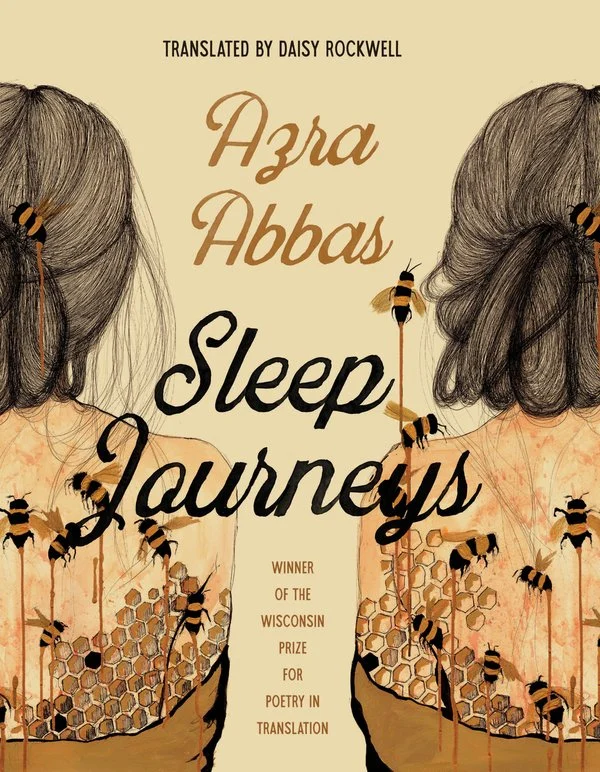
Sleep Journeys
First published in 1981, Sleep Journeys is a groundbreaking long-form prose poem that explores the hidden landscapes of a woman’s inner life. Moving through the shifting territory between sleep and wakefulness, dreams and reality, Azra Abbas examines faith, female desire, sexuality, and the subconscious with startling intimacy. Divided into three cantos, the work unfolds through recurring images, fragmented thoughts, and poetic repetitions rather than a conventional narrative. Its seemingly simple language conceals a complex emotional world in which private fantasies and suppressed desires emerge alongside questions of identity, spirituality, and the constraints placed on women. When Abbas first published the poem, her experimental approach challenged established expectations of Urdu poetry, particularly its traditional forms and conventions. The result is both intimate and radical: a work that gives voice to thoughts and desires rarely expressed openly, transforming the private experience of a woman into a profound meditation on consciousness and freedom. More than four decades after its original publication, Sleep Journeys remains a landmark of modern Urdu feminist literature.
Pakistan
2026
2
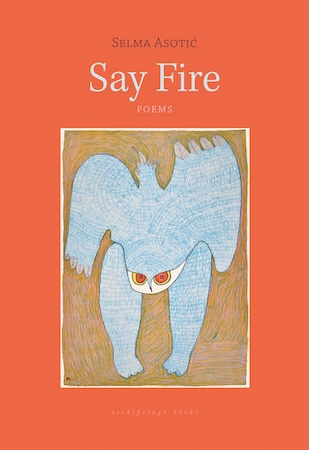
Say Fire
What does it mean to inherit a war you can never fully leave behind? In this powerful debut poetry collection, Bosnian poet Selma Asotić explores the lingering wounds of the Bosnian War, tracing how violence becomes embedded in family histories, bodies, and memories. Through vivid, fragmented poems, she moves between childhood recollections, the grief of losing loved ones, the troubled legacy of a soldier uncle, and the search for intimacy in a world shaped by conflict. Her writing also embraces lesbian desire, female solidarity, and the complicated relationship between a daughter and her mother. Fire becomes both a destructive force and a symbol of resistance—a language for experiences that ordinary words cannot contain. Moving between tenderness and anger, silence and confession, Asotić asks whether poetry can recover what history has shattered. Say Fire is a deeply personal exploration of survival, belonging, and the struggle to reclaim one’s voice from the ruins of the past.
Bosnia and Herzegovina
2025
3
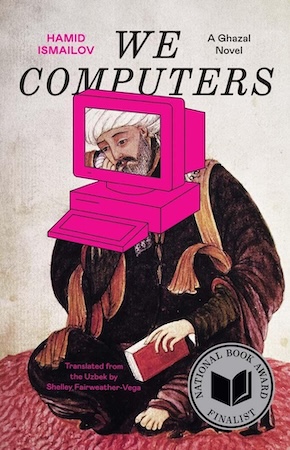
We Computers: A Ghazal Novel
Set in the late 1980s, We Computers follows Jon-Perse, a French poet and psychologist who becomes fascinated by the possibilities of computer technology. With the help of his Uzbek translator, Abdulhamid Ismail, he develops a program designed to analyze and generate poetry. Yet the machine’s literary experiments open doors to worlds far beyond its code, weaving together philosophy, history, mysticism, and human longing.
Drawing on the Persian poet Hafez, Sufi literature, French surrealism, and Central Asian storytelling, Hamid Ismailov creates an unconventional novel that moves through ideas and narratives like a literary labyrinth. Inspired by the ghazal—a poetic form traditionally associated with love and longing—the book explores the boundaries between human creativity and artificial intelligence, questioning who can claim authorship and whether literature can transcend the limits of its creator. It is a playful, intellectually adventurous meditation on poetry’s ability to connect cultures and centuries.
Uzbekistan
2025
4
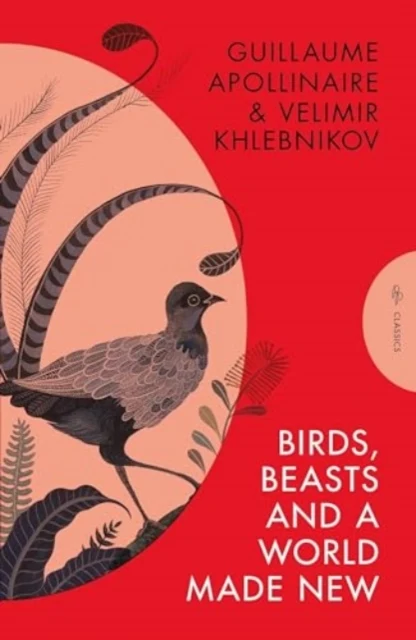
Birds, Beasts and a World Made New
What happens when poetry refuses to obey the rules of language, logic, and reality? This collection brings together two visionary poets who helped reshape modern literature: Russian Futurist Velimir Khlebnikov and French avant-garde writer Guillaume Apollinaire. Moving between animals, art, love, revolution, war, and the mysteries of time, their poems reveal radically different ways of seeing the world. Khlebnikov experiments with language and explores the hidden patterns of history, while Apollinaire blends lyrical beauty with daring modernist invention. Translated by Robert Chandler, this collection invites readers into a world where words become experiments, familiar things turn strange, and poetry imagines entirely new possibilities for human experience.
Russia
2024
5
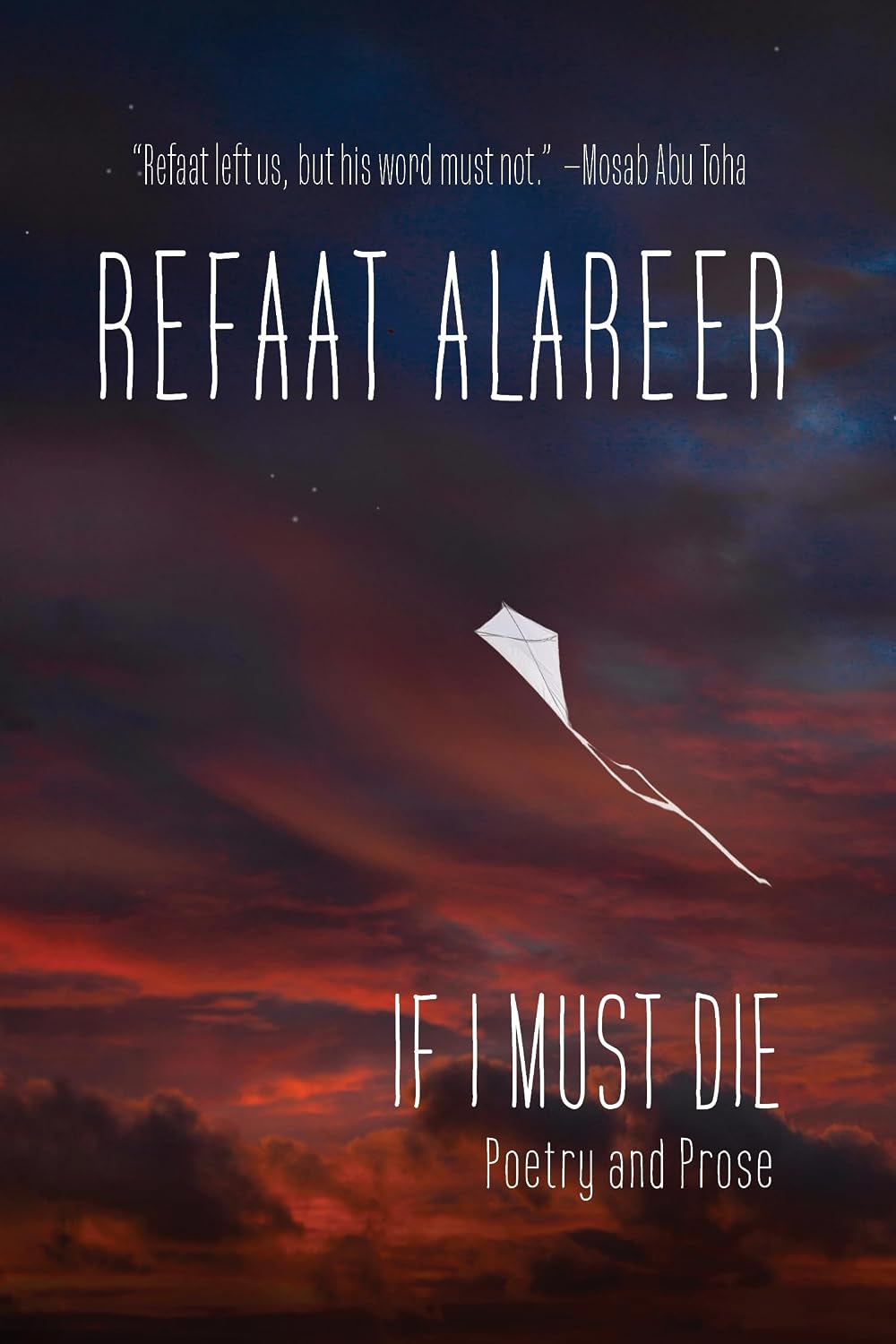
If I Must Die
If I Must Die: Poetry and Prose is a collection of poems, essays, and short writings by Palestinian writer and academic Refaat Alareer, bringing together his reflections on life in Gaza, the experience of occupation, and the enduring importance of storytelling. Through intimate personal accounts and powerful literary expression, Alareer explores grief, displacement, resistance, and the determination to preserve Palestinian identity amid violence and destruction. The collection includes his internationally known poem “If I Must Die,” which imagines a kite as a symbol of hope and a message to the world. Combining political urgency with tenderness and humanity, the book bears witness to the experiences of Palestinians while celebrating their cultural heritage, collective memory, and desire for freedom. It stands as both a literary testament and a call to remember the human lives behind the headlines.
Palestine
2024
6
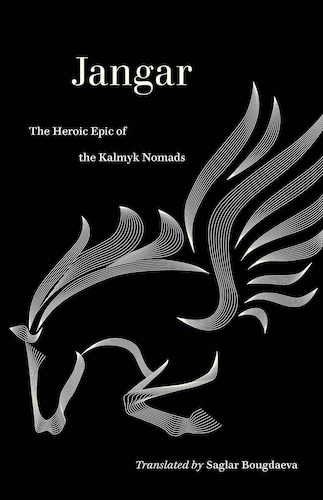
Jangar: The Heroic Epic of the Kalmyk Nomads
For centuries, the Kalmyk people of the Eurasian steppe have preserved Jangar, a magnificent heroic epic celebrating courage, loyalty, and the survival of their nomadic culture. At its centre is Jangar, the legendary ruler of Bumba, a mythical land of abundance and harmony where seventy kingdoms unite under his leadership. Surrounded by extraordinary warriors, Jangar defends his homeland against formidable enemies, monstrous giants, and rival rulers. His companions undertake daring quests, rescue captives, defeat powerful adversaries, and demonstrate remarkable feats of strength and bravery. Blending fantastical adventures with lyrical descriptions of horses, feasts, battles, and the steppe landscape, the epic reflects the ideals and aspirations of the Kalmyk people. Preserved through generations of oral performance by traditional storytellers, Jangar also bears witness to a culture that has endured conquest, displacement, and political repression. Saglar Bougdaeva’s English translation introduces international readers to this remarkable literary heritage, restoring a largely overlooked masterpiece of Eurasian oral literature to the world.
Russia
2023
7
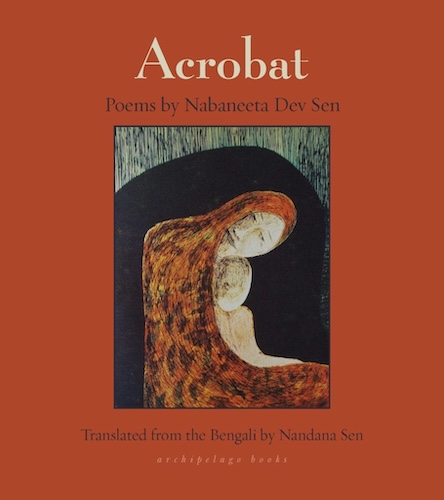
Acrobat
In Acrobat, Nabaneeta Dev Sen transforms the experiences of an ordinary life into an intimate, unflinching exploration of womanhood, love, motherhood, and mortality. This posthumously published poetry collection moves between the exhilaration of first love, the physical and emotional demands of childbirth, the complexities of family relationships, and the inevitable approach of old age. With a voice that can be tender one moment and fiercely rebellious the next, Dev Sen examines the expectations imposed on women and the quiet acts of resistance through which they reclaim their lives. The acrobat becomes a powerful image for the precarious balancing act of being human: navigating intimacy, pain, desire, and loss while attempting to remain upright. Both compassionate and unsparing, these poems celebrate the body and its vulnerabilities, revealing the extraordinary intensity hidden within everyday existence. Translated from Bengali by the author’s daughter, Nandana Dev Sen, the collection also becomes a moving literary dialogue between mother and daughter.
India
2021
8
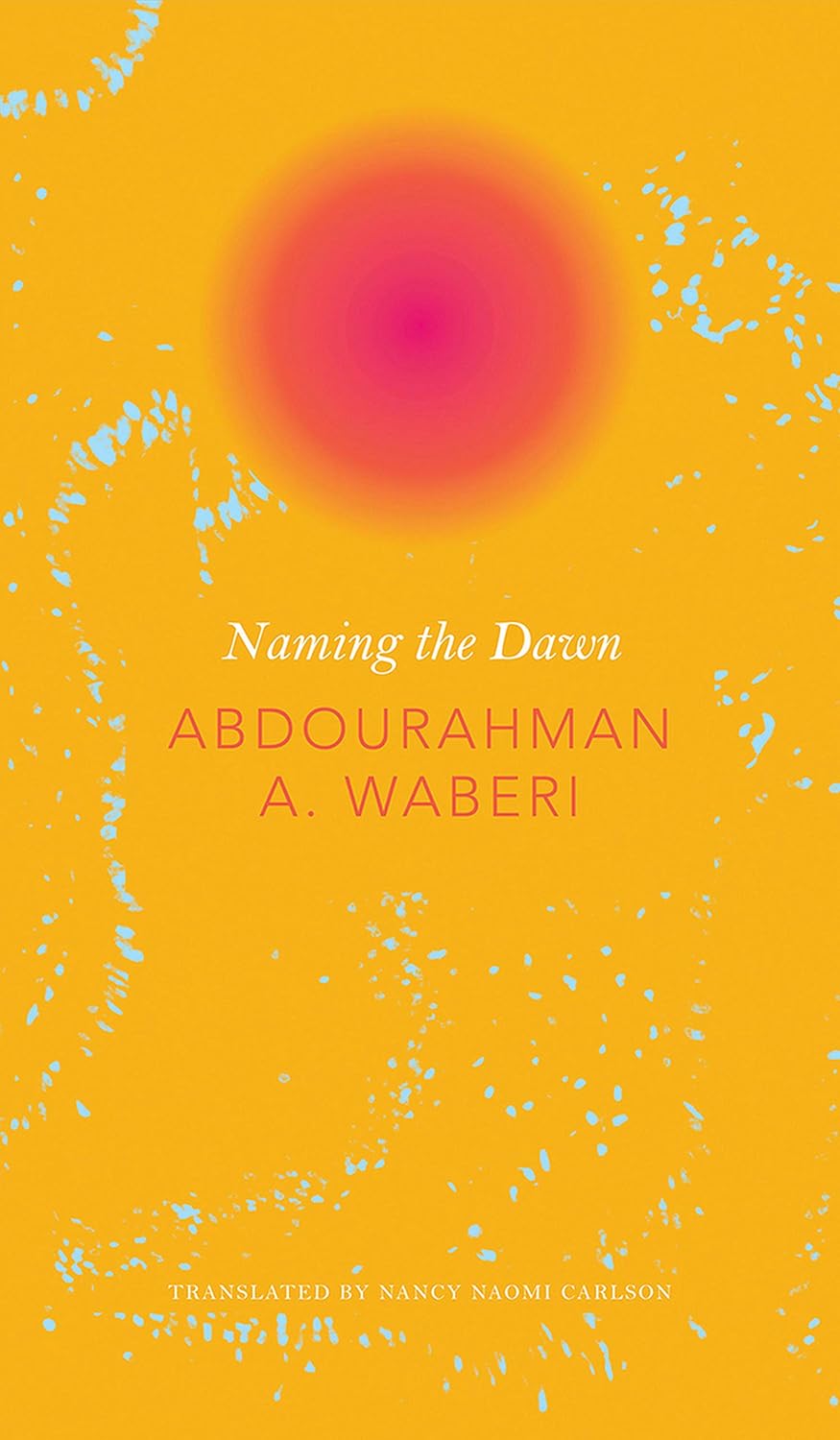
Naming the Dawn
In Naming the Dawn, Djiboutian writer Abdourahman A. Waberi turns inward, offering a contemplative collection of poetry that explores faith, memory, language, and the search for spiritual understanding. Moving between intimate personal reflections and broader cultural and historical questions, the poems examine how individual lives are shaped by inherited traditions, sacred texts, and the landscapes in which we grow up.
Islam and its poetic heritage occupy a central place in the collection. Waberi engages with the Quran, the history of Muslim thought, and the work of great poets, considering how religious traditions can nurture both personal reflection and openness to others. Alongside these spiritual explorations, he writes about his mother, his wife, and his unborn child, weaving family relationships into a wider meditation on time, mortality, and belonging.
Rooted in the landscapes and cultural history of the Horn of Africa, the collection brings together the personal and the universal. Through lyrical, introspective language, Waberi seeks to preserve fleeting moments and reconcile the different histories that make up an individual identity. Naming the Dawn ultimately becomes an invitation to approach faith with curiosity, embrace cultural complexity, and discover the extraordinary significance hidden within everyday life.
Djibouti
2018
9
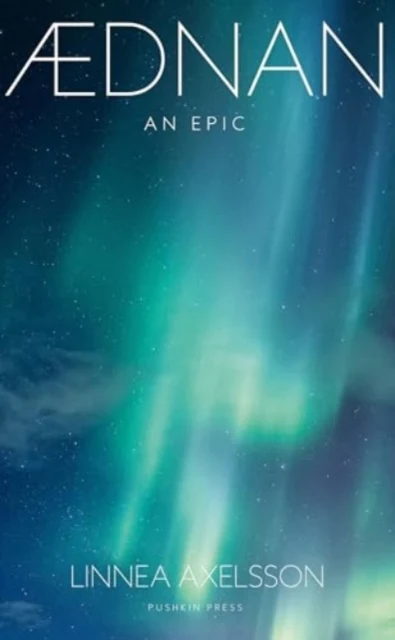
Ædnan: An Epic
Spanning a century of Sámi history, Ædnan tells the story of two Indigenous families whose lives are transformed by colonialism, forced assimilation, and the struggle to preserve their cultural identity. In the early twentieth century, new national borders disrupt traditional reindeer-herding routes, tearing families away from the land and ways of life that have sustained them for generations. Decades later, their descendants confront the consequences of discrimination and cultural erasure, searching for ways to reclaim their language, heritage, and belonging. Written in haunting, lyrical verse, Axelsson’s epic weaves together intimate family memories and the broader history of a people whose existence has been threatened but never extinguished. The title, Ædnan, means land or earth in Northern Sámi, reflecting the profound connection between territory, ancestry, and identity. This is a powerful story of dispossession, resistance, and the enduring bond between a people and their homeland.
Sweden
2018
10
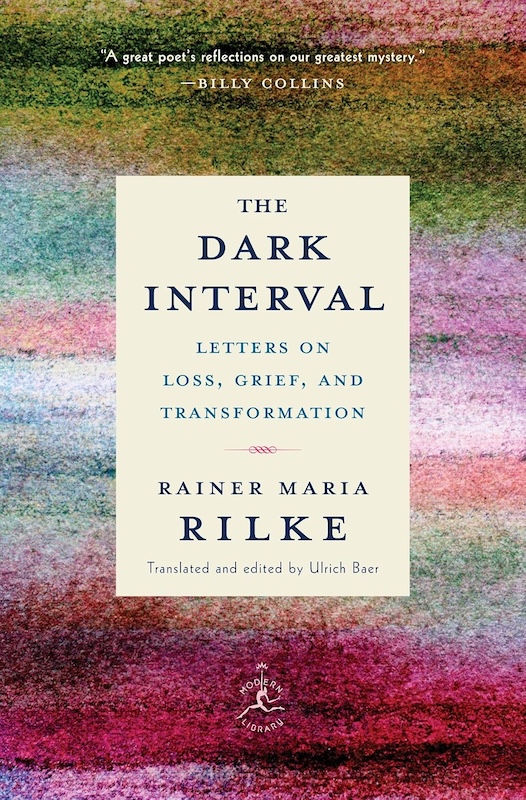
The Dark Interval
Gleaned from Rainer Maria Rilke's voluminous, never-before-translated letters to bereaved friends and acquaintances, The Dark Interval is a profound vision of the mourning process and a meditation on death's place in our lives. Following the format of Letters to a Young Poet, this book arranges Rilke's letters into an uninterrupted sequence, showcasing the full range of the great author's thoughts on death and dying, as well as his sensitive and moving expressions of consolation and condolence. Presented with care and authority by master translator Ulrich Baer, The Dark Interval is a literary treasure, an indispensable resource for anyone searching for solace, comfort, and meaning in a time of grief.
Austria
2018
11
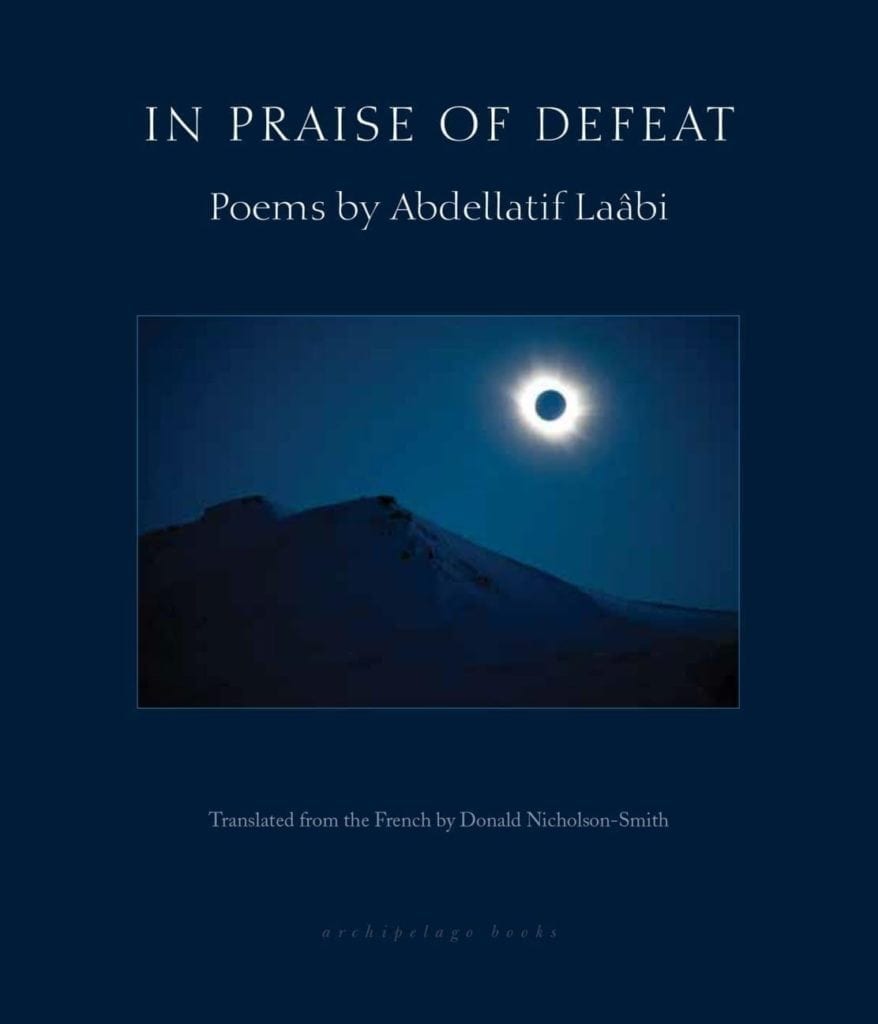
In Praise of Defeat
Spanning six decades of writing, In Praise of Defeat is a powerful collection tracing the evolution of one of Morocco’s most important contemporary poets. Through poems shaped by political imprisonment, exile, love, and the struggle for human dignity, Abdellatif Laâbi confronts the brutality of authoritarian power while insisting on the possibility of hope. His early works carry the urgency of protest, bearing witness to censorship, torture, and the silencing of dissent. Later poems become more intimate and reflective, exploring tenderness, family, spirituality, and the fragile beauty of everyday existence. Yet resistance remains at the heart of his work: for Laâbi, poetry is not an escape from reality but a way of confronting it without surrendering one’s humanity. Moving between anguish and joy, political defiance and personal vulnerability, these poems celebrate the courage to continue creating even in the face of defeat. The collection ultimately suggests that failure need not mean surrender—and that preserving one’s capacity to love, imagine, and speak freely is itself a form of victory.
Morocco
2017
12
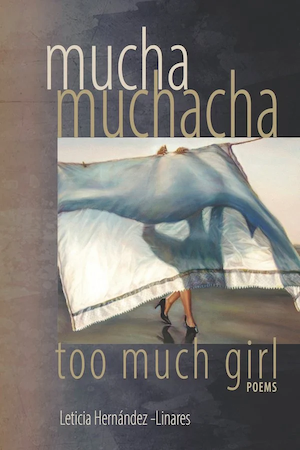
Mucha Muchacha, Too Much Girl
A vibrant celebration of Salvadoran-American womanhood, cultural memory, and the power of finding your voice. Through poems that move between English, Spanish, and the rhythms of oral storytelling, Leticia Hernández-Linares explores the lives of women in her family and community—their struggles, silences, spirituality, and everyday acts of resistance. Rooted in the experiences of the Central American diaspora, these poems challenge restrictive expectations of femininity while embracing the beauty of cultural hybridity. Lyrical, musical, and unapologetically expressive, this collection celebrates women who refuse to be diminished and insists that their stories deserve to be heard.
El Salvador
2015