Poetry
All countries
Austria
Azerbaijan
Bosnia and Herzegovina
Djibouti
El Salvador
India
Lebanon
Morocco
Pakistan
Palestine
Portugal
Russia
Sweden
Uzbekistan
1
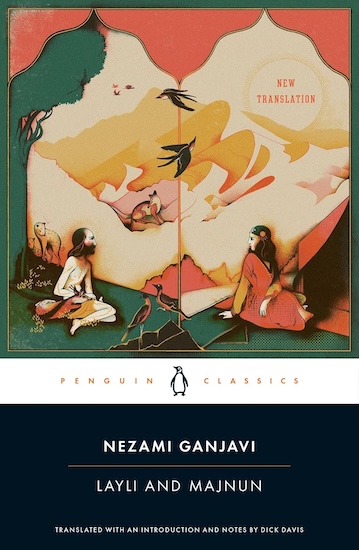
Layli and Majnun
Qays falls passionately in love with Layli, but when their families forbid their union, his devotion drives him beyond the boundaries of reason. Known as Majnun, or “the madman,” he wanders the wilderness, pouring his longing into poetry while Layli is forced into a marriage with another man. Though separated by society, tradition, and circumstance, their love becomes an all-consuming force that transcends earthly possession. Written in the twelfth century, this celebrated Persian romance transforms a tragic love story into a meditation on desire, spiritual devotion, and the painful distance between the heart and the world that seeks to control it.
Azerbaijan
1188
2
The Book of Disquiet
The Book of Disquiet is a fragmentary, deeply introspective work attributed to Bernardo Soares, an assistant bookkeeper living a quiet, unremarkable life in Lisbon. Through a series of diary-like reflections, philosophical meditations, and poetic observations, Soares examines his inner world, revealing a profound sense of alienation from society and an ongoing struggle to understand his own existence. Ordinary experiences, from walking through Lisbon’s streets to sitting at his desk, become starting points for reflections on dreams, identity, time, and the distance between the self and the world.
Rather than following a conventional narrative, Fernando Pessoa’s work unfolds as an intimate record of consciousness, capturing the contradictions and uncertainties of being human. The narrator finds both refuge and imprisonment in his imagination, often preferring the richness of dreams to the demands of reality. Blurring the boundaries between autobiography, fiction, and philosophy, The Book of Disquiet is a haunting meditation on loneliness, the fragmented nature of identity, and the quiet beauty of an uneventful life.
Note: Although Pessoa began writing the fragments decades earlier, the book was first published posthumously in Portuguese in 1982.
Portugal
1982
3
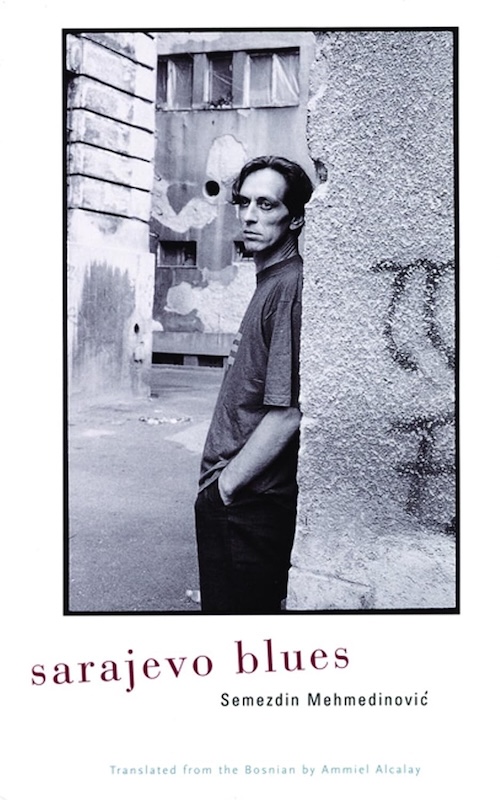
Sarajevo Blues
Sarajevo Blues is a collection of prose poems, fragments, and brief reflections written during the siege of Sarajevo in the Bosnian War. Combining personal observation with documentary detail, Semezdin Mehmedinović captures the daily reality of living in a city under bombardment, where ordinary activities become acts of survival and the boundaries between private life and public catastrophe begin to dissolve.
Rather than presenting a conventional narrative, the book offers an intimate, fragmented account of war through images of empty streets, sudden violence, disrupted routines, and the emotional strain of uncertainty. Mehmedinović’s restrained, lyrical writing resists grand explanations, focusing instead on the human cost of conflict and the persistence of memory. Both a literary response to historical tragedy and a meditation on displacement, fear, and endurance, Sarajevo Blues gives voice to the experience of civilians whose lives are transformed by war.
Bosnia and Herzegovina
1992
4
The Prophet
The Prophet is a book of 26 poetic essays written in English in 1923 by the Lebanese-American artist, philosopher and writer Khalil Gibran. In the book, the prophet Almustafa who has lived in the foreign city of Orphalese for 12 years is about to board a ship which will carry him home. He is stopped by a group of people, with whom he discusses many issues of life and the human condition. The book is divided into chapters dealing with love, marriage, children, giving, eating and drinking, work, joy and sorrow, houses, clothes, buying and selling, crime and punishment, laws, freedom, reason and passion, pain, self-knowledge, teaching, friendship, talking, time, good and evil, prayer, pleasure, beauty, religion, and death.
Lebanon
2007
5
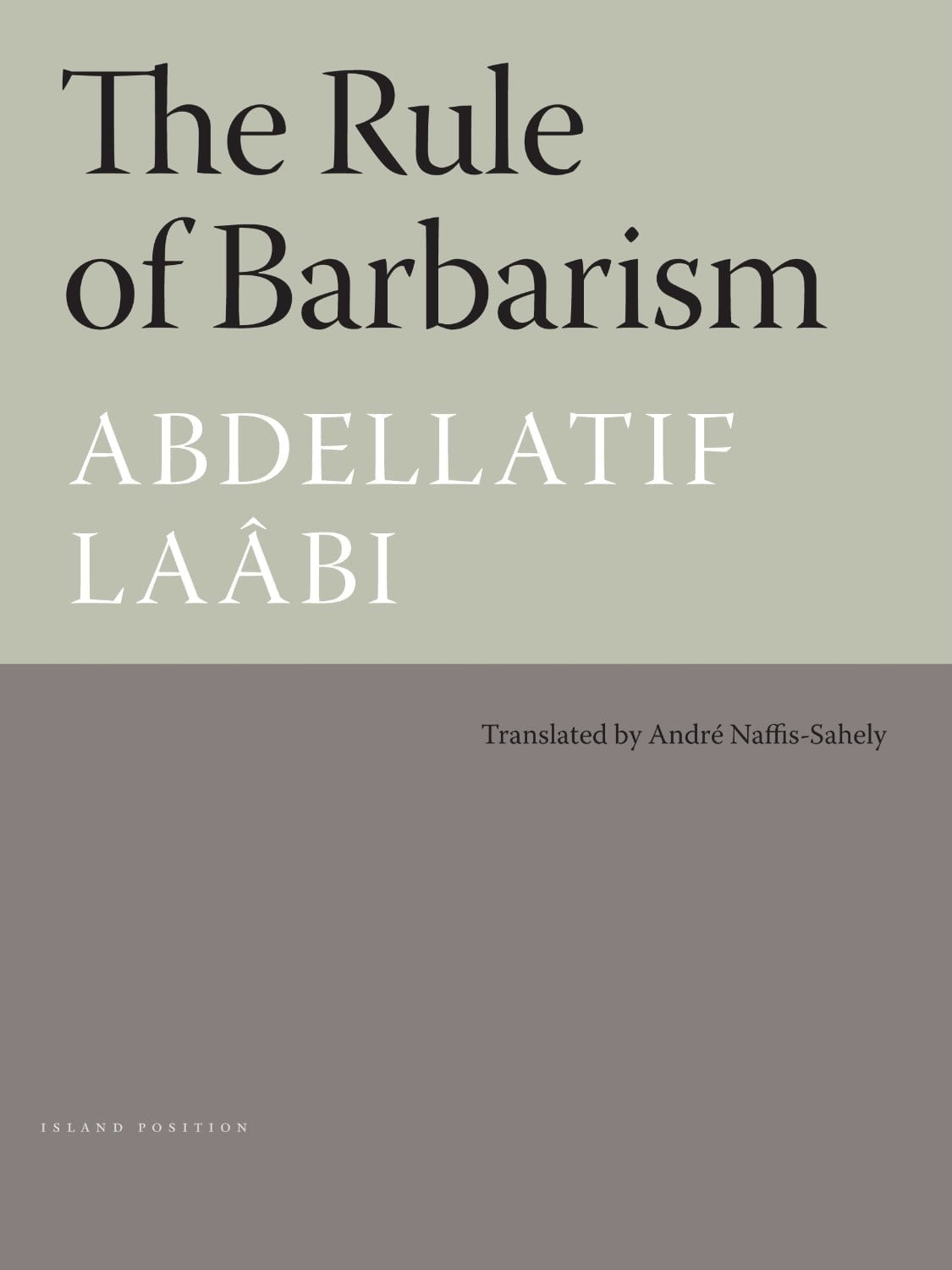
The Rule of Barbarism
Written during his imprisonment for political dissent in Morocco, The Rule of Barbarism is a searing poetic confrontation with oppression, cruelty, and the violence embedded in human society. First published in 1976, this landmark work captures the consciousness of a society trapped between its colonial past and the brutal realities of dictatorship. Through urgent, often unsettling poetry, Abdellatif Laâbi explores the psychological and moral consequences of living under authoritarian power, where fear threatens to destroy both individual freedom and collective hope. Yet his vision extends beyond political condemnation. Laâbi also examines the capacity for barbarism within every human being, questioning how victims of cruelty might resist becoming perpetrators themselves. Anger, despair, tenderness, and compassion coexist throughout the collection, creating a powerful meditation on the struggle to preserve humanity in inhuman conditions. Written from the experience of imprisonment, The Rule of Barbarism transforms personal suffering into a universal appeal for justice, empathy, and liberation.
Morocco
2012
6
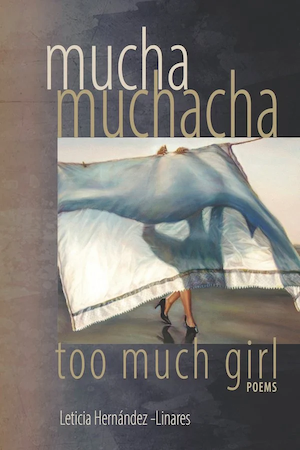
Mucha Muchacha, Too Much Girl
A vibrant celebration of Salvadoran-American womanhood, cultural memory, and the power of finding your voice. Through poems that move between English, Spanish, and the rhythms of oral storytelling, Leticia Hernández-Linares explores the lives of women in her family and community—their struggles, silences, spirituality, and everyday acts of resistance. Rooted in the experiences of the Central American diaspora, these poems challenge restrictive expectations of femininity while embracing the beauty of cultural hybridity. Lyrical, musical, and unapologetically expressive, this collection celebrates women who refuse to be diminished and insists that their stories deserve to be heard.
El Salvador
2015
7
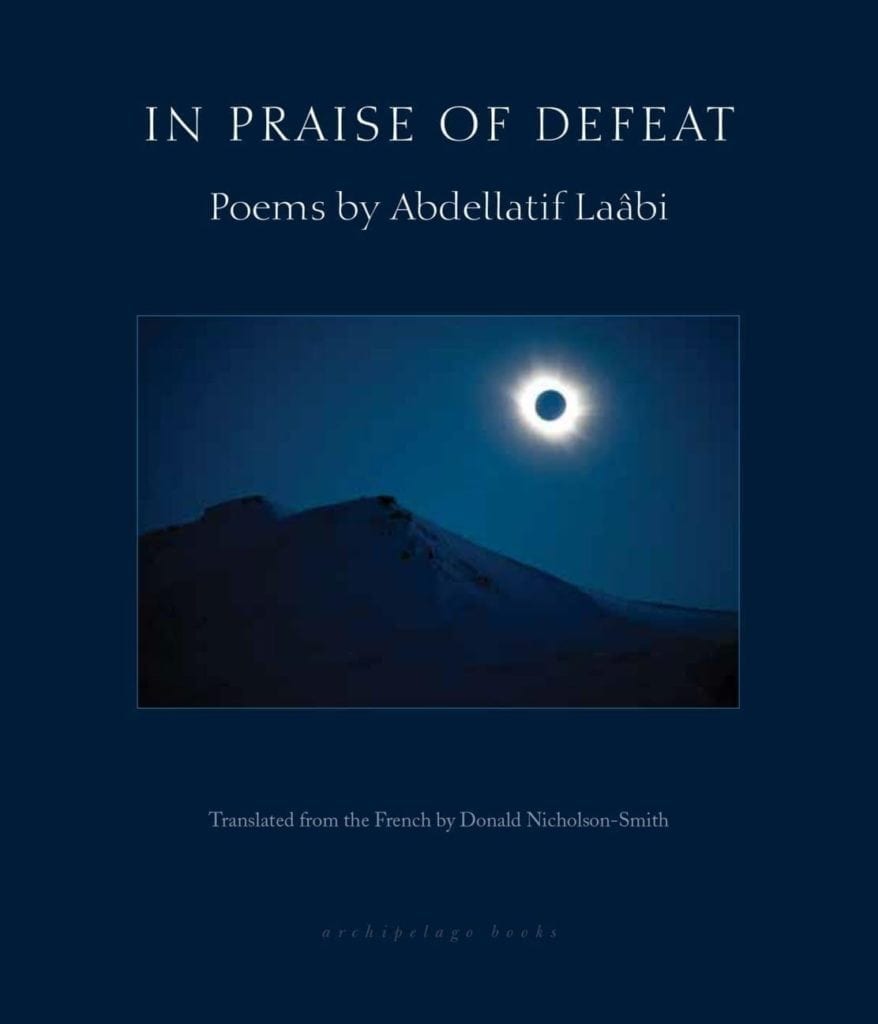
In Praise of Defeat
Spanning six decades of writing, In Praise of Defeat is a powerful collection tracing the evolution of one of Morocco’s most important contemporary poets. Through poems shaped by political imprisonment, exile, love, and the struggle for human dignity, Abdellatif Laâbi confronts the brutality of authoritarian power while insisting on the possibility of hope. His early works carry the urgency of protest, bearing witness to censorship, torture, and the silencing of dissent. Later poems become more intimate and reflective, exploring tenderness, family, spirituality, and the fragile beauty of everyday existence. Yet resistance remains at the heart of his work: for Laâbi, poetry is not an escape from reality but a way of confronting it without surrendering one’s humanity. Moving between anguish and joy, political defiance and personal vulnerability, these poems celebrate the courage to continue creating even in the face of defeat. The collection ultimately suggests that failure need not mean surrender—and that preserving one’s capacity to love, imagine, and speak freely is itself a form of victory.
Morocco
2017
8
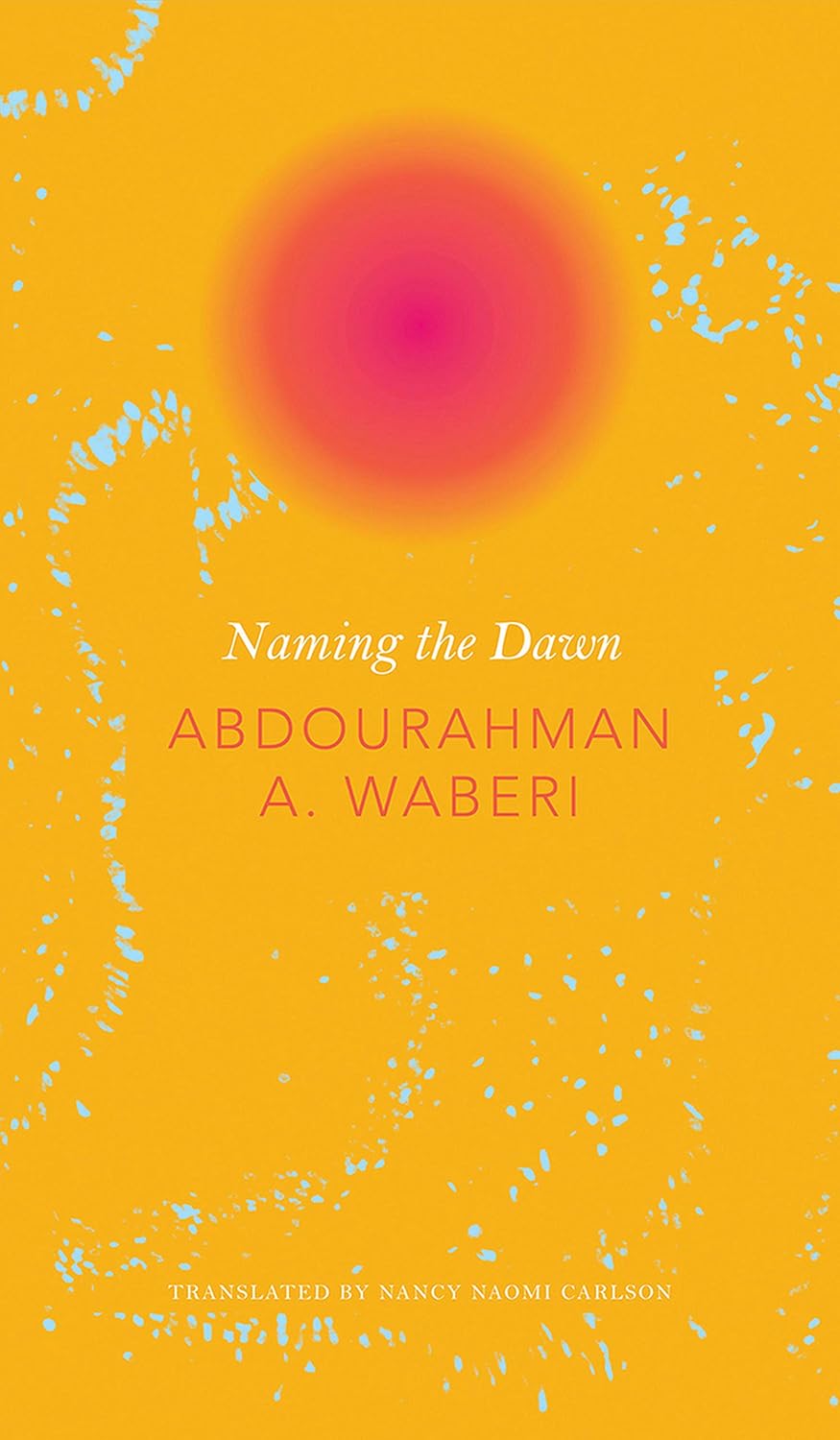
Naming the Dawn
In Naming the Dawn, Djiboutian writer Abdourahman A. Waberi turns inward, offering a contemplative collection of poetry that explores faith, memory, language, and the search for spiritual understanding. Moving between intimate personal reflections and broader cultural and historical questions, the poems examine how individual lives are shaped by inherited traditions, sacred texts, and the landscapes in which we grow up.
Islam and its poetic heritage occupy a central place in the collection. Waberi engages with the Quran, the history of Muslim thought, and the work of great poets, considering how religious traditions can nurture both personal reflection and openness to others. Alongside these spiritual explorations, he writes about his mother, his wife, and his unborn child, weaving family relationships into a wider meditation on time, mortality, and belonging.
Rooted in the landscapes and cultural history of the Horn of Africa, the collection brings together the personal and the universal. Through lyrical, introspective language, Waberi seeks to preserve fleeting moments and reconcile the different histories that make up an individual identity. Naming the Dawn ultimately becomes an invitation to approach faith with curiosity, embrace cultural complexity, and discover the extraordinary significance hidden within everyday life.
Djibouti
2018
9

Ædnan: An Epic
Spanning a century of Sámi history, Ædnan tells the story of two Indigenous families whose lives are transformed by colonialism, forced assimilation, and the struggle to preserve their cultural identity. In the early twentieth century, new national borders disrupt traditional reindeer-herding routes, tearing families away from the land and ways of life that have sustained them for generations. Decades later, their descendants confront the consequences of discrimination and cultural erasure, searching for ways to reclaim their language, heritage, and belonging. Written in haunting, lyrical verse, Axelsson’s epic weaves together intimate family memories and the broader history of a people whose existence has been threatened but never extinguished. The title, Ædnan, means land or earth in Northern Sámi, reflecting the profound connection between territory, ancestry, and identity. This is a powerful story of dispossession, resistance, and the enduring bond between a people and their homeland.
Sweden
2018
10
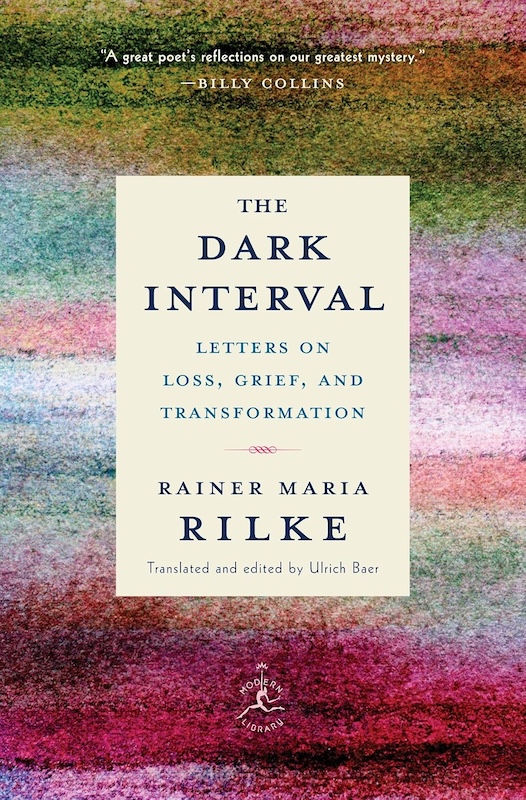
The Dark Interval
Gleaned from Rainer Maria Rilke's voluminous, never-before-translated letters to bereaved friends and acquaintances, The Dark Interval is a profound vision of the mourning process and a meditation on death's place in our lives. Following the format of Letters to a Young Poet, this book arranges Rilke's letters into an uninterrupted sequence, showcasing the full range of the great author's thoughts on death and dying, as well as his sensitive and moving expressions of consolation and condolence. Presented with care and authority by master translator Ulrich Baer, The Dark Interval is a literary treasure, an indispensable resource for anyone searching for solace, comfort, and meaning in a time of grief.
Austria
2018
11
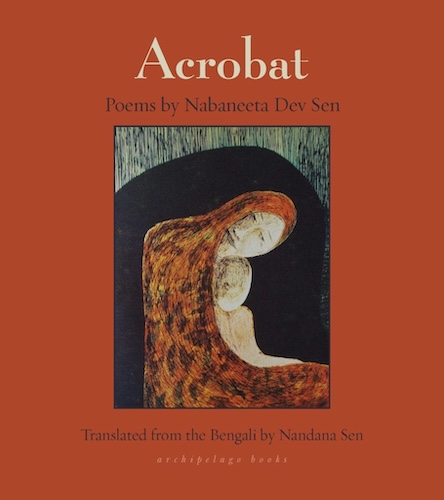
Acrobat
In Acrobat, Nabaneeta Dev Sen transforms the experiences of an ordinary life into an intimate, unflinching exploration of womanhood, love, motherhood, and mortality. This posthumously published poetry collection moves between the exhilaration of first love, the physical and emotional demands of childbirth, the complexities of family relationships, and the inevitable approach of old age. With a voice that can be tender one moment and fiercely rebellious the next, Dev Sen examines the expectations imposed on women and the quiet acts of resistance through which they reclaim their lives. The acrobat becomes a powerful image for the precarious balancing act of being human: navigating intimacy, pain, desire, and loss while attempting to remain upright. Both compassionate and unsparing, these poems celebrate the body and its vulnerabilities, revealing the extraordinary intensity hidden within everyday existence. Translated from Bengali by the author’s daughter, Nandana Dev Sen, the collection also becomes a moving literary dialogue between mother and daughter.
India
2021
12
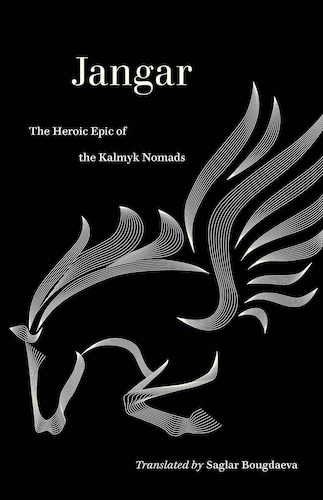
Jangar: The Heroic Epic of the Kalmyk Nomads
For centuries, the Kalmyk people of the Eurasian steppe have preserved Jangar, a magnificent heroic epic celebrating courage, loyalty, and the survival of their nomadic culture. At its centre is Jangar, the legendary ruler of Bumba, a mythical land of abundance and harmony where seventy kingdoms unite under his leadership. Surrounded by extraordinary warriors, Jangar defends his homeland against formidable enemies, monstrous giants, and rival rulers. His companions undertake daring quests, rescue captives, defeat powerful adversaries, and demonstrate remarkable feats of strength and bravery. Blending fantastical adventures with lyrical descriptions of horses, feasts, battles, and the steppe landscape, the epic reflects the ideals and aspirations of the Kalmyk people. Preserved through generations of oral performance by traditional storytellers, Jangar also bears witness to a culture that has endured conquest, displacement, and political repression. Saglar Bougdaeva’s English translation introduces international readers to this remarkable literary heritage, restoring a largely overlooked masterpiece of Eurasian oral literature to the world.
Russia
2023