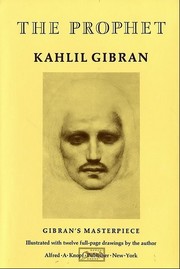
The Prophet
Lebanon

The Prophet

by Kahlil Gibran

Summary

The Prophet is a book of 26 poetic essays written in English in 1923 by the Lebanese-American artist, philosopher and writer Khalil Gibran. In the book, the prophet Almustafa who has lived in the foreign city of Orphalese for 12 years is about to board a ship which will carry him home. He is stopped by a group of people, with whom he discusses many issues of life and the human condition. The book is divided into chapters dealing with love, marriage, children, giving, eating and drinking, work, joy and sorrow, houses, clothes, buying and selling, crime and punishment, laws, freedom, reason and passion, pain, self-knowledge, teaching, friendship, talking, time, good and evil, prayer, pleasure, beauty, religion, and death.

Reviews

Login to leave a review.

No reviews yet. Be the first!

You might also like
Kahlil Gibran
Kahlil Gibran

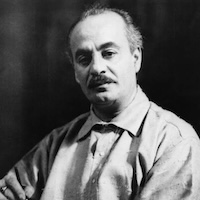
Kahlil Gibran (1883–1931) was a Lebanese American poet, writer, philosopher, and visual artist, best known for his lyrical prose and spiritual reflections on love, freedom, nature, and the human condition. Born in Bsharri, in what was then Ottoman-controlled Mount Lebanon, he immigrated to the United States with his family as a child. Writing in both Arabic and English, Gibran combined Eastern spiritual traditions with Western philosophical influences, creating works that explore the connections between humanity, the natural world, and the divine. His most famous book, The Prophet (1923), is a collection of poetic essays on subjects including love, marriage, work, and death, and has become one of the most widely read works of spiritual literature. Gibran’s writing continues to inspire readers worldwide through its universal themes, contemplative tone, and celebration of the human spirit.

View author page
Published
2007
Author
Kahlil Gibran