Historical Fiction
All countries
Afghanistan
Albania
Algeria
Angola
Antigua and Barbuda
Argentina
Armenia
Australia
Austria
Azerbaijan
Bangladesh
Barbados
Belize
Benin
Bosnia and Herzegovina
Brazil
Bulgaria
Burundi
Canada
Chile
China
Congo, Democratic Republic
Côte d’Ivoire (Ivory Coast)
Croatia
Cuba
Cyprus
Denmark
Djibouti
Dominica
Dominican Republic
Egypt
El Salvador
Ethiopia
Fiji
France
Georgia
Germany
Ghana
Greece
Guatemala
Hungary
Iceland
India
Indonesia
Iran
Iraq
Ireland
Italy
Jamaica
Japan
Kazakhstan
Kenya
Kuwait
Latvia
Lebanon
Libya
Madagascar
Malaysia
Mexico
Moldova
Morocco
Myanmar
Netherlands
Nigeria
North Korea
Oman
Pakistan
Palestine
Philippines
Poland
Portugal
Puerto Rico
Romania
Rwanda
Saudi Arabia
Senegal
Singapore
Slovenia
South Africa
South Korea
Spain
Sri Lanka
Sudan
Sweden
Switzerland
Syria
Taiwan
Tanzania
Thailand
Türkiye
Turkmenistan
Uganda
Ukraine
United Arab Emirates
United Kingdom
United States
Uruguay
Uzbekistan
Vietnam
Yemen
Zambia
Zimbabwe
1
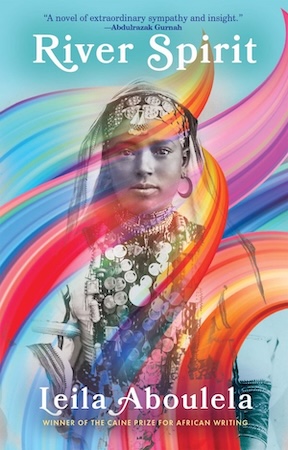
River Spirit
Set in nineteenth-century Sudan during the turbulent years surrounding the Mahdist uprising against Egyptian and British-backed rule, River Spirit explores a society transformed by war, faith, and the struggle for independence.
At the heart of the novel is a group of interconnected characters whose lives are swept up in political upheaval. Among them is Akuany, a young woman whose experiences of violence, displacement, and loss shape her understanding of freedom and belonging. As the conflict spreads, personal loyalties collide with religious conviction and competing visions of Sudan’s future. Through the characters’ intertwined journeys, Aboulela examines how ordinary people endure extraordinary circumstances and how love and compassion can survive amid brutality.
The Nile provides a powerful backdrop to this story of a nation in transition. Drawing on Sudanese history and Islamic traditions, Aboulela offers a nuanced perspective on a frequently overlooked chapter of African history. Rather than presenting the uprising solely as a political struggle, she explores its human consequences, illuminating the complex relationships between faith, identity, colonial power, and resistance.
Sudan
2024
2
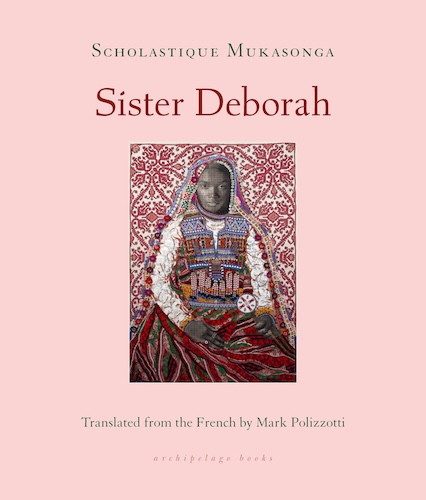
Sister Deborah
In 1930s Rwanda, a mysterious American evangelist arrives with a revolutionary message: the coming Messiah will be a Black woman, and women will finally be liberated from centuries of suffering. Known as Sister Deborah, she is both a healer and a prophetess, attracting women who long for a world beyond colonial domination and patriarchal authority. Her teachings unsettle not only the European missionaries but also the colonial administration, which fears the growing power of her movement. When Sister Deborah suddenly disappears, rumours multiply: was she murdered, or did she escape to begin a new life elsewhere? Years later, Ikirezi, a woman who was healed by Sister Deborah as a child, sets out to uncover the truth. Moving between historical records, folklore, and competing memories, Scholastique Mukasonga weaves a haunting tale about the struggle to reclaim forgotten histories. The novel explores how religion can become both an instrument of oppression and a language of resistance, particularly for women whose voices have been silenced.
Rwanda
2024
3
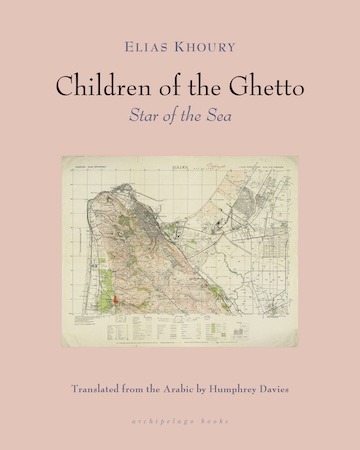
Children of the Ghetto: Star of the Sea
How many lives can one person inhabit before losing sight of who he really is? Adam Dannoun was an infant when the 1948 Nakba tore his family apart and destroyed his childhood home in Lydda, Palestine. Years later, after fleeing an oppressive stepfather, he arrives in Haifa determined to reinvent himself. He becomes Adam Danon, a young man with a fabricated past who claims to be Jewish and born in the Warsaw Ghetto. His new identity offers him a chance to escape his history, but it also traps him in a web of lies, particularly when he falls in love with the daughter of the man who has taken him in. As Adam moves between identities, Elias Khoury explores the devastating consequences of displacement and the impossibility of escaping collective memory. Both a deeply personal story and a sweeping reflection on Palestinian history, this novel asks whether reinvention can ever erase the wounds of the past.
Palestine
2024
4
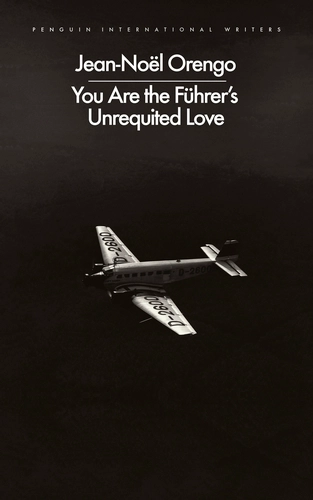
You Are the Führer's Unrequited Love
How does a man implicated in one of history’s greatest atrocities reinvent himself as an innocent bystander? In 1969, Albert Speer—Hitler’s favourite architect and Minister of Armaments—publishes his memoirs, presenting himself as the “good Nazi” who knew nothing about the Holocaust. His carefully constructed narrative helps him escape the full weight of his responsibility and become a bestselling author. But behind this image lies a history of ambition, complicity, and calculated self-deception. Blending historical research with literary fiction, Jean-Noël Orengo reconstructs Speer’s rise, his proximity to Hitler, and his postwar reinvention. The result is a disturbing exploration of how powerful people manipulate memory, reshape their identities, and make fiction more seductive than truth. In an age of competing narratives, the novel asks who gets to control the story of the past.
France
2024
5
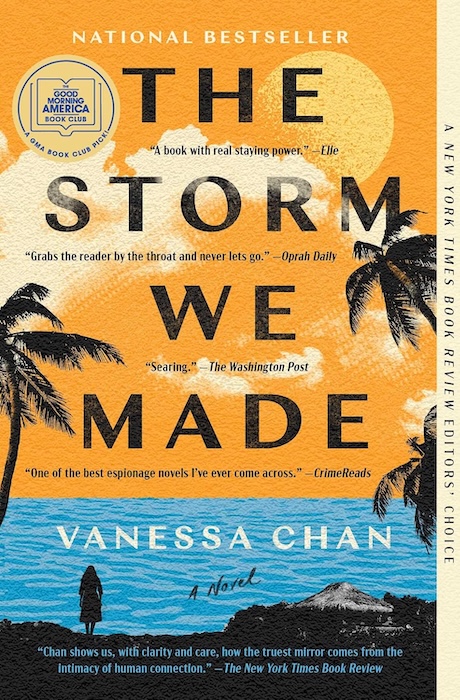
The Storm We Made
In 1945, Japanese-occupied Malaya is a place of fear, violence, and uncertainty. Cecily Alcantara’s family is falling apart: her teenage son, Abel, has disappeared, her youngest daughter, Jasmin, is hiding from the threat of being forced into sexual slavery, and her eldest daughter, Jujube, works in a teahouse frequented by Japanese soldiers. Cecily knows that the danger surrounding her family is connected to a secret she has kept for years—and that revealing the truth could destroy what remains of their lives.
A decade earlier, desperate to escape the limitations imposed on her as a housewife in British-colonized Malaya, Cecily became involved in espionage after meeting a charismatic Japanese general. Believing in the promise of an independent Asia, she made choices whose consequences she could never have imagined. As the war reaches its devastating climax, this decision threatens everything she loves.
Told through four perspectives, this sweeping historical novel explores colonialism, complicity, survival, and the moral compromises people make under oppression. It is also an intimate portrait of a family struggling to endure the consequences of one woman’s ambition and secrets.
Malaysia
2024
6
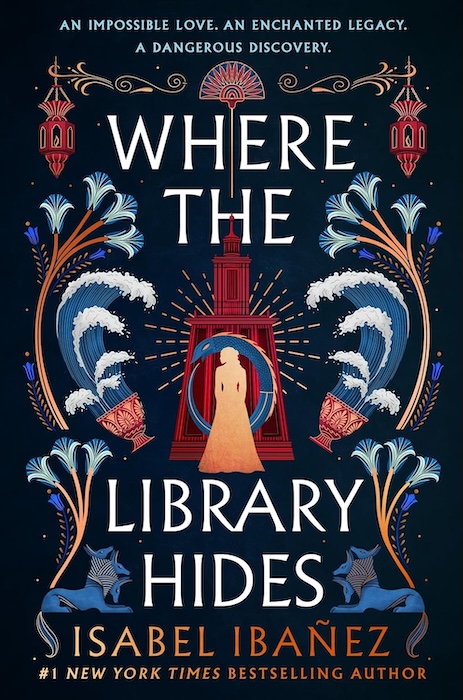
Where the Library Hides
In this sequel to What the River Knows, Inez Olivera continues to navigate the dangerous world she encountered in Egypt. Still reeling from betrayal and the murder of her cousin Elvira, Inez faces new threats involving her inheritance, her family’s secrets, and the mysterious forces surrounding her investigation. Her uncle presents her with an ultimatum that could determine her future: marriage to Whitford Hayes, a former British soldier whose true intentions remain uncertain. Although their relationship is marked by distrust and unresolved attraction, the two must confront the dangers surrounding them. Set against the atmosphere of nineteenth-century Egypt, the novel combines historical adventure, romance, and supernatural mystery. Inez must decide whom she can trust as she seeks answers and fights to retain control over her own destiny.
Egypt
2024
7
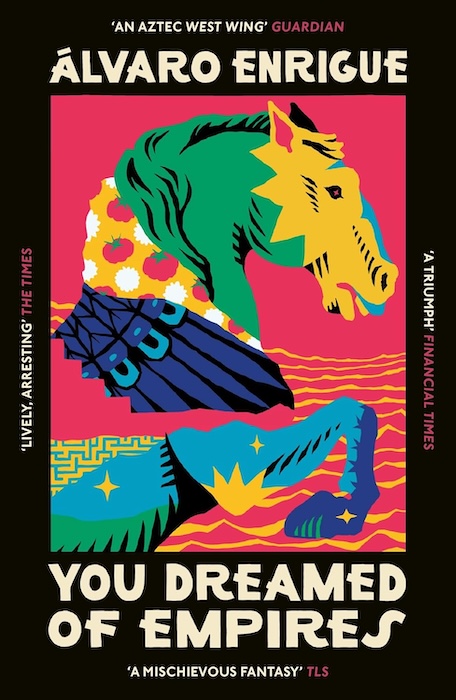
You Dreamed of Empires
Set in 1519, You Dreamed of Empires imagines the encounter between Spanish conquistador Hernán Cortés and Aztec ruler Moctezuma in the magnificent city of Tenochtitlan. Rather than presenting the conquest as a straightforward story of European victory, Enrigue focuses on the political manoeuvring, cultural misunderstandings, and competing ambitions surrounding this pivotal meeting. Through shifting perspectives and dark humour, the novel portrays the Spanish as vulnerable outsiders entering a sophisticated civilisation whose inhabitants have their own political struggles and visions of the future. Its dreamlike atmosphere unsettles familiar historical narratives, exposing the uncertainty and violence beneath the language of conquest. Enrigue reimagines a defining moment in Mexican history while questioning how empires construct stories about power, civilisation, and inevitable victory.
Mexico
2024
8
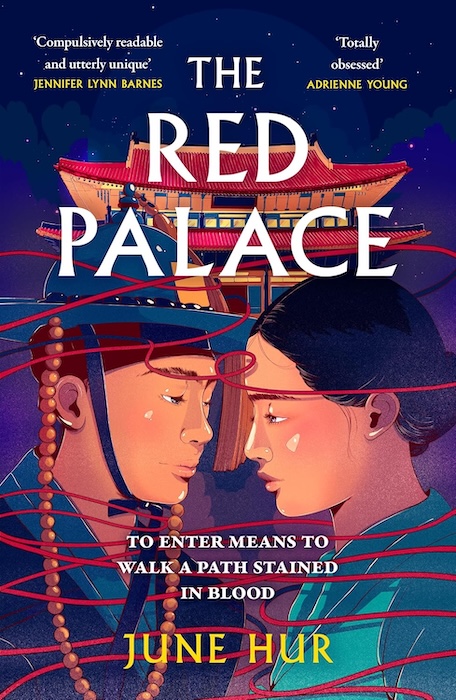
Red Palace
Set in the Korean kingdom of Joseon in 1758, The Red Palace follows Hyeon, an eighteen-year-old woman who has worked hard to become a palace nurse despite the social disadvantages of her birth. Hoping to earn her estranged father’s approval, she is determined to remain unnoticed and perform her duties well. Her plans collapse when four women are murdered in a single night and her beloved mentor becomes the prime suspect. Refusing to accept the accusation, Hyeon begins investigating the killings herself. She joins forces with Eojin, a young police inspector, and their search leads them into the dangerous world of royal politics, where powerful figures may be hiding the truth. As evidence begins to implicate the Crown Prince, Hyeon must decide how much she is willing to risk for justice. Hur combines historical mystery with an exploration of gender inequality, political power, and a young woman’s determination to make her own choices in a restrictive society.
South Korea
2024
9
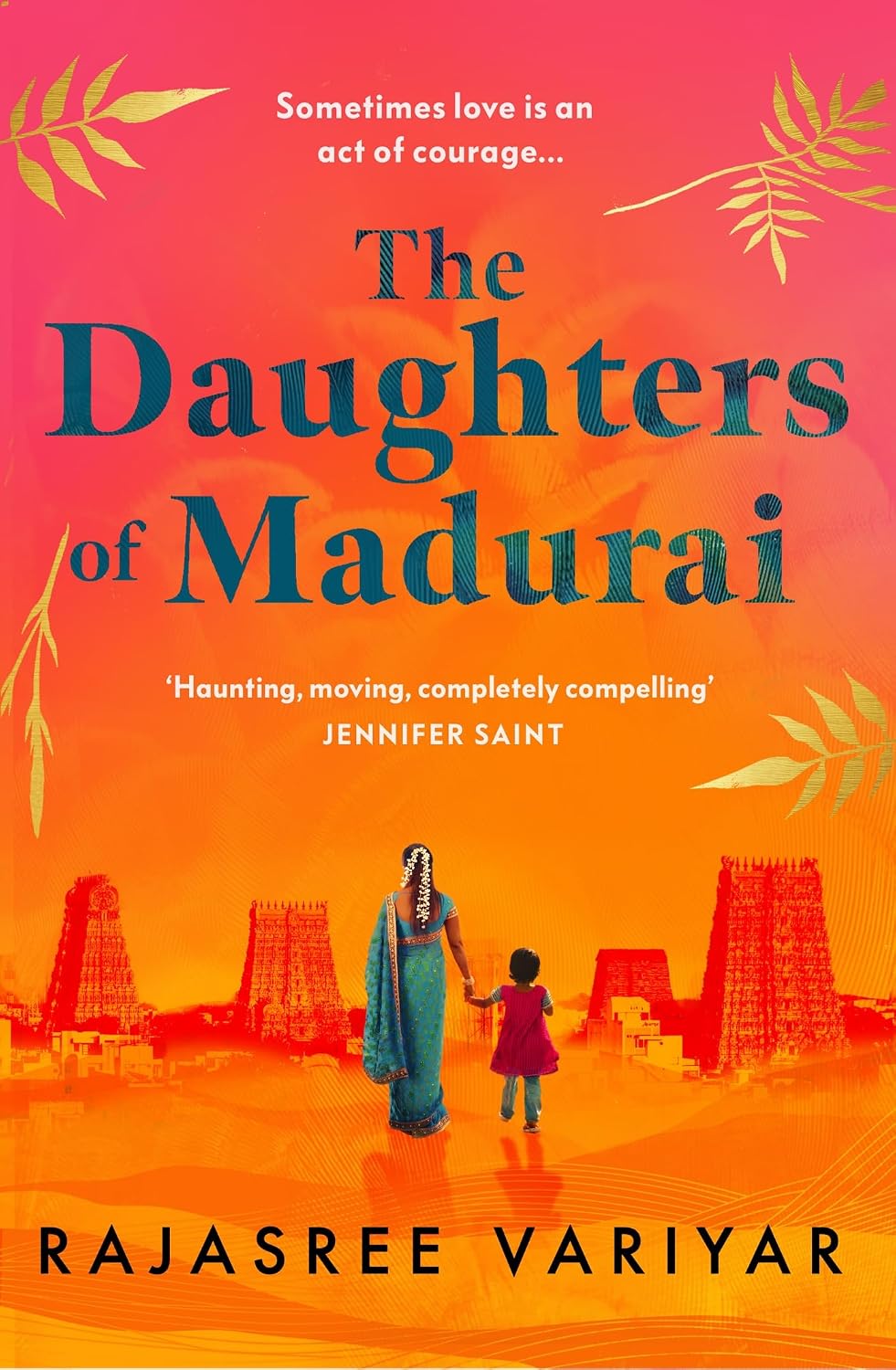
The Daughters of Madurai
The Daughters of Madurai explores the lives of two generations of women connected by family secrets, gender discrimination, and the painful consequences of patriarchal traditions. In Madurai, India, in 1992, Janani lives in poverty and faces enormous pressure to give birth to a son. In her community, daughters are considered a burden, and Janani is forced to endure the unimaginable loss of children she was never allowed to protect. Decades later, in Sydney in 2019, her daughter Nila struggles with a secret of her own. When a family emergency brings Nila back to India, she begins a journey that reveals hidden truths about her family’s past. Moving between India and Australia, Variyar examines the devastating consequences of gender inequality and the ways family secrets can shape successive generations. The novel explores motherhood, belonging, and the courage required to confront painful histories in the search for truth and reconciliation.
India
2024
10
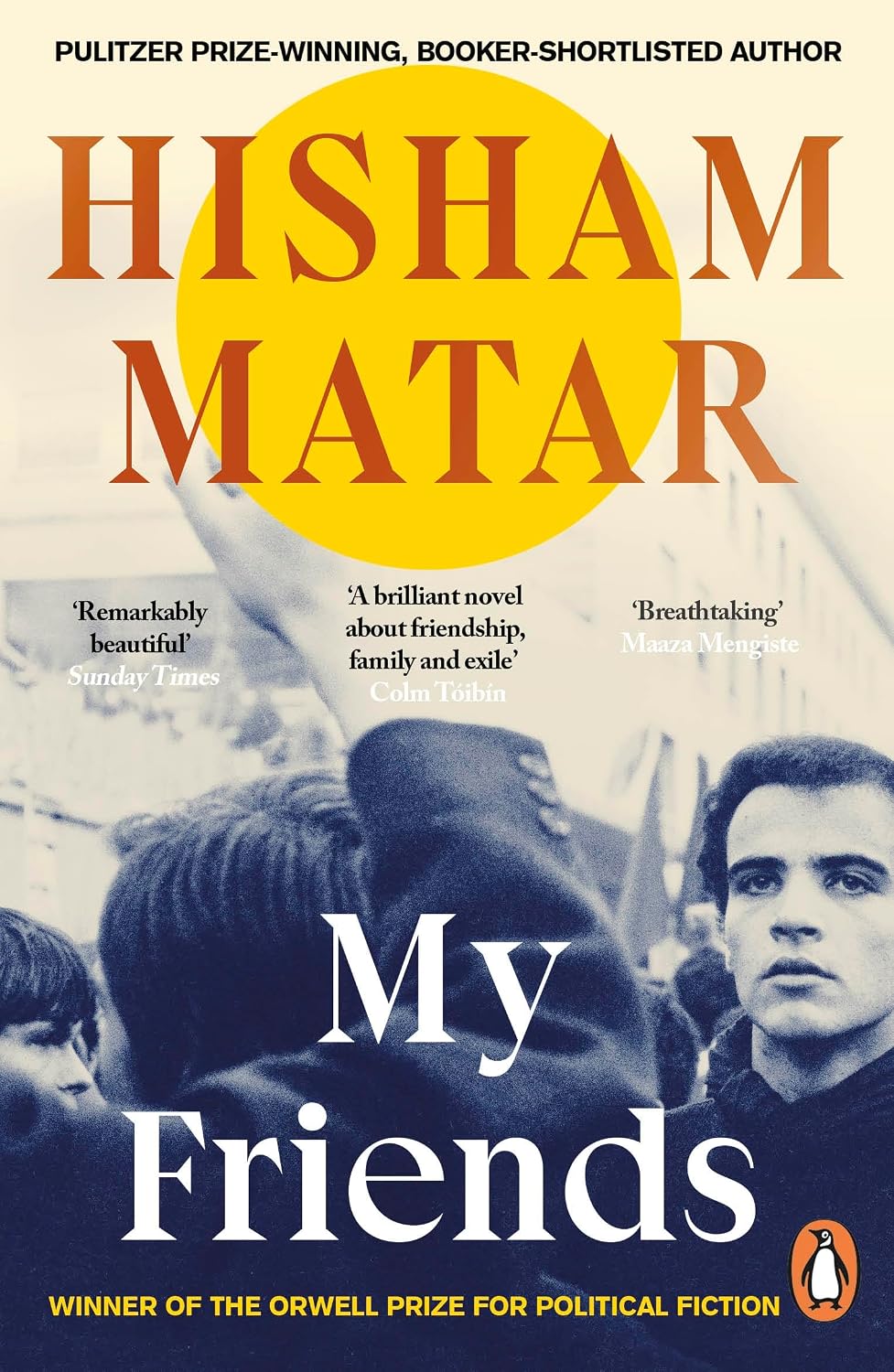
My Friends
My Friends follows Khaled, a Libyan man living in exile in London, whose life is shaped by friendship, political repression, and the enduring pull of his homeland. The story begins with a defining moment in 1984, when Khaled and his friend Mustafa attend a protest outside the Libyan embassy in London. The demonstration turns violent, and Khaled is wounded, an event that binds his personal fate to Libya’s political turmoil. Over the following decades, he navigates life far from home, confronting the distance between the country he remembers and the life he has built in exile. Through his relationships with Mustafa and other friends, Matar explores how political upheaval reshapes intimate bonds, influences personal identity, and leaves lasting emotional scars. Moving between past and present, the novel reflects on belonging, displacement, and the difficulty of returning to a place transformed by history. With quiet, introspective prose, My Friends examines the sacrifices of exile and the profound ways friendship can provide continuity, comfort, and meaning in a fractured world.
Libya
2024
11
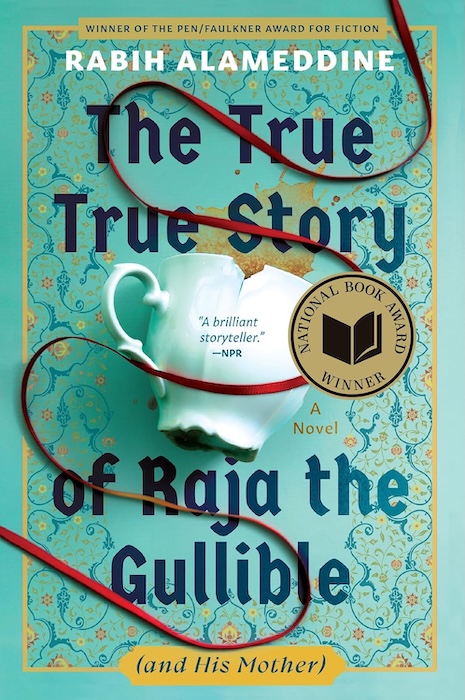
True True Story of Raja the Gullible (and His Mother)
True True Story of Raja the Gullible (and His Mother) follows Raja, a gay Lebanese man in his late sixties who lives in Beirut and spends his days writing letters to a mysterious correspondent he calls the “Dear Comrade.” Through these letters, Raja recounts his unconventional life, his complicated relationship with his formidable mother, and the experiences that have shaped his identity. His story moves between personal memories and Lebanon’s turbulent political and cultural history, touching on sexuality, religion, war, and the challenges of growing older in a society marked by contradiction. With characteristic wit, irreverence, and tenderness, Rabih Alameddine explores the boundaries between truth and storytelling, revealing how people reinvent their pasts to make sense of their lives. Beneath its humour lies a moving portrait of family bonds, loneliness, and the search for acceptance. The novel celebrates the freedom to live outside conventional expectations while acknowledging the enduring power of love, memory, and belonging.
Lebanon
2024
12
Taiwan Travelogue
Set in Taiwan in 1938, during Japanese colonial rule, Taiwan Travelogue follows Aoyama Chizuko, a young Japanese novelist invited to undertake a lecture tour of the island. More interested in discovering Taiwan’s culture and cuisine than participating in official colonial events, she travels across the island with her Taiwanese interpreter, Ō Chizuru. Through local dishes, lively conversations, and journeys between towns, the two women develop a close and increasingly complicated relationship.
As Chizuko becomes more emotionally attached to her companion, she struggles to understand Chizuru’s reserve and the barriers separating them. Their relationship unfolds against the inequalities of colonial society, where language, nationality, and political power shape even the most intimate connections.
Blending historical fiction, romance, food writing, and metafiction, Yáng explores love, cultural identity, and the silenced histories of colonial Taiwan. The novel also challenges readers to consider who has the power to tell a story—and whose perspective history chooses to preserve.
Taiwan
2024