Historical Fiction
All countries
Afghanistan
Albania
Algeria
Angola
Antigua and Barbuda
Argentina
Armenia
Australia
Austria
Azerbaijan
Bangladesh
Barbados
Belize
Benin
Bosnia and Herzegovina
Brazil
Bulgaria
Burundi
Canada
Chile
China
Congo, Democratic Republic
Côte d’Ivoire (Ivory Coast)
Croatia
Cuba
Cyprus
Denmark
Djibouti
Dominica
Dominican Republic
Egypt
El Salvador
Ethiopia
Fiji
France
Georgia
Germany
Ghana
Greece
Guatemala
Hungary
Iceland
India
Indonesia
Iran
Iraq
Ireland
Italy
Jamaica
Japan
Kazakhstan
Kenya
Kuwait
Latvia
Lebanon
Libya
Madagascar
Malaysia
Mexico
Moldova
Morocco
Myanmar
Netherlands
Nigeria
North Korea
Oman
Pakistan
Palestine
Philippines
Poland
Portugal
Puerto Rico
Romania
Rwanda
Saudi Arabia
Senegal
Singapore
Slovenia
South Africa
South Korea
Spain
Sri Lanka
Sudan
Sweden
Switzerland
Syria
Taiwan
Tanzania
Thailand
Türkiye
Turkmenistan
Uganda
Ukraine
United Arab Emirates
United Kingdom
United States
Uruguay
Uzbekistan
Vietnam
Yemen
Zambia
Zimbabwe
1

Wide Sargasso Sea
Wide Sargasso Sea reimagines the life of Bertha Mason, the mysterious first wife of Mr Rochester in Charlotte Brontë’s Jane Eyre. Growing up in post-emancipation Jamaica, Antoinette Cosway belongs to a formerly wealthy white Creole family whose social position has become increasingly precarious. Her marriage to an Englishman initially promises security, but cultural misunderstanding, financial interests, and emotional manipulation gradually destroy their relationship. As Antoinette’s husband renames her and questions her sanity, she becomes increasingly alienated from herself and the world around her. Rhys explores colonialism, racial tensions, gender inequality, and the power of men to define women’s identities. By giving a voice to a character marginalised in a canonical English novel, she challenges established literary narratives and examines the devastating consequences of isolation and domination.
Dominica
1956
2
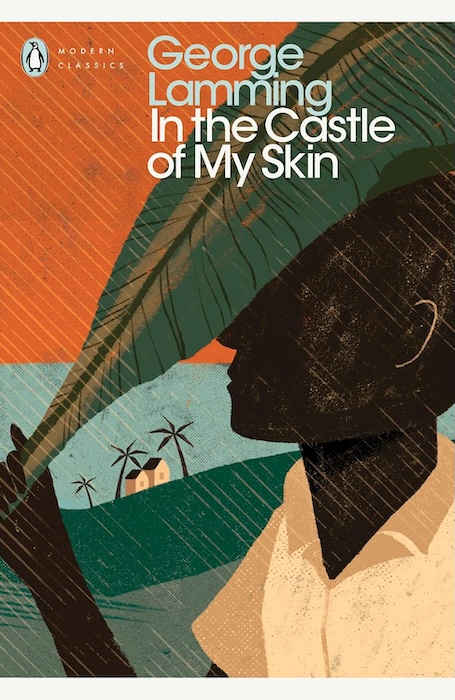
In the Castle of My Skin
In the Castle of My Skin follows G., a boy growing up in a Barbadian village during the final years of British colonial rule. Through his experiences at home, at school, and within his community, the novel explores how colonialism shapes the identities and aspirations of ordinary people. As G. approaches adulthood, he witnesses changes in the village’s social structure, including the decline of traditional authority and the growing desire for political independence. Lamming combines autobiographical elements with lyrical storytelling to examine the relationship between personal development and national transformation. The village becomes a miniature representation of a society struggling to understand its past and imagine its future. The novel reflects on education, class, belonging, and the psychological consequences of colonial domination.
Barbados
1953
3
Moon and the Bonfires
The Moon and the Bonfires follows Anguilla, a man who returns to the rural village in northern Italy where he grew up after spending years abroad, including a period in America. Born into poverty and raised by foster parents, he left his homeland in search of a better life. Now successful but unsettled, he hopes to reconnect with his past and understand the forces that shaped his identity.
As Anguilla revisits familiar landscapes and reconnects with his childhood friend Nuto, memories of his youth mingle with the painful realities of wartime Italy. The countryside he remembers has been transformed by poverty, political violence, and the consequences of the Resistance. Through these encounters, Cesare Pavese explores belonging, exile, memory, and the impossibility of truly returning home. The title refers to rural rituals associated with the changing seasons, evoking a world where ancient traditions coexist with modern upheaval. Both a personal quest and a reflection on Italy’s troubled history, the novel asks whether a person can ever recover the place they once called home.
Italy
1950
4
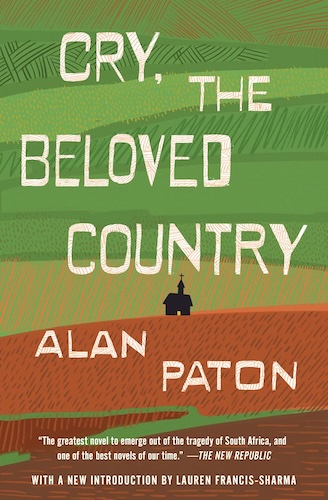
Cry, the Beloved Country
Set in South Africa during the 1940s, Cry, the Beloved Country follows Stephen Kumalo, a rural Zulu pastor who travels to Johannesburg in search of his missing son, Absalom. In the city, he encounters the devastating effects of poverty, racial discrimination, and the social upheaval caused by urbanization under apartheid’s emerging racial order. As he discovers the truth about his son’s involvement in a tragic crime, Kumalo must confront grief, guilt, and the fragility of family bonds. His journey intersects with that of James Jarvis, a white landowner whose son is connected to the tragedy, leading both men to reconsider their beliefs and responsibilities. Through their parallel experiences, Alan Paton explores racial injustice, moral responsibility, compassion, and the possibility of reconciliation in a deeply divided society. The novel is a moving portrait of a nation struggling with inequality and the human cost of prejudice.
South Africa
1948
5
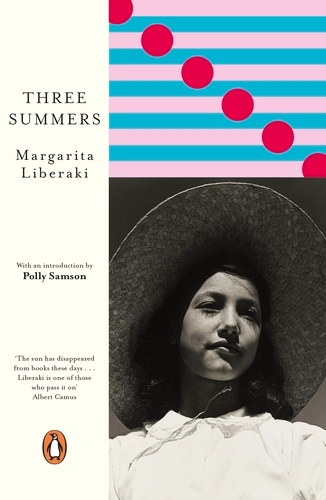
Three Summers
Set in the Greek countryside near Athens in the years before the Second World War, Three Summers follows three sisters as they navigate adolescence, love, desire, and the mysteries of family life. Maria, the eldest, is passionate and eager to marry and start a family; Infanta is beautiful, independent, and emotionally reserved; while Katerina, the youngest and the novel’s principal narrator, is dreamy, rebellious, and fascinated by the world around her. Across three summers, the sisters fall in love, keep secrets, observe the complicated relationships of adults, and begin to imagine the women they might become. Against a backdrop of sun-drenched gardens, olive groves, and long, languid afternoons, Margarita Liberaki captures the fleeting magic of youth and the bittersweet awareness that childhood cannot last forever. Tender, sensual, and nostalgic, this coming-of-age novel celebrates female independence, sisterhood, and the exhilarating uncertainty of growing up.
Greece
1946
6
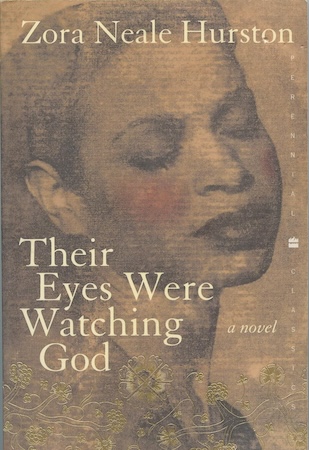
Their Eyes Were Watching God
Set in the early twentieth-century American South, Their Eyes Were Watching God follows Janie Crawford, an African American woman searching for love, independence, and a life she can call her own. Returning to her hometown of Eatonville, Florida, after a long absence, Janie faces the curiosity and judgment of her neighbours. Through a conversation with her friend Pheoby, she begins to recount the experiences that have shaped her.
Raised by her grandmother, who dreams of securing her future through marriage, Janie enters a series of relationships that teach her painful lessons about power, gender, and self-worth. Her first two marriages offer security and social status but leave little room for her voice or desires. It is only when she meets Tea Cake, a younger man who introduces her to a world of spontaneity, friendship, and adventure, that she begins to experience a more expansive kind of love.
Hurston’s novel is a landmark of African American literature, celebrated for its rich use of Black Southern dialect, folklore, and storytelling traditions. Through Janie’s journey, it explores the intersections of race, gender, class, and personal freedom, ultimately affirming a woman’s right to define herself beyond the expectations of others.
United States
1937
7
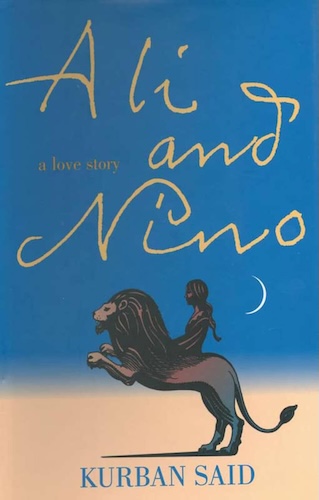
Ali and Nino
Set in Baku during the early twentieth century, Ali and Nino tells the story of Ali Khan Shirvanshir, a Muslim Azerbaijani aristocrat, and Nino Kipiani, a Christian Georgian woman. Despite their different cultural and religious backgrounds, the two fall deeply in love and imagine a future together. Their relationship unfolds against the backdrop of the First World War, the Russian Revolution, and the brief independence of Azerbaijan. As political conflict transforms the Caucasus, Ali and Nino must navigate competing expectations about marriage, tradition, religion, and personal freedom. Their romance becomes a reflection of the wider tensions between Eastern and Western influences in the region. Through their relationship, the novel explores cultural identity, loyalty, and the difficulty of preserving private happiness when history threatens to reshape an entire society.
Azerbaijan
1937
8
Gardens of Silihdar
The Gardens of Silihdar is a memoir of Zabel Yesayan’s childhood in Constantinople, offering a vivid portrait of Armenian family and community life during the late nineteenth century. Through memories of her neighbourhood, relatives, gardens, and everyday encounters, Yesayan recreates a world shaped by cultural traditions, social hierarchies, and the tensions of a changing Ottoman Empire. Her recollections capture the curiosity and independence of a young girl gradually discovering the complexities of the society around her. Beyond its intimate family scenes, the memoir preserves a picture of Armenian life in Constantinople before the devastating events that would transform the community. Yesayan combines personal reflection with cultural memory, exploring childhood, belonging, and the importance of remembering a world that political upheaval would eventually threaten to erase.
Armenia
1935
9

All Quiet on the Western Front
All Quiet on the Western Front follows Paul Bäumer, a young German soldier who enlists in the First World War alongside his school friends after being encouraged by patriotic teachers. Once at the front, the young men discover that the heroic ideals used to recruit them bear little resemblance to the reality of trench warfare. Constant bombardment, hunger, exhaustion, and the loss of comrades gradually destroy their innocence and their faith in the society that sent them to fight. When Paul returns home on leave, he finds himself unable to reconnect with civilians who cannot understand his experiences. Remarque portrays war as a force that damages not only bodies but also the emotional and moral foundations of a generation. The novel explores trauma, disillusionment, and the devastating distance between military rhetoric and the human cost of conflict.
Germany
1929
10
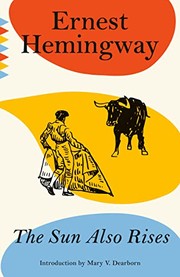
Sun Also Rises
The Sun Also Rises follows a group of American and British expatriates living in Europe after the First World War. Its narrator, Jake Barnes, is a journalist whose war injury has left him unable to pursue a conventional romantic relationship with Lady Brett Ashley, a charismatic woman whose independence and restlessness affect everyone around her. Their circle travels from Paris to the Spanish countryside, where fishing trips and the festivities of Pamplona’s bullfighting season offer temporary escape from emotional uncertainty. Beneath the characters’ drinking, flirtation, and restless movement lies a profound sense of disillusionment. Hemingway captures a generation struggling to find meaning after war, exploring unfulfilled desire, damaged masculinity, and the loneliness that can persist even among friends.
United States
1926
11
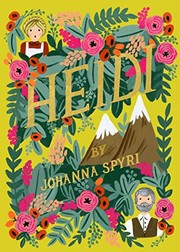
Heidi (Puffin in Bloom)
Heidi tells the story of a young orphaned girl who is sent to live with her reclusive grandfather in a small Alpine village in Switzerland. Initially unfamiliar with her new surroundings, Heidi soon develops a deep affection for her grandfather and the breathtaking mountain landscape. She befriends Peter, a young goatherd, and discovers the joys of life outdoors, surrounded by wildflowers, fresh air, and mountain animals. However, her happiness is interrupted when she is taken to Frankfurt to serve as a companion to Clara, a wealthy girl who cannot walk. Although Heidi struggles with homesickness, her warmth and kindness bring joy to those around her. Through themes of friendship, compassion, and the healing power of nature, Johanna Spyri celebrates the importance of belonging, simple pleasures, and the emotional connection between people and their environment.
Switzerland
1881
12
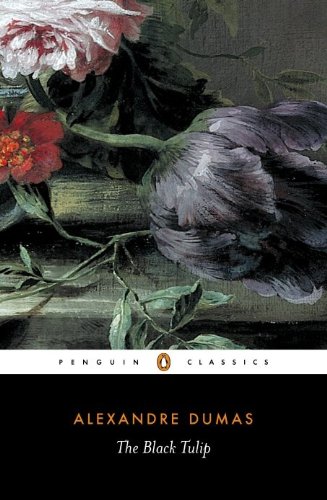
The Black Tulip
Set in the Netherlands in 1672, The Black Tulip follows Cornelius van Baerle, a passionate and wealthy tulip grower whose greatest ambition is to cultivate the first completely black tulip. His peaceful life is shattered when political intrigue leads to his imprisonment, after he is falsely accused of conspiring against the powerful brothers Cornelis and Johan de Witt. Behind bars, Cornelius continues his botanical pursuit with the help of Rosa, the jailer’s daughter, who becomes his devoted ally and eventually his beloved. As jealousy, betrayal, and greed threaten his dream, Cornelius must fight to protect both his flower and his freedom. Blending historical adventure, romance, and political drama, Dumas explores the destructive power of envy alongside the redemptive strength of loyalty and compassion. The black tulip becomes a symbol of perseverance and the pursuit of an extraordinary goal in a world shaped by ambition and injustice.
France
1850