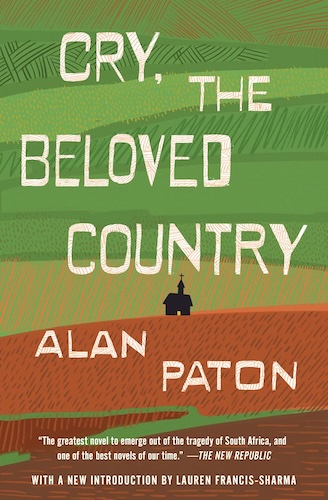
Cry, the Beloved Country
by Alan Paton
Summary
Set in South Africa during the 1940s, Cry, the Beloved Country follows Stephen Kumalo, a rural Zulu pastor who travels to Johannesburg in search of his missing son, Absalom. In the city, he encounters the devastating effects of poverty, racial discrimination, and the social upheaval caused by urbanization under apartheid’s emerging racial order. As he discovers the truth about his son’s involvement in a tragic crime, Kumalo must confront grief, guilt, and the fragility of family bonds. His journey intersects with that of James Jarvis, a white landowner whose son is connected to the tragedy, leading both men to reconsider their beliefs and responsibilities. Through their parallel experiences, Alan Paton explores racial injustice, moral responsibility, compassion, and the possibility of reconciliation in a deeply divided society. The novel is a moving portrait of a nation struggling with inequality and the human cost of prejudice.
Reviews
Login to leave a review.
No reviews yet. Be the first!
You might also like

- Published
- 1948
- Author
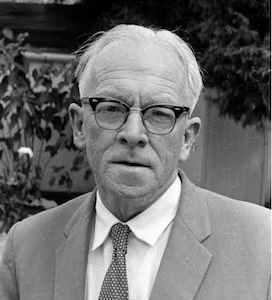
- Alan Paton