Historical Fiction
All countries
Afghanistan
Albania
Algeria
Angola
Antigua and Barbuda
Argentina
Armenia
Australia
Austria
Azerbaijan
Bangladesh
Barbados
Belize
Benin
Bosnia and Herzegovina
Brazil
Bulgaria
Burundi
Canada
Chile
China
Congo, Democratic Republic
Côte d’Ivoire (Ivory Coast)
Croatia
Cuba
Cyprus
Denmark
Djibouti
Dominica
Dominican Republic
Egypt
El Salvador
Ethiopia
Fiji
France
Georgia
Germany
Ghana
Greece
Guatemala
Hungary
Iceland
India
Indonesia
Iran
Iraq
Ireland
Italy
Jamaica
Japan
Kazakhstan
Kenya
Kuwait
Latvia
Lebanon
Liberia
Libya
Madagascar
Malaysia
Mali
Mexico
Moldova
Morocco
Mozambique
Myanmar
Netherlands
Nigeria
North Korea
Oman
Pakistan
Palestine
Philippines
Poland
Portugal
Puerto Rico
Romania
Rwanda
Saudi Arabia
Senegal
Sierra Leone
Singapore
Slovenia
South Africa
South Korea
Spain
Sri Lanka
Sudan
Sweden
Switzerland
Syria
Taiwan
Tanzania
Thailand
Tunisia
Türkiye
Turkmenistan
Uganda
Ukraine
United Arab Emirates
United Kingdom
United States
Uruguay
Uzbekistan
Vietnam
Yemen
Zambia
Zimbabwe
1
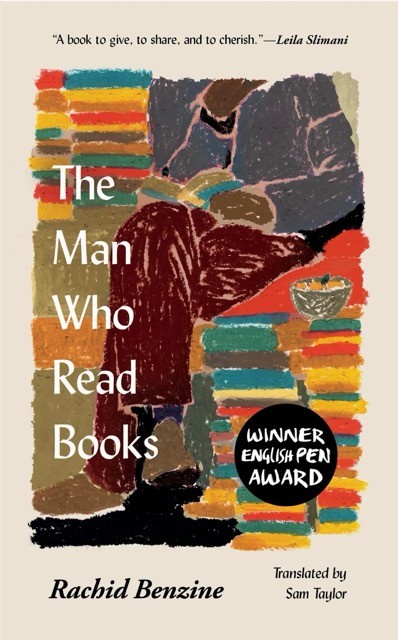
The Man Who Read Books
In a city where buildings are reduced to rubble, one bookseller refuses to let his world disappear.
During a ceasefire in Gaza, a young French photographer wanders through the city’s narrow streets and encounters Nabil Al Jaber, an elderly bookseller surrounded by stacks of ageing books. When the photographer raises his camera, Nabil asks him to do something unexpected: put it down long enough to hear his story.
What follows is a journey through decades of Palestinian history, from the displacement of Nabil’s family in 1948 to imprisonment, political disillusionment, love, and devastating personal loss. Each chapter of his life is illuminated by the books that helped him make sense of it, offering moments of refuge when the world beyond his shop seemed determined to destroy everything he held dear.
Through Nabil’s memories, literature becomes more than an escape from suffering. It is a way to preserve the past, protect one’s humanity, and resist being reduced to a photograph or a headline. Rachid Benzine’s moving novel explores the lives behind the images of war, asking what can survive when homes, communities, and loved ones are lost. In Nabil’s small, battered bookshop, stories become an act of defiance—and a reminder that even amid devastation, the human spirit continues to seek meaning.
Palestine
2026
2
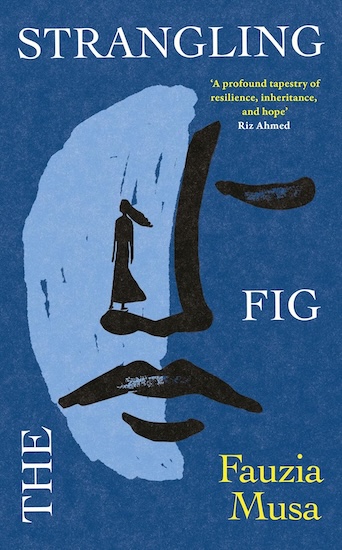
The Strangling Fig
Spanning generations and continents, The Strangling Fig explores the lasting impact of grief, family secrets, and inherited trauma on the lives of women in one Muslim family.
Hyderabad, 1946: Ashraf is a young girl when her father is murdered on the eve of the Partition of British India. His death transforms her relationship with her mother, leaving Ashraf emotionally isolated and searching for the affection she can no longer find at home. As she grows older, the wounds of her childhood shape her choices in love, marriage, and motherhood, influencing her relationship with her own daughter.
California, 2002: Sixteen-year-old Seher feels abandoned by her mother and struggles to find a place for herself. When she begins seeing the ghost of her grandmother, Ashraf, she finds the guidance and emotional connection she has been missing. But as Seher becomes increasingly dependent on this supernatural presence, she discovers that the bond offers comfort at a troubling cost.
Moving between India and the United States, Musa weaves together the experiences of women separated by generations but connected by family history and unresolved pain. Blending family drama with elements of magical realism, the novel examines how loss and emotional wounds can be passed from mother to daughter—and whether understanding the past can help break the cycle.
India
United States
2026
3
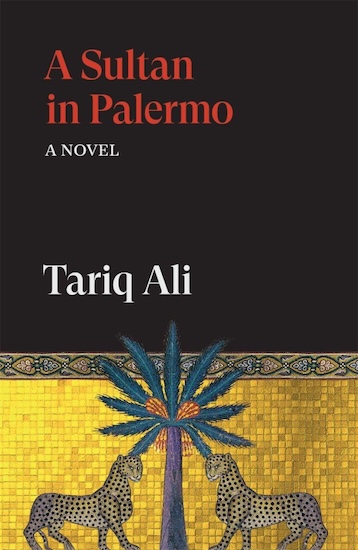
A Sultan in Palermo (The Islam Quintet)
Set in Sicily in 1153, A Sultan in Palermo explores a fascinating period when Norman rulers governed an island deeply shaped by Arab and Muslim culture. Palermo is a flourishing centre of learning, where Arabic language and intellectual traditions remain influential despite the political dominance of Christian rulers. At the heart of the novel is Muhammad al-Idrisi, a celebrated Muslim cartographer and scholar, who serves King Roger II of Sicily, known to his Muslim subjects as Sultan Rujari.
As Idrisi navigates his friendship with the ageing ruler, he becomes increasingly torn between loyalty to the royal court and solidarity with fellow Muslims who are resisting Norman rule or preparing to leave the island. Surrounded by political intrigue, religious tensions, and personal desires, he must confront the moral compromises of life under an increasingly unstable regime. Blending historical figures with imaginative storytelling, Tariq Ali explores cultural coexistence, the struggle for power, and the fragile relationship between political authority and personal conscience. The novel is the fourth book in Ali’s Islam Quintet.
Italy
2026
4
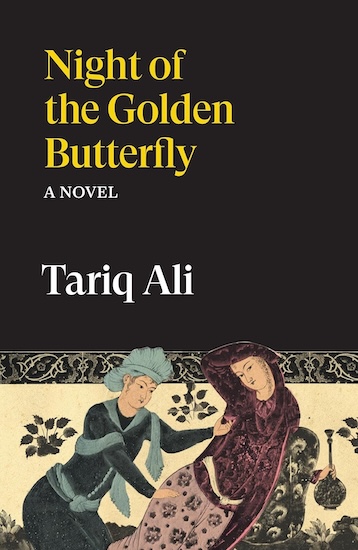
Night of the Golden Butterfly (The Islam Quintet)
Moving between Lahore, London, Paris, and Beijing, Tariq Ali’s Night of the Golden Butterfly explores friendship, love, political disillusionment, and the changing identity of Pakistan. The story follows Dara, a writer living in London, who is asked by his old friend Mohammed Aflatun—nicknamed Plato, an eccentric and gifted painter—to write the story of his life. As Dara reconnects with people from his past, old romances and long-buried memories resurface, revealing the complicated relationships that bind their lives together.
Alongside this contemporary narrative, the novel reaches back into Chinese-Muslim history through the family of Jindie, Dara’s first love. Blending satire, personal recollection, and historical storytelling, Ali examines the tensions between East and West, the effects of political power and religious fundamentalism, and the struggles of a society confronting its own contradictions. The novel is the fifth and final volume of The Islam Quintet.
Pakistan
2026
5
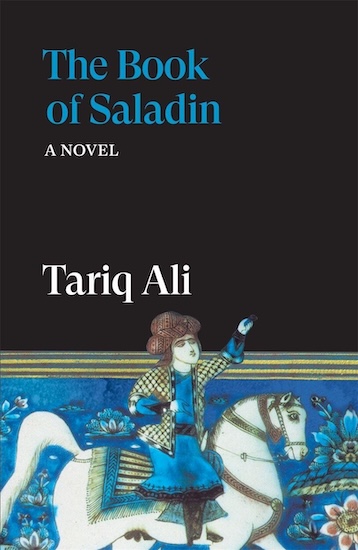
The Book of Saladin (The Islam Quintet)
Set in the twelfth century, The Book of Saladin reimagines the life of Salah al-Din, better known as Saladin, the Kurdish Muslim ruler who united Egypt and Syria and recaptured Jerusalem from the Crusaders in 1187.
The novel takes the form of Saladin’s fictional memoir, dictated to Ibn Yakub, a Jewish scribe tasked with recording the Sultan’s life and achievements. To create a fuller portrait of his subject, Ibn Yakub interviews Saladin’s wives, servants, and companions, revealing the private relationships and personal ambitions behind the public image of a celebrated military leader.
As Saladin rises to power and prepares to reclaim Jerusalem, the narrative explores the political rivalries, religious tensions, and fragile alliances that shape his world. Alongside military campaigns and diplomatic intrigue, the novel delves into the intimate lives of the royal household, including a passionate relationship between Saladin’s favoured wife, Jamila, and another woman in the harem, Halima.
Ali presents a complex portrait of medieval Muslim society, challenging simplified accounts of the Crusades and exploring the contradictions between political ideals and personal desires. Questions of faith, power, loyalty, sexuality, and cultural coexistence run throughout the story, connecting the struggles of the medieval world with conflicts that continue to resonate today.
Egypt
Palestine
Syria
2026
6
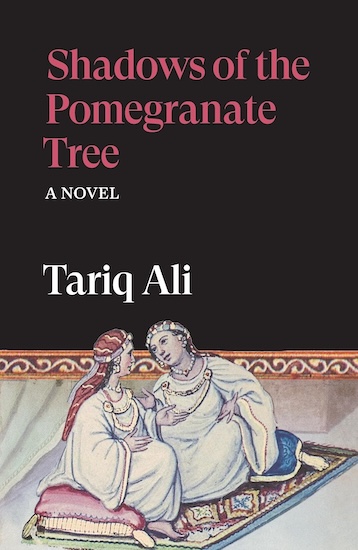
Shadows of the Pomegranate Tree (The Islam Quintet)
Set in the final years of Muslim rule in Granada, Spain, at the end of the fifteenth century, Shadows of the Pomegranate Tree explores the fate of a Muslim family as their world is transformed by the Christian conquest of Al-Andalus.
The novel centres on the Banu Hudayl family, who have lived for generations in a village near Granada. Led by the respected Omar bin Abdallah, the family struggles to preserve its traditions, faith, and way of life as the Catholic monarchs Ferdinand and Isabella consolidate their power. Following the fall of Granada in 1492, Muslims face increasing persecution, forced conversions, and the destruction of their cultural heritage.
As religious authorities tighten their control, members of the family respond in different ways. Some attempt to adapt to the new order, while others resist the loss of their identity and the restrictions imposed on their freedom. Their personal conflicts reflect the wider tragedy unfolding across the region, where libraries are burned, intellectual traditions are suppressed, and centuries of coexistence give way to religious intolerance.
Through the family’s experiences, Tariq Ali brings to life the final chapter of Muslim Spain, exploring the relationship between faith, power, memory, and cultural survival. The novel also challenges simplified accounts of the past, revealing how conquest affects ordinary people, fractures communities, and threatens the knowledge and traditions passed from one generation to the next.
Spain
2026
7
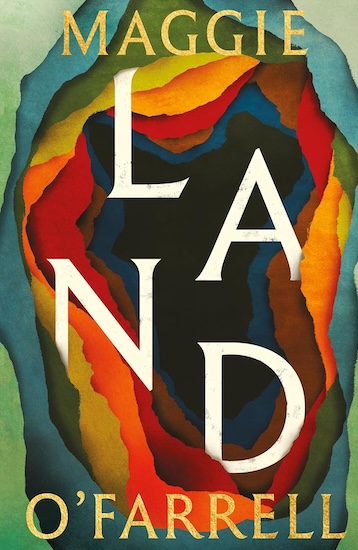
Land
Ireland, 1865. On a windswept peninsula overlooking the Atlantic, Tomás and his ten-year-old son, Liam, work on the ambitious Ordnance Survey project to map the entire country. Still haunted by the devastating Great Hunger, Tomás is determined that his maps will preserve a record of the tragedy that transformed Ireland. But when an unsettling encounter in an ancient woodland disrupts his work and changes his behaviour, Liam finds himself struggling to understand his father while facing the daunting task of completing their mission.
As their family’s story unfolds, buried secrets, lingering ghosts, and the enduring power of the Irish landscape reveal how the past continues to shape the present. Spanning generations and exploring the consequences of colonisation, famine, and displacement, Land is a sweeping historical novel about survival, family, and the profound connections between people and the places they call home. Maggie O’Farrell weaves Irish history with folklore and intimate human drama, creating a meditation on memory, belonging, and the ways landscapes preserve stories that history cannot erase.
Ireland
2026
8

A Private Man
Rome, 1953. David is a young Catholic priest who has devoted his life to God and sworn himself to celibacy. Margaret, meanwhile, is a fiercely independent woman drawn to theology and the possibility of a more progressive Church. When their lives intersect in 1960s England, an intellectual connection develops into a love that challenges everything they believe about faith, duty, and freedom.
Decades later, their grandson Adrian discovers the extraordinary secret behind his family history while caring for his aging grandmother. As the past gradually emerges, the consequences of David and Margaret’s choices reveal themselves across generations. Inspired by the author’s own grandparents, A Private Man is a tender, complex exploration of forbidden love, religious devotion, and the difficult compromises between personal desire and deeply held convictions.
United Kingdom
2026
9
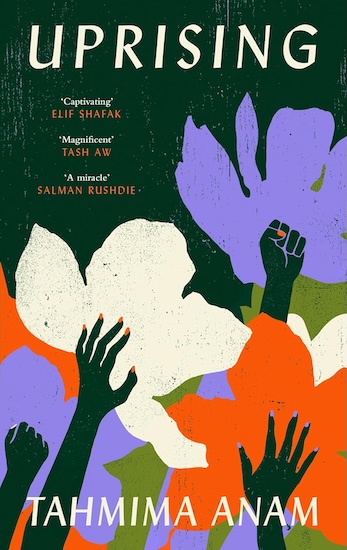
Uprising
On a sinking island off the coast of Bangladesh, a community of women and children lives under the brutal control of Amma, a madam who buys and sells women trapped in sexual exploitation. The children grow up watching their mothers endure violence and servitude, dreaming of a freedom they can barely imagine. Everything begins to change when Kusum Khan, an educated young woman from the city, arrives on the island and refuses to accept her fate. Inspired by her defiance, the women begin to challenge the system that has kept them captive for generations. Told through the collective voice of the island’s children, Uprising is a powerful story of resistance, female solidarity, and the fight to reclaim one’s life. Against the backdrop of environmental vulnerability and entrenched inequality, Tahmima Anam explores how even the most oppressed can find the courage to imagine another world.
Bangladesh
2026
10
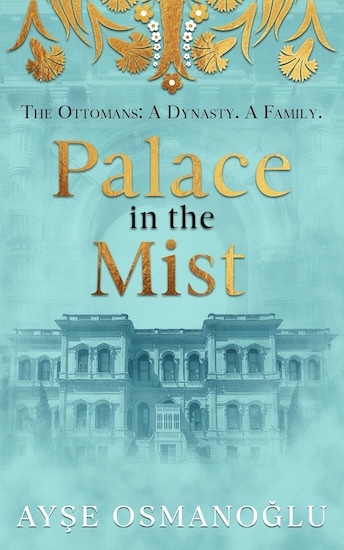
Palace in the Mist
Istanbul, 1906. The Ottoman Empire stands on the brink of transformation as political conspiracies and revolutionary movements threaten centuries of imperial rule. Behind the walls of Yıldız Palace, Sultan Abdülhamid II struggles to preserve his authority, while in Macedonia, a young Ottoman officer must choose between loyalty to the Sultan and his secret commitment to the Young Turk movement. Meanwhile, Prince Selahaddin and his family long for freedom within their gilded confinement. As revolution gathers momentum, personal loyalties collide with political ambition, and the fate of an empire becomes inseparable from the lives of those born to rule it. Drawing on family memories and historical research, Ayşe Osmanoğlu brings the twilight of the Ottoman dynasty to life through an intimate portrait of family, duty, and upheaval.
Türkiye
2026
11
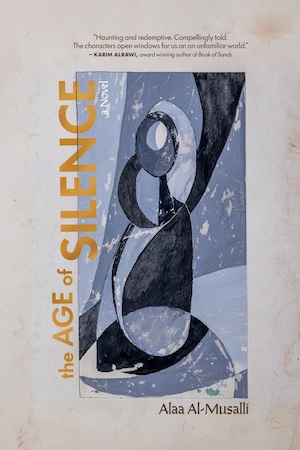
The Age of Silence
In Baghdad, under Saddam Hussein’s dictatorship, Bedria fights to hold her family together as war, political repression, and bitter rivalries threaten to destroy everything she loves. With one son missing in battle and a family fortune fuelling resentment among relatives, she faces struggles that extend far beyond the battlefield. Bound by the silence imposed by political power and cultural expectations, Bedria must navigate a world where women carry enormous burdens while their suffering remains largely unseen. Inspired by real events during the Iran–Iraq War and the Gulf War, The Age of Silence is a moving family saga about the hidden costs of conflict, the sacrifices of motherhood, and the wounds that survive long after the fighting ends. It is a tribute to the women who quietly endure war while fighting to preserve their families, their dignity, and their hope.
Iraq
2026
12
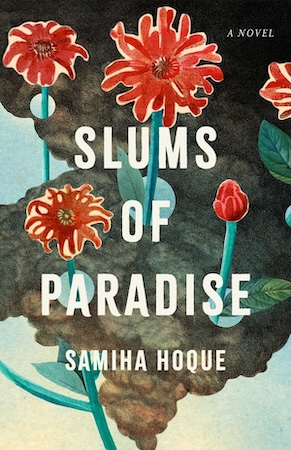
Slums of Paradise
In 1970s Sylhet, Bangladesh, eleven-year-old Sumaya grows up sheltered by her family’s wealth, while fifteen-year-old Murshed lives under the shadow of his father’s controversial political loyalties. As the Bangladesh Liberation War tears the country apart, a chance encounter binds their lives together in ways neither could imagine. Four decades later, their children, Hinna and Burhaan, meet at a family gathering. Raised in America, Hinna longs for independence from the traditions governing her future, while Burhaan struggles with the inherited stigma and resentment surrounding his family. Drawn to each other despite the forces working against them, they must confront the secrets, loyalties, and political wounds passed down through generations. Spanning two eras, Slums of Paradise explores how war reshapes families long after the fighting ends, questioning whether love can overcome the weight of history and whether a new generation can escape the mistakes of the past.
Bangladesh
2026