Historical Fiction
All countries
Afghanistan
Albania
Algeria
Angola
Antigua and Barbuda
Argentina
Armenia
Australia
Austria
Azerbaijan
Bangladesh
Barbados
Belize
Benin
Bosnia and Herzegovina
Brazil
Bulgaria
Burundi
Canada
Chile
China
Congo, Democratic Republic
Côte d’Ivoire (Ivory Coast)
Croatia
Cuba
Cyprus
Denmark
Djibouti
Dominica
Dominican Republic
Egypt
El Salvador
Ethiopia
Fiji
France
Georgia
Germany
Ghana
Greece
Guatemala
Hungary
Iceland
India
Indonesia
Iran
Iraq
Ireland
Italy
Jamaica
Japan
Kazakhstan
Kenya
Kuwait
Latvia
Lebanon
Liberia
Libya
Madagascar
Malaysia
Mali
Mexico
Moldova
Morocco
Mozambique
Myanmar
Netherlands
Nigeria
North Korea
Oman
Pakistan
Palestine
Philippines
Poland
Portugal
Puerto Rico
Romania
Rwanda
Saudi Arabia
Senegal
Sierra Leone
Singapore
Slovenia
South Africa
South Korea
Spain
Sri Lanka
Sudan
Sweden
Switzerland
Syria
Taiwan
Tanzania
Thailand
Tunisia
Türkiye
Turkmenistan
Uganda
Ukraine
United Arab Emirates
United Kingdom
United States
Uruguay
Uzbekistan
Vietnam
Yemen
Zambia
Zimbabwe
1
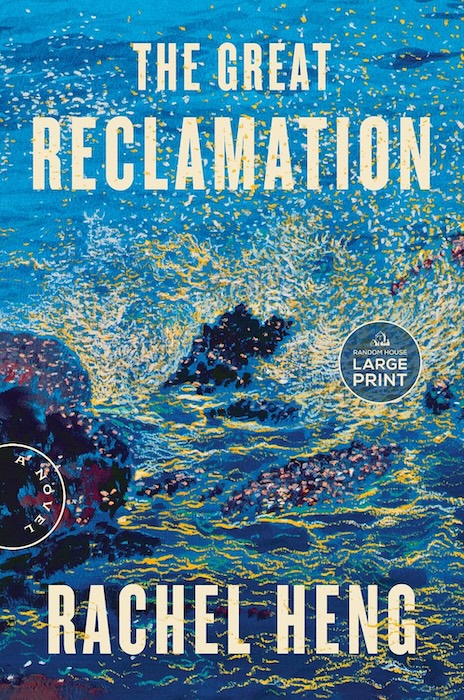
The Great Reclamation
Set against the dramatic transformation of twentieth-century Singapore, The Great Reclamation follows Lee Ah Boon, a gentle boy growing up in a coastal fishing village during the final years of British colonial rule. More interested in playing with his childhood companion, Siok Mei, than in fishing, Boon discovers he possesses an extraordinary ability: he can locate mysterious, shifting islands rich with fish that no one else can find. His discovery gives him a newfound purpose within his community and deepens his connection to Siok Mei.
But history soon disrupts their sheltered world. The Japanese occupation during the Second World War, the rise of political resistance, and Singapore’s journey towards independence bring profound changes to the village. As the government pursues ambitious land reclamation projects in the name of progress, Boon and Siok Mei find themselves on opposing sides of an increasingly divided society.
Blending historical fiction, magical realism, and an intimate love story, Heng’s novel explores the costs of modernisation, the legacies of colonialism, and the tension between personal loyalty and collective progress. Through Boon’s journey, the novel asks what it means to call a place home when the land itself—and the society built upon it—is constantly changing.
Singapore
2023
2
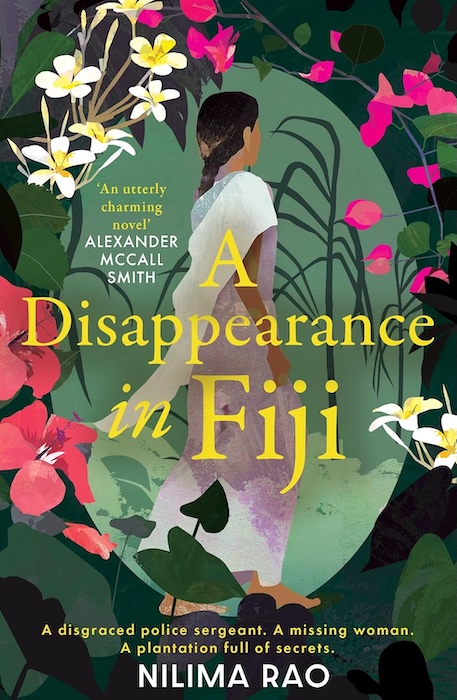
A Disappearance in Fiji
Set in Fiji in 1914, A Disappearance in Fiji follows Akal Singh, a 25-year-old Indian police sergeant whose promising career in Hong Kong has been derailed by a professional mistake. Transferred to the British colonial outpost of Fiji as punishment, Akal feels isolated and longs to return to India or Hong Kong. His prospects change when an Indian woman named Kunti disappears from a sugarcane plantation, prompting accusations of kidnapping and attracting unwanted public attention.
Assigned to investigate, Akal encounters conflicting accounts from plantation owners, Indian indentured labourers, and Indigenous Fijians. As he uncovers inconsistencies in their stories, he begins to suspect that the disappearance reveals something far more troubling than a simple missing-persons case.
Blending historical mystery with social commentary, Rao explores colonial racism, caste prejudice, and the exploitation of indentured Indian workers. Through Akal’s investigation, the novel reveals the inequalities underpinning colonial Fiji while examining how a detective’s understanding of justice can change when he confronts the realities of those living under oppressive systems.
Fiji
2023
3
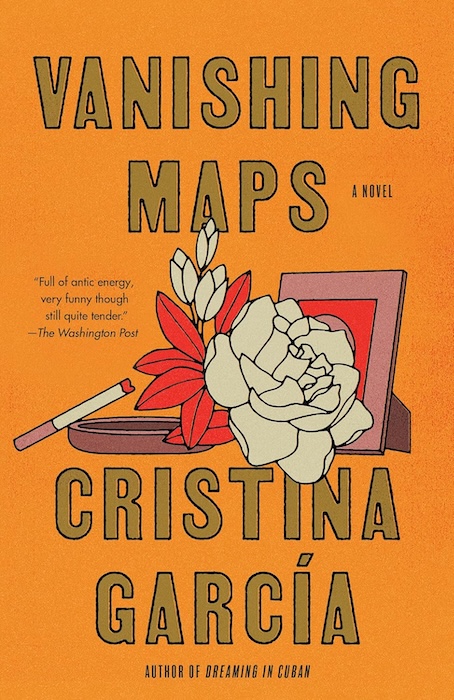
Vanishing Maps
Vanishing Maps returns to the García family, whose history of exile, migration, and political upheaval was introduced in Dreaming in Cuban. Moving between Cuba and the United States, the novel follows members of a family whose lives have been shaped by displacement, fractured relationships, and the complicated legacy of revolution. As the characters navigate different generations and cultural environments, they confront the question of what it means to belong to a country that may exist more vividly in memory than in everyday life. García explores the ways family histories are inherited, reinterpreted, and sometimes deliberately forgotten. Blending personal drama with the wider history of the Cuban diaspora, the novel examines how migration reshapes identity and how the search for home can continue long after a person has physically left it.
Cuba
2023
4
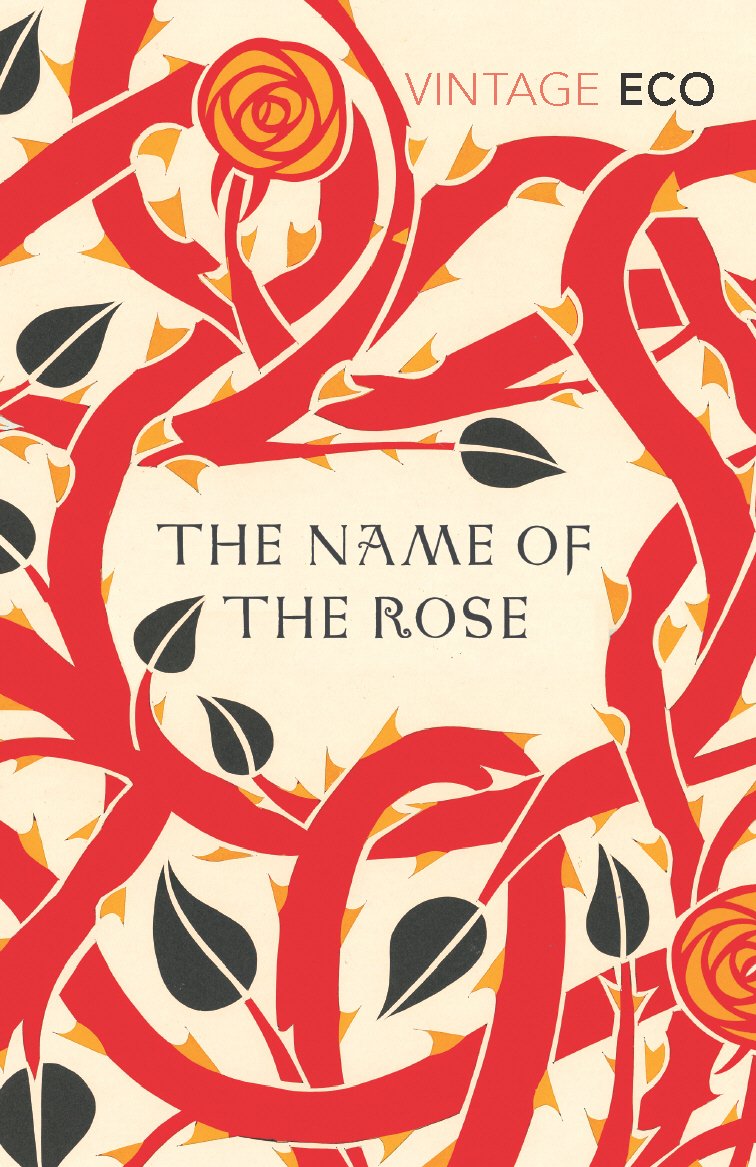
Name of the Rose
The Name of the Rose is a historical mystery set in an Italian Benedictine abbey in 1327. William of Baskerville, a Franciscan friar with a sharp analytical mind, arrives with his young assistant Adso of Melk just as a series of mysterious deaths begins to trouble the monastery. As William investigates, he discovers that the abbey’s extraordinary library contains forbidden knowledge and that disagreements over religious doctrine have created dangerous rivalries among the monks. The investigation becomes a struggle over the relationship between faith, reason, and the control of information. Eco combines medieval history, detective fiction, and philosophical debate to explore censorship, institutional authority, and the power of books. The novel asks whether knowledge can remain free when institutions fear the consequences of questioning established beliefs, revealing how the pursuit of truth can become dangerous in a world governed by rigid authority.
Italy
2023
5
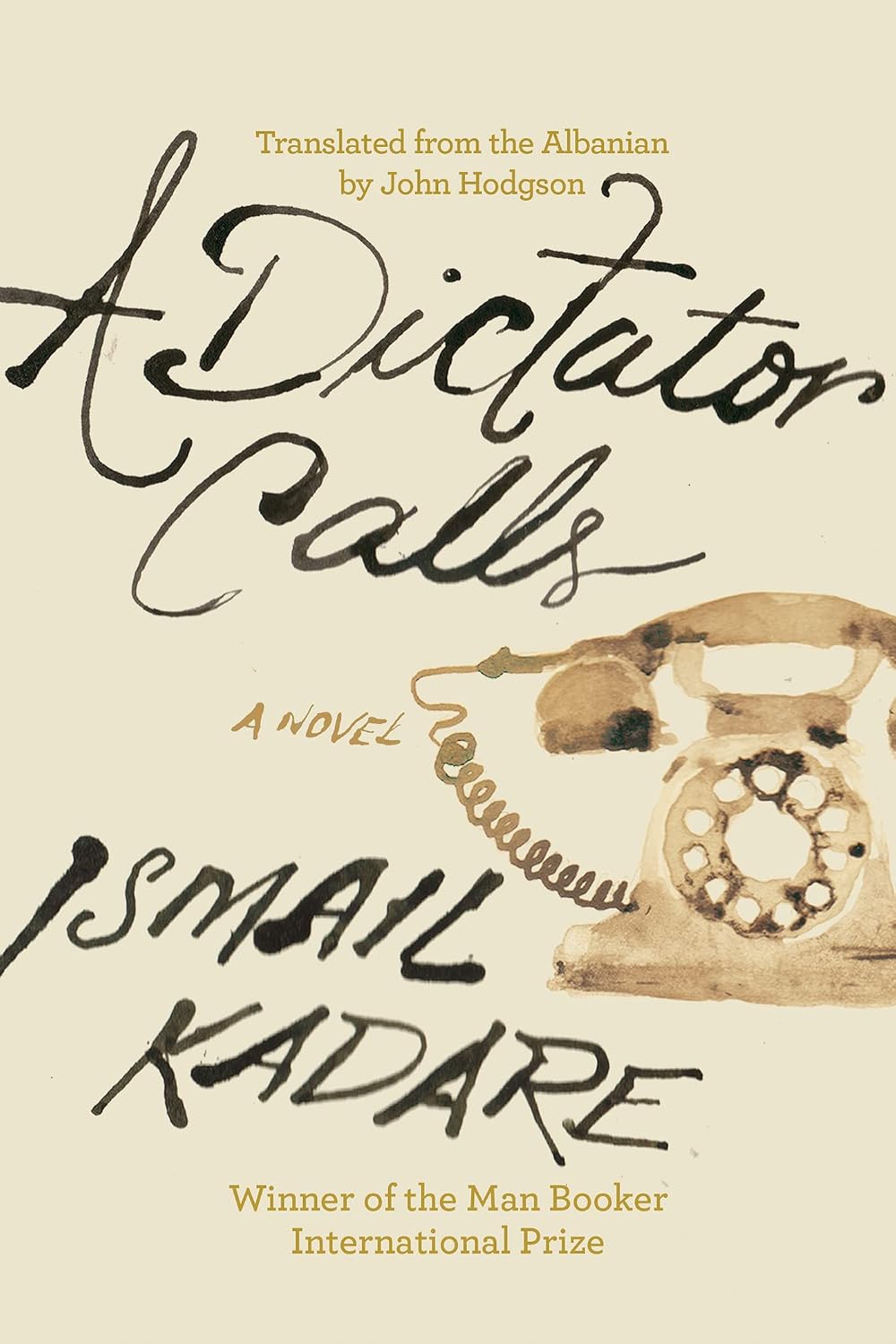
Dictator Calls
A Dictator Calls explores the relationship between literature and political power through a fictionalised account of the Soviet writer Boris Pasternak and his interactions with Joseph Stalin. After Pasternak receives an unexpected telephone call from the Soviet dictator, the episode becomes a defining moment in his life, exposing the dangerous uncertainty faced by writers under authoritarian rule. Kadare examines how a seemingly brief conversation can reveal the enormous imbalance between an artist and a political leader whose decisions can determine a person’s survival. Blending historical detail with literary reflection, the novel considers the compromises writers make to continue working under censorship and the ways political authority attempts to control artistic expression. Kadare also reflects on the complicated relationship between writers and the regimes that both suppress and exploit them. The book examines fear, conscience, and the enduring struggle to preserve intellectual freedom under dictatorship.
Albania
2023
6
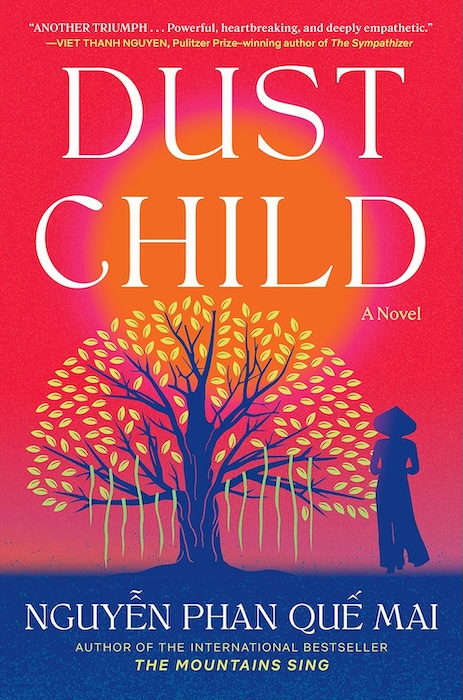
Dust Child
Dust Child follows several characters whose lives were shaped by the Vietnam War and its long aftermath. In 1969, young Trang and her sister leave their rural village for Saigon, hoping to earn money for their struggling family. There, Trang becomes involved with an American serviceman, an encounter that changes the course of her life. Decades later, Phong, a Vietnamese man born to a Vietnamese mother and an African American father, searches for a way to leave Vietnam with his family. Meanwhile, an American veteran returns to the country he once fought in, hoping to confront his memories and make amends. As their stories intersect, the novel examines the lasting effects of war on families, particularly those who were marginalised or abandoned. Nguyễn Phan Quế Mai explores identity, parenthood, prejudice, and the possibility of reconciliation across generations.
Vietnam
2023
7
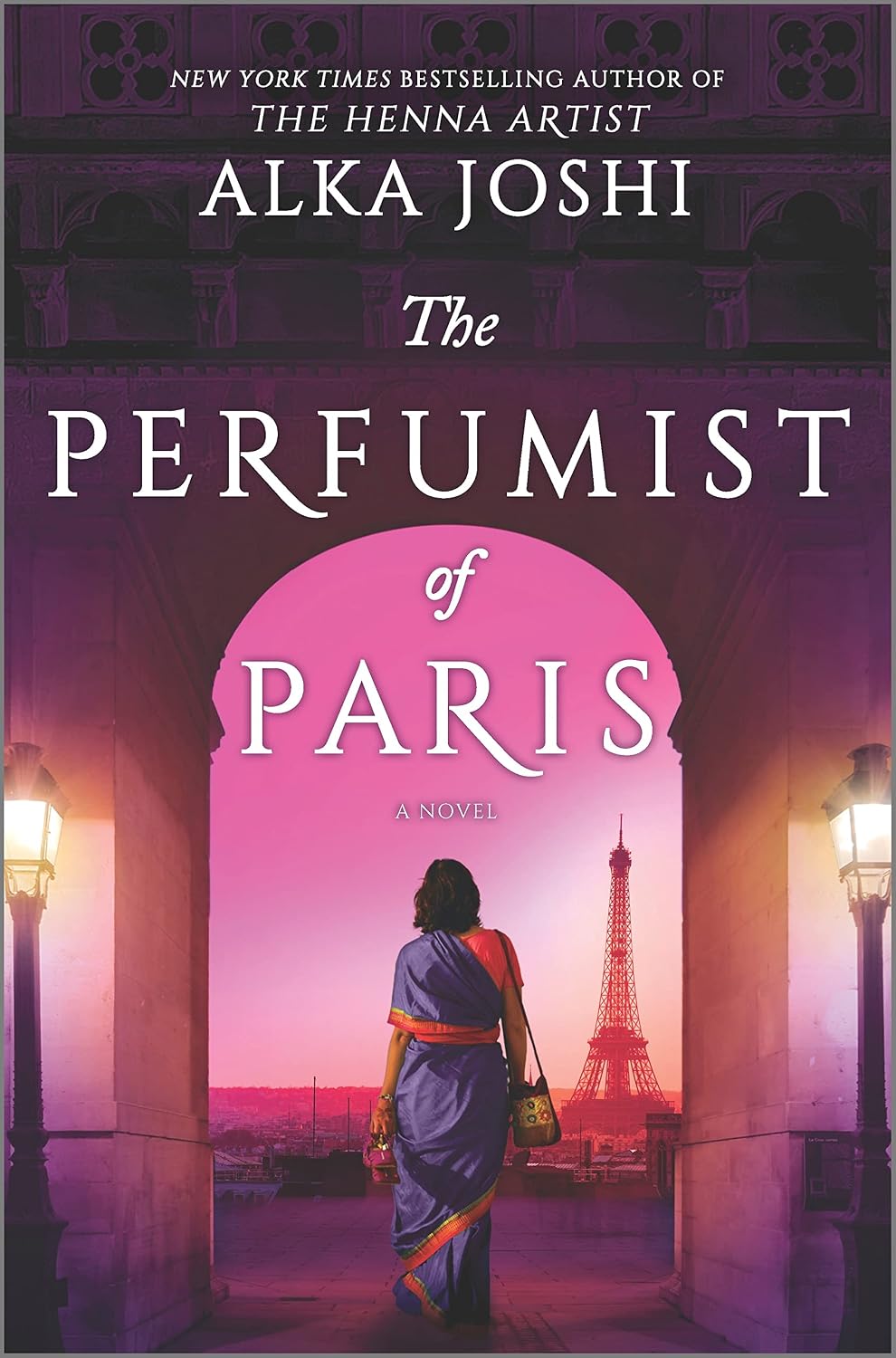
Perfumist of Paris
The Perfumist of Paris follows Radha, the younger sister introduced in The Henna Artist, as she builds a career in the world of perfumery in 1970s Paris. Having developed her talent for creating fragrances, Radha works to establish herself professionally while navigating marriage, motherhood, and the expectations placed upon her as an Indian woman living abroad. Her ambition to become an accomplished perfumer requires her to make difficult choices about the balance between her professional aspirations and her responsibilities to her family. As she encounters new opportunities and challenges, Radha must confront questions about independence, belonging, and the kind of future she wants to create. Joshi explores the relationship between creativity and self-expression, using the evocative world of perfume to examine memory, cultural heritage, and the complex process of developing an identity that embraces both personal ambition and family ties.
India
2023
8
By the Sea
By the Sea follows Saleh Omar, an elderly man from Zanzibar who arrives in England seeking asylum, carrying little more than a small suitcase and a box of fragrant incense. Unable or unwilling to explain his past fully, he becomes entangled in a complex history of family conflict, political upheaval, and personal betrayal. His story gradually intersects with that of Latif Mahmud, another Tanzanian exile whose family history is closely connected to Saleh’s own. As the two men confront their shared past, the novel explores displacement, memory, and the uncertain meaning of belonging. Through their conflicting recollections, Gurnah reveals how personal narratives are shaped by loss and resentment, while examining the emotional and cultural challenges faced by those forced to rebuild their lives far from home.
Tanzania
2023
9
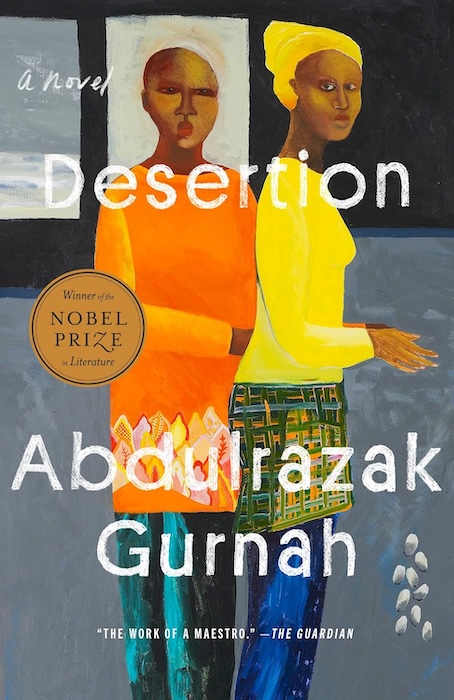
Desertion
Spanning several decades in East Africa, Desertion examines love, social divisions, and the enduring consequences of colonialism. The story begins in the late nineteenth century, when an English traveller, Martin Pearce, falls ill in a small coastal town and is cared for by Rehana, a local woman whose own life has been marked by abandonment. Their relationship challenges the racial and cultural boundaries of the colonial society in which they live. Generations later, their descendants continue to grapple with the complicated legacy of this relationship and the secrets surrounding their family history. Moving between different periods and perspectives, Gurnah explores how private choices become entangled with larger historical forces, revealing the lasting influence of prejudice, memory, and inherited expectations.
Tanzania
2023
10
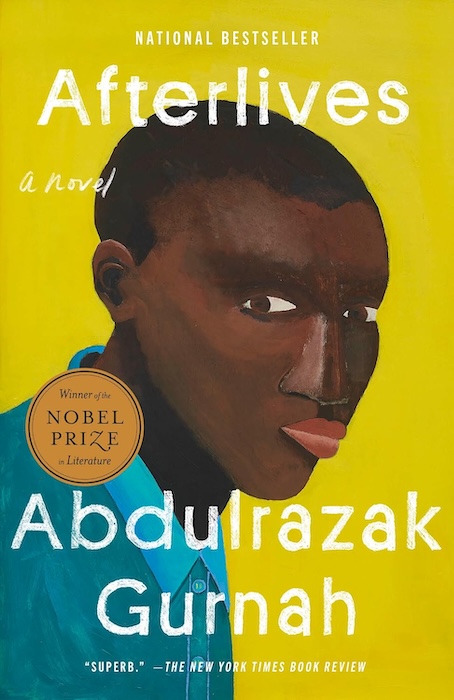
Afterlives
Set in German-occupied East Africa during the early twentieth century, Afterlives follows several characters whose lives are shaped by colonialism, war, and the struggle for independence. When young Ilyas returns to his village after being taken away by German colonial forces, he discovers that his family has been torn apart. His sister Afiya faces hardship and neglect before finding a new home, while Hamza, a former soldier in the German colonial army, attempts to build a peaceful life after experiencing the brutality of war. As their stories gradually intersect, Gurnah explores the lasting consequences of colonial violence and the ways historical trauma shapes individuals and communities across generations.
Tanzania
2023
11
Tomorrow I Become a Woman
Tomorrow I Become a Woman follows three Nigerian women whose lives are shaped by the expectations, traditions, and social pressures surrounding womanhood. Set in contemporary Nigeria, the novel explores the tensions between personal freedom and cultural obligations, particularly in a society where women’s choices about marriage, education, sexuality, and independence are often constrained by family and community expectations.
Through the experiences of its female characters, Aiwanose Odafen examines how women navigate relationships, confront unequal power structures, and struggle to define themselves on their own terms. The novel also explores the influence of religion, tradition, and social class on women’s lives, revealing the emotional costs of conforming to expectations that may conflict with their own desires. With an intimate focus on female friendship, resilience, and self-discovery, Tomorrow I Become a Woman asks what it means to become a woman in a world that has already decided what womanhood should look like.
Nigeria
2023
12
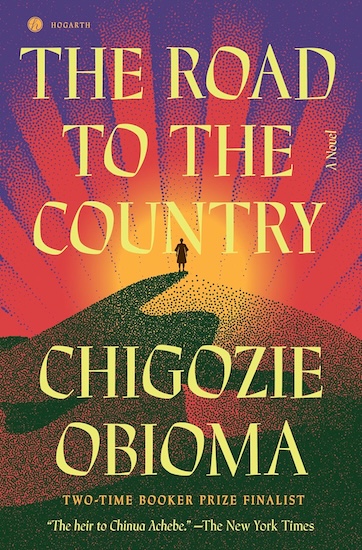
The Road to the Country
Nigeria, 1967. When Kunle Aromire discovers that his younger brother, Tunde, has disappeared into the breakaway territory of Biafra during the Nigerian Civil War, he sets out on a desperate mission to find him. Haunted by guilt over a childhood accident that left Tunde disabled, Kunle feels compelled to bring his brother home. But his search takes an unexpected turn when he crosses into Biafran territory and is forcibly conscripted into its army.
Thrown into a conflict he barely understands, Kunle must navigate the brutal realities of warfare while forming unlikely friendships with fellow soldiers. He also encounters Agnes, a courageous woman whose presence challenges his understanding of love, sacrifice, and duty. Alongside the horrors of battle, mystical prophecies shape Kunle’s journey, blurring the boundaries between fate and free will.
Blending historical realism with Igbo folklore and spirituality, The Road to the Country explores brotherhood, guilt, and the devastating human cost of civil war. Through one young man’s search for redemption, Obioma illuminates a pivotal and painful chapter of Nigerian history, asking how people preserve their humanity when their country is torn apart.
Nigeria
2024