Historical Fiction
All countries
Afghanistan
Albania
Algeria
Angola
Antigua and Barbuda
Argentina
Armenia
Australia
Austria
Azerbaijan
Bangladesh
Barbados
Belize
Benin
Bosnia and Herzegovina
Brazil
Bulgaria
Burundi
Canada
Chile
China
Congo, Democratic Republic
Côte d’Ivoire (Ivory Coast)
Croatia
Cuba
Cyprus
Denmark
Djibouti
Dominica
Dominican Republic
Egypt
El Salvador
Ethiopia
Fiji
France
Georgia
Germany
Ghana
Greece
Guatemala
Hungary
Iceland
India
Indonesia
Iran
Iraq
Ireland
Italy
Jamaica
Japan
Kazakhstan
Kenya
Kuwait
Latvia
Lebanon
Liberia
Libya
Madagascar
Malaysia
Mali
Mexico
Moldova
Morocco
Mozambique
Myanmar
Netherlands
Nigeria
North Korea
Oman
Pakistan
Palestine
Philippines
Poland
Portugal
Puerto Rico
Romania
Rwanda
Saudi Arabia
Senegal
Sierra Leone
Singapore
Slovenia
South Africa
South Korea
Spain
Sri Lanka
Sudan
Sweden
Switzerland
Syria
Taiwan
Tanzania
Thailand
Tunisia
Türkiye
Turkmenistan
Uganda
Ukraine
United Arab Emirates
United Kingdom
United States
Uruguay
Uzbekistan
Vietnam
Yemen
Zambia
Zimbabwe
1
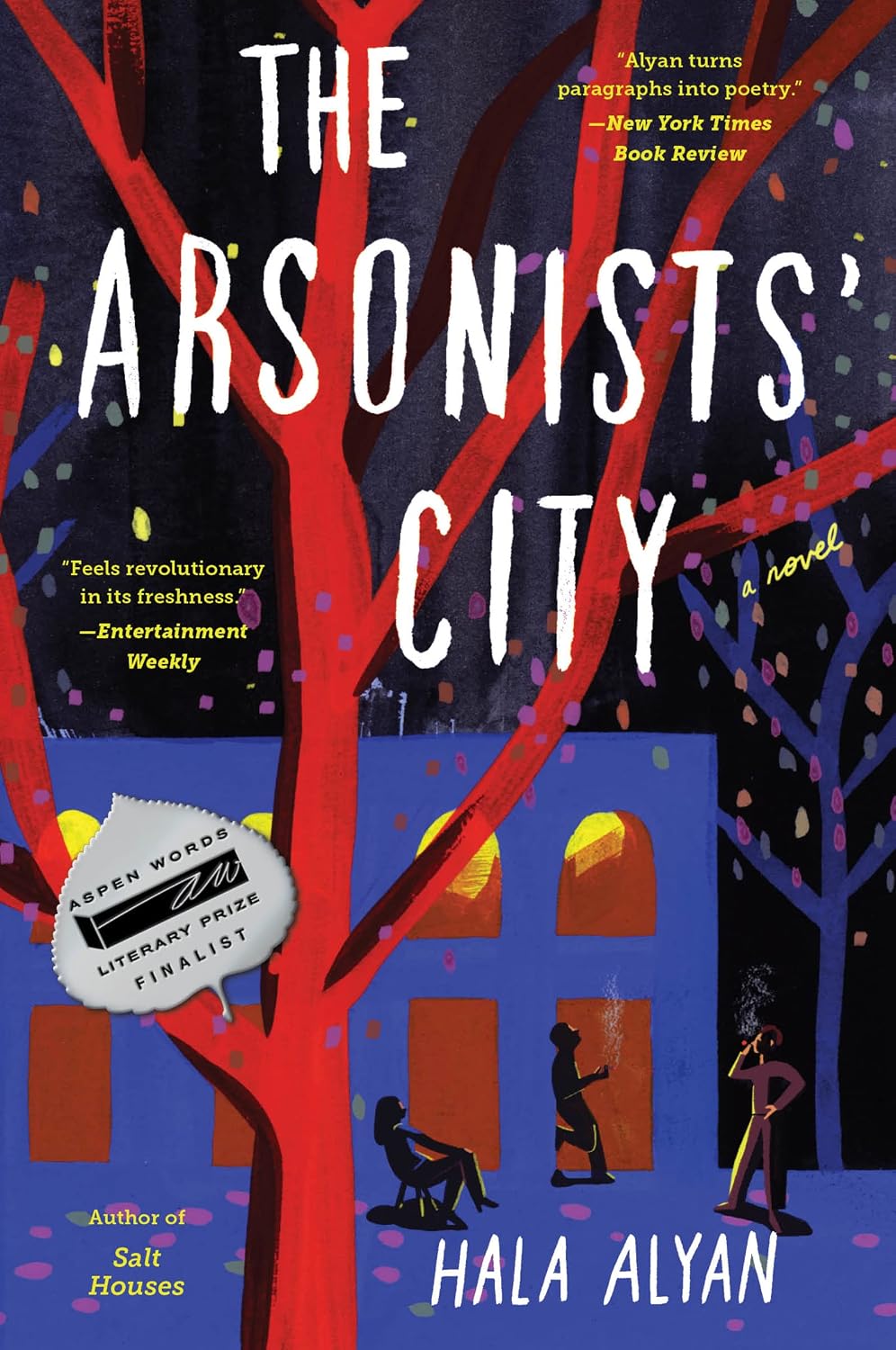
The Arsonists' City
The Arsonists’ City follows the Nasr family, whose members are scattered across Beirut and the United States but remain connected by their shared history and their ancestral home in Lebanon. When Idris decides to sell the Beirut house following his father’s death, his wife, Mazna, and their three adult children return to prevent the sale. Their reunion brings buried secrets, old romantic entanglements, and unresolved resentments to the surface. Through shifting timelines, Alyan reveals how the family came together and how migration, political conflict, and personal choices gradually shaped their relationships. Each family member has developed a different understanding of home, belonging, and responsibility, creating tensions that threaten to pull them apart. Against the backdrop of Lebanon’s turbulent history, the novel explores intergenerational trauma, cultural identity, and the complicated bonds that connect people to their families and places of origin.
Lebanon
2021
2
Three Apples Fell from the Sky
Set in the remote Armenian mountain village of Maran, Three Apples Fell from the Sky follows a close-knit community whose inhabitants live according to longstanding traditions, local legends, and a shared understanding of the world. When Anatolia, an elderly woman who has spent her life in the village, becomes convinced that she is about to die, an unexpected visit brings the possibility of a new beginning. Her story unfolds alongside those of other villagers, revealing old rivalries, unexpected affection, and the quiet resilience that sustains their community. Blending humour, folklore, and magical realism, Abgaryan portrays a place where hardship exists alongside everyday tenderness. The novel celebrates the strength of human connection, the importance of preserving cultural traditions, and the small miracles that can transform lives even in a community seemingly forgotten by the outside world.
Armenia
2021
3
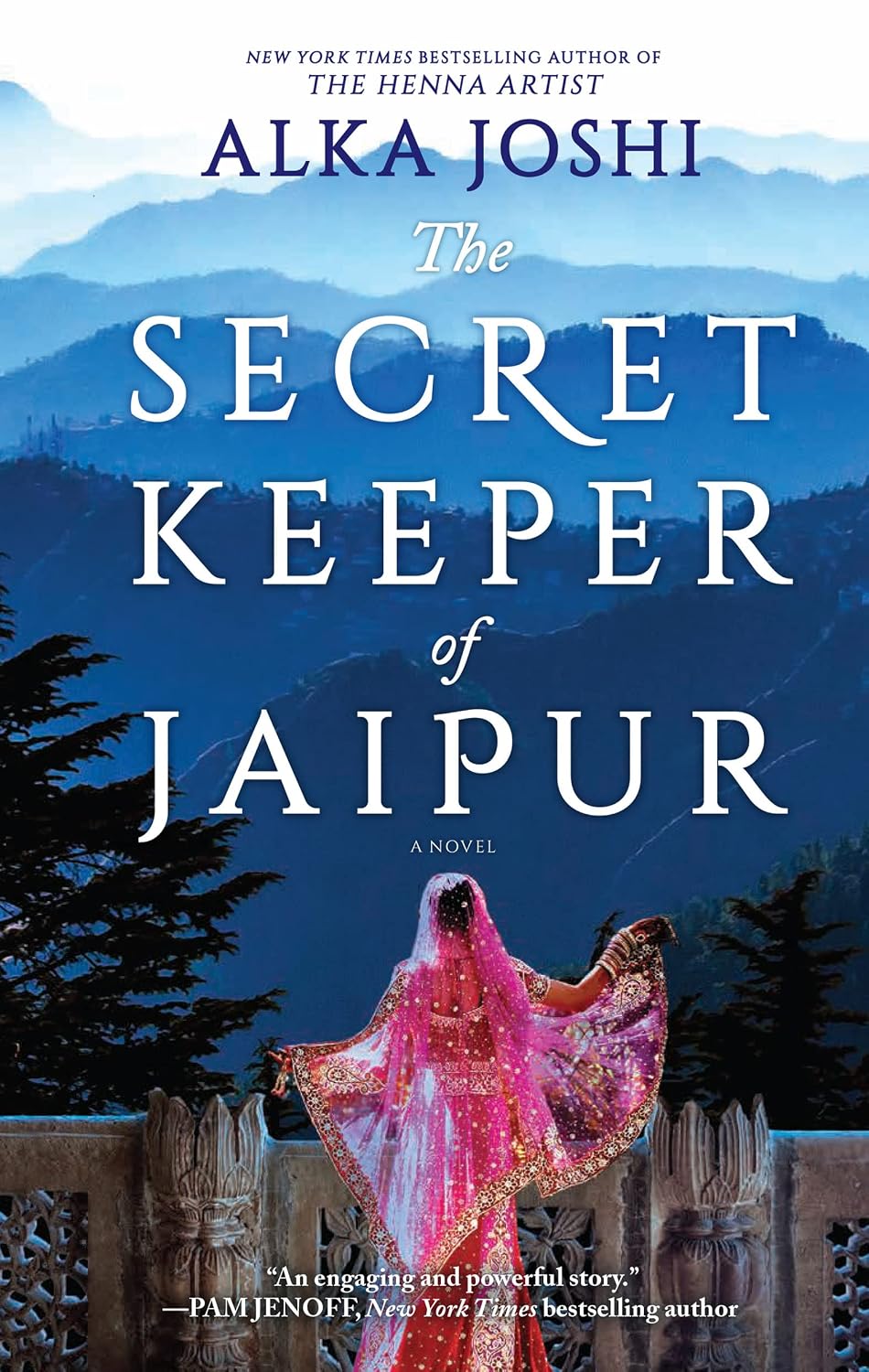
Secret Keeper of Jaipur
Set in Jaipur in 1969, The Secret Keeper of Jaipur follows Malik, a young man who returns to the city where he grew up to begin an apprenticeship at the royal palace. Under the guidance of Lakshmi, the former henna artist who has become a respected figure in the community, Malik hopes to build a promising future. His work brings him into contact with the wealthy and influential people overseeing the construction of a modern cinema. When the cinema’s balcony collapses on opening night, the resulting tragedy exposes corruption, concealed interests, and the unequal distribution of power. Suspecting that the disaster was not simply an accident, Malik begins investigating the truth, putting himself at risk as he challenges those determined to protect their reputations. Joshi examines social inequality, ambition, and the influence of wealth and privilege in a rapidly changing India.
India
2021
4
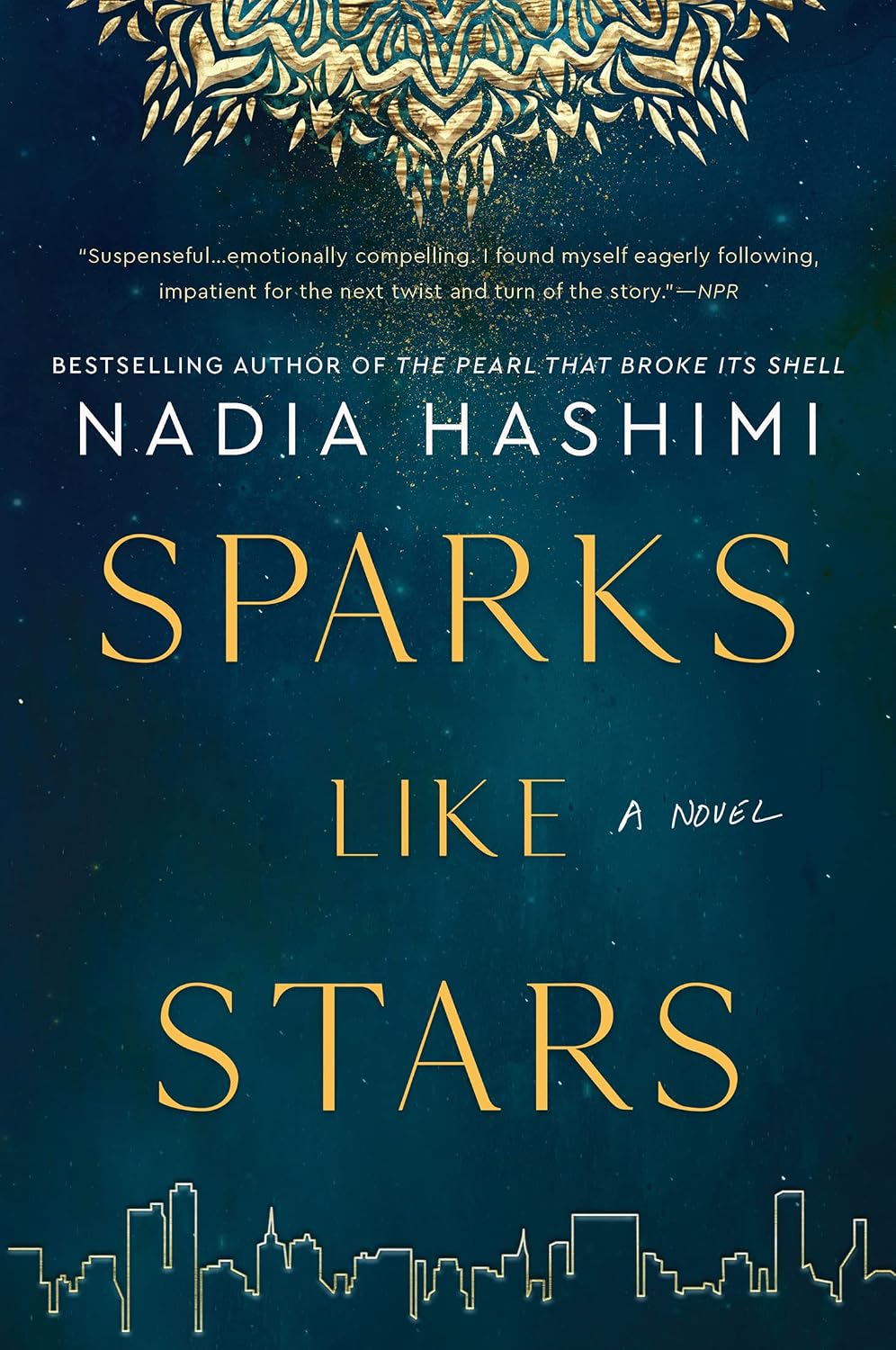
Sparks Like Stars
Sparks Like Stars begins in Kabul in 1978, when ten-year-old Sitara Zamani witnesses the violent overthrow of Afghanistan’s president and the murder of members of his household, including her family. Rescued by an American diplomat, she is taken to the United States and grows up under a new name, attempting to build a life far removed from the trauma of her childhood. Decades later, now a successful doctor in New York, she encounters a man whose appearance brings back memories she has spent years trying to suppress. Determined to uncover the truth about her past, she returns to the history she left behind. Hashimi explores the lasting effects of political violence, the fragility of memory, and the complex relationship between identity and belonging, asking whether confronting painful truths can help someone reclaim a lost part of themselves.
Afghanistan
2021
5
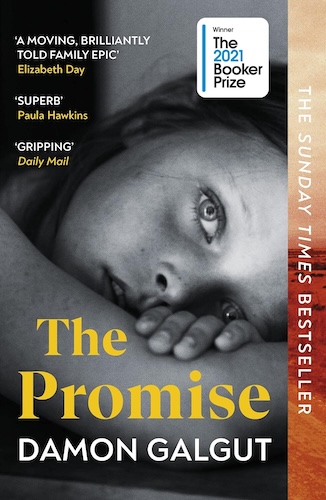
The Promise
The Promise follows the Swart family, white South Africans living on a farm outside Pretoria, across several decades of political and social transformation. The story begins with the death of Rachel, the family matriarch, who extracts a promise from her husband: that their Black domestic worker, Salome, will receive ownership of the small house where she has lived for years. However, the promise is repeatedly postponed and ultimately neglected, becoming a symbol of the family’s moral failures and the enduring inequalities of South African society. Through the lives of the Swart siblings—Anton, Astrid, and Amor—Damon Galgut examines how resentment, guilt, privilege, and personal disillusionment shape relationships across generations. The novel’s shifting narrative perspective and distinctive structure mirror the family’s fragmentation and the country’s unfinished reckoning with its past. Spanning the final years of apartheid and the decades that follow, The Promise explores the gap between words and actions, revealing how unfulfilled obligations can expose the deepest contradictions within a family and a nation.
South Africa
2021
6
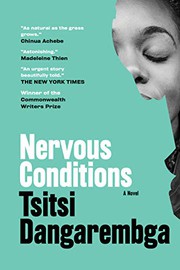
Nervous Conditions
Nervous Conditions follows Tambudzai, a young girl growing up in a poor Shona family in colonial Rhodesia, now Zimbabwe. Determined to escape the limitations imposed on her by poverty and gender, Tambu works hard to obtain an education. When her brother dies, she is given the opportunity to attend the mission school previously reserved for him, opening a path toward a future her family could never have imagined for her.
At school, Tambu becomes increasingly aware of the contradictions between traditional Shona culture and the values promoted by colonial education. Her cousin Nyasha, who has returned from England, struggles with similar tensions, rebelling against the expectations placed on her by her father and society. Through their experiences, Tsitsi Dangarembga explores the psychological effects of colonialism, the restrictions imposed on women, and the complicated relationship between education and liberation. The novel examines how family, culture, and social inequality shape identity, revealing that gaining access to new opportunities does not necessarily mean escaping oppression.
Zimbabwe
2021
7
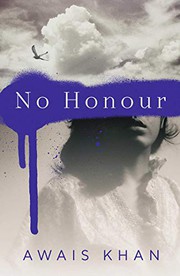
No Honour
No Honour follows sixteen-year-old Abida, who lives in a small Pakistani village governed by strict traditions and expectations surrounding family honour. Determined to choose whom she loves and build a life of her own, Abida challenges the conventions that control women’s lives. When her choices place her in grave danger, she escapes to Lahore with the help of her devoted father, Jamil, who risks everything to protect her.
As Jamil searches for his missing daughter, both are drawn into a world where the threats facing vulnerable women extend far beyond their village. Moving between rural Pakistan and the crowded streets of Lahore, Awais Khan explores the devastating consequences of honour-based violence, forced conformity, and gender inequality. The novel also examines the complicated relationship between parents and children, particularly the courage required to challenge deeply rooted cultural expectations. Through Abida’s struggle for survival and independence, No Honour becomes a powerful story about love, resilience, and the right to determine one’s own future.
Pakistan
2021
8
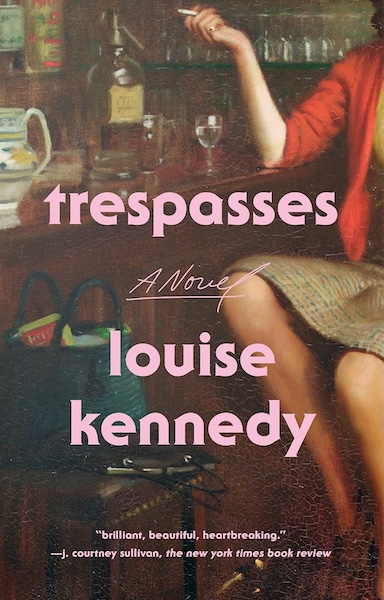
Trespasses
In 1970s Northern Ireland, as the Troubles bring violence and fear to everyday life, Cushla Lavery tries to build a future beyond the narrow confines of her small Catholic community. She teaches young children at a parochial school and helps run her family’s pub, all while caring for her troubled mother. One evening, she meets Michael Agnew, an older, married Protestant barrister known for defending IRA members. Despite the religious divisions and social dangers surrounding them, Cushla begins a passionate affair with him.
But their private relationship unfolds against a landscape where loyalties are fiercely policed and even the smallest actions can have devastating consequences. When a young pupil’s father is brutally attacked, Cushla becomes caught in a chain of events that threatens the people she loves. Tender and unflinching, Trespasses explores forbidden love, sectarian hatred, and the impossible choices faced by ordinary people living through extraordinary violence.
United Kingdom
2022
9
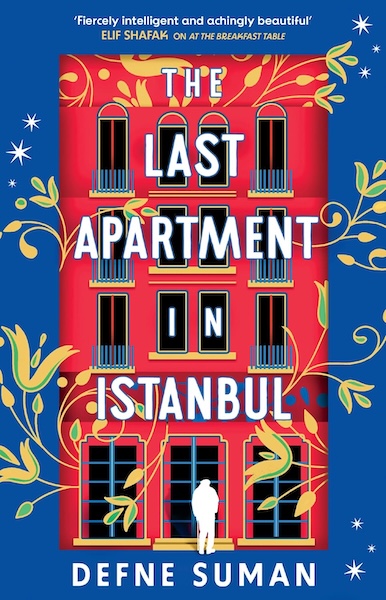
The Last Apartment in Istanbul
Pericles Drakos has lived his entire seventy-five years in Istanbul’s elegant Circle Building, watching the city transform around him. Once home to a thriving, multicultural community, his neighbourhood has gradually changed, its old inhabitants pushed aside by political tensions and gentrification. When the COVID-19 pandemic deepens his isolation, Pericles finds an unexpected connection with Leyla, a younger woman who moves into the building and happens to be a writer.
Drawn to Leyla, Pericles begins writing down the story of his life—not the version others remember, but the complicated truth of the man he once was. Through memories of love, jealousy, betrayal, and loss, he revisits the experiences of a Greek man living in Turkey, where political oppression and hostility have shaped both his personal history and his sense of belonging.
Spanning decades of Istanbul’s turbulent history, The Last Apartment in Istanbul is a poignant exploration of memory, identity, and the fragile coexistence of different communities. Defne Suman brings to life a city where private lives are inseparable from public history, asking what remains of a person when the world they knew disappears.
Türkiye
Greece
2022
10
Djinns
Every family has its secrets. Some are buried so deeply that they shape generations before anyone dares to speak them aloud.
After working in Germany for thirty years, Hüseyin Yılmaz finally fulfils his dream of buying an apartment in Istanbul, hoping to spend his retirement in his homeland. But on the very day he moves in, he dies of a heart attack. His wife, Emine, and their four children travel from Germany to Turkey for his funeral, bringing with them years of resentment, unspoken grief, and unresolved questions.
As the story unfolds through the perspectives of each family member, a complicated portrait emerges of a Turkish-Kurdish family navigating life between cultures. A son struggles to understand his sexuality, a daughter wrestles with conflicting identities, and a mother carries painful memories she has never shared. Beneath their everyday conflicts lie deeper wounds shaped by migration, racism, and the expectations of family.
With psychological depth and haunting symbolism, Fatma Aydemir explores the invisible forces that haunt us: inherited trauma, buried memories, and the secrets that pass from one generation to the next. Djinns is a powerful family saga about the longing to be understood—and the ghosts we must confront to find freedom.
Türkiye
Germany
2022
11
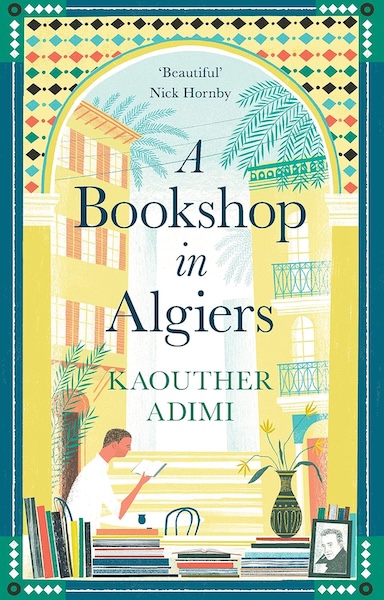
A Bookshop in Algiers
Can a small bookshop preserve the soul of a city through war, revolution, and the passing of generations?
In 1936, twenty-year-old Edmond Charlot opens a bookshop in Algiers with an ambitious dream: to create a home for writers and readers from across the Mediterranean. His little shop, Les Vraies Richesses (“Our True Riches”), becomes a cultural refuge, publishing emerging writers—including a young Albert Camus—while Algeria undergoes profound political and social change.
Decades later, the shop faces a very different future. Ryad, a young man with little interest in literature, arrives to empty its shelves before the premises are transformed into something else. But through the memories of its elderly guardian and the traces left by generations of readers, he begins to discover the extraordinary history contained within its walls.
Moving between past and present, Kaouther Adimi weaves together the story of a real literary landmark and the turbulent history of modern Algeria. A tender tribute to books, cultural memory, and the people who protect both, A Bookshop in Algiers asks what a community loses when it allows its literary heritage to disappear.
Algeria
2022
12
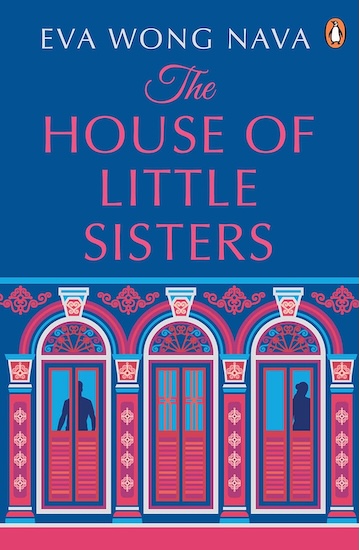
The House of Little Sisters
Singapore, 1931. Sixteen-year-old Ah Mei is sold into domestic servitude, becoming one of the mui tsai—young Chinese girls forced to serve wealthy households. When she encounters the ghost of another young servant, she begins to uncover the hidden stories of women whose lives have been shaped by exploitation and silence. As Ah Mei falls in love with Hassan, an aspiring poet, she must find the courage to challenge the social hierarchies that threaten to determine her future. Blending historical fiction, romance, and supernatural elements, this is a haunting story of resilience, forbidden love, and the struggle for freedom.
Singapore
2022