Historical Fiction
All countries
Afghanistan
Albania
Algeria
Angola
Antigua and Barbuda
Argentina
Armenia
Australia
Austria
Azerbaijan
Bangladesh
Barbados
Belize
Benin
Bosnia and Herzegovina
Brazil
Bulgaria
Burundi
Canada
Chile
China
Congo, Democratic Republic
Côte d’Ivoire (Ivory Coast)
Croatia
Cuba
Cyprus
Denmark
Djibouti
Dominica
Dominican Republic
Egypt
El Salvador
Ethiopia
Fiji
France
Georgia
Germany
Ghana
Greece
Guatemala
Hungary
Iceland
India
Indonesia
Iran
Iraq
Ireland
Italy
Jamaica
Japan
Kazakhstan
Kenya
Kuwait
Latvia
Lebanon
Liberia
Libya
Madagascar
Malaysia
Mali
Mexico
Moldova
Morocco
Mozambique
Myanmar
Netherlands
Nigeria
North Korea
Oman
Pakistan
Palestine
Philippines
Poland
Portugal
Puerto Rico
Romania
Rwanda
Saudi Arabia
Senegal
Sierra Leone
Singapore
Slovenia
South Africa
South Korea
Spain
Sri Lanka
Sudan
Sweden
Switzerland
Syria
Taiwan
Tanzania
Thailand
Tunisia
Türkiye
Turkmenistan
Uganda
Ukraine
United Arab Emirates
United Kingdom
United States
Uruguay
Uzbekistan
Vietnam
Yemen
Zambia
Zimbabwe
1
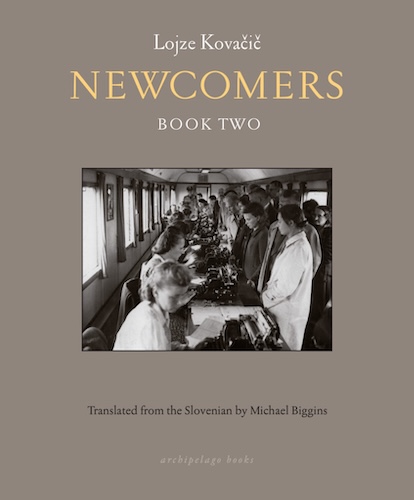
Newcomers: Book Two
The second installment of Lojze Kovačič’s Slovenian masterpiece begins with our hero, Bubi, once again making mischief in the labyrinthine streets, rooftops, bridges, abandoned butcher shops, and cinemas of wartime Ljubljana, with a coterie of scrappy sidekicks. Scenes of first sexual encounters – which are more mimicry than acts of desire – are interspersed with hijinks that replicate the violence raging across Europe. From the goofy, heady plots of childhood, Bubi emerges as a determined student of art, trading his handmade comic books for scraps of food and working day and night on a mural of Snow White for a nearby orphanage.
Kovačič’s control of language, and Michael Biggins’s expert translation, form a remarkable fidelity to a time in which a thirteen-year-old Swiss kid, exiled and yet protected from the worst horrors of the Holocaust, envisions Nazi Germany as “a gigantic, black, marble block filled with Hitler Youth brats with whom I would have to stand at attention, striking some drum.” Book Two is so packed with arresting historical detail, so attentive to the intricate material world of 1940s Ljubljana, as to render the contemporary moment flimsy in comparison.
Slovenia
2020
2

Money to Burn
Maggie and Kurt live in an old farmhouse in Nyborg, Denmark, struggling to maintain their marriage after their only daughter leaves home. Although they share a life, they seem unable to reach one another, trapped in a relationship shaped by longing, disappointment, and painful silences. As their story unfolds, the novel explores the circumstances that brought them together and the forces that have gradually shaped their lives. Their personal history intersects with one of Scandinavia’s most devastating tragedies: the 1990 fire aboard the passenger ferry Scandinavian Star, which killed 159 people. The disaster, later linked to insurance fraud, becomes a lens through which Nordenhof examines the relationship between private suffering and wider economic systems. Moving between intimate family drama and a broader critique of capitalism, the novel asks whether love can survive in a world where money determines so much of human existence. With fragmented storytelling and emotionally intense prose, Nordenhof explores how economic inequality, gender, and violence shape intimate relationships. Money to Burn is the first instalment in the Scandinavian Star series, an ambitious literary project connecting individual lives with the consequences of greed and exploitation.
Denmark
2020
3

At Night All Blood is Black
During the First World War, Alfa Ndiaye, a young Senegalese soldier fighting for the French army, watches his childhood friend and fellow soldier, Mademba, suffer a horrific battlefield injury. Mademba repeatedly begs Alfa to end his suffering, but Alfa cannot bring himself to deliver the fatal blow. Haunted by guilt and the memory of his friend’s agony, Alfa begins a terrifying transformation. Night after night, he ventures into enemy territory, killing German soldiers in increasingly brutal ways and returning to camp with their severed hands. His fellow soldiers grow frightened of him, whispering that he has become something beyond human. As Alfa’s violence intensifies, the boundaries between courage and madness, revenge and remorse, begin to dissolve. Through his increasingly fragmented narration, Diop exposes the psychological devastation of war and the dehumanising legacy of colonialism. Drawing on Senegal’s history of supplying soldiers to the French army, this haunting novel challenges conventional narratives of heroism and examines the terrible cost of turning human beings into instruments of violence. It won the 2021 International Booker Prize, shared by Diop and translator Anna Moschovakis.
Senegal
2020
4

Grey Bees
In a deserted village in eastern Ukraine, deep inside the so-called Grey Zone between Ukrainian forces and Russian-backed separatists, only two residents remain: Sergey Sergeyich, a retired mine safety inspector and devoted beekeeper, and Pashka, his former schoolmate and longtime rival. With no electricity and the constant threat of shelling, Sergeyich finds comfort in tending to his bees, whose orderly world offers a fragile contrast to the violence surrounding him.
As spring approaches, he decides to transport his beehives to safer pastures, embarking on a journey across a war-torn landscape. Along the way, he encounters soldiers and civilians on opposing sides of the conflict, including Russian occupiers and Crimean Tatars. His encounters reveal the human consequences of political division while challenging the boundaries between enemies and neighbours.
Combining dark humour, quiet compassion, and political insight, Grey Bees is a moving portrait of ordinary life amid extraordinary violence. Through Sergeyich’s devotion to his bees, Kurkov explores the persistence of humanity, the absurdity of war, and the possibility of finding common ground in a fractured world.
Ukraine
2020
5
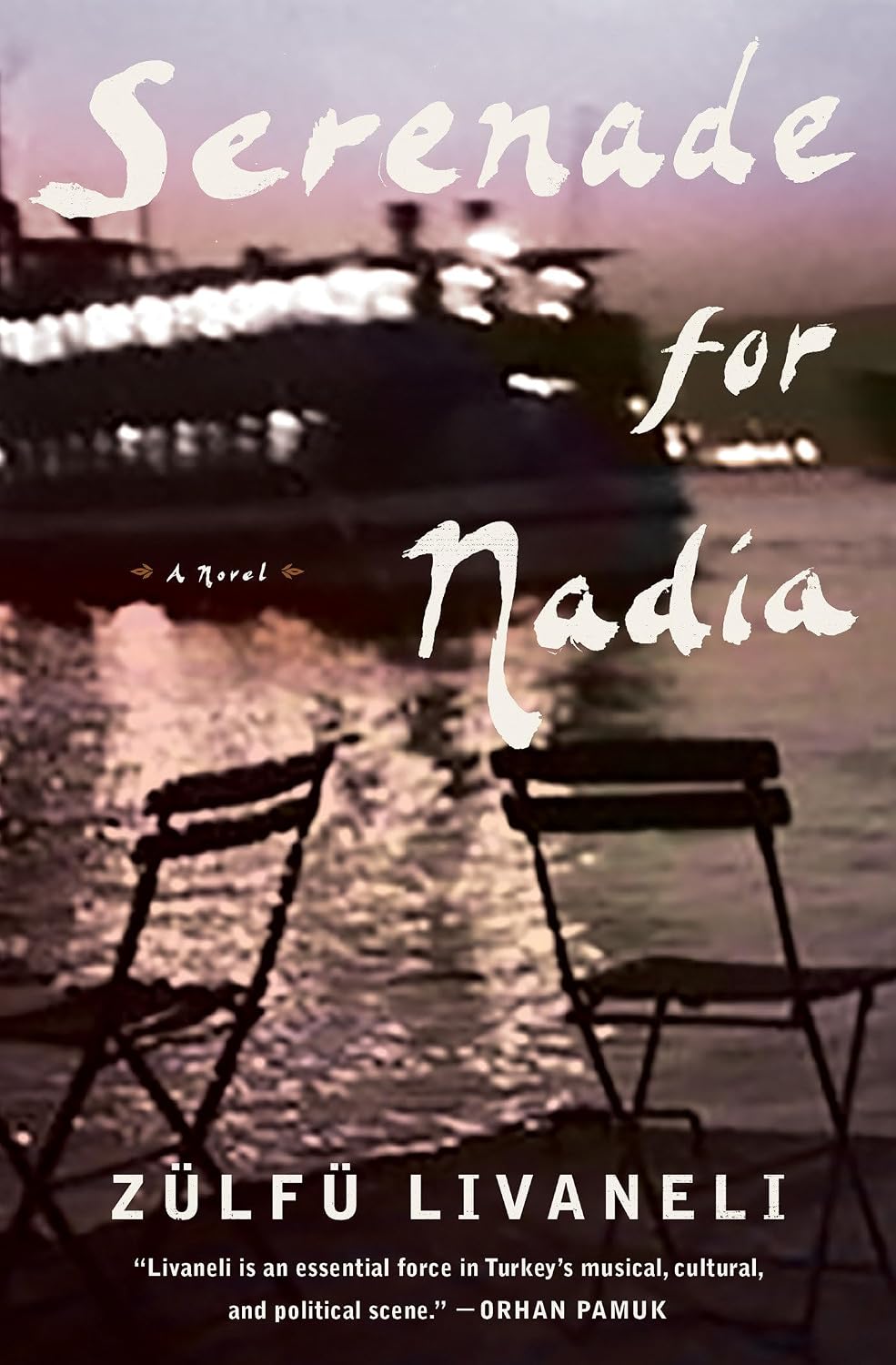
Serenade for Nadia
Serenade for Nadia follows Maya Duran, a single mother working at Istanbul University who is asked to assist an elderly German-born professor, Maximilian Wagner, during his visit to Turkey. Initially puzzled by his unusual behaviour, Maya gradually discovers that his connection to Istanbul reaches back to the Second World War. Through his memories, she learns about a forbidden love story and the fate of Jewish refugees fleeing Nazi persecution aboard the ship Struma, which sank in 1942. As the past emerges, Maya confronts painful aspects of Turkish history and the human consequences of political decisions. Livaneli weaves together romance, historical tragedy, and contemporary social tensions, exploring how love can endure across decades while examining the responsibilities of remembering those whose lives were lost through war, prejudice, and indifference.
Türkiye
2020
6

Above Us the Milky Way
Above Us the Milky Way is a story about war, immigration, and the remarkable human capacity to create beauty out of horror. As a young family attempts to reconstruct their lives in a new and peaceful country, they are daily drawn back to the first land through remembrance and longing, by news of the continued suffering and loss of loved ones, and by the war dead, who have immigrated and reside with them, haunting their days and illuminating the small joys and wonders offered them by the new land.
The novel's structure is built around the alphabet, twenty-six pieces written in the first person that sketch a through-line of memory for the lives of the five daughters, mother, and father. Ghost stories and fairytales are woven with old family photographs and medieval-style watercolor illuminations to create an origin story of loss and remembrance.
Afghanistan
2020
7
Well-Behaved Indian Women
Well-Behaved Indian Women follows three generations of Indian women as they navigate the expectations of family, culture, and personal ambition. Simran Mehta, a young Indian American woman living in New York, dreams of becoming a writer, but her aspirations conflict with her family’s hopes that she will pursue a more conventional future. Her mother, Nandini, has spent much of her life meeting the expectations placed upon her as a wife and mother, while her grandmother, Bindu, carries memories of a different India and the sacrifices required of women in her generation. As their stories intersect, long-standing tensions emerge around marriage, independence, and what it means to be a good daughter. Dave explores the complexities of cultural identity and intergenerational relationships, showing how women can honour their heritage while questioning traditions that no longer reflect who they want to become.
India
2020
8
The Henna Artist
Set in Jaipur in the 1950s, The Henna Artist follows Lakshmi, a young woman who escapes an abusive marriage and builds an independent life in the Pink City. Through her exceptional skills as a henna artist and her knowledge of traditional remedies, she becomes a trusted confidante to wealthy women, gaining access to their private lives and secrets. Lakshmi dreams of establishing her own home and achieving financial security, carefully protecting the reputation that sustains her livelihood. However, her carefully constructed world is disrupted when her estranged husband appears with a young girl who turns out to be the sister Lakshmi never knew she had. Forced to reconsider her priorities, Lakshmi must navigate the tension between independence and family responsibility. Joshi explores women’s autonomy, social hierarchy, ambition, and the possibility of creating a new life despite the limitations imposed by society.
India
2020
9
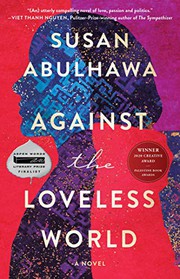
Against the Loveless World
Against the Loveless World follows Nahr, a Palestinian woman whose life is shaped by displacement, political conflict, and the struggle for independence. Born in Kuwait to Palestinian refugee parents, she dreams of finding love, raising a family, and building a stable future. Instead, a series of betrayals and difficult circumstances leads her through different countries in the Middle East, where she encounters exploitation, prejudice, and political upheaval. As the story unfolds through memories narrated from solitary confinement, Nahr reveals the experiences that shaped her transformation from a vulnerable young woman into someone determined to resist the forces controlling her life. Abulhawa explores the intersection of personal freedom and political oppression, examining how gender, exile, and economic hardship influence women’s choices. The novel is a powerful portrait of survival and the determination to claim dignity in an unjust world.
Palestine
2020
10

Minor Detail
Minor Detail by Palestinian writer Adania Shibli is a haunting novel that connects a crime committed in the Negev desert in 1949 with a contemporary woman’s search for the truth decades later. The first part recounts the abduction, rape, and murder of a young Bedouin woman by Israeli soldiers shortly after the 1948 war, presenting the events through a detached, almost clinical narrative that emphasizes the brutality of the act and the victim’s anonymity. In the second part, a Palestinian woman in Ramallah becomes obsessed with a seemingly minor detail: the exact date of the crime. Determined to investigate, she travels across checkpoints and restricted territories, confronting the physical and psychological barriers that shape life under occupation. Through spare prose and a carefully controlled structure, Shibli explores violence, historical erasure, memory, and the unequal power to tell stories. The novel asks how forgotten suffering can be recovered and what it means to seek truth in a landscape where history remains deeply contested.
Palestine
2020
11
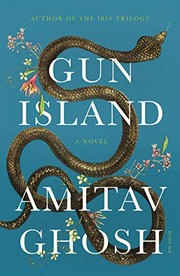
Gun Island
In Gun Island, Amitav Ghosh follows Deen Datta, a Brooklyn-based Indian rare-book dealer whose fascination with an obscure Bengali legend leads him on an unexpected journey from Kolkata to the Sundarbans and Venice. As he investigates the story of a merchant who escaped the wrath of the snake goddess Manasa Devi, Deen encounters mysterious coincidences, ancient myths, and people whose lives have been transformed by migration and environmental upheaval. Along the way, he witnesses the devastating effects of climate change, including rising seas, extreme weather, and threats to vulnerable communities. Blending folklore, history, and contemporary fiction, Ghosh explores the connections between human migration, ecological crisis, and cultural memory, questioning whether ancient stories might offer new ways of understanding the environmental challenges of the modern world.
India
2020
12

Cantoras
Set in Uruguay during the military dictatorship of the 1970s, Cantoras follows five women who find one another in a society where political dissent is brutally suppressed and homosexuality is criminalized through social persecution. Romina, Flaca, Anita, Paz, and Malena discover a remote coastal village where they can escape judgment and explore their identities, relationships, and desires. Over the next thirty-five years, their lives intertwine as they navigate love, family expectations, political repression, and personal transformation. Through their enduring friendships and shared sanctuary, Carolina De Robertis explores queer identity, chosen family, and the courage required to live authentically under oppressive circumstances. The novel is a powerful celebration of resilience, solidarity, and the freedom to define one’s own life.
Uruguay
2020