Historical Fiction
All countries
Afghanistan
Albania
Algeria
Angola
Antigua and Barbuda
Argentina
Armenia
Australia
Austria
Azerbaijan
Bangladesh
Barbados
Belize
Benin
Bosnia and Herzegovina
Brazil
Bulgaria
Burundi
Canada
Chile
China
Congo, Democratic Republic
Côte d’Ivoire (Ivory Coast)
Croatia
Cuba
Cyprus
Denmark
Djibouti
Dominica
Dominican Republic
Egypt
El Salvador
Ethiopia
Fiji
France
Georgia
Germany
Ghana
Greece
Guatemala
Hungary
Iceland
India
Indonesia
Iran
Iraq
Ireland
Italy
Jamaica
Japan
Kazakhstan
Kenya
Kuwait
Latvia
Lebanon
Liberia
Libya
Madagascar
Malaysia
Mali
Mexico
Moldova
Morocco
Mozambique
Myanmar
Netherlands
Nigeria
North Korea
Oman
Pakistan
Palestine
Philippines
Poland
Portugal
Puerto Rico
Romania
Rwanda
Saudi Arabia
Senegal
Sierra Leone
Singapore
Slovenia
South Africa
South Korea
Spain
Sri Lanka
Sudan
Sweden
Switzerland
Syria
Taiwan
Tanzania
Thailand
Tunisia
Türkiye
Turkmenistan
Uganda
Ukraine
United Arab Emirates
United Kingdom
United States
Uruguay
Uzbekistan
Vietnam
Yemen
Zambia
Zimbabwe
1
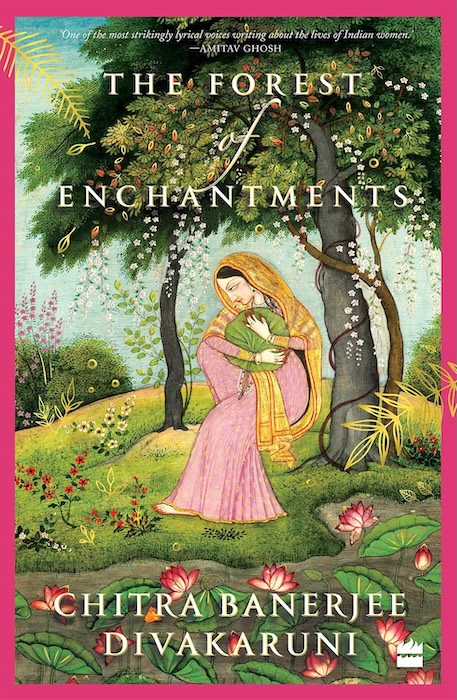
Forest of Enchantments
The Forest of Enchantments reimagines the ancient Indian epic Ramayana through the perspective of Sita, the heroine whose experiences have often been overshadowed by those of the male characters. From her early life and marriage to Prince Rama to their exile in the forest, Sita’s story unfolds as a journey marked by love, sacrifice, and difficult choices. After she is abducted by the demon king Ravana and eventually reunited with Rama, she faces further trials that challenge her dignity and independence. Divakaruni also brings attention to other women in the epic, including Kaikeyi, Surpanakha, and Mandodari, exploring the complicated motivations behind their actions. By giving these women their own voices, the novel questions traditional ideas about duty, honour, and obedience. It offers a feminist interpretation of a foundational Indian epic, examining women’s autonomy and their struggle to define themselves within a world governed by patriarchal expectations.
India
2019
2
The Beekeeper of Aleppo
The Beekeeper of Aleppo follows Nuri, a beekeeper, and his wife, Afra, an artist, as their peaceful life in Syria is destroyed by war. After suffering devastating personal losses, the couple are forced to leave their home and embark on a dangerous journey towards Britain in search of safety. Afra has lost her sight following a traumatic experience, while Nuri struggles with his own grief and the responsibility of protecting them both. As they travel through unfamiliar countries and refugee camps, their physical journey becomes intertwined with the emotional struggle to recover from trauma. Through their experiences, Lefteri explores displacement, loss, resilience, and the psychological consequences of conflict. The novel offers an intimate portrait of refugees whose lives have been transformed by circumstances beyond their control.
Syria
2019
3
Stationery Shop
Set in Tehran in 1953, The Stationery Shop tells the story of Roya, a young woman who finds refuge in a charming stationery shop filled with books, poetry, and the promise of new possibilities. There she meets Bahman, an idealistic young man who shares her love of literature and dreams of political change. Their romance develops against the backdrop of growing political unrest in Iran, culminating in the coup that overthrows Prime Minister Mohammad Mosaddegh. On the day they plan to meet and begin their future together, a series of events separates them, leaving Roya with unanswered questions for decades. Years later, an unexpected encounter offers the possibility of discovering the truth about their separation. Kamali explores love, memory, political upheaval, and the lasting consequences of misunderstandings that shape entire lives.
Iran
2019
4
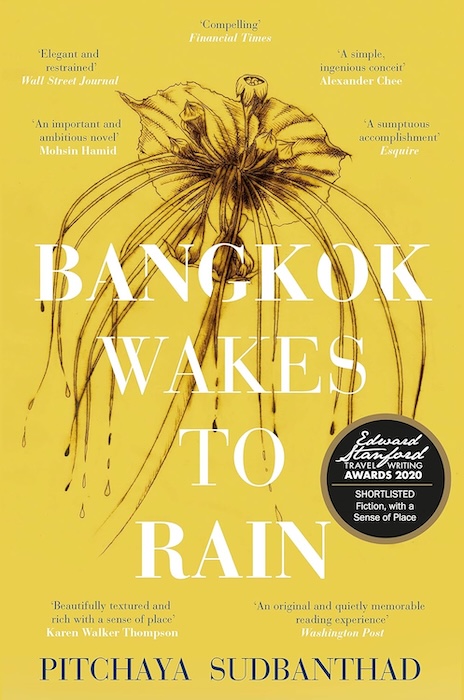
Bangkok Wakes to Rain
Bangkok Wakes to Rain weaves together the lives of people connected to a single house in Bangkok across different periods of Thai history. From a nineteenth-century missionary confronting unfamiliar beliefs to a contemporary musician navigating relationships and personal uncertainty, the novel explores how individual lives are shaped by a city constantly transformed by time, migration, and environmental change. As Bangkok expands and modernizes, recurring floods and rising waters reflect the city’s vulnerability to climate change and its complicated relationship with the natural world. Through interconnected stories that move between past, present, and imagined futures, Pitchaya Sudbanthad examines memory, colonial influence, cultural identity, and the impermanence of human existence. The novel presents Bangkok as a living, evolving character, revealing how personal histories and collective memories remain intertwined with the places people call home.
Thailand
2019
5
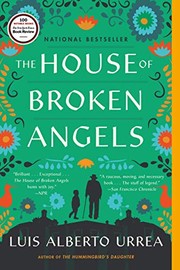
The House of Broken Angels
In The House of Broken Angels, Luis Alberto Urrea tells the story of the De La Cruz family as they gather in San Diego to celebrate the seventy-first birthday of patriarch Big Angel and the final days of their beloved matriarch, Mamá América. Over one emotionally charged weekend, siblings, children, grandchildren, and extended relatives come together, bringing unresolved conflicts, old memories, and complicated relationships to the surface. As Big Angel reflects on his life, he confronts his Mexican heritage, his experiences as an immigrant, and the legacy he will leave behind. Blending humor, grief, and tenderness, Urrea portrays the complexities of Mexican American identity and the bonds that hold families together across generations. The novel celebrates the resilience of immigrant communities while exploring mortality, belonging, cultural heritage, and the enduring power of family love.
United States
2019
6
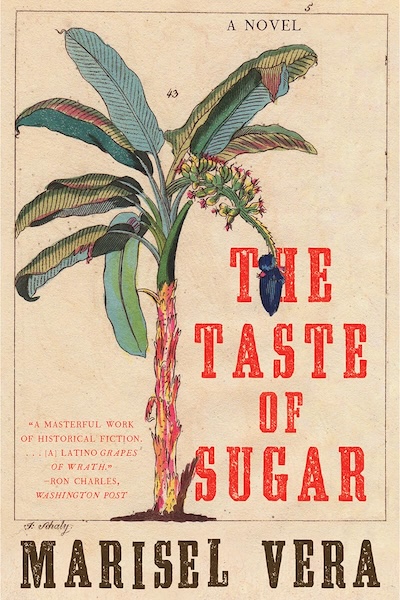
The Taste of Sugar
In late nineteenth-century Puerto Rico, seventeen-year-old Valentina Sánchez dreams of romance and a life beyond the expectations of her family. She marries Vicente Vega, a coffee farmer from the mountainous region of Utuado, hoping their love will bring happiness. But married life proves far more difficult than she imagined. Poverty, family tensions, and the struggle to keep their farm afloat threaten their future, while political upheaval transforms the island around them.
Following the Spanish-American War and the devastating San Ciriaco hurricane of 1899, Puerto Rico comes under American rule, and the Vegas lose their livelihood. Promised prosperity, Vicente and Valentina join thousands of Puerto Ricans who migrate to Hawaii to work on sugar plantations. Instead of the fresh start they hoped for, they encounter harsh working conditions, exploitation, and broken promises. Spanning generations and continents, The Taste of Sugar traces one family’s struggle to survive amid colonial domination and economic injustice. Marisel Vera brings a neglected chapter of Puerto Rican history to life, exploring how love, family, and resilience endure when the promise of a better future comes at an extraordinary cost.
United States
Puerto Rico
2020
7
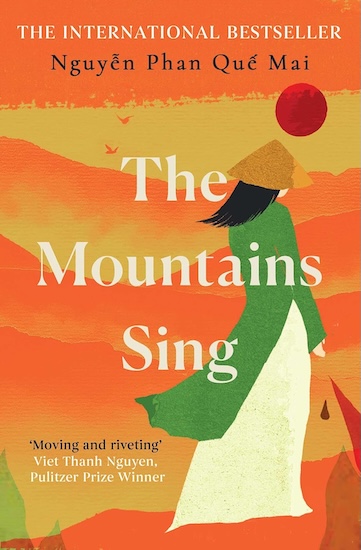
The Mountains Sing
Spanning several decades of Vietnamese history, The Mountains Sing follows the Trần family through famine, political upheaval, land reform, and the Vietnam War. The story centres on grandmother Trần Diệu Lan, who is forced to flee her family farm with her six children during the land reforms of the 1950s. Years later, her young granddaughter Hương grows up in Hanoi as the war tears her family apart and sends her parents and uncles into battle.
Through alternating perspectives, the novel reveals the extraordinary hardships endured by successive generations. While Hương tries to understand the world around her, Diệu Lan shares memories of loss, survival, and the choices she made to protect her children. Their relationship becomes a source of strength in a country where families have been divided by political loyalties, violence, and competing visions of the future.
Drawing on Vietnamese history, folklore, poetry, and cultural traditions, Nguyễn Phan Quế Mai presents a deeply personal perspective on a conflict often portrayed internationally through foreign experiences. The novel explores the lasting consequences of war while celebrating the resilience of ordinary people, the bonds between generations, and the possibility of healing through remembrance and compassion.
Vietnam
2020
8

How Much of These Hills Is Gold
In the final days of the Gold Rush, two Chinese American siblings, Lucy and Sam, find themselves orphaned in a hostile landscape where their very existence challenges the myth of the American West. Carrying their father’s body across a vast, unforgiving terrain, they search for a place to bury him and confront the secrets of their family’s past. Through memories of hunger, displacement, and their parents’ desperate pursuit of belonging, the siblings must decide what it means to inherit a country that refuses to claim them. Lyrical and haunting, C Pam Zhang’s debut reimagines the Western frontier through the eyes of those written out of its history, exploring race, family, survival, and the price of the American dream.
United States
2020
9
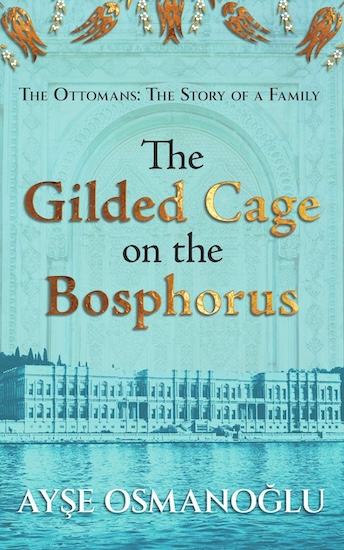
The Gilded Cage on the Bosphorus
Istanbul, 1903. Behind the guarded walls of Çırağan Palace, former Sultan Murad V and his family have spent nearly three decades in enforced confinement, prisoners of the very dynasty they belong to. As political unrest spreads and revolution threatens the Ottoman Empire, Murad fears for the future of his children and grandchildren. He dreams of their freedom, happiness, and the chance to build lives beyond the palace walls. But dangerous political plots, assassination attempts, and family scandals threaten to destroy everything he holds dear. Drawing on the history of her own imperial family, Ayşe Osmanoğlu brings the final decades of Ottoman rule to life in a richly detailed novel about family loyalty, sacrifice, and the price of power.
Türkiye
2020
10

The Beauty of Your Face
On an ordinary morning in suburban Chicago, a masked gunman storms an Islamic school, forcing principal Afaf Rahman to confront the memories she has spent a lifetime trying to escape. As she guides her students toward safety, her thoughts return to her childhood as the daughter of Palestinian immigrants, her family’s struggles with faith and belonging, and the devastating events that shaped her life. From her father’s growing disillusionment with America to her sister’s rebellion and her own complicated relationship with Islam, Afaf’s story unfolds across decades of love, loss, and searching. Against a backdrop of rising Islamophobia and cultural alienation, The Beauty of Your Face explores what it means to hold on to faith when the world seems determined to turn you into an outsider. Intimate and deeply moving, it is a novel about sisterhood, resilience, and the possibility of finding beauty and belonging in the most unexpected places.
United States
2020
11
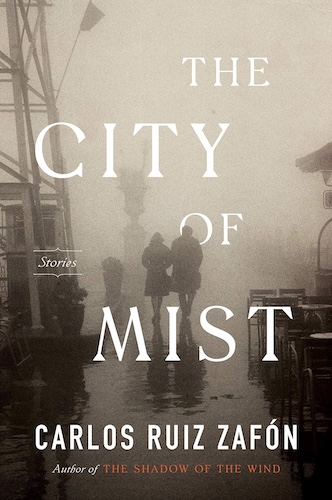
The City of Mist: Stories
In The City of Mist, Carlos Ruiz Zafón returns to the shadowy, enchanting Barcelona of his celebrated Cemetery of Forgotten Books series. This posthumous collection brings together eleven stories filled with mysterious characters, forgotten histories, supernatural encounters, and the irresistible magic of literature. Some stories expand the universe of Zafón’s bestselling novels, while others explore new corners of his richly imagined world.
A young boy discovers that writing can win the attention of the girl he loves. A labyrinth maker escapes plague-stricken Constantinople to build a library designed to withstand the destruction of time. Miguel de Cervantes encounters a mysterious stranger who offers him an extraordinary literary bargain, while the celebrated architect Antoni Gaudí embarks on a journey to New York that could determine the fate of one of his greatest creations.
Throughout the collection, Zafón blends Gothic mystery, historical imagination, dark humour, and a profound love of books. His stories transform cities into labyrinths of secrets and libraries into places where the past remains alive. Both a celebration of storytelling and a farewell to one of Spain’s most beloved modern novelists, The City of Mist invites readers to lose themselves once more in a world where every book conceals another mystery.
Spain
2020
12
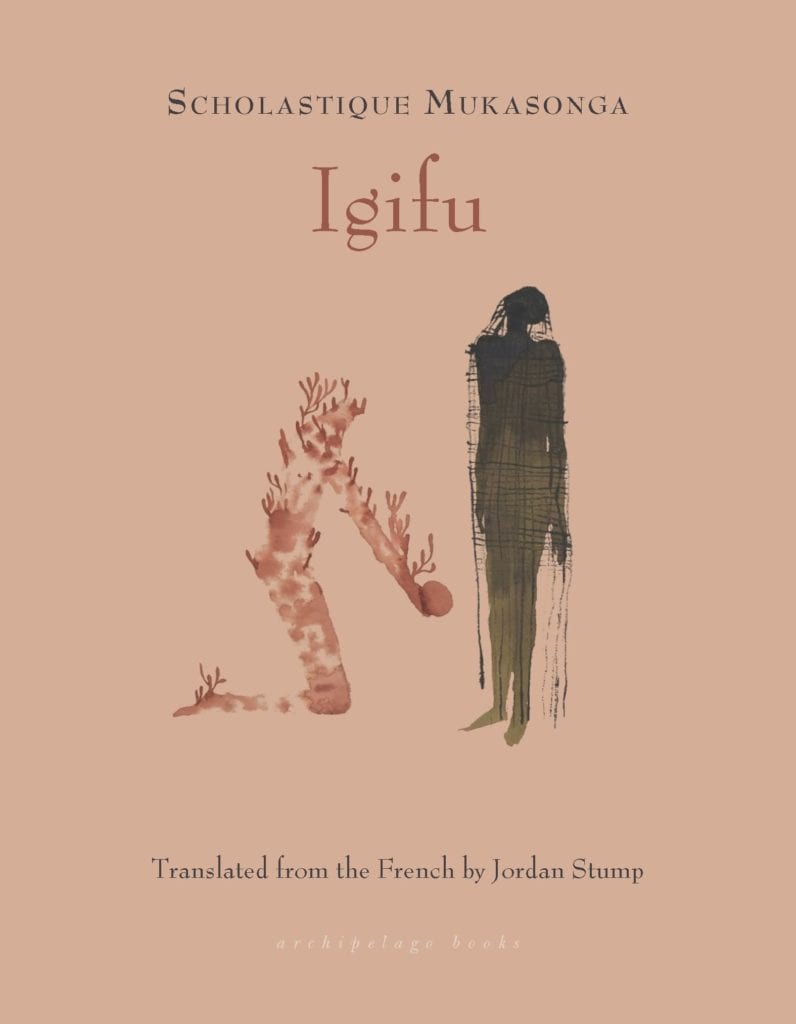
Igifu
In this haunting collection of autobiographical stories, Scholastique Mukasonga brings to life a Rwanda shaped by exile, hunger, persecution, and the enduring wounds of genocide. Through vivid memories of childhood and the traditions of the Tutsi community, she evokes a world of cattle, family rituals, rural landscapes, and fragile moments of happiness threatened by violence. In the title story, a five-year-old girl named Colomba struggles with igifu—a relentless, almost living hunger that consumes her body and imagination. Other stories explore the dignity of cattle-herding traditions, the fear that shadows children growing up amid ethnic persecution, and the devastating consequences of being a Tutsi woman in a society marked by prejudice. Yet this is not simply a book about suffering. With tenderness and remarkable clarity, Mukasonga preserves the humanity of those who were lost, ensuring that their lives, customs, and memories survive alongside the history of their tragedy.
Rwanda
2020