Historical Fiction
All countries
Afghanistan
Albania
Algeria
Angola
Antigua and Barbuda
Argentina
Armenia
Australia
Austria
Azerbaijan
Bangladesh
Barbados
Belize
Benin
Bosnia and Herzegovina
Brazil
Bulgaria
Burundi
Canada
Chile
China
Congo, Democratic Republic
Côte d’Ivoire (Ivory Coast)
Croatia
Cuba
Cyprus
Denmark
Djibouti
Dominica
Dominican Republic
Egypt
El Salvador
Ethiopia
Fiji
France
Georgia
Germany
Ghana
Greece
Guatemala
Hungary
Iceland
India
Indonesia
Iran
Iraq
Ireland
Italy
Jamaica
Japan
Kazakhstan
Kenya
Kuwait
Latvia
Lebanon
Liberia
Libya
Madagascar
Malaysia
Mali
Mexico
Moldova
Morocco
Mozambique
Myanmar
Netherlands
Nigeria
North Korea
Oman
Pakistan
Palestine
Philippines
Poland
Portugal
Puerto Rico
Romania
Rwanda
Saudi Arabia
Senegal
Sierra Leone
Singapore
Slovenia
South Africa
South Korea
Spain
Sri Lanka
Sudan
Sweden
Switzerland
Syria
Taiwan
Tanzania
Thailand
Tunisia
Türkiye
Turkmenistan
Uganda
Ukraine
United Arab Emirates
United Kingdom
United States
Uruguay
Uzbekistan
Vietnam
Yemen
Zambia
Zimbabwe
1
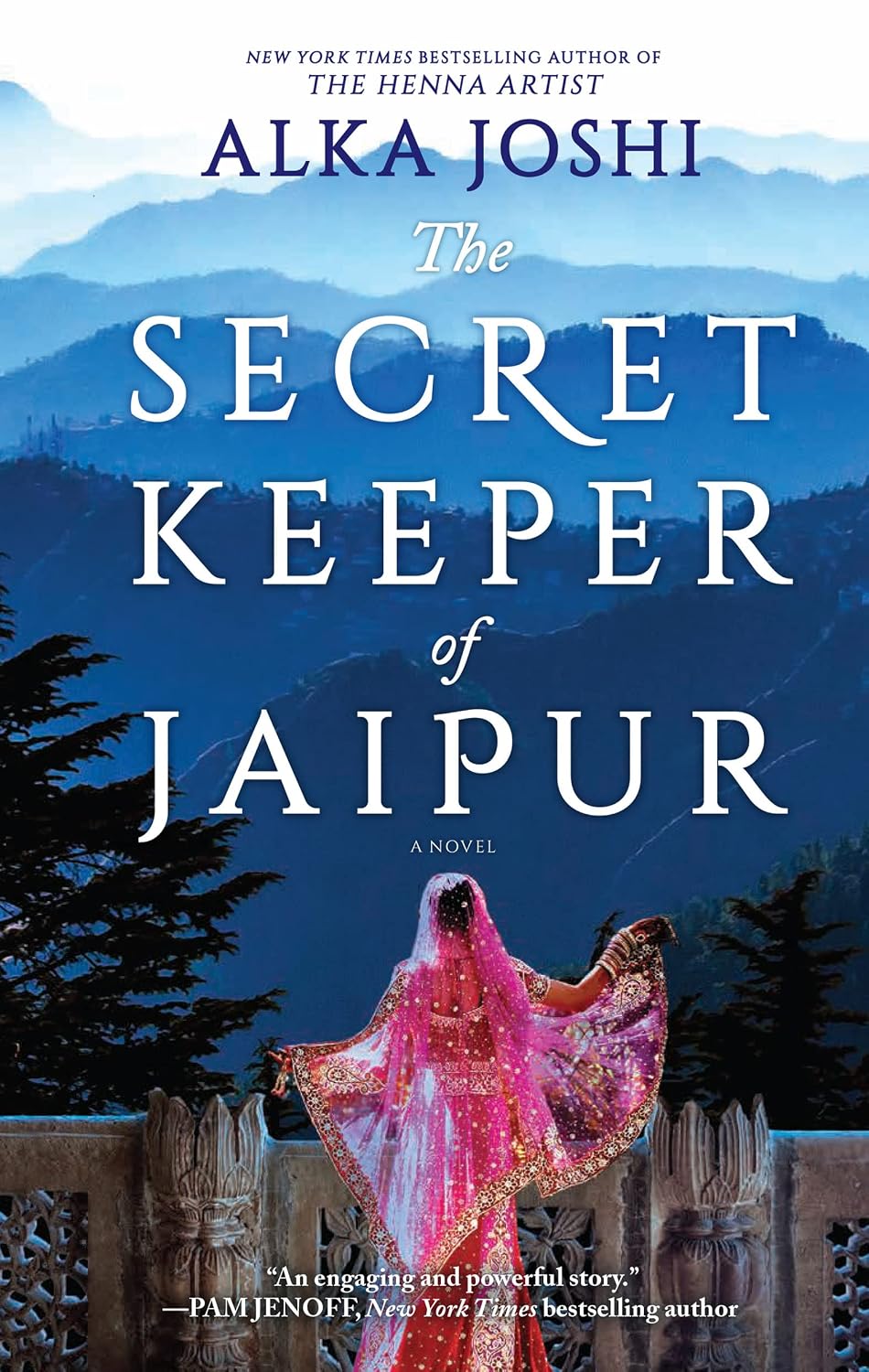
Secret Keeper of Jaipur
Set in Jaipur in 1969, The Secret Keeper of Jaipur follows Malik, a young man who returns to the city where he grew up to begin an apprenticeship at the royal palace. Under the guidance of Lakshmi, the former henna artist who has become a respected figure in the community, Malik hopes to build a promising future. His work brings him into contact with the wealthy and influential people overseeing the construction of a modern cinema. When the cinema’s balcony collapses on opening night, the resulting tragedy exposes corruption, concealed interests, and the unequal distribution of power. Suspecting that the disaster was not simply an accident, Malik begins investigating the truth, putting himself at risk as he challenges those determined to protect their reputations. Joshi examines social inequality, ambition, and the influence of wealth and privilege in a rapidly changing India.
India
2021
2
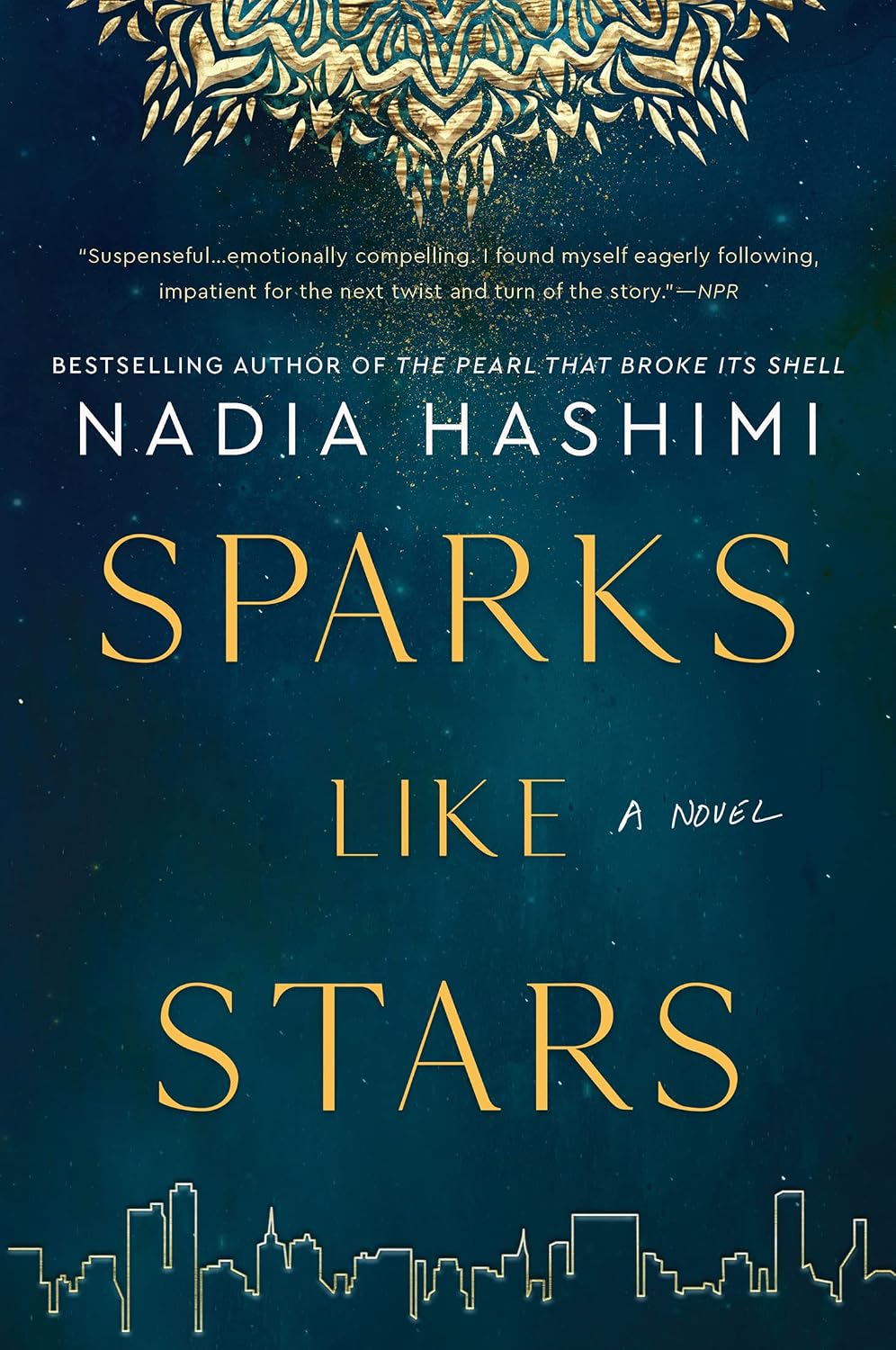
Sparks Like Stars
Sparks Like Stars begins in Kabul in 1978, when ten-year-old Sitara Zamani witnesses the violent overthrow of Afghanistan’s president and the murder of members of his household, including her family. Rescued by an American diplomat, she is taken to the United States and grows up under a new name, attempting to build a life far removed from the trauma of her childhood. Decades later, now a successful doctor in New York, she encounters a man whose appearance brings back memories she has spent years trying to suppress. Determined to uncover the truth about her past, she returns to the history she left behind. Hashimi explores the lasting effects of political violence, the fragility of memory, and the complex relationship between identity and belonging, asking whether confronting painful truths can help someone reclaim a lost part of themselves.
Afghanistan
2021
3

The Promise
The Promise follows the Swart family, white South Africans living on a farm outside Pretoria, across several decades of political and social transformation. The story begins with the death of Rachel, the family matriarch, who extracts a promise from her husband: that their Black domestic worker, Salome, will receive ownership of the small house where she has lived for years. However, the promise is repeatedly postponed and ultimately neglected, becoming a symbol of the family’s moral failures and the enduring inequalities of South African society. Through the lives of the Swart siblings—Anton, Astrid, and Amor—Damon Galgut examines how resentment, guilt, privilege, and personal disillusionment shape relationships across generations. The novel’s shifting narrative perspective and distinctive structure mirror the family’s fragmentation and the country’s unfinished reckoning with its past. Spanning the final years of apartheid and the decades that follow, The Promise explores the gap between words and actions, revealing how unfulfilled obligations can expose the deepest contradictions within a family and a nation.
South Africa
2021
4
Nervous Conditions
Nervous Conditions follows Tambudzai, a young girl growing up in a poor Shona family in colonial Rhodesia, now Zimbabwe. Determined to escape the limitations imposed on her by poverty and gender, Tambu works hard to obtain an education. When her brother dies, she is given the opportunity to attend the mission school previously reserved for him, opening a path toward a future her family could never have imagined for her.
At school, Tambu becomes increasingly aware of the contradictions between traditional Shona culture and the values promoted by colonial education. Her cousin Nyasha, who has returned from England, struggles with similar tensions, rebelling against the expectations placed on her by her father and society. Through their experiences, Tsitsi Dangarembga explores the psychological effects of colonialism, the restrictions imposed on women, and the complicated relationship between education and liberation. The novel examines how family, culture, and social inequality shape identity, revealing that gaining access to new opportunities does not necessarily mean escaping oppression.
Zimbabwe
2021
5
No Honour
No Honour follows sixteen-year-old Abida, who lives in a small Pakistani village governed by strict traditions and expectations surrounding family honour. Determined to choose whom she loves and build a life of her own, Abida challenges the conventions that control women’s lives. When her choices place her in grave danger, she escapes to Lahore with the help of her devoted father, Jamil, who risks everything to protect her.
As Jamil searches for his missing daughter, both are drawn into a world where the threats facing vulnerable women extend far beyond their village. Moving between rural Pakistan and the crowded streets of Lahore, Awais Khan explores the devastating consequences of honour-based violence, forced conformity, and gender inequality. The novel also examines the complicated relationship between parents and children, particularly the courage required to challenge deeply rooted cultural expectations. Through Abida’s struggle for survival and independence, No Honour becomes a powerful story about love, resilience, and the right to determine one’s own future.
Pakistan
2021
6
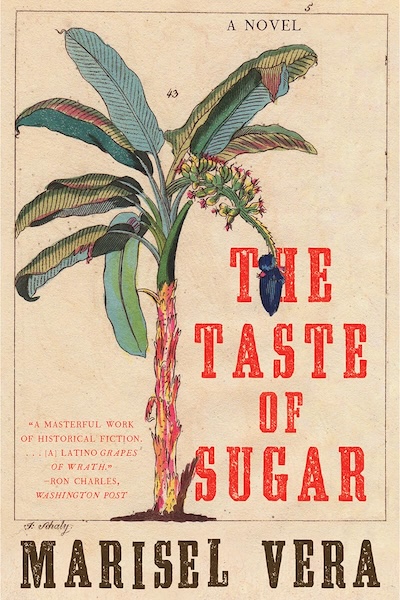
The Taste of Sugar
In late nineteenth-century Puerto Rico, seventeen-year-old Valentina Sánchez dreams of romance and a life beyond the expectations of her family. She marries Vicente Vega, a coffee farmer from the mountainous region of Utuado, hoping their love will bring happiness. But married life proves far more difficult than she imagined. Poverty, family tensions, and the struggle to keep their farm afloat threaten their future, while political upheaval transforms the island around them.
Following the Spanish-American War and the devastating San Ciriaco hurricane of 1899, Puerto Rico comes under American rule, and the Vegas lose their livelihood. Promised prosperity, Vicente and Valentina join thousands of Puerto Ricans who migrate to Hawaii to work on sugar plantations. Instead of the fresh start they hoped for, they encounter harsh working conditions, exploitation, and broken promises. Spanning generations and continents, The Taste of Sugar traces one family’s struggle to survive amid colonial domination and economic injustice. Marisel Vera brings a neglected chapter of Puerto Rican history to life, exploring how love, family, and resilience endure when the promise of a better future comes at an extraordinary cost.
United States
Puerto Rico
2020
7
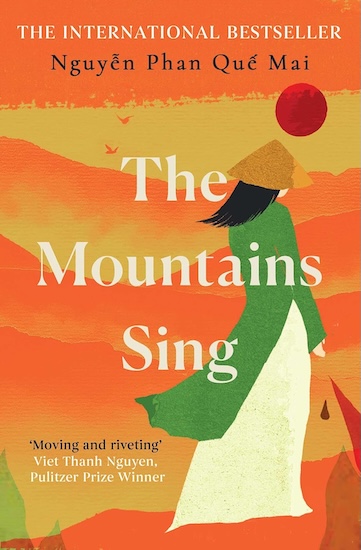
The Mountains Sing
Spanning several decades of Vietnamese history, The Mountains Sing follows the Trần family through famine, political upheaval, land reform, and the Vietnam War. The story centres on grandmother Trần Diệu Lan, who is forced to flee her family farm with her six children during the land reforms of the 1950s. Years later, her young granddaughter Hương grows up in Hanoi as the war tears her family apart and sends her parents and uncles into battle.
Through alternating perspectives, the novel reveals the extraordinary hardships endured by successive generations. While Hương tries to understand the world around her, Diệu Lan shares memories of loss, survival, and the choices she made to protect her children. Their relationship becomes a source of strength in a country where families have been divided by political loyalties, violence, and competing visions of the future.
Drawing on Vietnamese history, folklore, poetry, and cultural traditions, Nguyễn Phan Quế Mai presents a deeply personal perspective on a conflict often portrayed internationally through foreign experiences. The novel explores the lasting consequences of war while celebrating the resilience of ordinary people, the bonds between generations, and the possibility of healing through remembrance and compassion.
Vietnam
2020
8
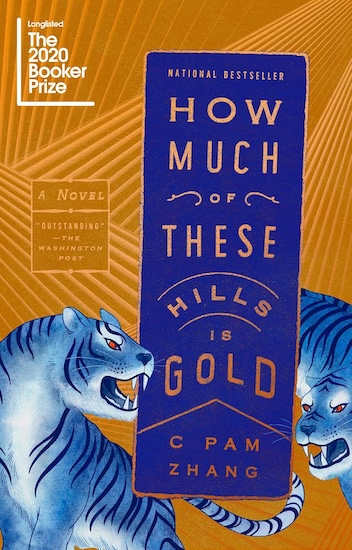
How Much of These Hills Is Gold
In the final days of the Gold Rush, two Chinese American siblings, Lucy and Sam, find themselves orphaned in a hostile landscape where their very existence challenges the myth of the American West. Carrying their father’s body across a vast, unforgiving terrain, they search for a place to bury him and confront the secrets of their family’s past. Through memories of hunger, displacement, and their parents’ desperate pursuit of belonging, the siblings must decide what it means to inherit a country that refuses to claim them. Lyrical and haunting, C Pam Zhang’s debut reimagines the Western frontier through the eyes of those written out of its history, exploring race, family, survival, and the price of the American dream.
United States
2020
9
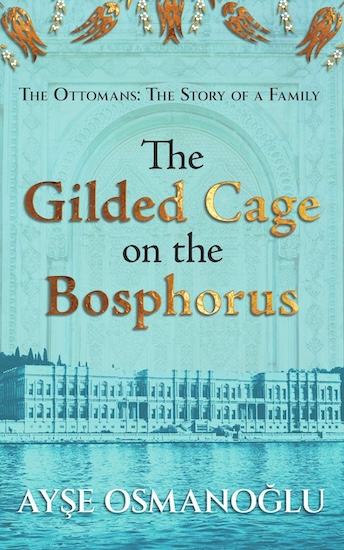
The Gilded Cage on the Bosphorus
Istanbul, 1903. Behind the guarded walls of Çırağan Palace, former Sultan Murad V and his family have spent nearly three decades in enforced confinement, prisoners of the very dynasty they belong to. As political unrest spreads and revolution threatens the Ottoman Empire, Murad fears for the future of his children and grandchildren. He dreams of their freedom, happiness, and the chance to build lives beyond the palace walls. But dangerous political plots, assassination attempts, and family scandals threaten to destroy everything he holds dear. Drawing on the history of her own imperial family, Ayşe Osmanoğlu brings the final decades of Ottoman rule to life in a richly detailed novel about family loyalty, sacrifice, and the price of power.
Türkiye
2020
10
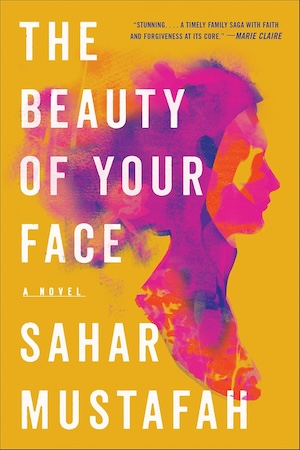
The Beauty of Your Face
On an ordinary morning in suburban Chicago, a masked gunman storms an Islamic school, forcing principal Afaf Rahman to confront the memories she has spent a lifetime trying to escape. As she guides her students toward safety, her thoughts return to her childhood as the daughter of Palestinian immigrants, her family’s struggles with faith and belonging, and the devastating events that shaped her life. From her father’s growing disillusionment with America to her sister’s rebellion and her own complicated relationship with Islam, Afaf’s story unfolds across decades of love, loss, and searching. Against a backdrop of rising Islamophobia and cultural alienation, The Beauty of Your Face explores what it means to hold on to faith when the world seems determined to turn you into an outsider. Intimate and deeply moving, it is a novel about sisterhood, resilience, and the possibility of finding beauty and belonging in the most unexpected places.
United States
2020
11
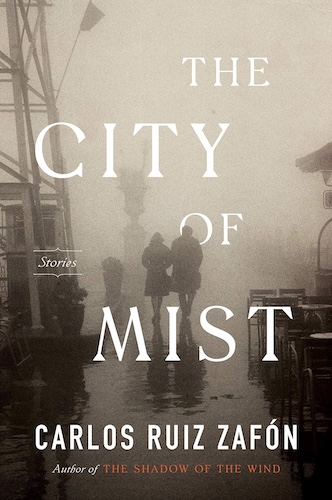
The City of Mist: Stories
In The City of Mist, Carlos Ruiz Zafón returns to the shadowy, enchanting Barcelona of his celebrated Cemetery of Forgotten Books series. This posthumous collection brings together eleven stories filled with mysterious characters, forgotten histories, supernatural encounters, and the irresistible magic of literature. Some stories expand the universe of Zafón’s bestselling novels, while others explore new corners of his richly imagined world.
A young boy discovers that writing can win the attention of the girl he loves. A labyrinth maker escapes plague-stricken Constantinople to build a library designed to withstand the destruction of time. Miguel de Cervantes encounters a mysterious stranger who offers him an extraordinary literary bargain, while the celebrated architect Antoni Gaudí embarks on a journey to New York that could determine the fate of one of his greatest creations.
Throughout the collection, Zafón blends Gothic mystery, historical imagination, dark humour, and a profound love of books. His stories transform cities into labyrinths of secrets and libraries into places where the past remains alive. Both a celebration of storytelling and a farewell to one of Spain’s most beloved modern novelists, The City of Mist invites readers to lose themselves once more in a world where every book conceals another mystery.
Spain
2020
12
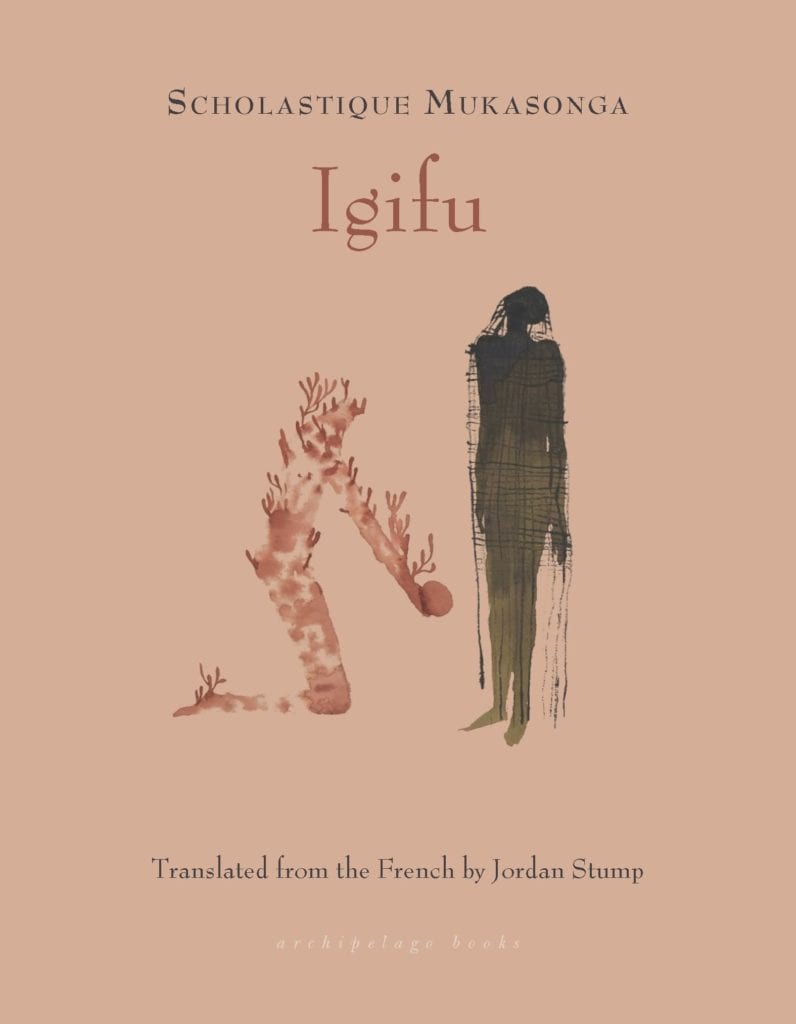
Igifu
In this haunting collection of autobiographical stories, Scholastique Mukasonga brings to life a Rwanda shaped by exile, hunger, persecution, and the enduring wounds of genocide. Through vivid memories of childhood and the traditions of the Tutsi community, she evokes a world of cattle, family rituals, rural landscapes, and fragile moments of happiness threatened by violence. In the title story, a five-year-old girl named Colomba struggles with igifu—a relentless, almost living hunger that consumes her body and imagination. Other stories explore the dignity of cattle-herding traditions, the fear that shadows children growing up amid ethnic persecution, and the devastating consequences of being a Tutsi woman in a society marked by prejudice. Yet this is not simply a book about suffering. With tenderness and remarkable clarity, Mukasonga preserves the humanity of those who were lost, ensuring that their lives, customs, and memories survive alongside the history of their tragedy.
Rwanda
2020