Historical Fiction
All countries
Afghanistan
Albania
Algeria
Angola
Antigua and Barbuda
Argentina
Armenia
Australia
Austria
Azerbaijan
Bangladesh
Barbados
Belize
Benin
Bosnia and Herzegovina
Brazil
Bulgaria
Burundi
Canada
Chile
China
Congo, Democratic Republic
Côte d’Ivoire (Ivory Coast)
Croatia
Cuba
Cyprus
Denmark
Djibouti
Dominica
Dominican Republic
Egypt
El Salvador
Ethiopia
Fiji
France
Georgia
Germany
Ghana
Greece
Guatemala
Hungary
Iceland
India
Indonesia
Iran
Iraq
Ireland
Italy
Jamaica
Japan
Kazakhstan
Kenya
Kuwait
Latvia
Lebanon
Liberia
Libya
Madagascar
Malaysia
Mali
Mexico
Moldova
Morocco
Mozambique
Myanmar
Netherlands
Nigeria
North Korea
Oman
Pakistan
Palestine
Philippines
Poland
Portugal
Puerto Rico
Romania
Rwanda
Saudi Arabia
Senegal
Singapore
Slovenia
South Africa
South Korea
Spain
Sri Lanka
Sudan
Sweden
Switzerland
Syria
Taiwan
Tanzania
Thailand
Türkiye
Turkmenistan
Uganda
Ukraine
United Arab Emirates
United Kingdom
United States
Uruguay
Uzbekistan
Vietnam
Yemen
Zambia
Zimbabwe
1
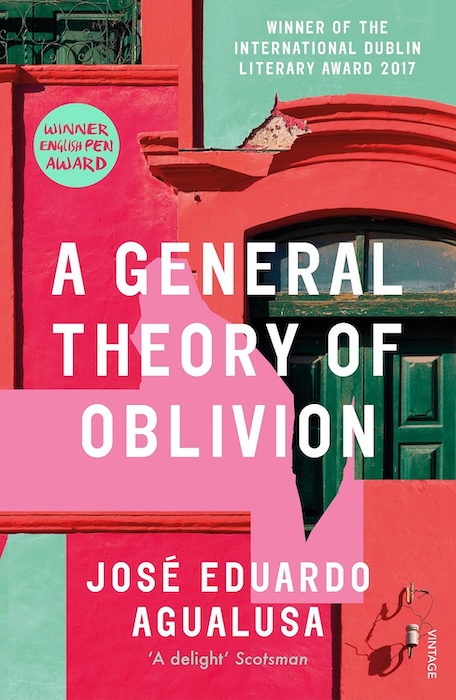
A General Theory of Oblivion
Set in Angola around the time of independence and the ensuing political turmoil, A General Theory of Oblivion follows Ludovica, a Portuguese woman who becomes terrified of the violence unfolding around her. After barricading herself inside her Luanda apartment, she isolates herself from the outside world, attempting to survive through the limited resources available to her. As the country undergoes dramatic transformations, Ludovica’s private existence becomes increasingly detached from the history unfolding beyond her walls. Her story gradually connects with those of other characters whose lives are shaped by political upheaval, chance, and the struggle to survive. Blending historical fiction, dark humour, and elements of the surreal, Agualusa explores solitude, memory, and the human capacity to construct a separate reality when the world outside becomes unbearable.
Angola
2015
2
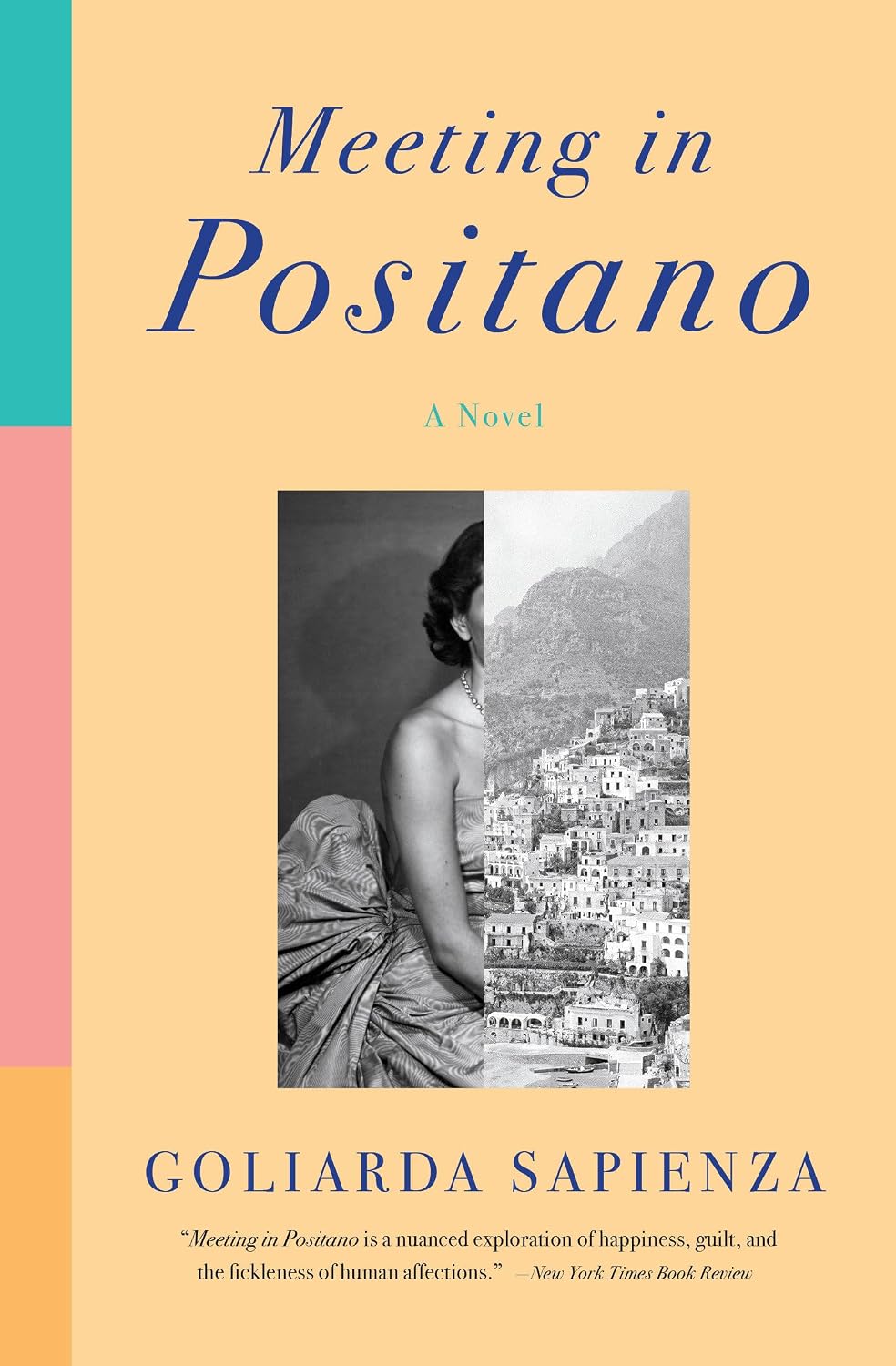
Meeting in Positano
Meeting in Positano is a posthumously published autobiographical novel that recounts Goliarda Sapienza’s encounter with Erica, a young woman she meets in the picturesque coastal town of Positano in southern Italy. Despite their differences in age, background, and temperament, the two women form an intense and unexpected bond that challenges their assumptions about friendship, independence, and belonging.
Set against the sunlit landscapes and close-knit social world of postwar Italy, the novel explores the complexities of female relationships and the ways encounters with others can transform our understanding of ourselves. Sapienza reflects on freedom, loneliness, desire, and the tension between individual identity and social expectations. Her prose combines personal recollection with sharp observations of Italian society, revealing the emotional intensity beneath seemingly ordinary interactions. Both intimate and reflective, Meeting in Positano celebrates the unexpected connections that can emerge between women and the possibility of discovering new perspectives on life through another person’s presence.
Italy
2015
3
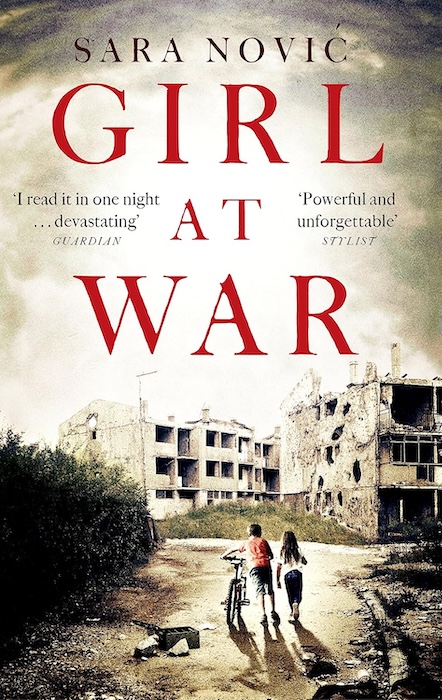
Girl at War
Girl at War follows Ana Jurić, a ten-year-old girl growing up in Zagreb when the Yugoslav Wars erupt in the early 1990s. As violence spreads across Croatia, Ana’s childhood is shattered, and she experiences the devastating consequences of war, including the loss of loved ones and the destruction of her sense of security. After a traumatic journey, she eventually finds refuge in the United States, where she struggles to rebuild her life while carrying memories she cannot fully confront. Years later, Ana returns to Croatia, hoping to reconnect with her past and understand the experiences that shaped her identity. Moving between childhood and adulthood, Sara Nović explores trauma, displacement, survivor’s guilt, and the lasting psychological effects of conflict. The novel is a poignant examination of how war transforms individuals and communities, and how difficult it can be to reconcile the person one becomes with the person one once was.
Croatia
2015
4
A Brief History of Seven Killings
Set primarily in Jamaica during the 1970s and extending into the 1990s, A Brief History of Seven Killings explores the political violence, gang warfare, and social upheaval surrounding the attempted assassination of reggae legend Bob Marley in 1976. Told through the perspectives of an expansive cast of characters, including gang members, journalists, politicians, and CIA operatives, the novel examines the complex relationships between crime, political power, and international interference. As the narrative moves from Kingston to the United States, it traces the long-term consequences of violence on individuals and communities. Through shifting voices, Jamaican patois, and an unflinching portrayal of historical events, Marlon James explores inequality, corruption, identity, and the lasting scars of political conflict. The novel offers a multifaceted portrait of Jamaica’s turbulent history and the human cost of violence.
Jamaica
2015
5
Without a Country
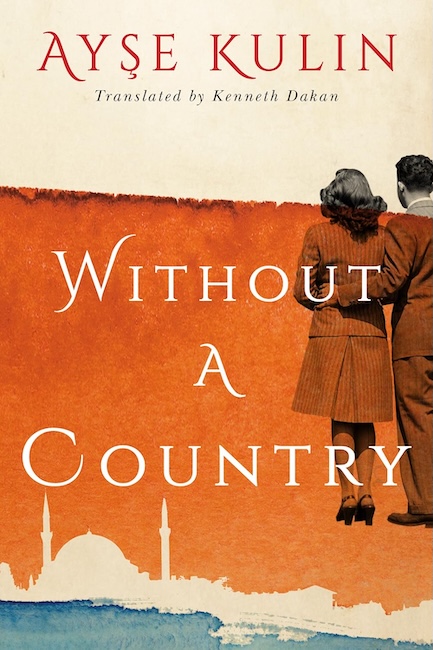
As Hitler’s persecution of Jews intensifies in 1930s Germany, medical professor Gerhard Schliemann and his wife, Elsa, face an impossible choice: remain in the country they call home or flee to protect their family. Their escape leads them to Turkey, where German Jewish academics are offered positions at universities and hospitals as the young republic works to modernise its institutions.
Although the Schliemanns find refuge and the opportunity to rebuild their lives, safety does not guarantee belonging. Across four generations, their descendants navigate political upheaval, military coups, interfaith relationships, and renewed antisemitism. As Turkey itself changes, the family must confront difficult questions about identity, loyalty, and what it means to belong to a country that may never fully accept them.
Spanning nearly a century, Without a Country is a multigenerational saga inspired by the real history of German-speaking Jewish academics who found refuge in Turkey during the Nazi era. Ayşe Kulin explores the complicated relationship between displacement and belonging, showing how the search for a safe home can shape a family’s destiny long after the original refugees are gone.
Türkiye
Germany
2016
6
Love in Exile
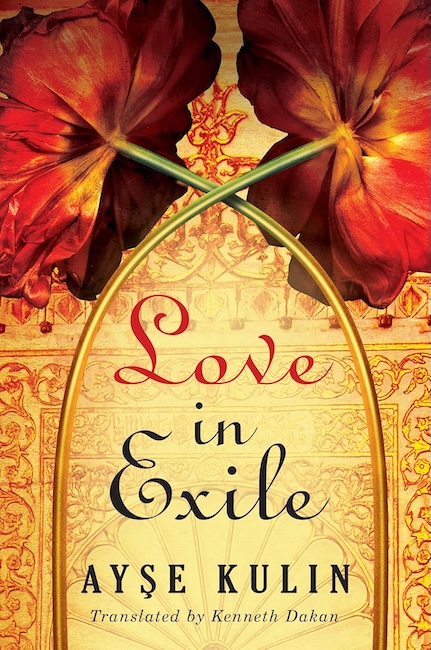
In 1920s Turkey, Sabahat is a bright, determined young Muslim woman who dreams of an education and a life beyond the traditional expectations placed on women. Persuading her family to let her pursue her studies, she begins to imagine a future shaped by her own ambitions rather than an arranged marriage. But her plans take an unexpected turn when she falls in love with Aram, an Armenian Christian student.
Their feelings deepen despite the religious and cultural divisions separating their families. In a society where interfaith relationships challenge deeply rooted traditions, their love becomes a source of both hope and conflict. As family loyalties and social pressures threaten to tear them apart, Sabahat and Aram must decide how much they are willing to sacrifice to remain together.
Inspired by Ayşe Kulin’s own family history, Love in Exile is a sweeping romance set during a period of profound transformation in Turkish society. It explores forbidden love, women’s independence, religious difference, and the painful choices people face when personal happiness conflicts with family expectations.
Türkiye
2016
7
The Red-Haired Woman
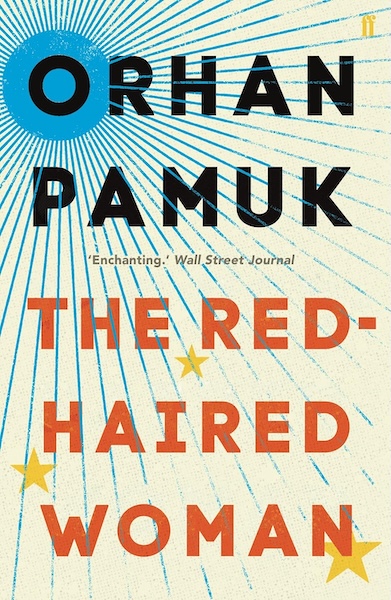
In the mid-1980s, teenage Cem leaves Istanbul to work as an apprentice to Mahmut, an experienced well-digger. Together, they travel to a small town outside the city, where they labour to find water in the dry earth. As they work, Mahmut becomes a father figure to Cem, teaching him practical skills and sharing stories that shape the young man’s understanding of the world.
One summer, Cem encounters a mysterious red-haired woman performing with a travelling theatre troupe. Fascinated by her, he becomes entangled in an experience that will haunt him for decades. A terrible incident at the well changes the course of his life, and years later, when Cem has become a successful businessman, the past returns with consequences he could never have anticipated.
Drawing on the ancient myths of Oedipus and Rostam and Sohrab, The Red-Haired Woman explores fathers and sons, guilt, authority, and the forces that shape our destinies. It is a compact, unsettling novel about the stories we inherit and whether we can ever escape them.
Türkiye
2016
8
The Silence of Scheherazade
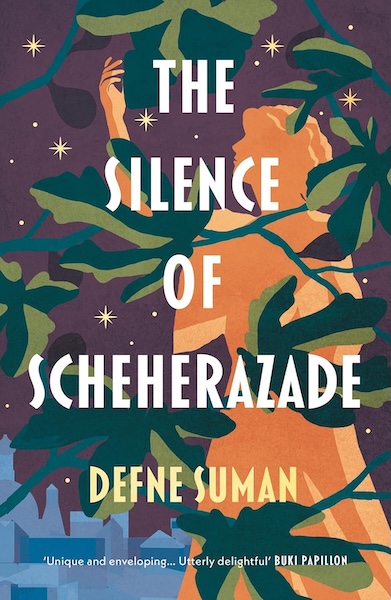
In September 1905, in the cosmopolitan Ottoman port city of Smyrna, a girl named Scheherazade is born as an Indian spy arrives with a secret mission for the British Empire. Their stories unfold alongside those of four families—a Levantine, a Greek, a Turkish, and an Armenian—whose lives are bound together by love, ambition, and the city’s extraordinary cultural diversity.
Over the following seventeen years, the families navigate political upheaval, shifting loyalties, forbidden relationships, and the growing tensions surrounding the decline of the Ottoman Empire. As war transforms the region, the world they know begins to crumble, culminating in the devastating fire that engulfs Smyrna in 1922.
Rich in historical detail and intimate human drama, The Silence of Scheherazade resurrects a lost multicultural world and gives voice to the people caught between competing nationalisms. It is a story of love, displacement, and the silences that history leaves behind.
Türkiye
2016
9
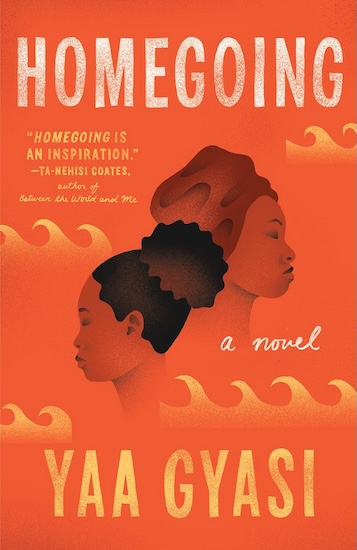
Homegoing
Two half-sisters, Effia and Esi, are born in eighteenth-century Ghana, their lives divided by the forces of slavery and colonialism. Effia marries a British slave trader and lives in comfort above the dungeons of Cape Coast Castle, unaware that her sister Esi is imprisoned below before being sold into slavery in America. From the villages of Ghana to the plantations of the American South and the streets of modern Harlem, their descendants inherit the consequences of choices, violence, and histories they never experienced themselves. Spanning eight generations and three centuries, Homegoing is a powerful exploration of how slavery reshapes families, how trauma travels across generations, and how the past continues to influence the present.
Ghana
2016
10
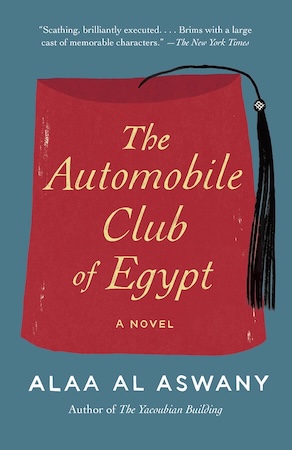
The Automobile Club of Egypt
When Egypt’s 2011 revolution brings millions into the streets demanding dignity, justice, and freedom, a diverse cast of Egyptians finds itself swept into a historic struggle. There are idealistic young activists, ambitious politicians, wealthy businessmen, religious conservatives, and ordinary citizens hoping for a better future. Yet as the revolution unfolds, the forces of money, military power, and religious authority begin to undermine its promises. Personal ambitions collide with political ideals, and those who once stood together discover how easily truth can be manipulated to preserve power. Through interconnected lives, Alaa Al Aswany captures the hope and disillusionment of a nation fighting to determine its future, exposing the mechanisms through which authoritarianism survives even when a revolution appears to have succeeded.
Egypt
2016
11

The Labyrinth of the Spirits
In post-war Barcelona, where the shadows of Francisco Franco’s dictatorship linger over everyday life, a young investigator named Alicia Gris is drawn into a dangerous mystery involving one of Spain’s most powerful political figures. Working for a secretive government agency, Alicia is tasked with locating a missing minister, but what begins as a straightforward investigation soon reveals a far-reaching conspiracy involving political corruption, kidnapping, and murder.
As Alicia follows the trail of clues, her investigation brings her into contact with the Sempere family, whose lives have been intertwined with the mysteries of the Cemetery of Forgotten Books for decades. Daniel Sempere, still haunted by questions surrounding his mother’s death, finds himself drawn into a final confrontation with the secrets that have shaped his family. Together, Alicia and Daniel uncover a disturbing history of violence, betrayal, and buried truths.
The fourth and final novel in Zafón’s Cemetery of Forgotten Books series, The Labyrinth of the Spirits brings together characters and mysteries from the previous books in an intricate literary puzzle. Combining Gothic atmosphere, historical fiction, suspense, and a profound love of books, Zafón creates a sweeping portrait of a city haunted by its past. At its heart, the novel explores how literature preserves memory, how authoritarian power attempts to control truth, and how courage and friendship can help people emerge from the darkest chapters of history.
Spain
2016
12
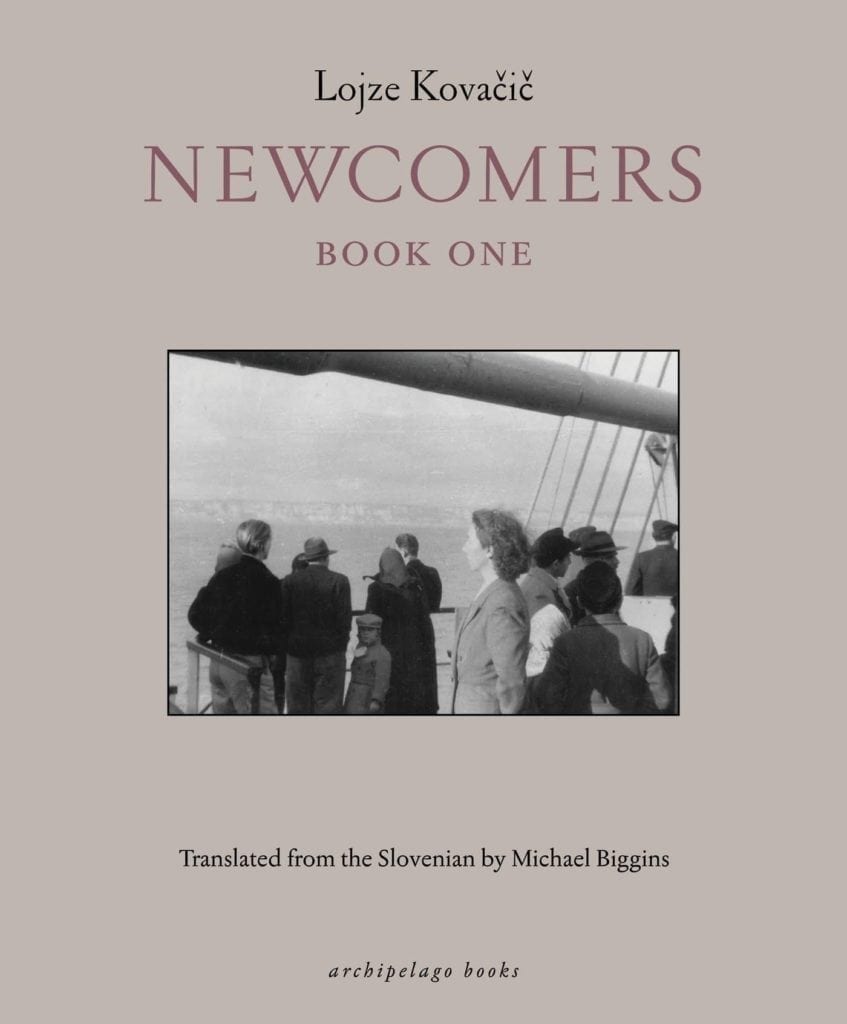
Newcomers: Book One
The first volume of this three-part autobiographical series begins in 1938 with the expulsion of the Kovačič family from their home in Switzerland, eventually leading to their settlement in the father’s home country of Slovenia. Before leaving their home, the ten-year-old son of the family imagines his father’s country as one of beauty and fairytales, but as they make their way to the land of their exile, the family realizes that any efforts to make this place a home will be in vain. Confronted by misery, hunger, and hostility, the young boy refuses to learn Slovenian and falls silent, his surroundings becoming a social, cultural, and mental abyss.
Narrated by the boy with uncanny naiveté, the novel follows his family’s journey in a fragmented mosaic of memories. Some are innocent and tender, while others are miserable and ruthless, resulting in a profound and heart-wrenching description of a period torn apart by conflict, reflected in the author’s powerful and innovative command of language.
Slovenia
2016