Historical Fiction
All countries
Afghanistan
Albania
Algeria
Angola
Antigua and Barbuda
Argentina
Armenia
Australia
Austria
Azerbaijan
Bangladesh
Barbados
Belize
Benin
Bosnia and Herzegovina
Brazil
Bulgaria
Burundi
Canada
Chile
China
Congo, Democratic Republic
Côte d’Ivoire (Ivory Coast)
Croatia
Cuba
Cyprus
Denmark
Djibouti
Dominica
Dominican Republic
Egypt
El Salvador
Ethiopia
Fiji
France
Georgia
Germany
Ghana
Greece
Guatemala
Hungary
Iceland
India
Indonesia
Iran
Iraq
Ireland
Italy
Jamaica
Japan
Kazakhstan
Kenya
Kuwait
Latvia
Lebanon
Libya
Madagascar
Malaysia
Mexico
Moldova
Morocco
Myanmar
Netherlands
Nigeria
North Korea
Oman
Pakistan
Palestine
Philippines
Poland
Portugal
Puerto Rico
Romania
Rwanda
Saudi Arabia
Senegal
Singapore
Slovenia
South Africa
South Korea
Spain
Sri Lanka
Sudan
Sweden
Switzerland
Syria
Taiwan
Tanzania
Thailand
Türkiye
Turkmenistan
Uganda
Ukraine
United Arab Emirates
United Kingdom
United States
Uruguay
Uzbekistan
Vietnam
Yemen
Zambia
Zimbabwe
1
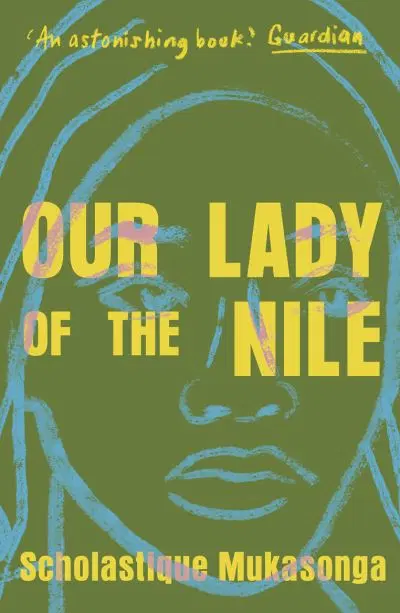
Our Lady of the Nile
High in the mountains of Rwanda, an elite Catholic boarding school for girls stands isolated above the Nile, promising its students education, respectability, and protection from the outside world. But beneath its orderly routines, the school reflects the growing ethnic tensions and prejudices shaping Rwandan society in the years before the 1994 genocide.
Admission quotas restrict the number of Tutsi students, leaving girls such as Veronica and Virginia vulnerable to discrimination and hostility from their Hutu classmates. As Gloriosa, the daughter of a powerful politician, spreads increasingly dangerous nationalist ideas, friendships fracture and everyday rivalries become entangled with political violence. The school, overseen by Belgian nuns, becomes a microcosm of a society moving toward catastrophe. Through the experiences of its teenage students, Scholastique Mukasonga explores how prejudice is taught, how colonial legacies shape identity, and how violence can take root in ordinary life long before it erupts into tragedy.
Rwanda
2012
2
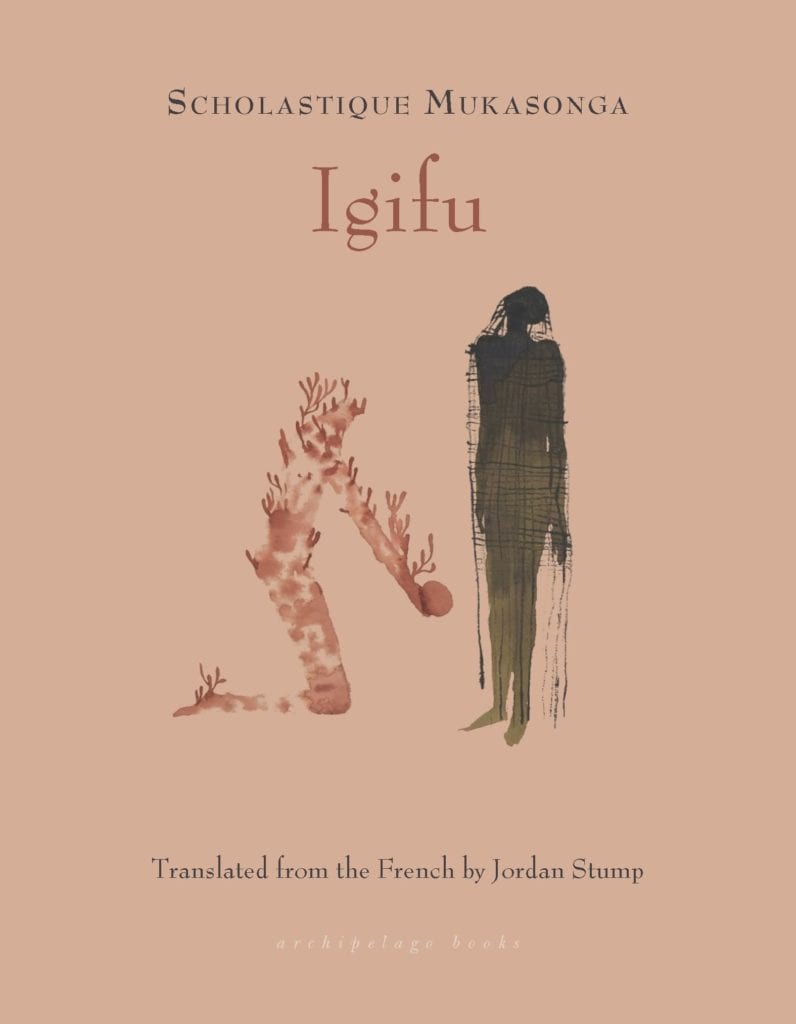
Igifu
In this haunting collection of autobiographical stories, Scholastique Mukasonga brings to life a Rwanda shaped by exile, hunger, persecution, and the enduring wounds of genocide. Through vivid memories of childhood and the traditions of the Tutsi community, she evokes a world of cattle, family rituals, rural landscapes, and fragile moments of happiness threatened by violence. In the title story, a five-year-old girl named Colomba struggles with igifu—a relentless, almost living hunger that consumes her body and imagination. Other stories explore the dignity of cattle-herding traditions, the fear that shadows children growing up amid ethnic persecution, and the devastating consequences of being a Tutsi woman in a society marked by prejudice. Yet this is not simply a book about suffering. With tenderness and remarkable clarity, Mukasonga preserves the humanity of those who were lost, ensuring that their lives, customs, and memories survive alongside the history of their tragedy.
Rwanda
2020
3
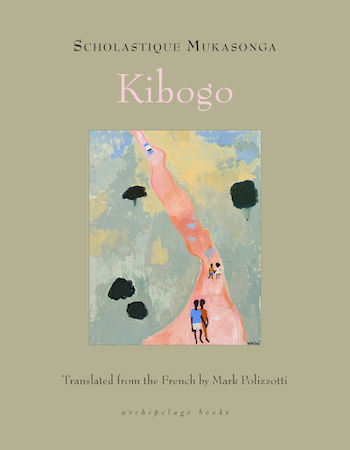
Kibogo
When drought devastates a Rwandan village during the 1940s, its people turn to an ancient legend: Kibogo, a mythical prince who sacrificed himself to bring rain to his suffering people. But the villagers now live under Belgian colonial rule, where Christian missionaries insist that salvation can come only through their faith. As famine deepens, traditional beliefs collide with European Christianity, and the boundaries between religious devotion, political power, and superstition become increasingly blurred. A young seminarian begins reinterpreting biblical stories through Rwandan mythology, while an elderly priestess preserves the spiritual traditions that missionaries seek to erase. Told through four interconnected stories, Scholastique Mukasonga’s novel combines folklore, sharp satire, and historical reflection to explore how a community protects its identity under colonial domination. Both playful and profound, Kibogo celebrates the resilience of oral storytelling and asks who has the authority to define truth, faith, and the stories a people pass on to future generations.
Rwanda
2022
4
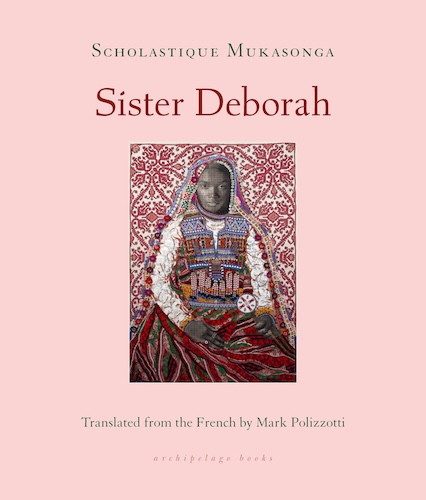
Sister Deborah
In 1930s Rwanda, a mysterious American evangelist arrives with a revolutionary message: the coming Messiah will be a Black woman, and women will finally be liberated from centuries of suffering. Known as Sister Deborah, she is both a healer and a prophetess, attracting women who long for a world beyond colonial domination and patriarchal authority. Her teachings unsettle not only the European missionaries but also the colonial administration, which fears the growing power of her movement. When Sister Deborah suddenly disappears, rumours multiply: was she murdered, or did she escape to begin a new life elsewhere? Years later, Ikirezi, a woman who was healed by Sister Deborah as a child, sets out to uncover the truth. Moving between historical records, folklore, and competing memories, Scholastique Mukasonga weaves a haunting tale about the struggle to reclaim forgotten histories. The novel explores how religion can become both an instrument of oppression and a language of resistance, particularly for women whose voices have been silenced.
Rwanda
2024