Historical Fiction
All countries
Afghanistan
Albania
Algeria
Angola
Antigua and Barbuda
Argentina
Armenia
Australia
Austria
Azerbaijan
Bangladesh
Barbados
Belize
Benin
Bosnia and Herzegovina
Brazil
Bulgaria
Burundi
Canada
Chile
China
Congo, Democratic Republic
Côte d’Ivoire (Ivory Coast)
Croatia
Cuba
Cyprus
Denmark
Djibouti
Dominica
Dominican Republic
Egypt
El Salvador
Ethiopia
Fiji
France
Georgia
Germany
Ghana
Greece
Guatemala
Hungary
Iceland
India
Indonesia
Iran
Iraq
Ireland
Italy
Jamaica
Japan
Kazakhstan
Kenya
Kuwait
Latvia
Lebanon
Libya
Madagascar
Malaysia
Mexico
Moldova
Morocco
Myanmar
Netherlands
Nigeria
North Korea
Oman
Pakistan
Palestine
Philippines
Poland
Portugal
Puerto Rico
Romania
Rwanda
Saudi Arabia
Senegal
Singapore
Slovenia
South Africa
South Korea
Spain
Sri Lanka
Sudan
Sweden
Switzerland
Syria
Taiwan
Tanzania
Thailand
Türkiye
Turkmenistan
Uganda
Ukraine
United Arab Emirates
United Kingdom
United States
Uruguay
Uzbekistan
Vietnam
Yemen
Zambia
Zimbabwe
1
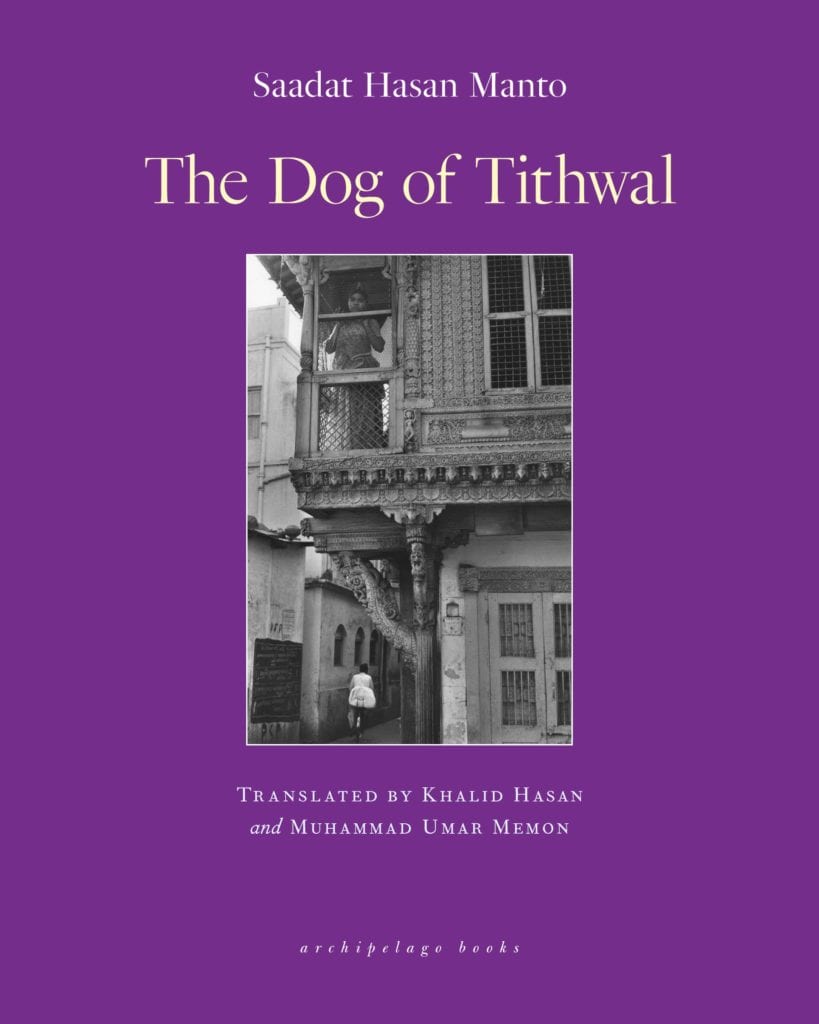
The Dog of Tithwal
On the mountainous border between India and Pakistan, two groups of soldiers face each other in a tense military standoff. Their routine is interrupted by the arrival of a stray dog, an innocent creature that wanders between the opposing camps. The soldiers begin to claim the dog as their own, giving it names and interpreting its movements as signs of loyalty or betrayal. What begins as a seemingly harmless game gradually turns sinister, exposing the absurdity of nationalism and the cruelty of a conflict in which even an animal cannot remain neutral. With biting irony and devastating simplicity, Saadat Hasan Manto transforms this brief encounter into a powerful allegory of Partition and the violence produced by artificial divisions. The story asks what happens to humanity when political identity becomes more important than compassion—and when the innocent are made to pay for the hostility of others.
Pakistan
2021
2
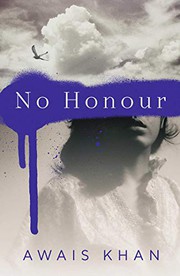
No Honour
No Honour follows sixteen-year-old Abida, who lives in a small Pakistani village governed by strict traditions and expectations surrounding family honour. Determined to choose whom she loves and build a life of her own, Abida challenges the conventions that control women’s lives. When her choices place her in grave danger, she escapes to Lahore with the help of her devoted father, Jamil, who risks everything to protect her.
As Jamil searches for his missing daughter, both are drawn into a world where the threats facing vulnerable women extend far beyond their village. Moving between rural Pakistan and the crowded streets of Lahore, Awais Khan explores the devastating consequences of honour-based violence, forced conformity, and gender inequality. The novel also examines the complicated relationship between parents and children, particularly the courage required to challenge deeply rooted cultural expectations. Through Abida’s struggle for survival and independence, No Honour becomes a powerful story about love, resilience, and the right to determine one’s own future.
Pakistan
2021
3
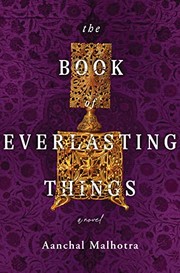
The Book of Everlasting Things
Set in Lahore during the final years of British rule in India, The Book of Everlasting Things tells the story of Samir Vij, a Hindu perfumer, and Firdaus Khan, a Muslim calligrapher. Their shared appreciation for beauty, craftsmanship, and traditional arts develops into a deep love as they imagine a future together. However, the Partition of India in 1947 transforms their world, dividing communities and forcing them onto opposite sides of a newly created border. Samir becomes an Indian citizen, while Firdaus becomes Pakistani, making their relationship increasingly difficult to sustain. Spanning decades and continents, the novel explores the ways political upheaval reshapes private lives and cultural traditions. Through the evocative worlds of perfume-making and calligraphy, Malhotra examines love, memory, belonging, and the enduring power of art to preserve what history threatens to destroy.
India
Pakistan
2022
4
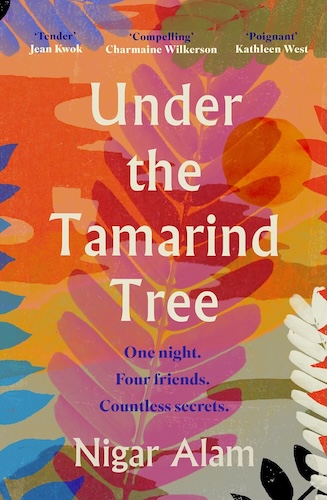
Under the Tamarind Tree
Karachi, 1964. Four childhood friends find their lives transformed by one fateful night that ends in death and secrets they will carry for decades. Years later, an unexpected reunion forces Rozeena to confront the past she has spent a lifetime trying to protect. Against the backdrop of Pakistan’s history and the lasting scars of Partition, this atmospheric novel explores forbidden love, social divisions, and the ways family secrets echo across generations.
Pakistan
2023
5
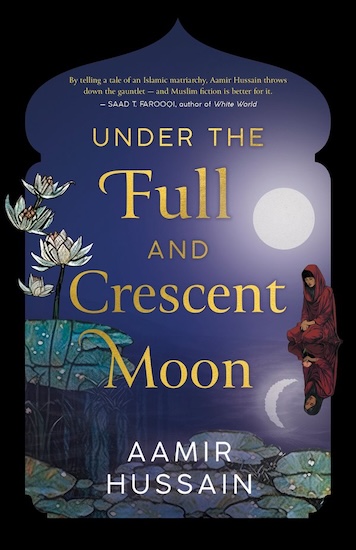
Under the Full and Crescent Moon
Set during the Islamic Golden Age, Under the Full and Crescent Moon imagines a fictional Muslim city governed by women, where religious scholarship, social equality, and community leadership have developed within a distinctive matriarchal society.
Khadija, the intelligent but sheltered daughter of the city’s leading Islamic jurist, has spent much of her life immersed in books and religious scholarship. When her father appoints her as his assistant and scribe, she steps beyond the familiar walls of her home and discovers a wider world of friendships, female mentorship, and intellectual possibility. Under the guidance of influential women, including Imam Fatima and the Circle of Mothers, Khadija begins to understand her own potential.
But the city’s relative peace is threatened when religious hardliners attempt to undermine its traditions and restrict the rights of women and religious minorities. Khadija must draw on her knowledge of Islamic law and her growing confidence to challenge those who seek to reshape her society through intolerance.
Combining historical imagination with questions about faith, justice, and power, the novel explores women’s leadership and the ways religious teachings can be interpreted and used to protect or undermine social freedoms. At its heart, it is a coming-of-age story about a young woman discovering that knowledge can be a powerful instrument of change.
Pakistan
2025
6
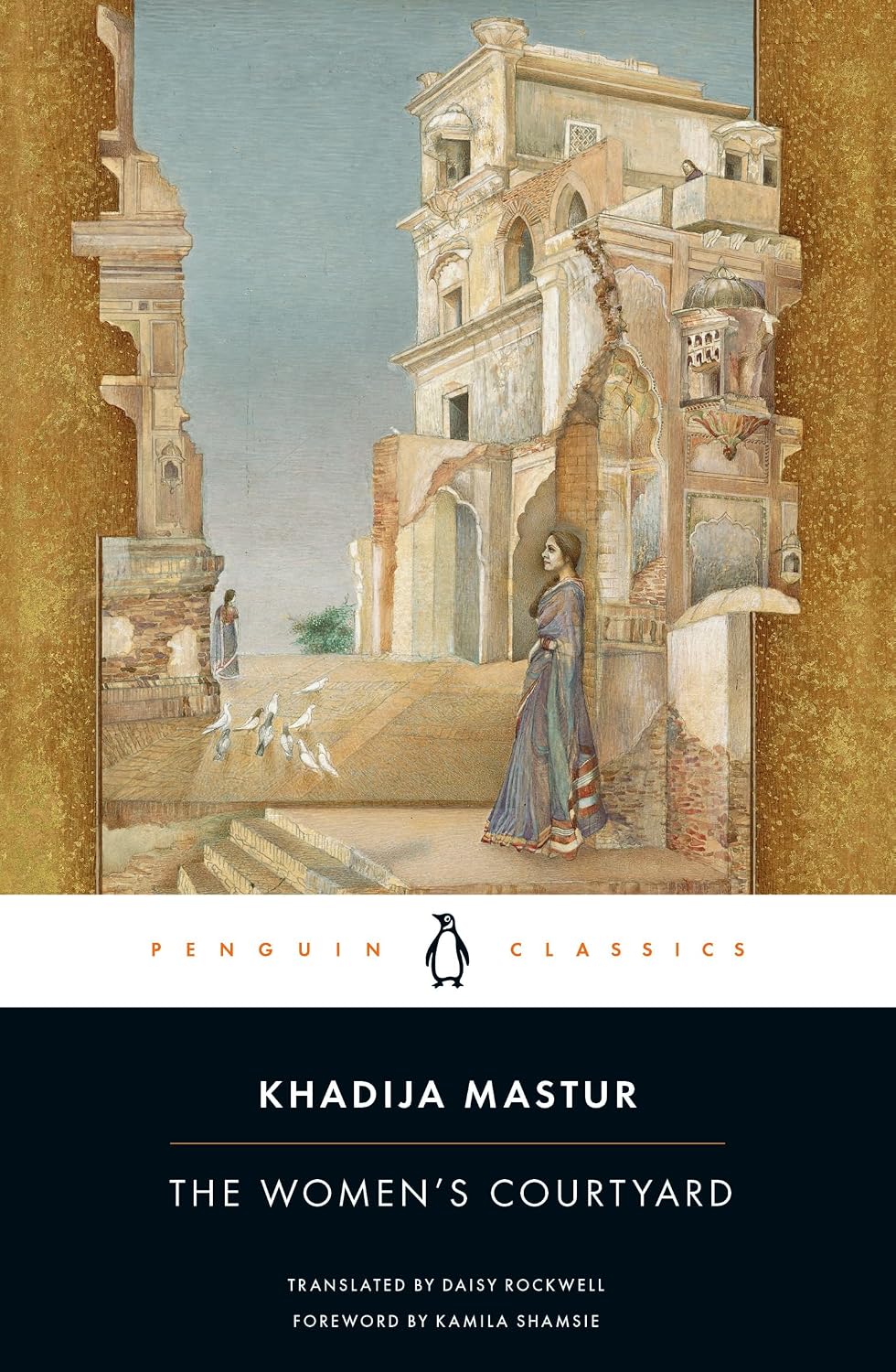
The Women's Courtyard
The Women’s Courtyard follows Aliya, a young Muslim girl growing up in an extended family in the years surrounding the Partition of British India. Much of the family’s life unfolds within the secluded courtyard of their home, where women manage domestic responsibilities, negotiate relationships, and respond to the political changes taking place beyond their walls. While the men become absorbed in the struggle for independence, the women face mounting financial difficulties and the consequences of decisions made largely without their participation. Aliya, meanwhile, longs for an education and a future that extends beyond the limits imposed on her. Through the everyday experiences of the household, Mastur presents a distinctive perspective on a period usually narrated through political leaders and public events. The novel explores gender inequality, family obligations, and women’s quiet determination to claim greater control over their lives.
Pakistan
2025
7
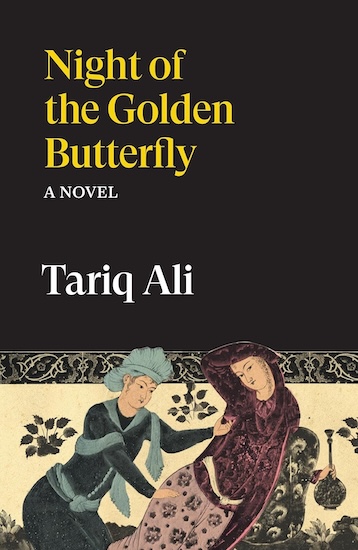
Night of the Golden Butterfly (The Islam Quintet)
Moving between Lahore, London, Paris, and Beijing, Tariq Ali’s Night of the Golden Butterfly explores friendship, love, political disillusionment, and the changing identity of Pakistan. The story follows Dara, a writer living in London, who is asked by his old friend Mohammed Aflatun—nicknamed Plato, an eccentric and gifted painter—to write the story of his life. As Dara reconnects with people from his past, old romances and long-buried memories resurface, revealing the complicated relationships that bind their lives together.
Alongside this contemporary narrative, the novel reaches back into Chinese-Muslim history through the family of Jindie, Dara’s first love. Blending satire, personal recollection, and historical storytelling, Ali examines the tensions between East and West, the effects of political power and religious fundamentalism, and the struggles of a society confronting its own contradictions. The novel is the fifth and final volume of The Islam Quintet.
Pakistan
2026
8
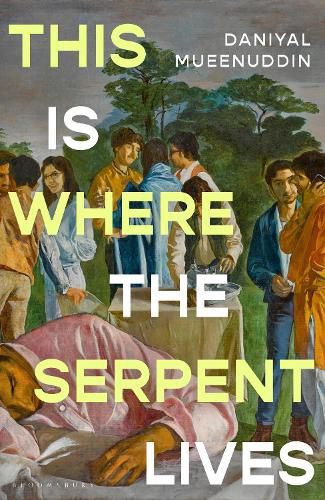
This is Where the Serpent Lives
Spanning six decades, This Is Where the Serpent Lives is an expansive portrait of contemporary Pakistan, where wealth, privilege and inherited social hierarchies shape the destinies of generations. At its centre is Yazid, an orphan who rises from poverty on the streets of Rawalpindi to become a trusted chauffeur in the household of a powerful landowning family. Around him, the lives of aristocrats, servants, ambitious farmers and young lovers intersect across Pakistan’s chaotic cities and feudal countryside. Saqib, the son of a poor gardener, receives an opportunity to manage a new agricultural enterprise, but his determination to improve his position leads him into dangerous territory. Meanwhile, rivalries, romantic entanglements and political corruption threaten the fragile order maintained by the wealthy elite. Through a richly interconnected cast of characters, Mueenuddin examines the price of ambition and the ways class, money and power perpetuate inequality. The novel offers an intimate, unsparing view of a society caught between changing aspirations and deeply entrenched traditions.
Pakistan
2026