Fiction
All countries
Afghanistan
Albania
Antigua and Barbuda
Argentina
Armenia
Australia
Austria
Azerbaijan
Bahamas
Bahrain
Bangladesh
Barbados
Belarus
Belgium
Belize
Bhutan
Bosnia and Herzegovina
Brazil
Brunei
Bulgaria
Cabo Verde
Canada
Central African Republic
Chile
China
Congo, Democratic Republic
Croatia
Cuba
Czech Republic
Denmark
Djibouti
Dominica
Dominican Republic
Ecuador
Egypt
Fiji
Finland
France
Georgia
Germany
Greece
Hungary
Iceland
India
Indonesia
Iran
Iraq
Ireland
Italy
Jamaica
Japan
Jordan
Kazakhstan
Kenya
Kuwait
Kyrgyzstan
Lebanon
Libya
Malaysia
Mexico
Morocco
Netherlands
New Zealand
Nigeria
Norway
Oman
Pakistan
Palestine
Panama
Peru
Philippines
Poland
Portugal
Romania
Russia
Saudi Arabia
Senegal
Singapore
Slovenia
Somalia
South Korea
Spain
Sri Lanka
Sudan
Sweden
Switzerland
Syria
Taiwan
Tanzania
Thailand
Türkiye
Turkmenistan
Ukraine
United Arab Emirates
United Kingdom
United States
Uzbekistan
Yemen
Zambia
1
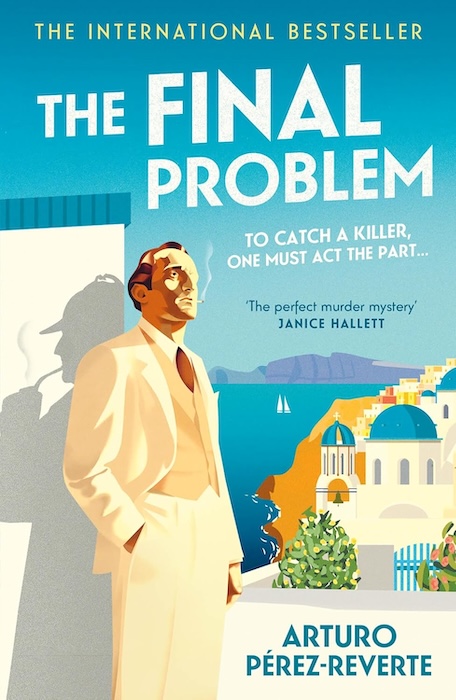
The Final Problem
In June 1960, a violent storm traps nine travelers on the secluded Greek island of Utakos, where they are staying at the island’s only hotel. Their isolation takes a sinister turn when Edith Mander, a quiet British tourist, is found dead in a beach pavilion. Although her death initially appears to be suicide, the circumstances suggest something far more mysterious. With the island cut off from the outside world, the guests find themselves trapped in a classic locked-room mystery, and everyone becomes a potential suspect.
Their unlikely investigator is Ormond Basil, a once-famous actor whose most celebrated role was Sherlock Holmes. Although Basil has spent his career portraying the legendary detective rather than solving real crimes, his familiarity with Holmes’s methods may be the group’s only hope. When another body is discovered, the mystery deepens into a deadly game involving literary clues, carefully staged murders, and a killer who seems to understand detective fiction as intimately as Basil himself.
A witty homage to the golden age of crime fiction, the novel explores the boundaries between fiction and reality, the nature of storytelling, and the intellectual duel between a detective and a murderer—and between an author and a reader.
Spain
2026
2
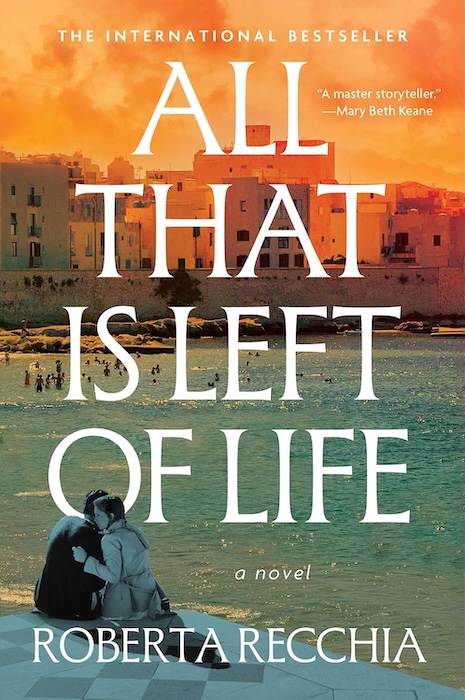
All That Is Left of Life
Three generations of the Ansaldo family grapple with the aftermath of a tragic murder in this sweeping, cinematic debut set in 1980s Rome, for fans of Elena Ferrante and Liz Moore.
It’s a sultry August night when sixteen-year-old Betta Ansaldo convinces her cousin Miriam to sneak out to the local beach for a party. Only Miriam returns. Traumatized by the violence she’s witnessed, she remains silent. The small community is riven with grief, none more so than the Ansaldos, who search for answers they cannot find. Who did Betta cross paths with on that fateful night? What was she doing there? And how could such a horrific crime happen in such a peaceful place?
As the years pass, and Betta’s murder goes unsolved, the Ansaldo family fractures under the weight of their loss. When Miriam meets Leo, a sweet-natured young man with a dark past, their romance seems to turn her life around. But when Leo starts to pull loose the threads of Betta’s story, determined to find out what really happened, his search for the truth risks unraveling everything.
Italy
2026
3
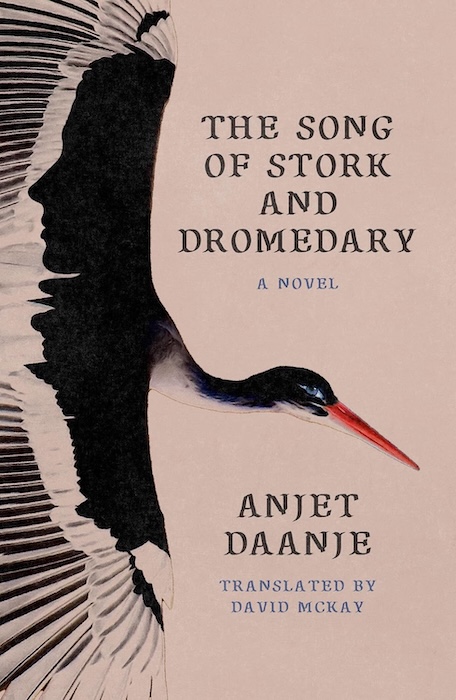
The Song of Stork and Dromedary
Inspired by the lives and literary legacies of the Brontë sisters, The Song of Stork and Dromedary is an intricate literary mystery about an elusive writer whose work continues to fascinate readers long after her death.
In nineteenth-century Yorkshire, Eliza May Drayden and her sisters grow up in relative isolation, finding refuge in their shared passion for literature. When Eliza May finally publishes her only novel, Haeger Mass, it is condemned as disturbing and immoral. Yet, over time, the book acquires a devoted following, and its mysterious author becomes the subject of endless speculation. Who was Eliza May Drayden, and what secrets lie within her strange and unsettling work?
Told across eleven interconnected narratives spanning almost three centuries, the novel unfolds through letters, biographies, personal recollections, mysterious notebooks, and the lives of people touched by Eliza May’s writing. As each perspective reveals new details, conflicting interpretations emerge, making the truth increasingly elusive.
Blending Gothic fiction, historical storytelling, and philosophical mystery, Daanje explores artistic identity, the relationship between an author and her readers, and the human desire to find meaning in stories. Ultimately, the novel reflects on literature’s extraordinary ability to transcend time and mortality.
Denmark
2026
4
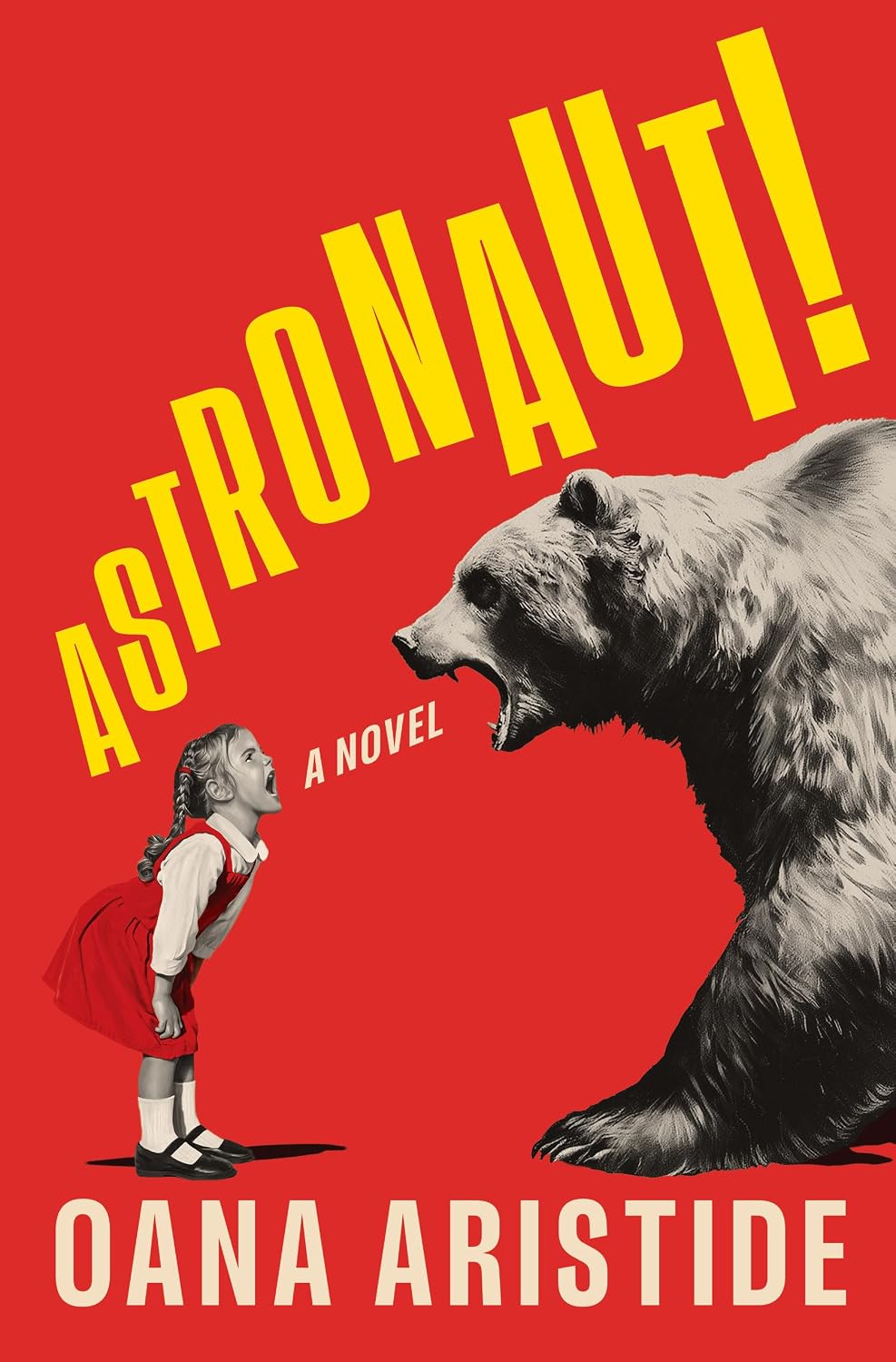
Astronaut!
Romania, 1989. As Nicolae Ceaușescu’s communist dictatorship approaches its end, the country is gripped by fear, suspicion, and absurd official propaganda. Amid rationing, secret informers, and carefully monitored conversations, a series of mysterious murders captures the public’s attention. Authorities blame a man-eating bear, but the truth proves far more complicated.
Two unlikely protagonists find themselves caught in the unfolding mystery. Constantin, an idealistic police detective who dreams of writing fairy tales, is tasked with investigating the deaths. Meanwhile, Lia, a curious and rebellious schoolgirl who longs for colour and beauty in her grey surroundings, becomes involved in an elderly neighbour’s clandestine resistance against the regime.
Blending detective fiction, political satire, and fairy-tale elements, Astronaut! captures the surreal contradictions of life under authoritarian rule. Through the contrasting perspectives of an idealistic adult and an imaginative child, Oana Aristide explores courage, complicity, and the power of ordinary people to challenge injustice. The novel is both a tense mystery and a moving coming-of-age story about finding hope in a society built on fear and deception.
Romania
2026
5
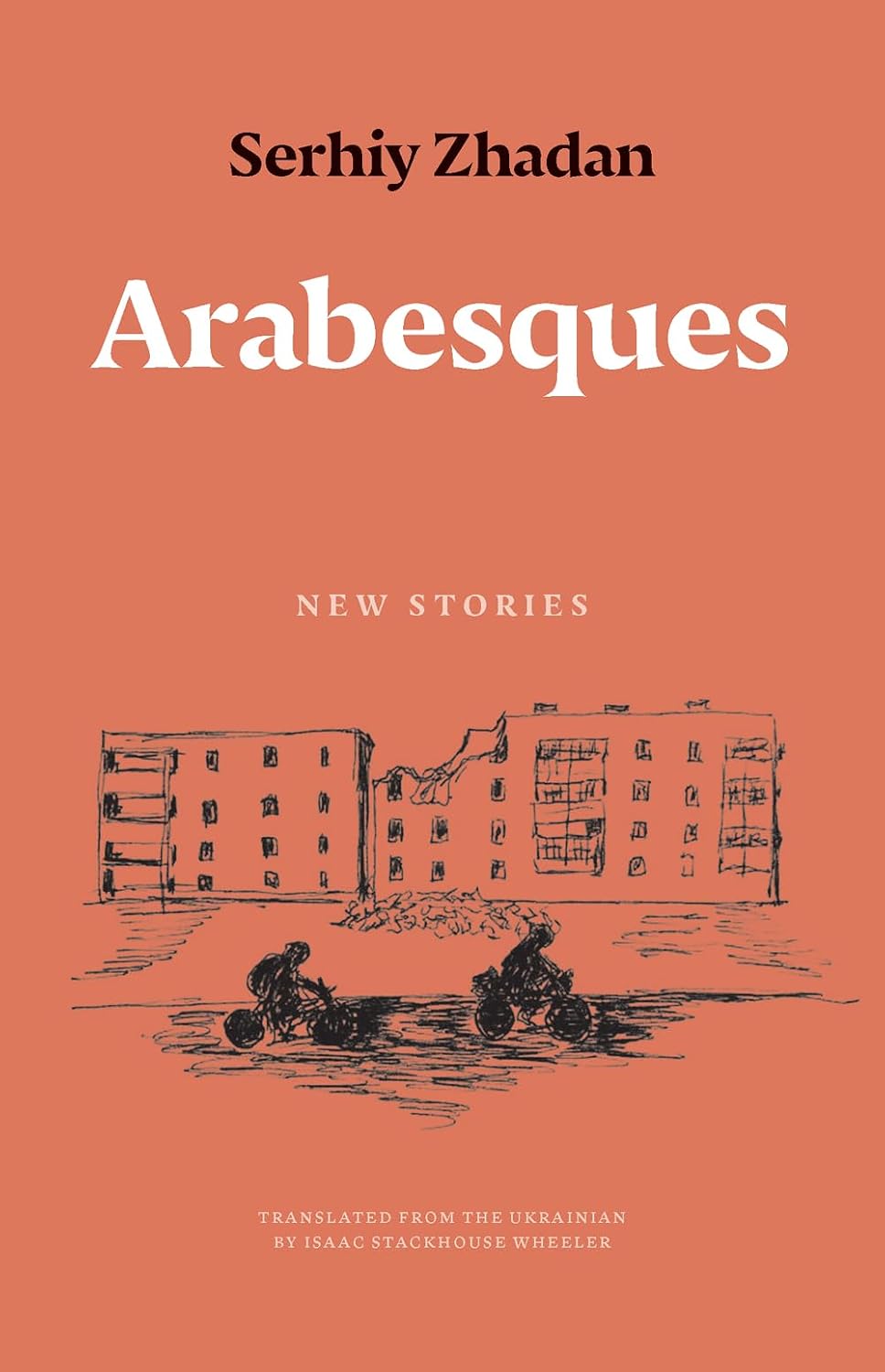
Arabesques
Set in Kharkiv, eastern Ukraine, during Russia’s full-scale invasion, Arabesques is a collection of interconnected stories about ordinary people trying to preserve their humanity in extraordinary circumstances. Through intimate snapshots of daily life, Serhiy Zhadan portrays a city transformed by war, where familiar routines have been disrupted by bombardment, loss, and the constant threat of death.
The characters navigate weddings, love affairs, funerals, and reunions with loved ones returning from the front. Volunteers deliver humanitarian aid, families struggle to protect elderly relatives, and wounded soldiers attempt to rebuild their lives. Their experiences reveal the fragile connections that sustain communities even as violence reshapes the world around them.
Returning to characters and settings from his earlier works, including Mesopotamia and The Orphanage, Zhadan captures both the vulnerability and quiet resilience of Ukrainian society. With understated compassion, he explores grief, solidarity, memory, and the persistence of everyday life amid destruction. Arabesques is a powerful literary portrait of a community determined to endure.
Ukraine
2026
6
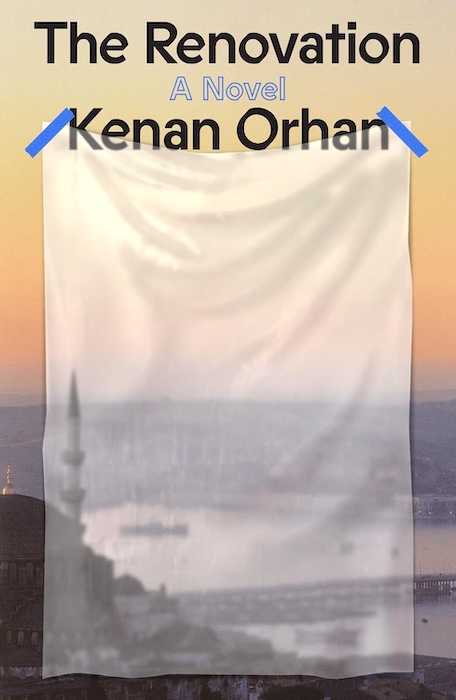
The Renovation
Dilara, a Turkish exile living in a small Italian town, is struggling to care for her father, whose memories are gradually disappearing as dementia takes hold. Preparing to welcome him into her home, she commissions a renovation to make the apartment more comfortable. But when the builders finish, she discovers that her new bathroom has been transformed into a Turkish prison cell, complete with guards and prisoners.
What initially seems like an absurd mistake soon becomes a mysterious connection to the homeland Dilara left behind. Through the cell, she encounters echoes of Istanbul, her family’s painful past, and the political violence that forced them into exile. As her domestic life begins to unravel, the prison becomes an unexpected gateway to memories she can neither fully recover nor escape.
Blending surrealism, dark humour, and political allegory, The Renovation explores exile, belonging, family, and the ways political oppression and personal grief can imprison us long after we have crossed borders.
Türkiye
2026
7
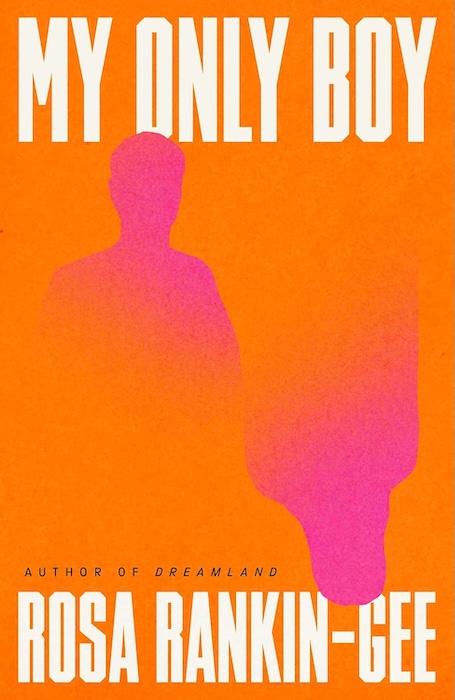
My Only Boy
In a near-future England gripped by political extremism, rising inequality, and oppressive heat, Elle has built her career around anticipating disasters. As communications director for a technology company, she must navigate a society increasingly shaped by authoritarian politics while protecting her own financial security. But her carefully managed life takes an unexpected turn when she meets Ed, a celebrated gay novelist preparing to publish his first book. Although Elle has always been attracted to women, an inexplicable connection develops between them, challenging everything they believe about themselves.
As the political climate deteriorates, their relationship becomes entangled with questions of identity, desire, morality, and complicity. Blending an unconventional love story with dystopian satire and political thriller elements, My Only Boy examines what happens when private lives collide with public crises. It asks whether people can remain faithful to their principles when survival demands compromise—and whether love can transform the identities we thought were fixed.
United Kingdom
2026
8

Favorita
When Fila receives a mysterious phone call informing her that her estranged mother, Magdalena, has been murdered, she must confront a family history she has spent years trying to escape. Raised by her grandmother in Switzerland, Fila has barely seen her mother since Magdalena scandalised the family by advertising her brothel in a newspaper. Now, carrying her mother’s ashes, Fila travels to Italy to retrace Magdalena’s turbulent life and discover the truth about her death.
Her journey becomes a surreal, feverish odyssey populated by feminist revolutionaries, ghosts, fascist deserters, and forgotten victims of violence. As Fila investigates her mother’s past, she uncovers a wider history of patriarchal oppression and violence against women.
Blending magical realism, dark humour, historical fiction, and feminist revenge, Favorita explores the complicated inheritance between mothers and daughters, the persistence of trauma across generations, and the struggle to reclaim women’s stories from the forces that seek to silence them.
Switzerland
2026
9
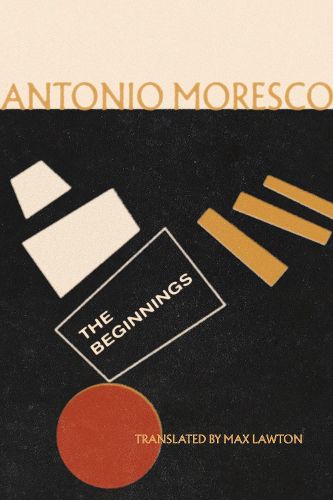
The Beginnings
The first volume of Antonio Moresco’s ambitious Games of Eternity trilogy, The Beginnings is an experimental, dreamlike novel that follows an unnamed protagonist through three distinct stages of life: seminarian, political revolutionary, and aspiring writer. Moving through the upheavals of twentieth-century Italy, the protagonist struggles to find his place in a world shaped by religious institutions, ideological movements, and the elusive possibilities of literature.
Rather than following a conventional narrative, Moresco creates a shifting, surreal world in which events unfold with strange immediacy and familiar realities become unsettling. The novel challenges traditional storytelling, offering an unusual exploration of transformation, rebellion, and the search for artistic identity. Both philosophical and unpredictable, it marks the beginning of a literary journey that pushes the boundaries of contemporary Italian fiction.
Italy
2026
10
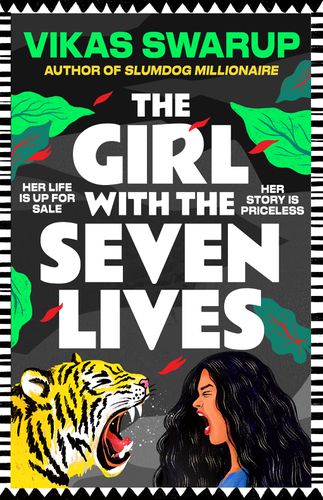
The Girl with Seven Lives
Twenty-five-year-old Devi has spent her life learning how to survive in a world that offers her few chances and even fewer protections. Growing up in the slums of Delhi, she has become a resourceful fighter, but her past has also earned her dangerous enemies. Now kidnapped and held at gunpoint, Devi faces a terrifying ordeal: her captor is auctioning her life online and demands that she confess to the crimes he believes she has committed. To stay alive, she must recount the extraordinary story of her seven lives, revealing secrets and unexpected truths as the night unfolds.
Moving across India, from Delhi and Punjab to Kerala, Goa, and Mumbai, the novel combines suspense, dark humour, and social observation. Through Devi’s shifting identities and remarkable resilience, Swarup explores survival, inequality, and a woman’s struggle to reclaim control over her own destiny.
India
2026
11
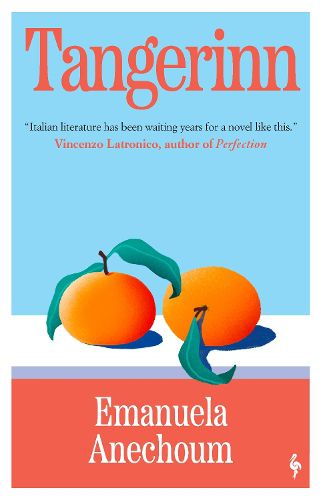
Tangerinn
Tangerinn follows Mina, a thirty-year-old woman who has built a carefully controlled life in London in an attempt to escape her past. When her Moroccan-born father, Omar, dies unexpectedly, she returns to her childhood home in Calabria, southern Italy, intending to attend his funeral. Instead, she finds herself staying longer than planned, drawn back into the family and community she once left behind.
Omar ran a small beach bar called the Tangerinn, a gathering place for migrants and outsiders who struggled to find acceptance in their new home. As Mina reconnects with the people who knew her father, she begins to uncover the complexities of his past and question how well she truly understood him. Her journey becomes an exploration of the parallels between their lives: both left home in search of something better, yet neither could entirely escape the pull of their origins.
Moving between Italy, Morocco, and London, Anechoum explores migration, family inheritance, cultural identity, and the elusive meaning of belonging. The novel asks whether we can ever fully escape our past or whether understanding where we come from is essential to discovering who we are.
Italy
2026
12
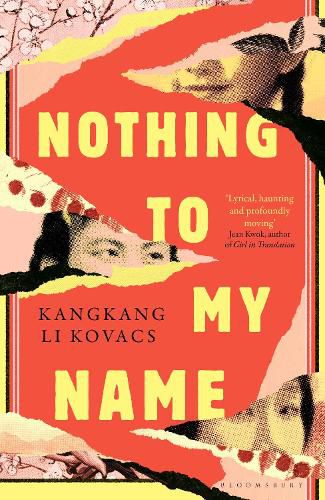
Nothing to My Name
Nothing to My Name is a multigenerational family saga following three Chinese women whose lives are shaped by political upheaval, social expectations, and the enduring bonds between mothers and daughters. Inspired by the author’s family history, the novel spans four decades of modern Chinese history, from the Communist Revolution to the aftermath of the 1989 Tiananmen Square protests.
In 1948, twelve-year-old Ah Xue grows up in a small fishing village in Zhoushan, where her mother earns a modest living combing the hair of wealthy women. As the civil war approaches, their already precarious existence becomes increasingly uncertain. Her daughter, Mimosa, later comes of age during the Cultural Revolution, when political tensions threaten to tear her family apart. In the next generation, Fei struggles with questions of gender identity under the influence of her activist father, whose expectations are shaped by China’s turbulent recent history.
Through these intertwined stories, Kovacs explores the lasting effects of trauma, the sacrifices women make to protect their families, and the ways history echoes across generations. The novel is a portrait of resilience, identity, and the complicated love that binds families together despite profound change.
China
2026