Fiction
All countries
Afghanistan
Albania
Antigua and Barbuda
Argentina
Armenia
Australia
Austria
Azerbaijan
Bahamas
Bahrain
Bangladesh
Barbados
Belarus
Belgium
Belize
Bhutan
Bosnia and Herzegovina
Brazil
Brunei
Bulgaria
Cabo Verde
Canada
Central African Republic
Chile
China
Congo, Democratic Republic
Croatia
Cuba
Czech Republic
Denmark
Djibouti
Dominica
Dominican Republic
Ecuador
Egypt
Fiji
Finland
France
Georgia
Germany
Greece
Hungary
Iceland
India
Indonesia
Iran
Iraq
Ireland
Italy
Jamaica
Japan
Jordan
Kazakhstan
Kenya
Kuwait
Kyrgyzstan
Lebanon
Libya
Malaysia
Mexico
Morocco
Netherlands
New Zealand
Nigeria
Norway
Oman
Pakistan
Palestine
Panama
Peru
Philippines
Poland
Portugal
Romania
Russia
Saudi Arabia
Senegal
Singapore
Slovenia
Somalia
South Korea
Spain
Sri Lanka
Sudan
Sweden
Switzerland
Syria
Taiwan
Tanzania
Thailand
Türkiye
Turkmenistan
Ukraine
United Arab Emirates
United Kingdom
United States
Uzbekistan
Yemen
Zambia
1
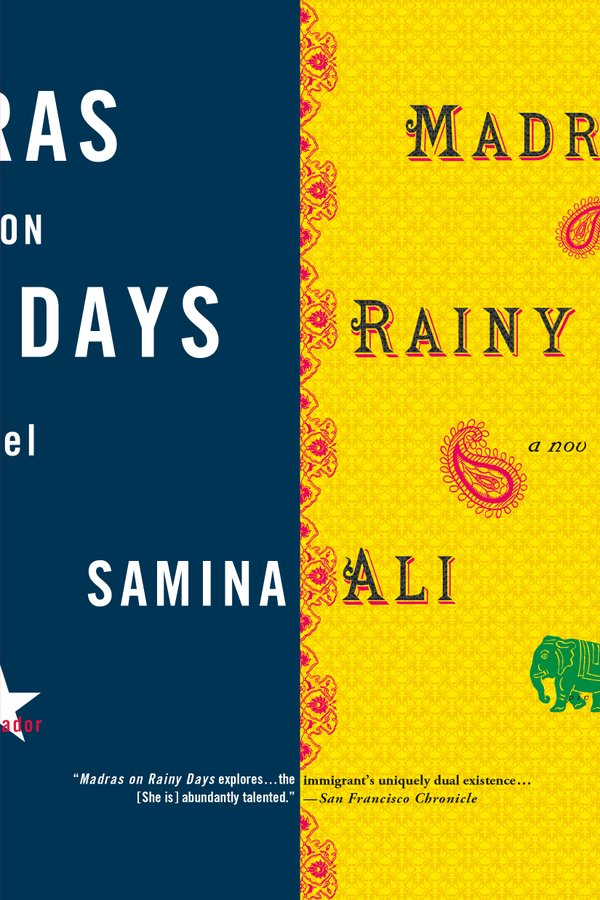
Madras on Rainy Days
At nineteen, Layla is caught between two worlds: the conservative Muslim upbringing her Indian immigrant parents have given her and the independence she has discovered growing up in America. When her parents arrange her marriage to Sameer, a man she barely knows, she reluctantly travels to Hyderabad, hoping to find a sense of belonging in the traditions she has spent years resisting. Amid elaborate wedding rituals, family expectations, and rising Hindu-Muslim tensions, Layla begins to question everything she thought she understood about love, faith, and womanhood. Madras on Rainy Days is a compelling exploration of female independence, cultural identity, and the secrets that lie beneath the surface of family life.
India
2005
2

I Don't Care
First published in 2005 as C’est égal, I Don’t Care is a collection of short stories by Hungarian-born writer Ágota Kristóf, known for her stark prose and unsettling portrayals of human existence. The stories range from surreal parables to brief, brutally realistic glimpses into ordinary lives marked by loneliness, cruelty, and quiet desperation. Characters struggle with family relationships, alienation, death, and the impossibility of finding a place where they truly belong. Some stories unfold like disturbing fairy tales, while others capture the bleak absurdity of everyday encounters. Beneath their apparent simplicity, Kristóf’s narratives reveal the fragility of human connection and the emotional consequences of displacement. Written with extraordinary economy, the collection leaves much unsaid, allowing silences and omissions to become as meaningful as the words themselves. I Don’t Care offers a haunting portrait of people caught between the desire to escape their circumstances and the inability to find refuge elsewhere. Exile, both physical and emotional, runs throughout the collection, reflecting the author’s own experience of leaving her homeland and building a life in another language.
Hungary
2005
3
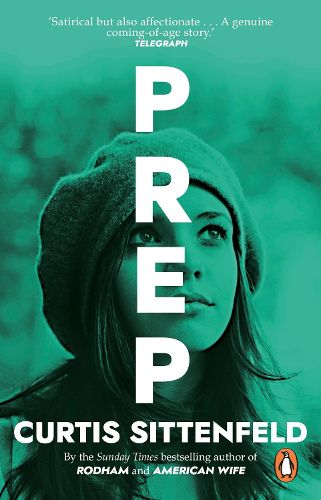
Prep
Curtis Sittenfeld is an American novelist and short-story writer born in Cincinnati, Ohio, in 1975. She studied English at Stanford University and later attended the creative writing program at the University of Iowa. Before becoming a full-time writer, she worked as a journalist and editor.
Sittenfeld made her literary debut with Prep (2005), a coming-of-age novel about a middle-class teenager navigating the social hierarchies of an elite American boarding school. The book became a bestseller and established her reputation for perceptive portrayals of class, identity, ambition, and the complexities of adolescence. Her subsequent novels include American Wife (2008), a fictionalized account inspired by former First Lady Laura Bush; Sisterland (2013); Eligible (2016), a contemporary retelling of Jane Austen’s Pride and Prejudice; and Rodham (2020), an alternative-history novel imagining a different life for Hillary Rodham Clinton.
Sittenfeld has also published the short-story collections You Think It, I’ll Say It (2018) and Help Yourself (2025). Her fiction often examines social expectations, relationships, privilege, and the private thoughts people conceal behind their public identities. Her work has appeared in publications including The New Yorker and The Atlantic.
United States
2005
4
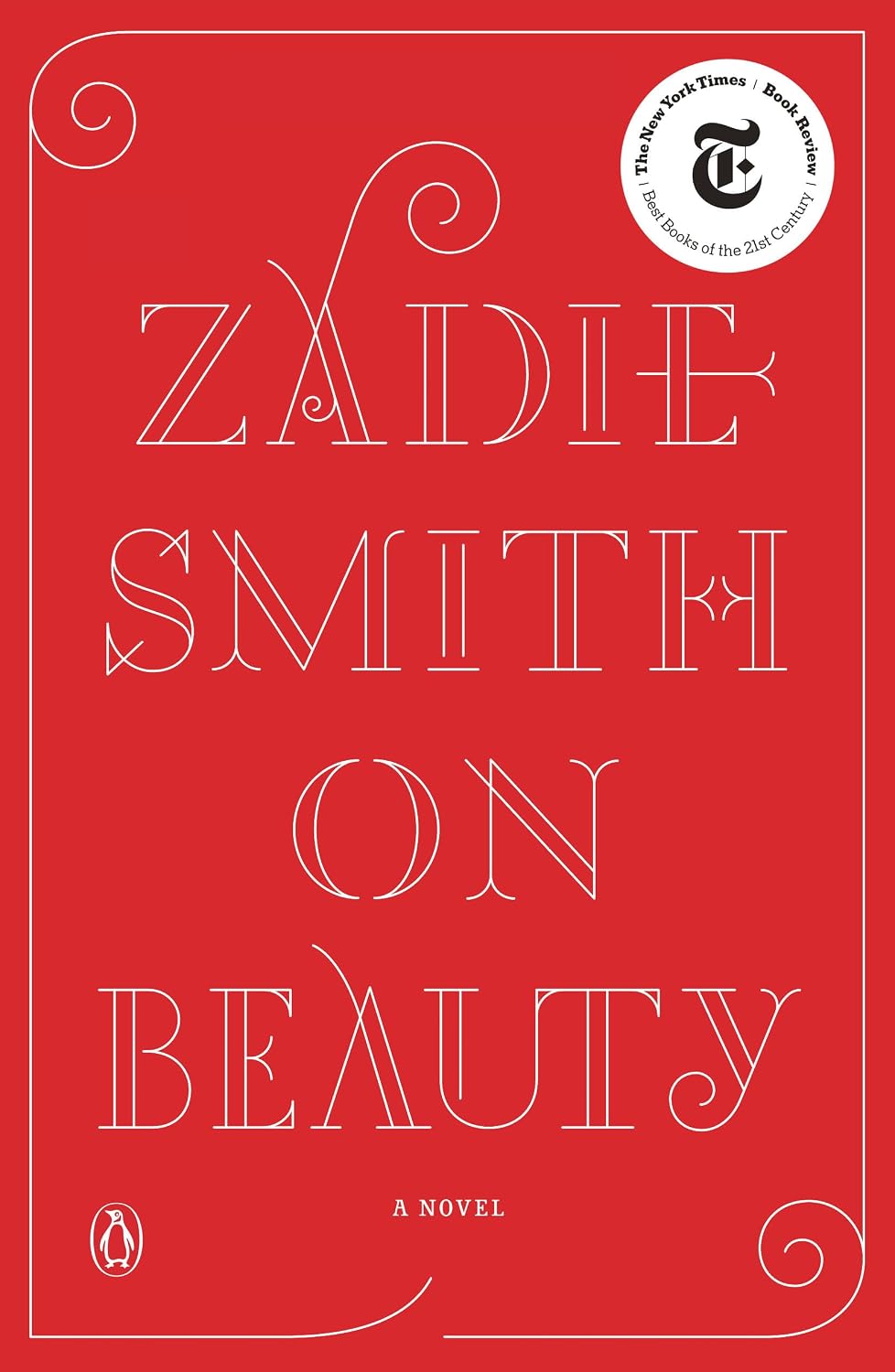
On Beauty
On Beauty is a witty, richly layered novel about family, cultural identity, and intellectual life, set between a fictional university town near Boston and London. The story centers on Howard Belsey, a British art historian teaching at Wellington College, and his American wife, Kiki, whose marriage is strained by infidelity, ideological disagreements, and diverging personal ambitions. Their three children—Jerome, Zora, and Levi—are each searching for their own place in a world shaped by race, class, and competing cultural values.
The Belseys’ lives become increasingly entangled with those of the Kipps family, led by Monty Kipps, a conservative Caribbean-born academic whose views sharply oppose Howard’s liberal convictions. As the two families collide, their rivalries expose the contradictions between public beliefs and private behavior.
Inspired in part by E. M. Forster’s Howards End, Smith’s novel explores the complicated relationship between beauty and morality, the limits of intellectual certainty, and the tensions between tradition and change. Both humorous and emotionally perceptive, On Beauty offers a portrait of contemporary multicultural society and the fragile bonds that hold families together.
United Kingdom
2005
5
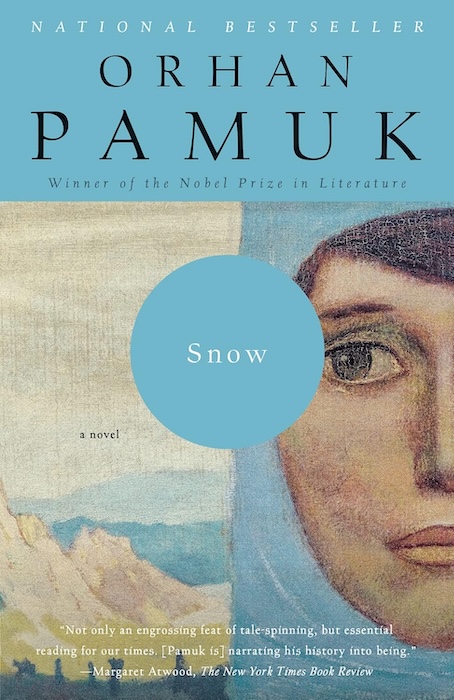
Snow
Snow follows Ka, a Turkish poet returning from political exile in Germany to the remote city of Kars. Officially, he is investigating a series of young women’s suicides, but he is also drawn into the city’s complicated political and religious tensions. As a severe snowstorm isolates Kars from the outside world, Ka becomes entangled with secular intellectuals, Islamists, Kurdish activists, and military authorities. His renewed feelings for İpek, a woman he once knew, offer the possibility of personal happiness amid the surrounding instability. However, a theatrical performance and a military coup intensify the conflict between competing ideological groups. Pamuk examines secularism, religious belief, censorship, and the difficulties of individual freedom in a deeply divided society. Through Ka’s experiences, the novel explores how political convictions shape private lives and how difficult it can be to remain independent when every side demands allegiance.
Türkiye
2005
6
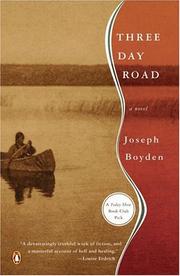
Three Day Road
In this powerful and mesmerizing debut, Joseph Boyden reinvents the tradition of Great War epics like All Quiet on the Western Front and Birdsong. It is 1919 and Niska, an Oji- Cree medicine woman, has left her home in the bush of northern Ontario to retrieve Xavier Bird, her only relation, who has returned from the trenches of Europe. Gravely wounded and addicted to morphine, Xavier recounts how he and his best friend, Elijah Whiskeyjack, prowled the battlefields as snipers of enormous skill—and how the circumstances of their deadly craft led them to very different fates. Told with unblinking focus, this is a stunning tale of brutality, survival, and rebirth that marks the arrival of a prodigious new talent.
Canada
2005
7
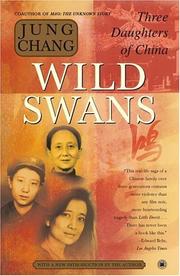
Wild Swans
Wild Swans: Three Daughters of China is a multigenerational memoir tracing the lives of Jung Chang, her mother, and her grandmother against the backdrop of China’s turbulent twentieth-century history. Beginning with her grandmother’s life under imperial rule, the narrative follows her mother’s experiences during the rise of the Communist Party and Chang’s own childhood during the Cultural Revolution. Through their personal stories, the book reveals the profound impact of political upheaval, traditional gender roles, and ideological control on ordinary Chinese families. Chang recounts her family’s experiences of arranged marriage, political persecution, forced labor, and shifting loyalties, illustrating how individual lives become entangled with national history. Combining intimate family memories with historical testimony, the memoir offers a powerful portrait of resilience, sacrifice, and the struggle for personal freedom across three generations of Chinese women.
China
2003
8
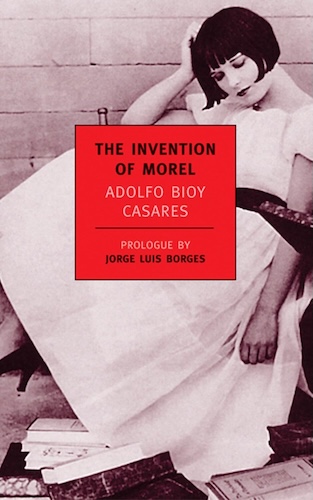
The Invention of Morel
The Invention of Morel follows a fugitive who seeks refuge on a seemingly deserted island, where he discovers a group of people behaving as though he does not exist. Among them is Faustine, a woman whose presence fascinates him, though she remains unaware of him. As he investigates the mysterious inhabitants, he uncovers a strange invention that challenges the boundaries between reality, memory, and illusion. Blending philosophical speculation with elements of science fiction and mystery, Adolfo Bioy Casares explores the human desire to overcome mortality and preserve love beyond the limits of physical existence. The novel raises unsettling questions about consciousness, the nature of reality, and the price of eternal life.
Argentina
2003
9
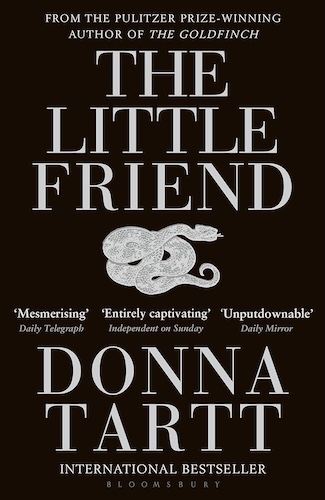
The Little Friend
In the sweltering American South, twelve-year-old Harriet Dufresnes becomes determined to solve the mysterious murder of her older brother, Robin, who was killed when she was still a baby. Driven by grief, imagination, and a fierce sense of justice, she ventures into a world of family secrets, dangerous people, and unsettling discoveries. A dark Southern Gothic novel about childhood, vengeance, and the stories we tell ourselves to make sense of loss.
United States
2002
10
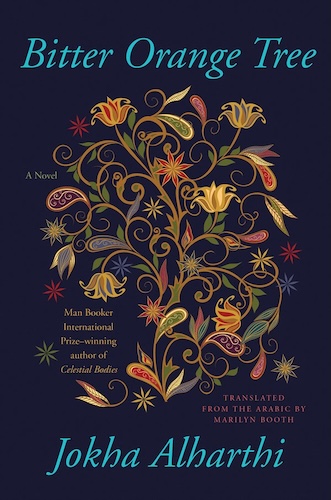
Bitter Orange Tree
When Omani student Zuhour leaves her home to study at a university in Britain, she finds herself caught between the promise of a new life and the memories of the people she has left behind. Among them is Bint Aamir, the woman she regarded as her grandmother, whose love and sacrifices shaped Zuhour’s childhood. Bint Aamir’s own life was marked by constrained choices and dreams she was never able to fulfil, finding solace beneath a beloved bitter orange tree.
As Zuhour struggles with loneliness, complicated friendships, and the challenge of finding her place in an unfamiliar country, memories and dreams draw her back to Oman. Through a lyrical, nonlinear narrative, Jokha Alharthi weaves together the lives of two women separated by generations but connected by longing, affection, and the desire for independence. Bitter Orange Tree explores how family histories, social class, and gender expectations shape women’s lives—and how understanding the past can help us imagine a different future.
Oman
2002
11
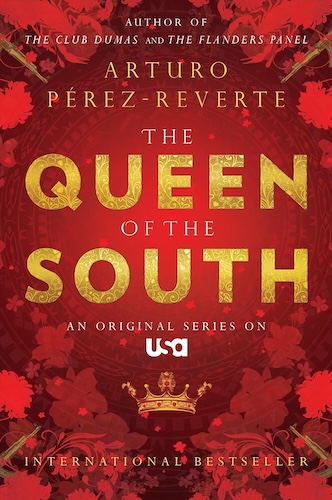
Queen of the South
When the phone rings, Teresa Mendoza knows her life is about to change forever. Her boyfriend, a pilot who smuggles drugs for the Mexican cartels, has warned her that if she ever receives that call, she must run for her life. When he is murdered, Teresa flees Mexico, leaving behind everything she knows and entering an unfamiliar world where survival depends on intelligence, courage, and the ability to trust no one.
Her journey takes her from Mexico to Spain, where she becomes involved in the dangerous business of smuggling hashish across the Strait of Gibraltar. Initially an outsider in a ruthless, male-dominated criminal world, Teresa gradually discovers her talent for negotiation, strategy, and business. As she builds her own network and accumulates wealth and influence, she transforms herself from a frightened young woman into a formidable criminal leader.
Spanning continents and more than a decade, Pérez-Reverte’s novel combines crime thriller, political intrigue, and a powerful portrait of female ambition. Inspired in part by real-world drug-trafficking networks, the story explores loyalty, betrayal, identity, and the price of power. Teresa’s rise challenges conventional ideas about femininity and authority, while revealing the brutal realities of a world where survival often demands becoming the very person one once feared.
Spain
2002
12
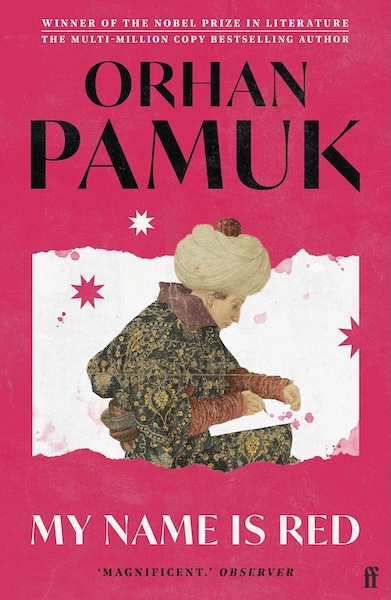
My Name Is Red
Set in sixteenth-century Istanbul during the Ottoman Empire, My Name Is Red follows a group of miniature painters commissioned to create an illustrated book for the sultan. Their work becomes controversial because it incorporates European artistic techniques that challenge traditional Islamic approaches to representation. When one of the artists is murdered, the investigation exposes rivalries, jealousy, and competing ideas about art, religion, and cultural identity. The story unfolds through multiple narrators, including artists, objects, and even a corpse, creating a complex picture of a society caught between established traditions and new influences. Pamuk explores the relationship between artistic expression and political authority, asking whether adopting foreign ideas represents progress or the loss of cultural heritage. The novel combines a murder mystery with a philosophical examination of how people understand themselves through art and tradition.
Türkiye
2002