Fiction
All countries
Afghanistan
Albania
Antigua and Barbuda
Argentina
Armenia
Australia
Austria
Azerbaijan
Bahamas
Bahrain
Bangladesh
Barbados
Belarus
Belgium
Belize
Bhutan
Bosnia and Herzegovina
Brazil
Brunei
Bulgaria
Cabo Verde
Canada
Central African Republic
Chile
China
Congo, Democratic Republic
Croatia
Cuba
Czech Republic
Denmark
Djibouti
Dominica
Dominican Republic
Ecuador
Egypt
Fiji
Finland
France
Georgia
Germany
Greece
Hungary
Iceland
India
Indonesia
Iran
Iraq
Ireland
Italy
Jamaica
Japan
Jordan
Kazakhstan
Kenya
Kuwait
Kyrgyzstan
Lebanon
Libya
Malaysia
Mexico
Morocco
Netherlands
New Zealand
Nigeria
Norway
Oman
Pakistan
Palestine
Panama
Peru
Philippines
Poland
Portugal
Romania
Russia
Saudi Arabia
Senegal
Singapore
Slovenia
Somalia
South Korea
Spain
Sri Lanka
Sudan
Sweden
Switzerland
Syria
Taiwan
Tanzania
Thailand
Türkiye
Turkmenistan
Ukraine
United Arab Emirates
United Kingdom
United States
Uzbekistan
Yemen
Zambia
1
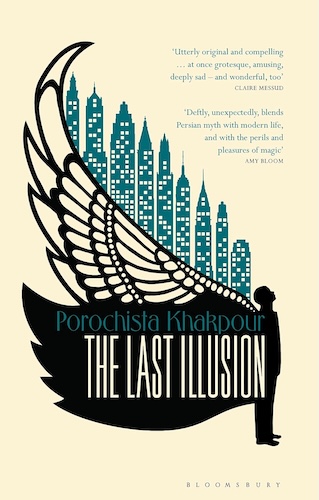
The Last Illusion
Born in a remote Iranian village, Zal spends the first ten years of his life imprisoned in a birdcage, his mother convinced that his unusually pale appearance marks him as a demon. Rescued and brought to New York, he must learn how to live among humans while struggling to understand who he is. Inspired by an ancient Persian myth, this imaginative novel weaves Iranian folklore into contemporary American life, exploring the boundaries between belonging and alienation, myth and reality, and the difficult journey toward selfhood.
Iran
2014
2
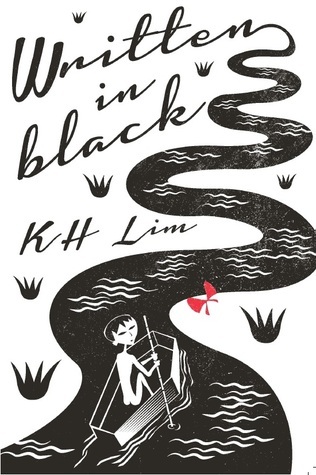
Written in Black
Set in Brunei on the island of Borneo, Written in Black is a darkly humorous coming-of-age novel following ten-year-old Jonathan Lee, a boy from a Chinese family navigating grief, family conflict, and the uncertainties of childhood. As he prepares to attend his grandfather’s funeral, Jonathan is already struggling with his mother’s departure for Australia and his older brother’s expulsion from the family home.
Frustrated by his father’s anger and desperate to understand what has happened to his family, Jonathan escapes the funeral wake inside an empty coffin. His impulsive decision leads him on an unexpected journey through Brunei, where he encounters teenage delinquents, eccentric strangers, mysterious places, and unfamiliar aspects of the country around him. Along the way, he hopes to find his estranged brother and uncover the truth about his absent mother.
Blending comedy, adventure, and moments of sadness, the novel explores childhood vulnerability, family loyalty, and the search for belonging. Jonathan’s journey becomes an opportunity to discover courage and develop a deeper understanding of himself and the complicated adults in his life.
Brunei
2014
3
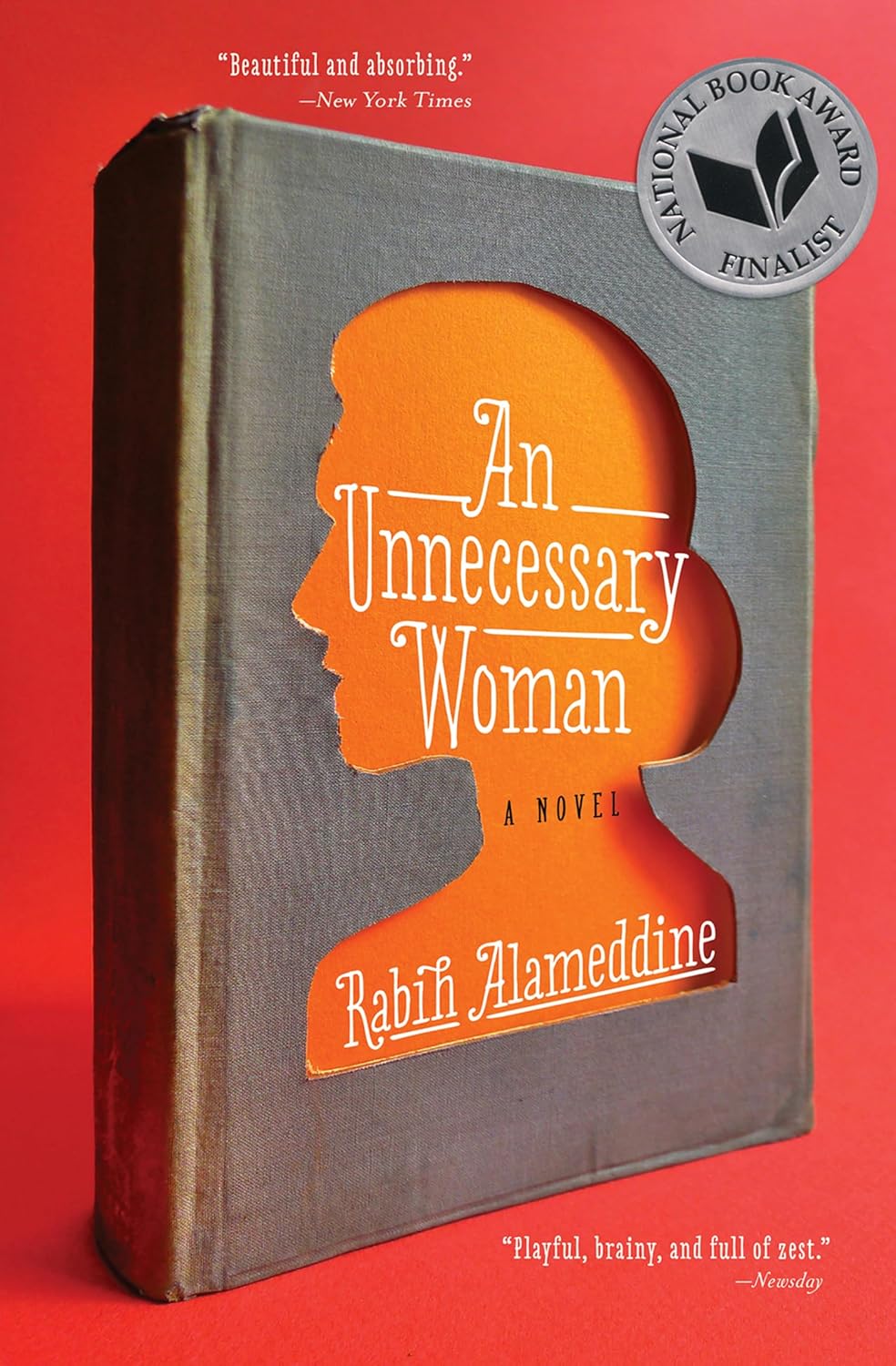
Unnecessary Woman
An Unnecessary Woman centres on Aaliya Saleh, a seventy-two-year-old woman living alone in Beirut. Divorced and estranged from much of her family, Aaliya has spent decades translating literary works into Arabic for her own satisfaction, often without publishing or sharing them. Books provide her with companionship, intellectual freedom, and a refuge from the expectations of a society that frequently overlooks older women. As political tensions and personal memories intrude on her carefully ordered life, Aaliya reflects on her relationships, the civil war, and the choices that have shaped her existence. Her solitary routine is disrupted when an unexpected event threatens to expose the private world she has built around literature. Alameddine explores ageing, independence, cultural identity, and the importance of art, portraying a woman who finds meaning not through conventional success but through the life of the mind.
Lebanon
2014
4
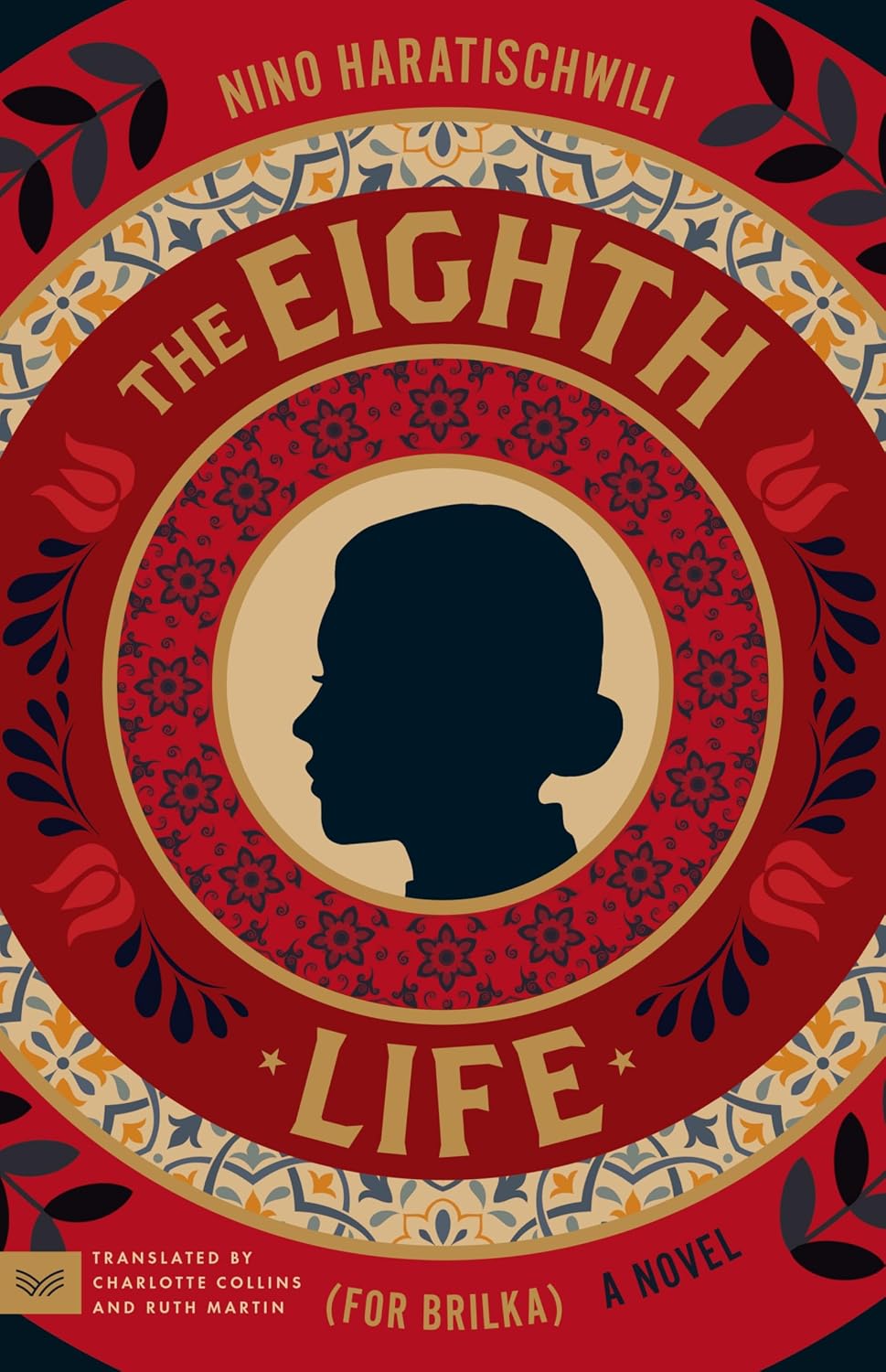
The Eighth Life (for Brilka)
The Eighth Life (for Brilka) follows seven generations of a Georgian family across the twentieth century, beginning in the early 1900s and continuing through the collapse of the Soviet Union. At the centre of the story is a family secret connected to a remarkable recipe for hot chocolate, which brings both extraordinary pleasure and devastating consequences. Through the lives of Stasia, Christine, Kostya, Kitty, and their descendants, the novel explores love, ambition, political repression, and the sacrifices people make to survive turbulent times. The family’s history unfolds against the backdrop of revolutions, Stalinism, world wars, and the struggle for Georgian independence. Narrated by Niza, who recounts the family’s past to her young niece Brilka, the novel examines how historical trauma is passed from one generation to another and whether understanding the past can offer a chance to break its cycle.
Georgia
2014
5
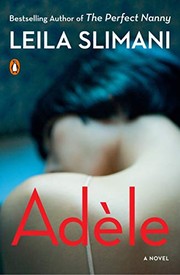
Adèle
Adèle follows Adèle Robinson, a married woman living in Paris with her husband and young son. Despite her comfortable middle-class life and successful career as a journalist, she is consumed by compulsive sexual behavior that threatens to destroy her family and sense of self. As she becomes increasingly unable to control her impulses, her carefully maintained public image begins to unravel, exposing the emptiness and dissatisfaction beneath her seemingly ordinary existence. Through Adèle’s struggles, Leïla Slimani examines desire, addiction, repression, and the pressures of conventional domestic life. Written in a stark, unsentimental style, the novel explores the tension between social respectability and private compulsions, questioning how well people can truly understand themselves and the hidden forces that shape their behavior.
France
2014
6
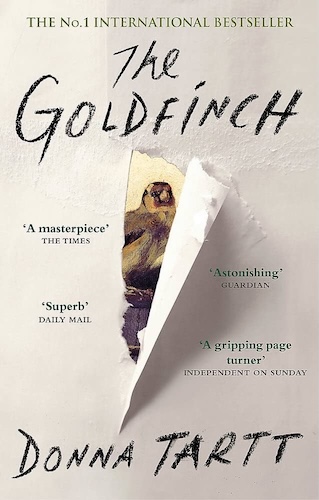
The Goldfinch
After a devastating accident kills his mother, thirteen-year-old Theo Decker finds himself clinging to a small, captivating painting that connects him to her. As he grows older, the artwork draws him into a world of wealth, deception, and the criminal art trade. Winner of the 2014 Pulitzer Prize for Fiction, this sweeping novel explores grief, obsession, and the mysterious ways beauty can shape a life.
United States
2013
7
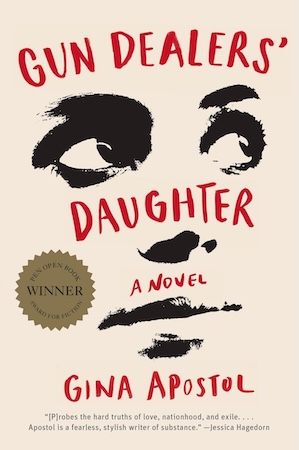
Gun Dealers’ Daughter
A privileged young woman. A revolutionary lover. A past she cannot fully remember.
Growing up in a wealthy family in the Philippines under Ferdinand Marcos’s authoritarian rule, Soledad “Sol” Soliman has lived a sheltered life, far removed from her country’s poverty and political turmoil. But when she enters university in Manila, she falls in with radical student activists and becomes involved in a revolutionary movement. Torn between romantic desire and political conviction, Sol is drawn into a conspiracy with devastating consequences. Years later, living far from home, she attempts to reconstruct her fractured memories and confront the act that continues to haunt her. Blending psychological suspense with political history, Gina Apostol’s award-winning novel explores privilege, rebellion, and the uneasy relationship between personal memory and national history.
Philippines
2013
8
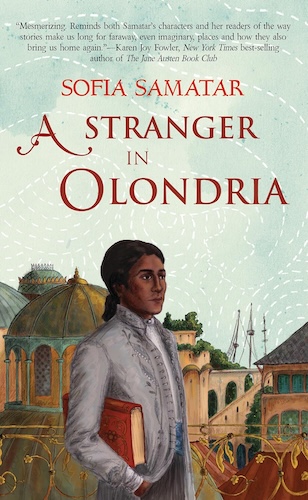
A Stranger in Olondria
Jevick, the son of a pepper merchant, grows up listening to stories about Olondria, a distant land where books are abundant and literacy is prized. When his father dies, Jevick takes over the family’s annual trading journey and finally visits the country he has long imagined. Enchanted by its cities, literature, and elaborate traditions, he feels he has entered a dream. But his happiness is shattered when the ghost of an illiterate young woman begins to haunt him.
Desperate to escape the apparition, Jevick seeks help from Olondria’s religious authorities, only to become entangled in a conflict between rival religious factions. To find freedom, he must uncover the dead woman’s story and confront the boundaries between the living and the dead, belief and knowledge, and personal experience and inherited tradition.
Blending lyrical prose, immersive world-building, and philosophical reflection, Sofia Samatar’s award-winning debut is both an intricate fantasy adventure and a meditation on the transformative power of literature. It explores how stories shape our understanding of other people—and how reading can become an act of wonder, possession, and liberation.
United States
2013
9
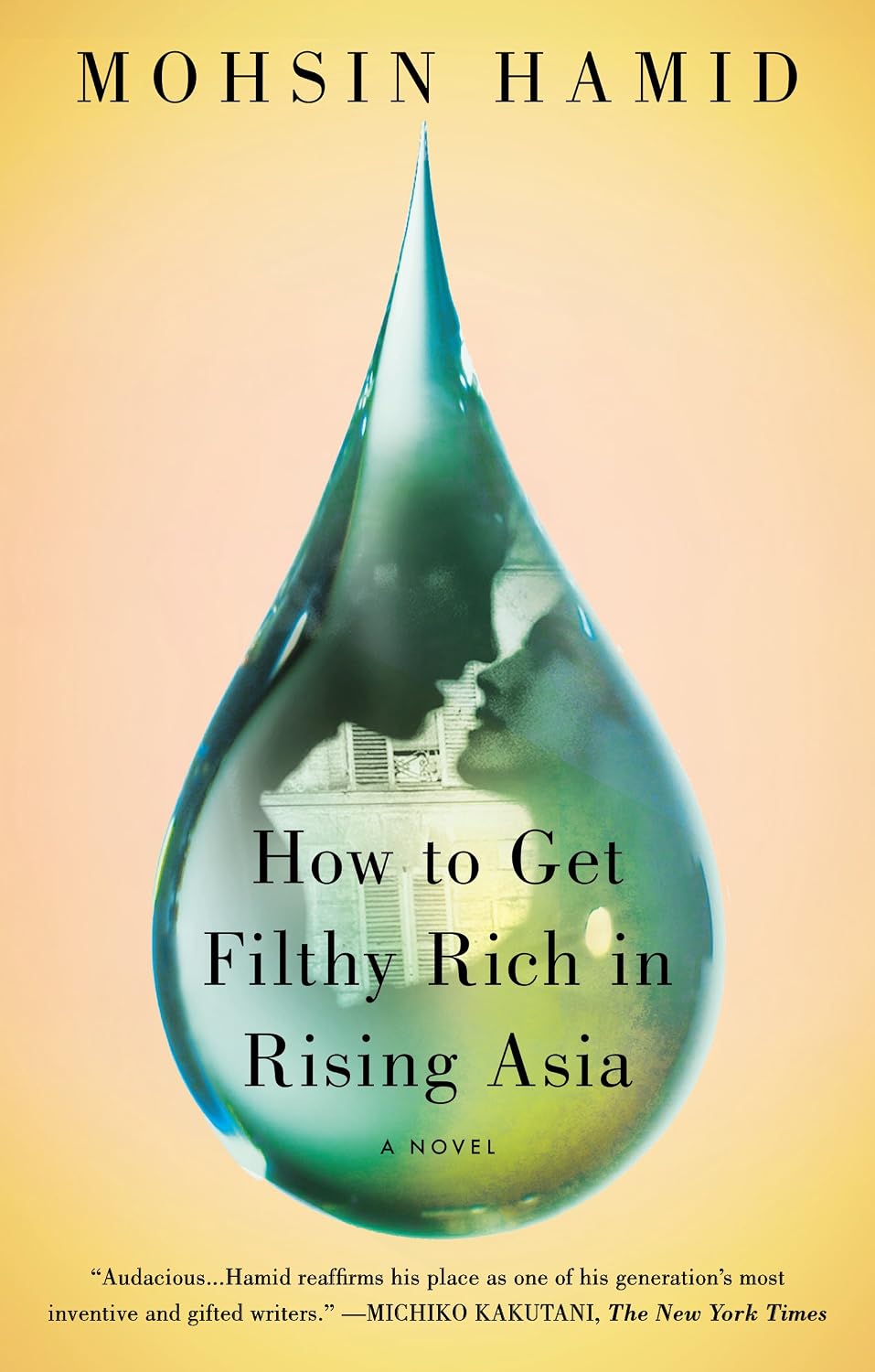
How to Get Filthy Rich in Rising Asia
Told in the second person, as though the reader is the protagonist, Mohsin Hamid’s inventive novel follows an unnamed boy’s extraordinary journey from rural poverty to immense wealth in a rapidly transforming South Asian city. Structured like a self-help manual, each chapter offers a rule for achieving financial success, from leaving the village to exploiting opportunities in the marketplace. As the protagonist moves into the city, he builds a business selling bottled water, turning a basic necessity into the foundation of his growing empire. Yet wealth brings neither complete security nor lasting fulfilment. Throughout his rise, he remains connected to a woman he first met as a teenager, whose own life follows a different but equally turbulent path. Against a backdrop of urbanisation, corruption, consumerism, and widening inequality, Hamid examines the costs of ambition in a society where almost everything has a price. Witty, romantic, and sharply observant, How to Get Filthy Rich in Rising Asia is both a satire of self-help culture and a moving reflection on love, mortality, and the elusive meaning of success.
Pakistan
2013
10
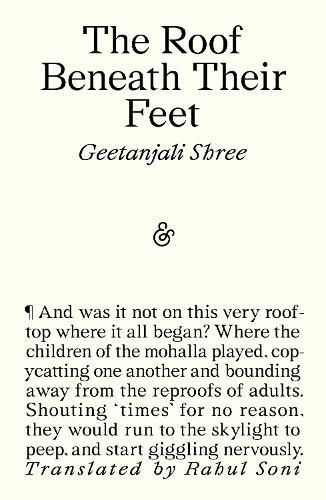
The Roof Beneath Their Feet
In a close-knit residential complex in India, the rooftops of Laburnum House offer a rare refuge from the expectations and restrictions of everyday life. Chachcho, trapped in a lonely marriage, finds companionship in Lalna, a woman abandoned by her husband whom she takes into her home. Their intense and unconventional bond soon becomes the subject of neighbourhood gossip, as their closeness challenges accepted ideas about marriage, female desire and respectability. Years later, following Chachcho’s death, Lalna returns, prompting Chachcho’s nephew, Bitva, to revisit family memories and question the story of his own origins. Moving between perspectives and shifting recollections, Geetanjali Shree creates an intricate portrait of women’s lives, hidden desires and the stories families tell to protect themselves. The rooftop becomes a powerful symbol of freedom—a space where women can escape the watchful eyes of society and imagine lives beyond its boundaries.
India
2013
11
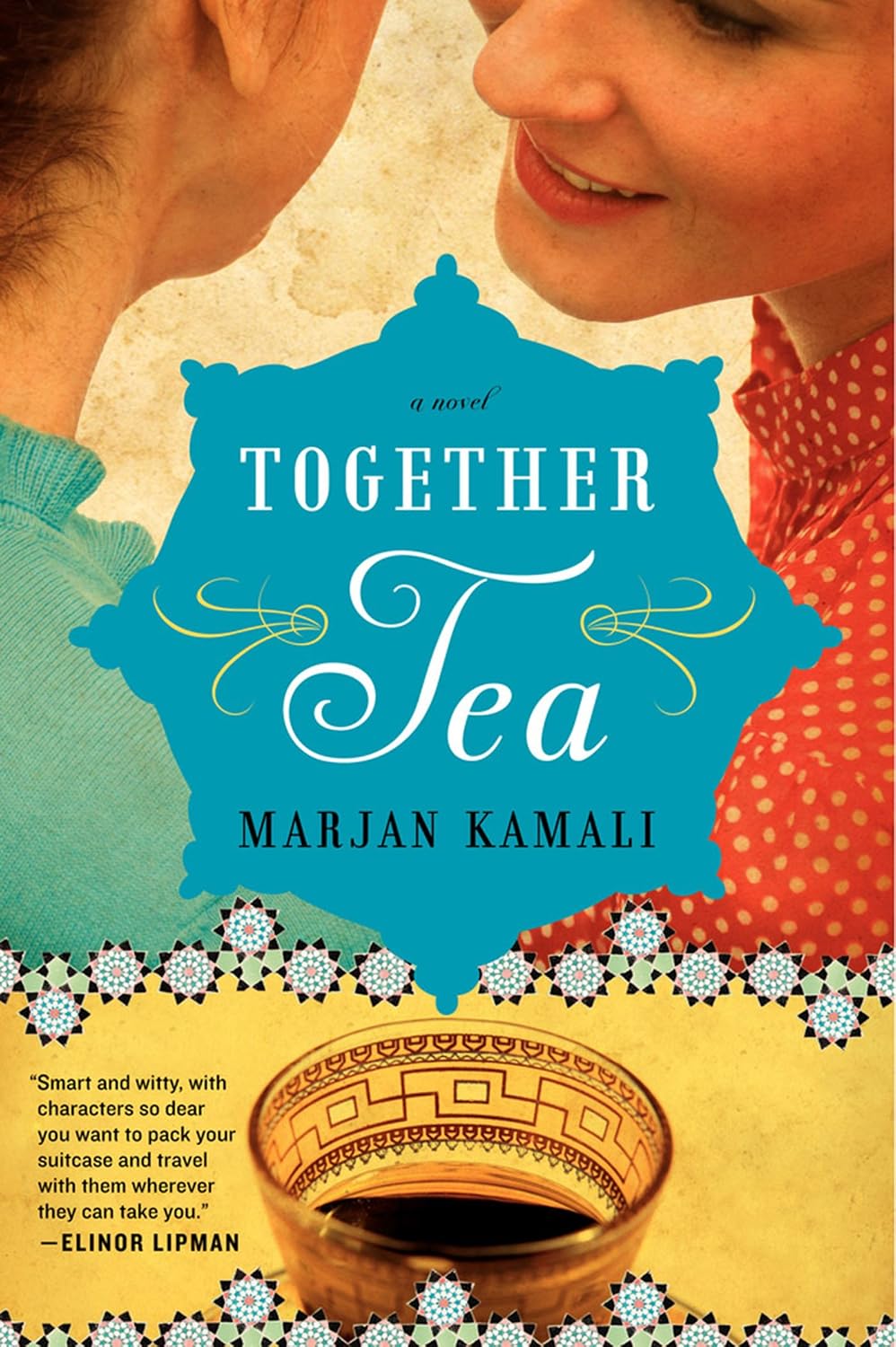
Together Tea
Together Tea follows Mina Rezayi, an Iranian American woman living in New York who dreams of becoming an artist but feels pressured to complete her business studies and settle down. Her mother, Darya, is determined to find her the right husband and repeatedly arranges introductions to suitable Iranian American men. Frustrated by the constant matchmaking, Mina struggles to reconcile her own ambitions with her family’s expectations. When mother and daughter travel to Iran, the journey brings them closer to the culture Darya left behind and encourages them to reconsider their relationship. As Mina encounters unexpected romantic possibilities, both women must confront the differences between their hopes and the lives they have built. Kamali explores the complexities of immigrant identity, the changing roles of women, and the tensions between generations. The novel celebrates the possibility of understanding one another without abandoning personal dreams or cultural heritage.
Iran
2013
12
The Lowland
The Lowland tells the story of two brothers, Subhash and Udayan, who grow up together in Calcutta but choose dramatically different paths as adults. During the 1960s, Udayan becomes involved in the Naxalite movement, a radical communist uprising that challenges India’s political and social order. Subhash, by contrast, leaves for the United States to pursue an academic career. When political violence destroys Udayan’s future, Subhash returns to India and makes a decision that binds him to his brother’s family for decades. The consequences of this choice unfold across generations, affecting relationships, marriages, and the identity of Udayan’s daughter, Bela. Lahiri explores guilt, loyalty, political conviction, and the lasting consequences of family secrets, showing how a single act can shape the lives of people who were never responsible for it.
India
2013