Fiction
All countries
Afghanistan
Albania
Antigua and Barbuda
Argentina
Armenia
Australia
Austria
Azerbaijan
Bahamas
Bahrain
Bangladesh
Barbados
Belarus
Belgium
Belize
Bhutan
Bosnia and Herzegovina
Brazil
Brunei
Bulgaria
Cabo Verde
Canada
Central African Republic
Chile
China
Congo, Democratic Republic
Croatia
Cuba
Czech Republic
Denmark
Djibouti
Dominica
Dominican Republic
Ecuador
Egypt
Fiji
Finland
France
Georgia
Germany
Greece
Hungary
Iceland
India
Indonesia
Iran
Iraq
Ireland
Italy
Jamaica
Japan
Jordan
Kazakhstan
Kenya
Kuwait
Kyrgyzstan
Lebanon
Libya
Malaysia
Mexico
Morocco
Netherlands
New Zealand
Nigeria
Norway
Oman
Pakistan
Palestine
Panama
Peru
Philippines
Poland
Portugal
Romania
Russia
Saudi Arabia
Senegal
Singapore
Slovenia
Somalia
South Korea
Spain
Sri Lanka
Sudan
Sweden
Switzerland
Syria
Taiwan
Tanzania
Thailand
Türkiye
Turkmenistan
Ukraine
United Arab Emirates
United Kingdom
United States
Uzbekistan
Yemen
Zambia
1
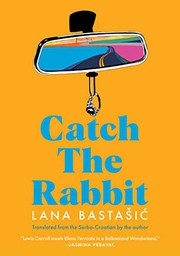
Catch the Rabbit
Catch the Rabbit follows Lejla and Sara, two women who grew up together in Bosnia but became estranged as their lives took different directions. Years later, Lejla calls Sara and asks her to help find Armin, Lejla’s brother, who disappeared after leaving the country. Sara returns from Ireland, where she has built a new life, and the two women embark on a road trip through the former Yugoslavia. Their journey brings back memories of childhood, friendship, and the divisions created by the breakup of their country. As old grievances surface, they must confront the ways their personal histories have been shaped by ethnic identity, political violence, and the stories they tell themselves. Bastašić explores memory, belonging, and the fragility of friendship, revealing how the past can continue to govern the present even when people believe they have escaped it.
Bosnia and Herzegovina
2021
2
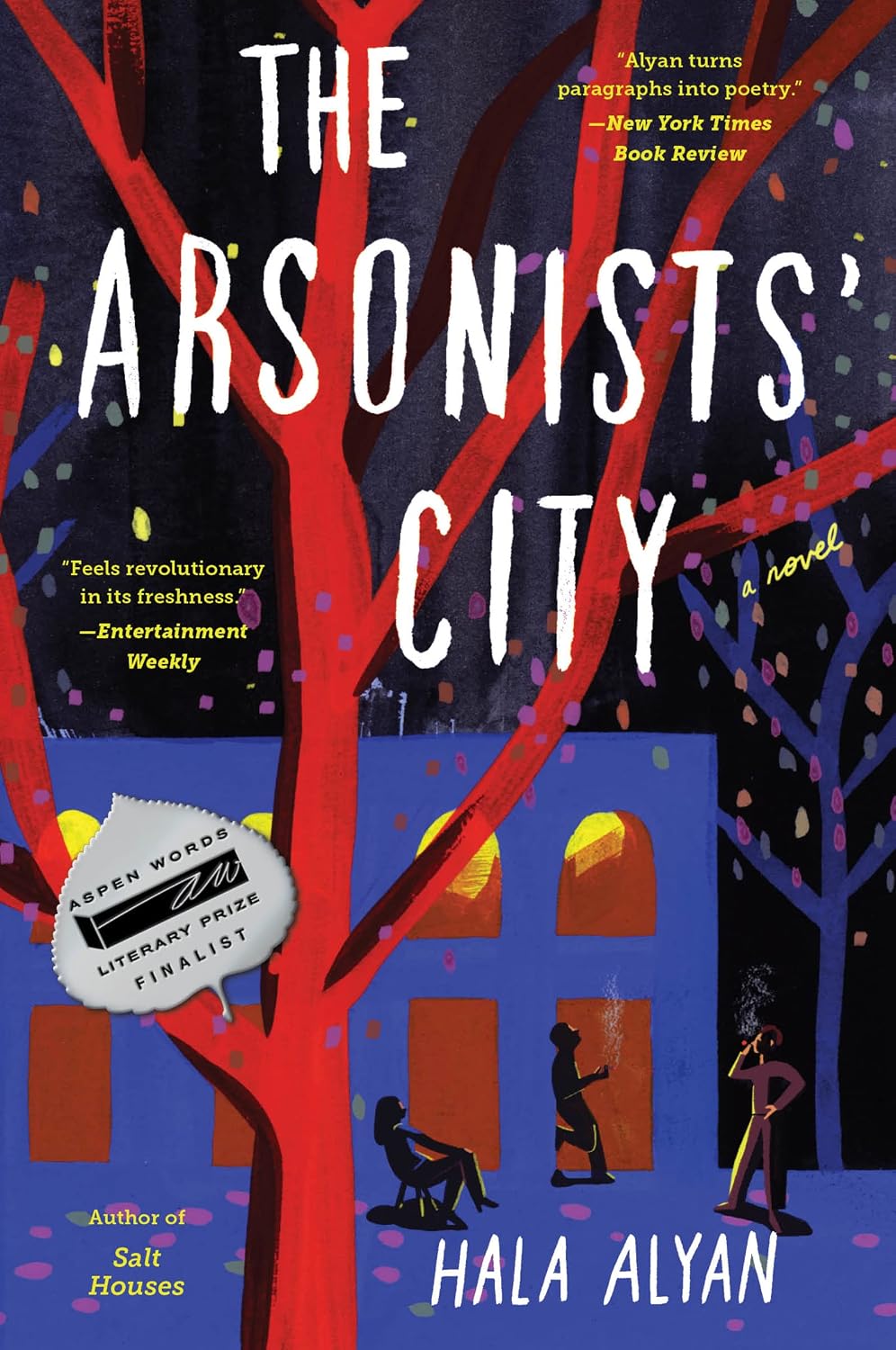
The Arsonists' City
The Arsonists’ City follows the Nasr family, whose members are scattered across Beirut and the United States but remain connected by their shared history and their ancestral home in Lebanon. When Idris decides to sell the Beirut house following his father’s death, his wife, Mazna, and their three adult children return to prevent the sale. Their reunion brings buried secrets, old romantic entanglements, and unresolved resentments to the surface. Through shifting timelines, Alyan reveals how the family came together and how migration, political conflict, and personal choices gradually shaped their relationships. Each family member has developed a different understanding of home, belonging, and responsibility, creating tensions that threaten to pull them apart. Against the backdrop of Lebanon’s turbulent history, the novel explores intergenerational trauma, cultural identity, and the complicated bonds that connect people to their families and places of origin.
Lebanon
2021
3
Book Censor's Library
The Book Censor’s Library presents a dystopian world in which literature is treated as a threat and citizens are expected to follow an officially approved version of reality. The protagonist works as a book censor, examining manuscripts and identifying ideas that might undermine the established order. His work initially appears to be a straightforward responsibility, but his encounters with the books he must judge gradually complicate his understanding of truth, authority, and individual thought. As he becomes increasingly aware of the power of stories, he begins questioning the system he serves and the assumptions that have shaped his life. Al-Essa uses satire and speculative fiction to explore censorship, propaganda, and the relationship between literature and political power. The novel celebrates the freedom to read, imagine, and question, suggesting that controlling stories is also a way of controlling how people understand themselves and the world around them.
Kuwait
2021
4
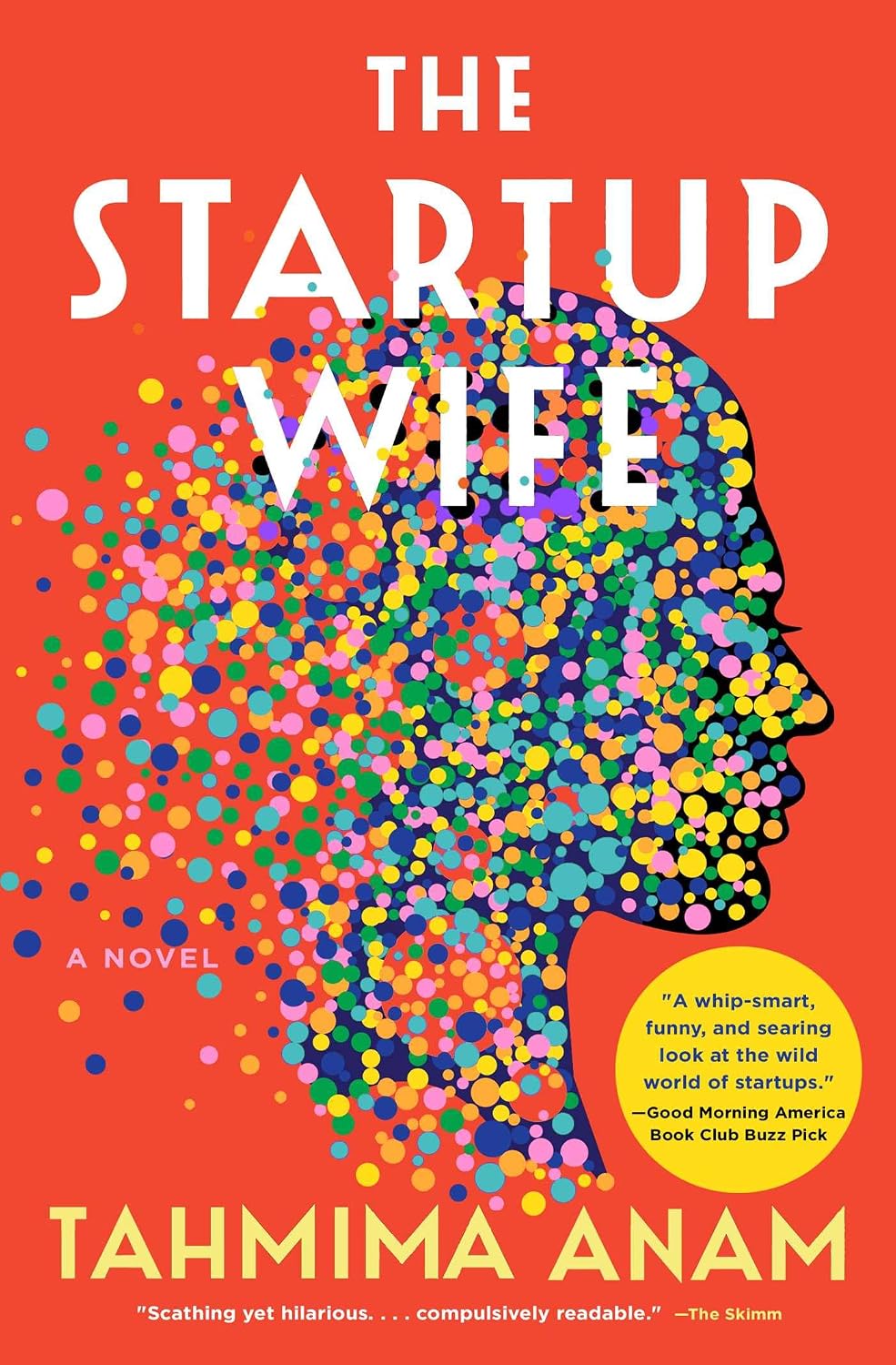
The Startup Wife
The Startup Wife follows Asha Ray, a brilliant computer scientist who leaves her academic career to build a technology startup with her husband, Cyrus Jones, and their friend Jules. Their company develops an app that offers users personalised rituals and a sense of connection in an increasingly secular world. When the platform becomes a sensation, Cyrus’s charisma turns him into the public face of the business, while Asha’s technical contribution and intellectual authority are gradually overshadowed. As the company grows, the imbalance between their professional recognition and personal responsibilities begins to threaten both their marriage and Asha’s sense of self. Anam combines satire and contemporary fiction to examine gender inequality, entrepreneurial ambition, technology, and the cult of charismatic leadership. The novel questions who receives credit for innovation and how power can shift within relationships when professional success becomes inseparable from public image.
Bangladesh
2021
5
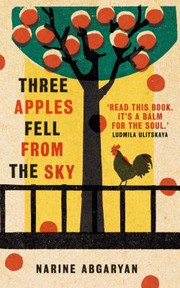
Three Apples Fell from the Sky
Set in the remote Armenian mountain village of Maran, Three Apples Fell from the Sky follows a close-knit community whose inhabitants live according to longstanding traditions, local legends, and a shared understanding of the world. When Anatolia, an elderly woman who has spent her life in the village, becomes convinced that she is about to die, an unexpected visit brings the possibility of a new beginning. Her story unfolds alongside those of other villagers, revealing old rivalries, unexpected affection, and the quiet resilience that sustains their community. Blending humour, folklore, and magical realism, Abgaryan portrays a place where hardship exists alongside everyday tenderness. The novel celebrates the strength of human connection, the importance of preserving cultural traditions, and the small miracles that can transform lives even in a community seemingly forgotten by the outside world.
Armenia
2021
6
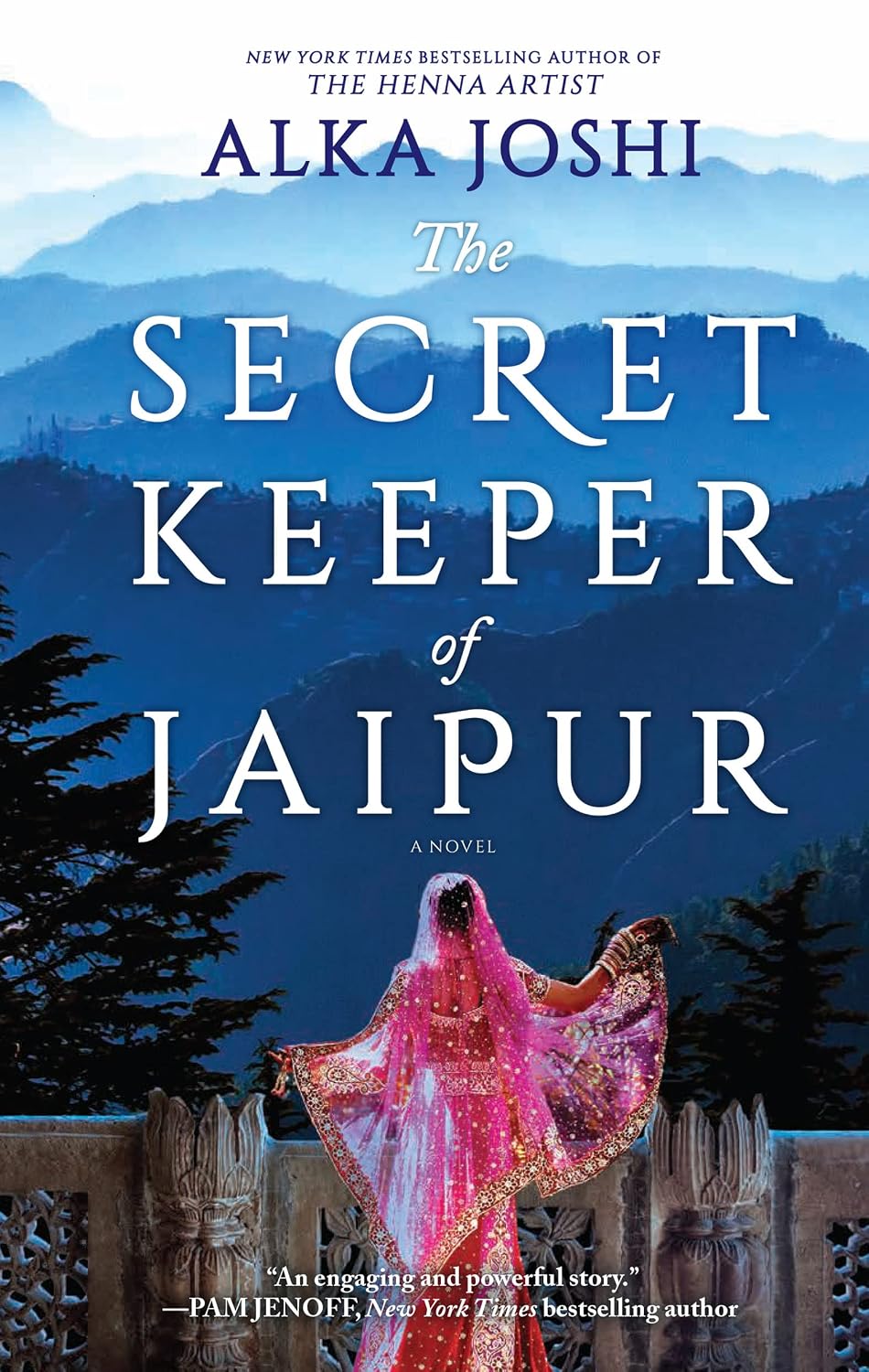
Secret Keeper of Jaipur
Set in Jaipur in 1969, The Secret Keeper of Jaipur follows Malik, a young man who returns to the city where he grew up to begin an apprenticeship at the royal palace. Under the guidance of Lakshmi, the former henna artist who has become a respected figure in the community, Malik hopes to build a promising future. His work brings him into contact with the wealthy and influential people overseeing the construction of a modern cinema. When the cinema’s balcony collapses on opening night, the resulting tragedy exposes corruption, concealed interests, and the unequal distribution of power. Suspecting that the disaster was not simply an accident, Malik begins investigating the truth, putting himself at risk as he challenges those determined to protect their reputations. Joshi examines social inequality, ambition, and the influence of wealth and privilege in a rapidly changing India.
India
2021
7
No Honour
No Honour follows sixteen-year-old Abida, who lives in a small Pakistani village governed by strict traditions and expectations surrounding family honour. Determined to choose whom she loves and build a life of her own, Abida challenges the conventions that control women’s lives. When her choices place her in grave danger, she escapes to Lahore with the help of her devoted father, Jamil, who risks everything to protect her.
As Jamil searches for his missing daughter, both are drawn into a world where the threats facing vulnerable women extend far beyond their village. Moving between rural Pakistan and the crowded streets of Lahore, Awais Khan explores the devastating consequences of honour-based violence, forced conformity, and gender inequality. The novel also examines the complicated relationship between parents and children, particularly the courage required to challenge deeply rooted cultural expectations. Through Abida’s struggle for survival and independence, No Honour becomes a powerful story about love, resilience, and the right to determine one’s own future.
Pakistan
2021
8
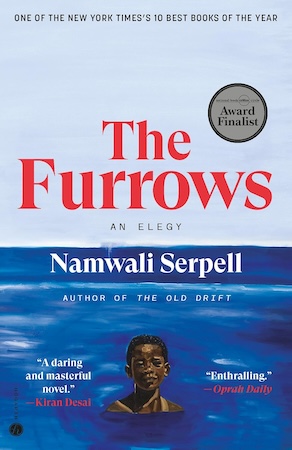
The Furrows
“I don’t want to tell you what happened. I want to tell you how it felt.”
When Cassandra Williams, known as C, is twelve years old, her seven-year-old brother, Wayne, disappears during a swimming accident. His body is never found, leaving C trapped in a grief complicated by guilt and unanswered questions. Their mother refuses to abandon hope and dedicates herself to searching for missing children, while their father eventually leaves the family. As C grows older, the loss refuses to remain in the past: she begins seeing Wayne everywhere, recognising his face in strangers on trains, in cafés, and in crowded streets. Then she meets a man who shares her brother’s name and seems connected to the mystery of her loss. Moving between perspectives and shifting versions of reality, Namwali Serpell explores how grief distorts memory and how the stories we tell ourselves can become inseparable from what we believe to be true. Both intimate and formally adventurous, The Furrows is a haunting meditation on sibling love, racial identity, and the impossible desire to recover those we have lost.
United States
2022
9
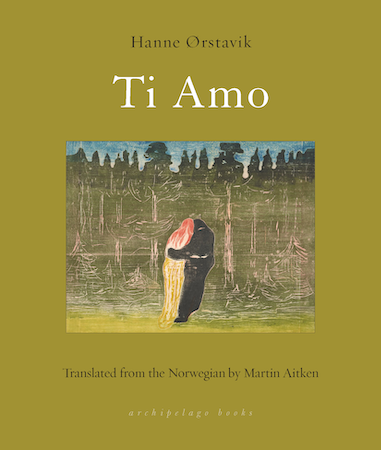
Ti Amo
Can love survive when the person you love is disappearing before your eyes? In this intimate, autobiographical novel, a woman in her fifties discovers that her husband has cancer. As they confront his illness together, their shared life takes on a new intensity, and ordinary moments become charged with tenderness, fear, and impending loss. The Italian words ti amo—“I love you”—become a quiet expression of devotion in the face of something neither of them can control. Through spare, precise prose, Hanne Ørstavik explores the strange isolation of caring for someone who is dying, the vulnerability of the body, and the ways love changes when time becomes painfully limited. Neither sentimental nor detached, the novel captures the contradictions of grief before death has even arrived: the desire to hold on, the exhaustion of caregiving, and the desperate wish to make every remaining moment count.
Norway
2022
10
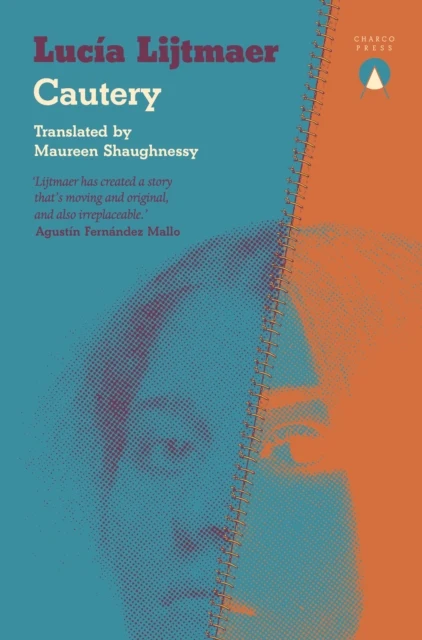
Cautery
A woman in Barcelona is trapped in a relationship that looks perfect from the outside, yet she cannot shake the feeling that her life is quietly falling apart. Haunted by fantasies of an impending apocalypse, she begins to question the promises of romantic love, modern feminism, and the freedom she thought she had achieved. Four centuries earlier, Deborah Moody, a fiercely independent Englishwoman, escapes to colonial America after losing almost everything. Despite their vastly different worlds, both women confront the same uncomfortable truth: independence does not guarantee freedom from the expectations and disappointments imposed by men. Darkly funny, provocative, and sharply observant, Cautery explores heartbreak, female anger, and the radical possibility of starting over when the life you’ve built becomes unbearable.
Spain
2022
11
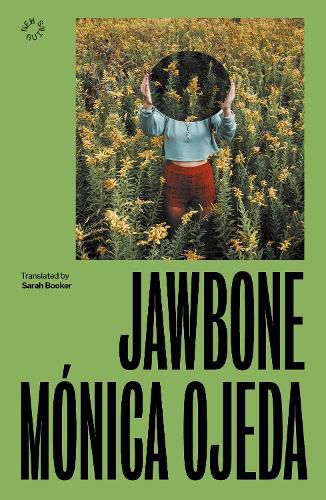
Jawbone
In Jawbone (Mandíbula), Ecuadorian writer Mónica Ojeda explores the disturbing intersection of adolescent desire, female friendship, violence, and fear. The novel opens with Fernanda, a wealthy teenager who has been kidnapped and imprisoned in a remote cabin by her literature teacher, Miss Clara. As the circumstances surrounding the abduction gradually emerge, the story reveals the intense and unsettling relationship between Fernanda and her best friend, Annelise, whose shared fascination with horror, mythology, and the macabre has drawn them into increasingly dangerous territory.
At their elite bilingual school in Guayaquil, Annelise leads a group of girls in elaborate rituals devoted to a fictional deity they have created. Their games blur the boundaries between imagination and reality, intimacy and cruelty, fascination and obsession. Meanwhile, Miss Clara struggles with her own psychological disintegration, haunted by her dead mother and the pressure to maintain control.
Drawing on horror fiction, internet creepypastas, mythology, and literary theory, Ojeda constructs a multilayered narrative that captures the volatility of adolescence. The novel examines how young women negotiate power, sexuality, identity, and belonging in a world where affection can become possessive and fear can transform into desire. Its unsettling atmosphere challenges readers to confront the darker possibilities of growing up.
Ecuador
2022
12
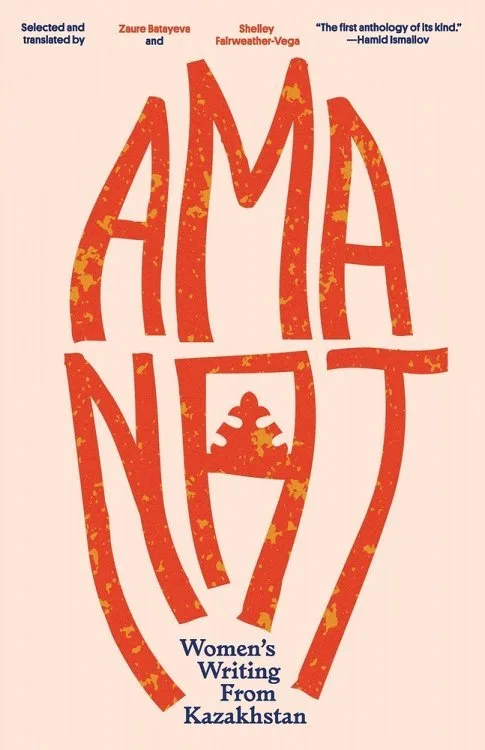
Amanat: Women’s Writing from Kazakhstan
Amanat: Women’s Writing from Kazakhstan is a landmark anthology bringing together 24 short stories and essays by 13 women writers from three generations of Kazakhstani life. Translated from Kazakh and Russian into English, the collection offers an intimate portrait of a country negotiating the complicated legacies of Soviet rule, independence, and rapid social change. Its stories move between rural villages and urban landscapes, family homes and public spaces, exploring the lives of women whose experiences have often remained outside international literary conversations. Some pieces revisit the trauma of Stalinist repression, famine, and political protest, while others examine marriage, motherhood, loneliness, generational conflict, and the uncertainties of contemporary life. Together, the writers reveal a society shaped by competing cultural influences and evolving ideas about identity and belonging. The title, Amanat, evokes a trust, promise, or precious legacy entrusted to another for safekeeping. True to this meaning, the anthology preserves and shares the voices of Kazakhstani women, creating a literary bridge between generations, languages, and cultures.
Kazakhstan
2022