Fiction
All countries
Afghanistan
Albania
Antigua and Barbuda
Argentina
Armenia
Australia
Austria
Azerbaijan
Bahamas
Bahrain
Bangladesh
Barbados
Belarus
Belgium
Belize
Bhutan
Bosnia and Herzegovina
Brazil
Brunei
Bulgaria
Cabo Verde
Canada
Central African Republic
Chile
China
Congo, Democratic Republic
Croatia
Cuba
Czech Republic
Denmark
Djibouti
Dominica
Dominican Republic
Ecuador
Egypt
Fiji
Finland
France
Georgia
Germany
Greece
Hungary
Iceland
India
Indonesia
Iran
Iraq
Ireland
Italy
Jamaica
Japan
Jordan
Kazakhstan
Kenya
Kuwait
Kyrgyzstan
Lebanon
Libya
Malaysia
Mexico
Morocco
Netherlands
New Zealand
Nigeria
Norway
Oman
Pakistan
Palestine
Panama
Peru
Philippines
Poland
Portugal
Romania
Russia
Saudi Arabia
Senegal
Singapore
Slovenia
Somalia
South Korea
Spain
Sri Lanka
Sudan
Sweden
Switzerland
Syria
Taiwan
Tanzania
Thailand
Türkiye
Turkmenistan
Ukraine
United Arab Emirates
United Kingdom
United States
Uzbekistan
Yemen
Zambia
1

Of Strangers and Bees
In Of Strangers and Bees, Uzbek writer Hamid Ismailov weaves together the experiences of a contemporary exile and the extraordinary life of Avicenna, the celebrated medieval philosopher, physician, and polymath. The novel follows Sheikhov, an Uzbek writer living far from his homeland, who awakens from a troubling dream convinced that Avicenna continues to wander the world in different incarnations. Their journeys echo one another across centuries and cultures, moving through Ottoman Turkey, medieval Germany, and Renaissance Italy.
Blending historical fiction, philosophical reflection, traditional storytelling, and Sufi mysticism, Ismailov explores the meaning of belonging and the loneliness of life in exile. The novel also draws on Hayy ibn Yaqzan, a landmark work of medieval Islamic philosophy concerned with knowledge, reason, and spiritual awakening. Through layered narratives and allegorical episodes, Ismailov considers how people search for truth and wisdom while negotiating the boundaries between cultures, histories, and identities. The result is an imaginative meditation on displacement, intellectual freedom, and the enduring human quest for understanding.
Uzbekistan
2019
2

Three Daughters of Eve
Three Daughters of Eve follows Peri, a wealthy Turkish woman whose apparently comfortable life in Istanbul conceals unresolved questions about faith, identity, and personal responsibility. During a dinner party years after her university studies at Oxford, a photograph unexpectedly brings back memories of her time there in the 1990s. As a student, Peri became involved with a charismatic professor who encouraged his pupils to debate religion and belief. Her friendships with two fellow students—one deeply religious and the other firmly atheist—exposed her to conflicting ideas about spirituality, feminism, and freedom. Their relationships eventually culminated in an incident that Peri has struggled to understand ever since. Shafak explores the tension between faith and doubt, the influence of family and culture, and the difficulty of forming an independent worldview in a politically divided society.
Türkiye
2019
3
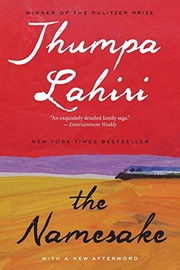
The Namesake
The Namesake follows the Ganguli family as they move from Calcutta to the United States in search of a new life. Their son, Gogol, grows up caught between his Bengali heritage and the American culture in which he was raised. Named after the Russian writer Nikolai Gogol for personal reasons connected to his father’s past, he comes to resent the unusual name that distinguishes him from his peers. As he grows older, Gogol struggles with romantic relationships, family expectations, and the challenge of defining himself independently of his parents’ experiences. Following the family’s journey across several decades, Lahiri explores migration, cultural adaptation, and the complicated relationship between parents and children. The novel examines how names, memories, and inherited traditions shape identity, revealing that belonging is rarely a simple choice between two cultures.
India
2019
4
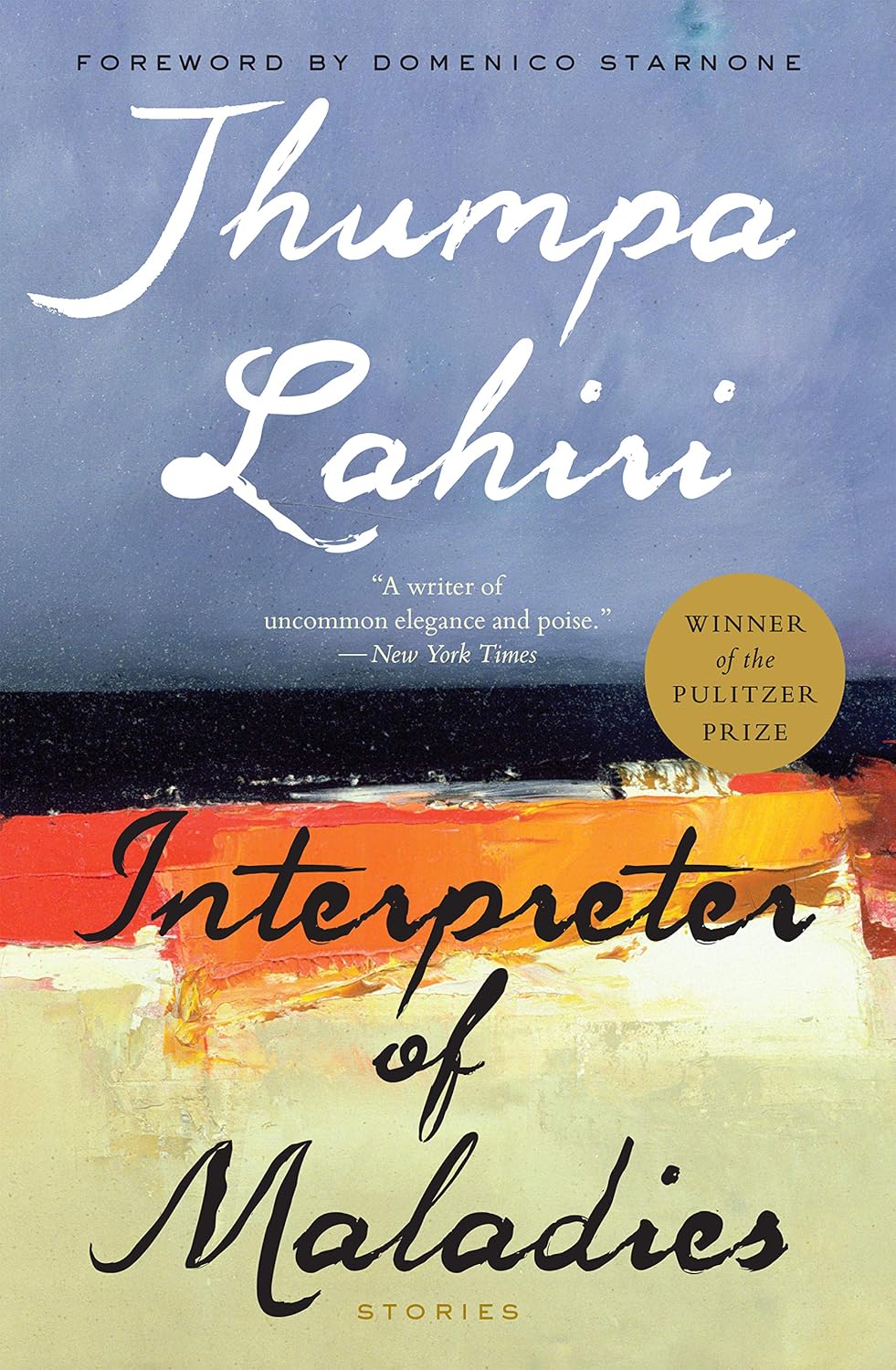
Interpreter of Maladies
Interpreter of Maladies is a collection of nine short stories exploring the lives of Indian and Indian American characters navigating love, cultural displacement, family obligations, and loneliness. In the title story, an Indian tour guide who works as an interpreter for a doctor becomes the confidant of an American woman of Indian origin, whose personal revelations challenge his understanding of intimacy and connection. Other stories portray arranged marriages, strained relationships between parents and children, and the emotional difficulties of living between cultures. Lahiri pays close attention to ordinary moments when misunderstandings, unspoken desires, and private disappointments reveal deeper struggles. Her characters often appear caught between the expectations of their heritage and the realities of their present lives. The collection explores belonging, communication, and the quiet emotional distances that can separate people who seem intimately connected.
India
2019
5
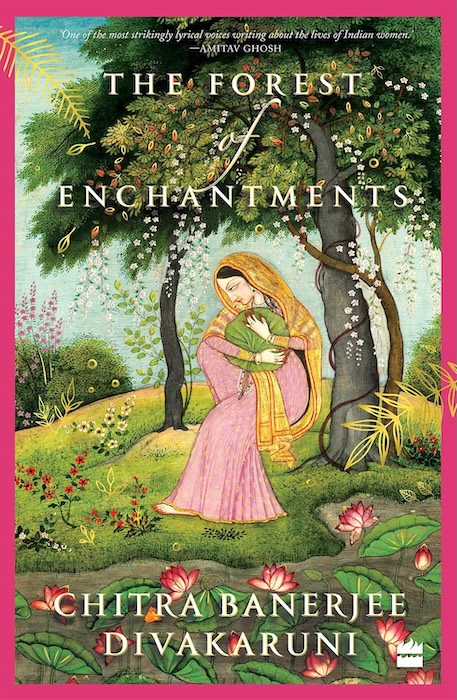
Forest of Enchantments
The Forest of Enchantments reimagines the ancient Indian epic Ramayana through the perspective of Sita, the heroine whose experiences have often been overshadowed by those of the male characters. From her early life and marriage to Prince Rama to their exile in the forest, Sita’s story unfolds as a journey marked by love, sacrifice, and difficult choices. After she is abducted by the demon king Ravana and eventually reunited with Rama, she faces further trials that challenge her dignity and independence. Divakaruni also brings attention to other women in the epic, including Kaikeyi, Surpanakha, and Mandodari, exploring the complicated motivations behind their actions. By giving these women their own voices, the novel questions traditional ideas about duty, honour, and obedience. It offers a feminist interpretation of a foundational Indian epic, examining women’s autonomy and their struggle to define themselves within a world governed by patriarchal expectations.
India
2019
6
The Beekeeper of Aleppo
The Beekeeper of Aleppo follows Nuri, a beekeeper, and his wife, Afra, an artist, as their peaceful life in Syria is destroyed by war. After suffering devastating personal losses, the couple are forced to leave their home and embark on a dangerous journey towards Britain in search of safety. Afra has lost her sight following a traumatic experience, while Nuri struggles with his own grief and the responsibility of protecting them both. As they travel through unfamiliar countries and refugee camps, their physical journey becomes intertwined with the emotional struggle to recover from trauma. Through their experiences, Lefteri explores displacement, loss, resilience, and the psychological consequences of conflict. The novel offers an intimate portrait of refugees whose lives have been transformed by circumstances beyond their control.
Syria
2019
7
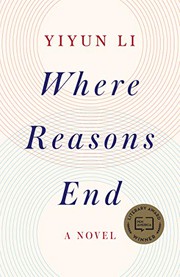
Where Reasons End
Where Reasons End is an intimate, deeply moving novel about a mother’s grief following the death of her teenage son, Nikolai. Unable to accept his absence, the narrator imagines a series of conversations with him in a world suspended between life and death. Through their exchanges, mother and son revisit memories, question language, discuss literature, and reflect on the complexities of their relationship.
Rather than offering simple explanations for an unbearable loss, Yiyun Li explores the limits of understanding and the ways words can both connect people and fail to express what matters most. Their conversations move between tenderness, humour, frustration, and sorrow, revealing the ordinary details that make a relationship unique.
Written in the aftermath of the author’s own loss, the novel blurs the boundaries between fiction and personal experience. It is a profound meditation on motherhood, grief, memory, and the enduring bond between a parent and a child.
China
2019
8
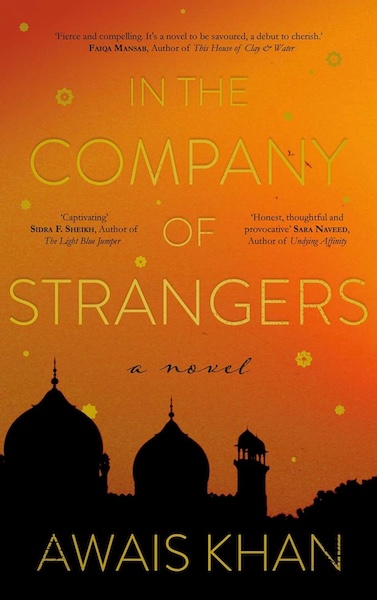
In the Company of Strangers
In the Company of Strangers follows Mona, a forty-one-year-old woman living in Lahore’s wealthy social circles. Despite her financial comfort and privileged lifestyle, she feels trapped in a loveless marriage to a cruel businessman and longs for genuine affection and independence. Seeking an escape from her emotional isolation, she reconnects with an old friend, Meera, who introduces her to a world of glamorous parties, secret affairs, and drugs. There, Mona meets Ali, a younger man whose troubled past and difficult circumstances conceal a deep emotional vulnerability.
As Mona and Ali fall into a forbidden relationship, their attempts to find happiness threaten to unravel their carefully maintained public lives. Against the backdrop of contemporary Pakistan, Awais Khan explores the contradictions of a society where wealth and status coexist with rigid social expectations and hidden suffering. The novel examines class inequality, gender roles, loneliness, and the price of personal freedom, revealing how the desire to escape one form of confinement can lead to unexpected and devastating consequences.
Pakistan
2019
9
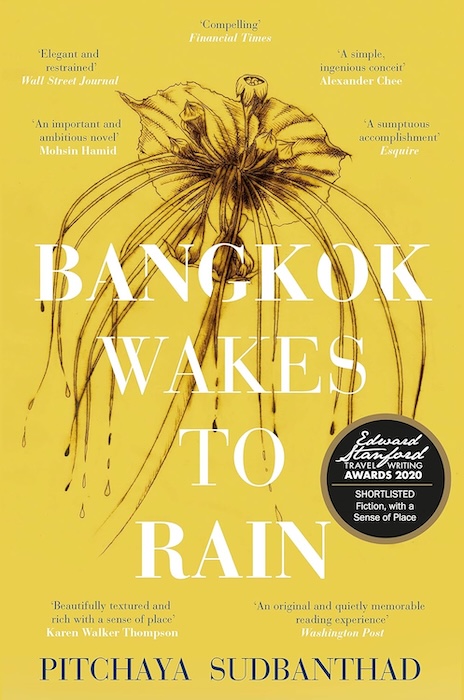
Bangkok Wakes to Rain
Bangkok Wakes to Rain weaves together the lives of people connected to a single house in Bangkok across different periods of Thai history. From a nineteenth-century missionary confronting unfamiliar beliefs to a contemporary musician navigating relationships and personal uncertainty, the novel explores how individual lives are shaped by a city constantly transformed by time, migration, and environmental change. As Bangkok expands and modernizes, recurring floods and rising waters reflect the city’s vulnerability to climate change and its complicated relationship with the natural world. Through interconnected stories that move between past, present, and imagined futures, Pitchaya Sudbanthad examines memory, colonial influence, cultural identity, and the impermanence of human existence. The novel presents Bangkok as a living, evolving character, revealing how personal histories and collective memories remain intertwined with the places people call home.
Thailand
2019
10
Heads of the Colored People
In Heads of the Colored People, Nafissa Thompson-Spires explores race, identity, and belonging in contemporary Black America. Through interconnected stories, she examines the complexities of social expectations, cultural stereotypes, and the pressures of navigating identity in a society shaped by racial inequality.
United States
2019
11
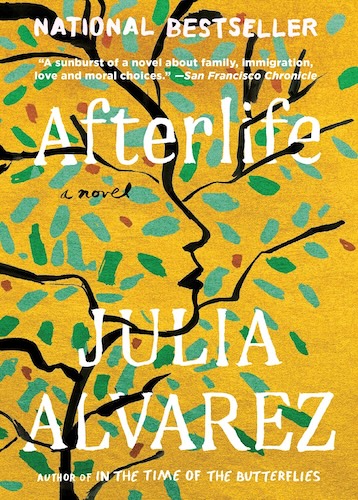
Afterlive
What do we owe the people who need us when we are barely holding ourselves together? Antonia Vega, a recently retired literature professor, is still reeling from the sudden death of her beloved husband when her life begins to unravel further: her unpredictable sister disappears, and a pregnant, undocumented teenager turns up seeking shelter. Accustomed to finding answers in books, Antonia discovers that grief and compassion demand more than words. Set in rural Vermont, this intimate, quietly powerful novel explores sisterhood, immigration, moral responsibility, and the courage it takes to begin again. As Antonia navigates a world fractured by fear and distrust, she must decide how to honour her own needs without turning away from the suffering of others.
Dominican Republic
2020
12

The Beauty of Your Face
On an ordinary morning in suburban Chicago, a masked gunman storms an Islamic school, forcing principal Afaf Rahman to confront the memories she has spent a lifetime trying to escape. As she guides her students toward safety, her thoughts return to her childhood as the daughter of Palestinian immigrants, her family’s struggles with faith and belonging, and the devastating events that shaped her life. From her father’s growing disillusionment with America to her sister’s rebellion and her own complicated relationship with Islam, Afaf’s story unfolds across decades of love, loss, and searching. Against a backdrop of rising Islamophobia and cultural alienation, The Beauty of Your Face explores what it means to hold on to faith when the world seems determined to turn you into an outsider. Intimate and deeply moving, it is a novel about sisterhood, resilience, and the possibility of finding beauty and belonging in the most unexpected places.
United States
2020