Fiction
All countries
Afghanistan
Albania
Antigua and Barbuda
Argentina
Armenia
Australia
Austria
Azerbaijan
Bahamas
Bahrain
Bangladesh
Barbados
Belarus
Belgium
Belize
Bhutan
Bosnia and Herzegovina
Brazil
Brunei
Bulgaria
Cabo Verde
Canada
Central African Republic
Chile
China
Congo, Democratic Republic
Croatia
Cuba
Czech Republic
Denmark
Djibouti
Dominica
Dominican Republic
Ecuador
Egypt
Fiji
Finland
France
Georgia
Germany
Greece
Hungary
Iceland
India
Indonesia
Iran
Iraq
Ireland
Italy
Jamaica
Japan
Jordan
Kazakhstan
Kenya
Kuwait
Kyrgyzstan
Lebanon
Libya
Malaysia
Mexico
Morocco
Netherlands
New Zealand
Nigeria
Norway
Oman
Pakistan
Palestine
Panama
Peru
Philippines
Poland
Portugal
Romania
Russia
Saudi Arabia
Senegal
Singapore
Slovenia
Somalia
South Korea
Spain
Sri Lanka
Sudan
Sweden
Switzerland
Syria
Taiwan
Tanzania
Thailand
Türkiye
Turkmenistan
Ukraine
United Arab Emirates
United Kingdom
United States
Uzbekistan
Yemen
Zambia
1
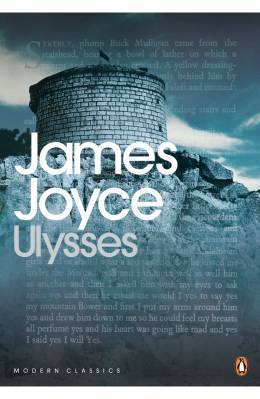
Ulysses
Ulysses follows a single day in the lives of Leopold Bloom, an advertising canvasser, and Stephen Dedalus, a young writer, as they move through Dublin on 16 June 1904. Their ordinary activities—walking through the city, eating, working, attending a funeral, and visiting a maternity hospital—become the basis for an extraordinary exploration of consciousness and urban life. Bloom’s wanderings are interwoven with Stephen’s intellectual struggles and the experiences of Molly Bloom, whose final extended monologue offers an intimate portrait of memory, desire, and marriage. Joyce draws parallels between the characters’ experiences and episodes from Homer’s Odyssey, transforming an ancient epic into a modern story about everyday existence. Through experimental language, shifting narrative styles, and detailed observations, the novel explores identity, belonging, sexuality, and the complexity of human thought.
Ireland
2008
2
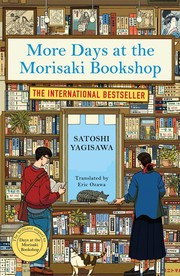
More Days at the Morisaki Bookshop
More Days at the Morisaki Bookshop continues the story of Takako, a young woman who found comfort and a new direction in life while living above her uncle’s second-hand bookshop in Tokyo. Having gradually rebuilt her confidence after a painful romantic disappointment, Takako becomes more involved in the lives of her uncle Satoru and aunt Momoko. When Momoko returns after a long absence, old emotions and unanswered questions emerge, prompting the family to reconsider the choices that have kept them apart. Takako also begins exploring new relationships and possibilities beyond the bookshop, discovering that healing does not mean leaving the past behind completely. Set in Tokyo’s book-loving Jinbōchō district, the novel celebrates literature, ordinary routines, and the quiet comfort of human connection. Yagisawa explores family bonds, emotional recovery, and the ways people create a sense of belonging through shared spaces and everyday acts of kindness.
Japan
2008
3
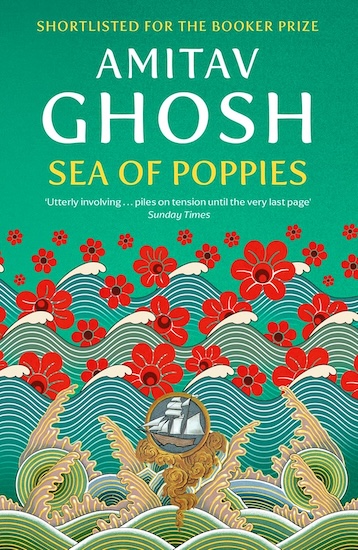
Sea of Poppies
Set in 1838, shortly before the First Opium War, Sea of Poppies follows a diverse group of characters whose lives converge aboard the Ibis, a former slave ship sailing from India to Mauritius. Among them are Deeti, a village woman escaping an oppressive marriage; Kalua, a low-caste ox-cart driver; Neel Rattan Halder, a wealthy landowner facing ruin; and Zachary Reid, an American sailor navigating questions of race and identity. As they journey across the Indian Ocean, these individuals find themselves bound together by circumstances shaped by colonialism, the opium trade, caste discrimination, and economic exploitation. Through their intertwined stories, Amitav Ghosh brings to life a turbulent period in Indian history, revealing how imperial ambitions transform ordinary lives. Blending historical detail, adventure, and rich linguistic diversity, the novel explores displacement, social inequality, and the universal desire for freedom and belonging.
India
2008
4
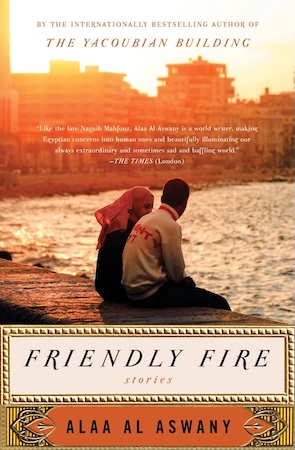
Friendly Fire
An Israeli family gathers for the holidays, but beneath the familiar rituals lie old resentments, unspoken fears, and questions about the meaning of home. Amotz Yaari, a successful engineer, and his wife, Daniela, find their carefully ordered lives disrupted by a family crisis that sends Daniela travelling to Africa to visit her widowed brother-in-law. Meanwhile, their son is serving in the Israeli army, and the family struggles to reconcile its private concerns with the realities of military service and political conflict. Moving between domestic life and distant landscapes, Friendly Fire examines the fragile bonds that hold families together and the ways war infiltrates even the most intimate relationships.
Egypt
2009
5
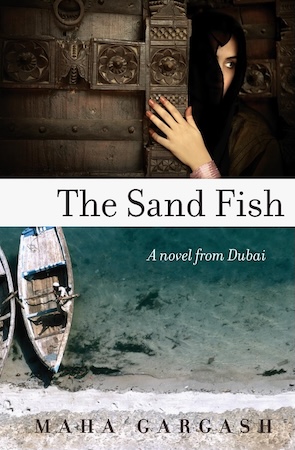
The Sand Fish
In 1950s Dubai, seventeen-year-old Noora dreams of a life beyond the traditions that dictate her future. After her mother’s death and her father’s descent into madness, her brother arranges her marriage to a wealthy pearl merchant many years her senior. Trapped in an unfamiliar household alongside his two other wives, Noora struggles to find her place in a world where her choices are limited and her future depends on producing an heir. But an unexpected passion offers her a glimpse of another life—and leaves her with a dangerous secret that could cost her everything. Inspired by the image of a sand fish, a desert creature that injures itself desperately trying to escape its surroundings, Noora’s story is a poignant portrait of a woman caught between duty and desire. Against the backdrop of a society on the brink of transformation, The Sand Fish explores female independence, forbidden love, and the courage to seek freedom when every path seems closed.
United Arab Emirates
2009
6
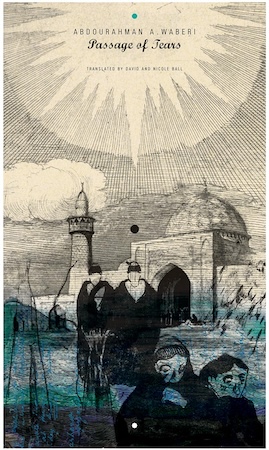
Passage of Tears
Set in Djibouti in the years following the September 11 attacks, Passage of Tears follows Djibril, a Djiboutian man who has spent years in voluntary exile in Montreal. When he returns to his homeland on assignment for an American economic intelligence company, he finds a country transformed into a strategic battleground where foreign powers, economic interests, and competing political and religious ideologies collide.
As Djibril investigates the country’s security and political situation, his return awakens painful memories of childhood, family, and his estranged twin brother, Djamal, a religious extremist imprisoned on an island near the coast. Meanwhile, mysterious letters from a prisoner introduce another narrative, one that unexpectedly turns towards the life and ideas of German philosopher Walter Benjamin.
Blending political thriller, philosophical reflection, family drama, and social satire, Waberi examines the consequences of globalisation, religious extremism, and foreign intervention in the Horn of Africa. The strategically important Bab-el-Mandeb Strait—the maritime passage connecting the Red Sea with the Gulf of Aden—becomes a powerful symbol of the tensions between local histories and global ambitions. Ultimately, the novel explores exile, fractured identities, and the difficult relationship between a person and the homeland they have left behind.
Djibouti
2009
7
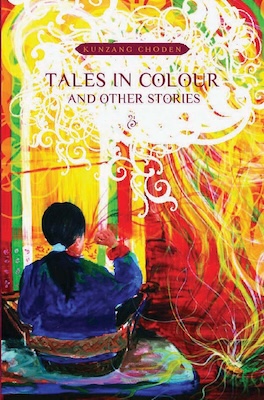
Tales in Colour and Other Stories
Tales in Colour and Other Stories is a collection of short stories exploring the lives, aspirations, and struggles of women in contemporary Bhutan. Set primarily in rural communities, the stories portray women navigating marriage, motherhood, family obligations, social expectations, and the gradual transformation of traditional ways of life.
With wit, subtle irony, and compassion, Kunzang Choden examines the tensions between tradition and modernity as urbanisation introduces new possibilities and changes how people understand themselves and their communities. In one story, a young woman discovers the confidence to make decisions independently of her mother; in another, a rural woman is drawn towards the glamour and opportunities associated with city life.
The collection gives voice to women whose experiences are often overlooked, revealing the complexity beneath seemingly ordinary lives. Through intimate portraits of everyday relationships and personal choices, Choden offers a nuanced perspective on Bhutanese society, particularly the changing roles and expectations of women.
Bhutan
2009
8
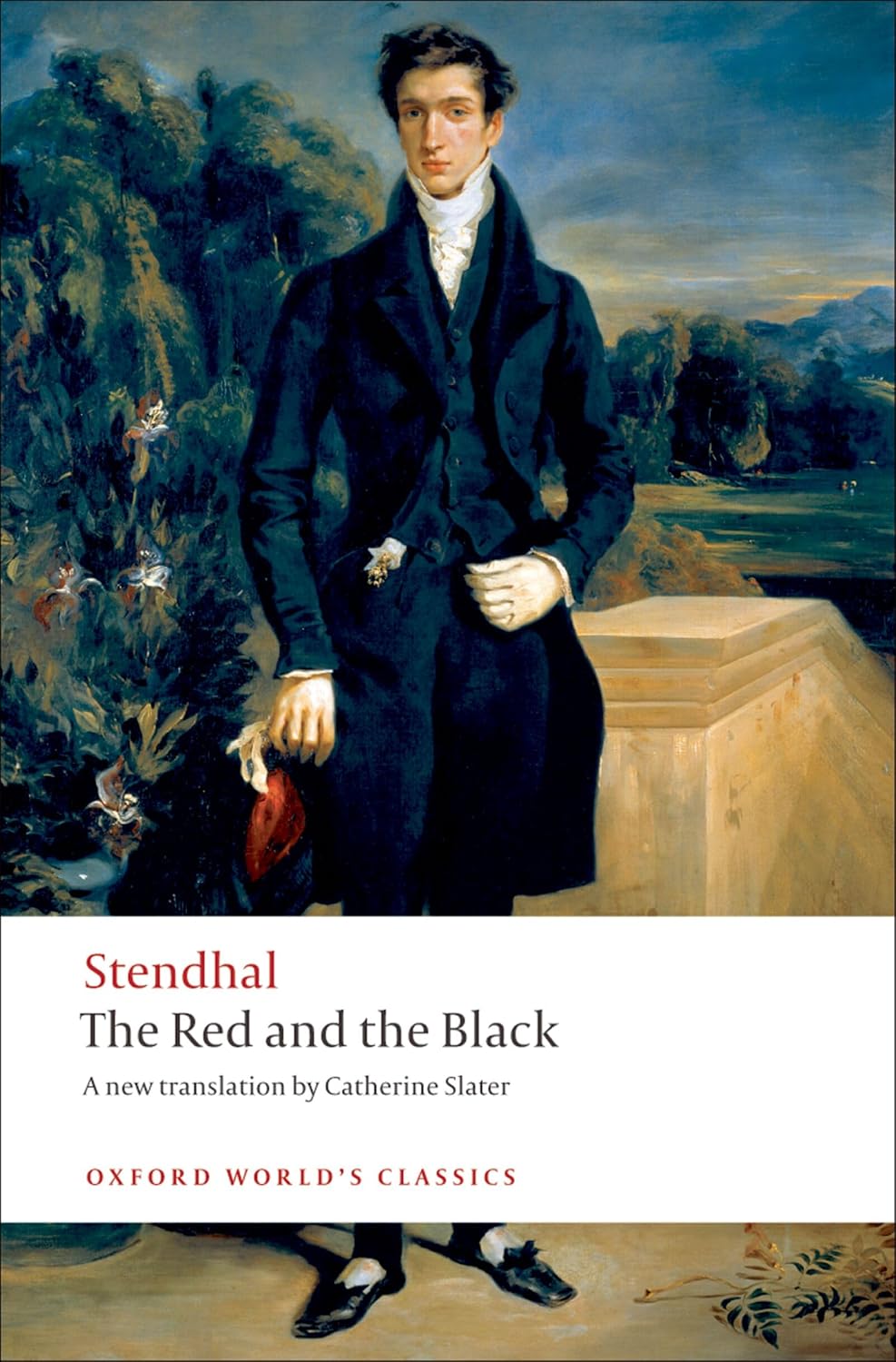
The Red and the Black
The Red and the Black follows Julien Sorel, an ambitious young man from a poor provincial family who dreams of rising through French society. Intelligent and determined, Julien sees the Church and the military as possible routes to power, studying religious doctrine while secretly admiring the military glory associated with Napoleon. His relationships with Madame de Rênal, the wife of his employer, and Mathilde de La Mole, the daughter of an aristocrat, become entangled with his social ambitions. As Julien moves between different social environments, he struggles to reconcile genuine feelings with his desire for status and recognition. Stendhal uses his story to examine class divisions, hypocrisy, and the limitations imposed by nineteenth-century French society. The novel portrays a talented individual attempting to overcome the circumstances of his birth, revealing how ambition can both challenge and reproduce the inequalities of the world he hopes to conquer.
France
2009
9
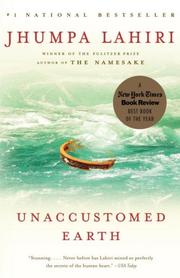
Unaccustomed Earth
Unaccustomed Earth is a collection of eight stories examining the experiences of Bengali families living in the United States and the complex relationships between generations. The first section focuses on individuals negotiating marriage, parenthood, grief, and cultural expectations as they attempt to build lives far from their ancestral homeland. The final three stories follow Hema and Kaushik, two Bengali Americans whose lives intersect during childhood and again in adulthood, revealing how family decisions and personal losses shape their futures. Lahiri explores the tensions between parental expectations and individual freedom, particularly as younger generations grow up with different ideas about identity, love, and belonging. Through subtle portrayals of everyday life, the collection reveals how family bonds can offer both security and constraint, and how people carry the influence of their upbringing long after they believe they have moved beyond it.
India
2009
10
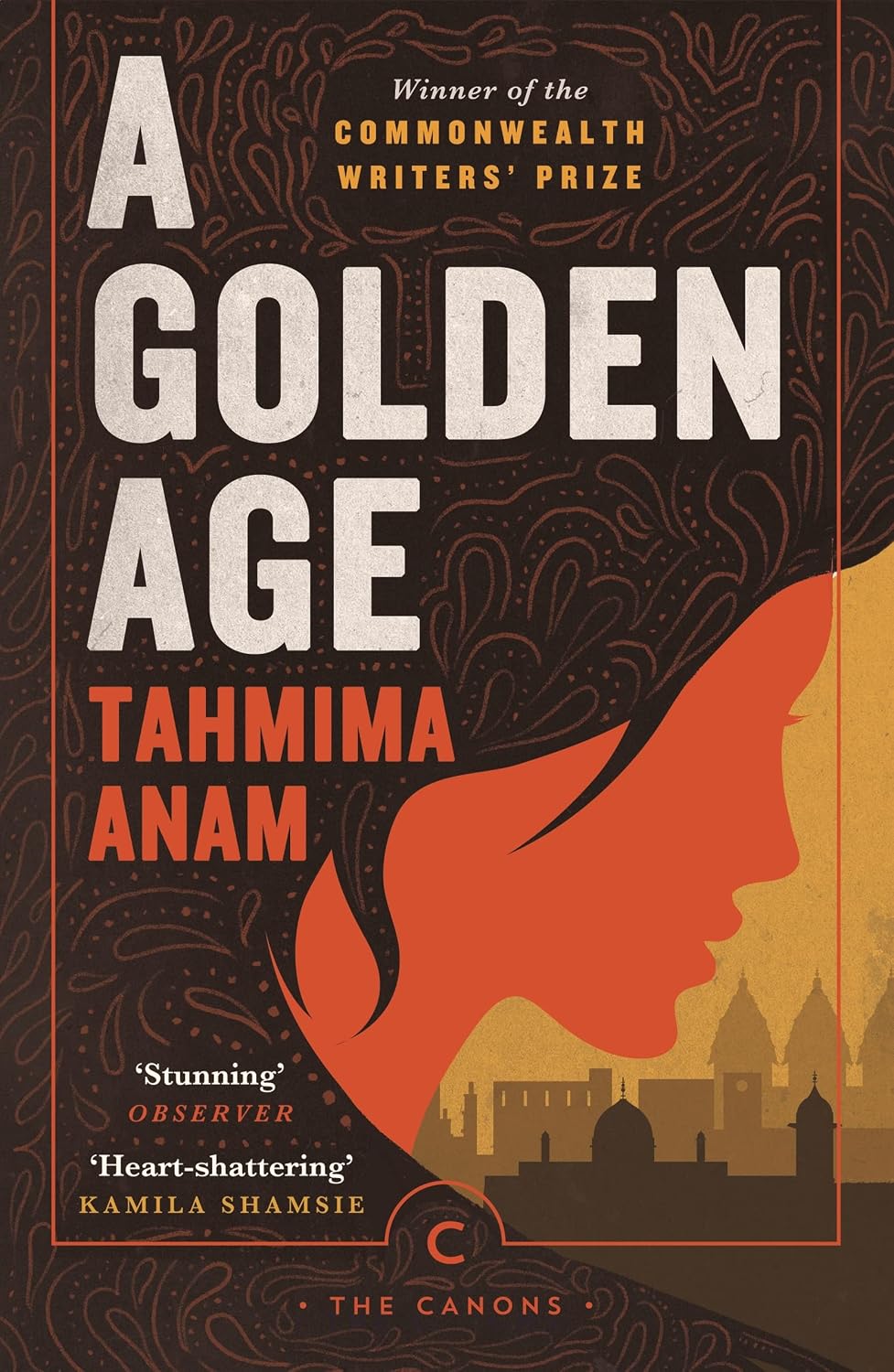
A Golden Age
Set during the Bangladesh Liberation War of 1971, A Golden Age follows Rehana Haque, a widowed mother living in Dhaka whose greatest priority is protecting her children. When her son and daughter become involved in the struggle for independence from Pakistan, Rehana finds herself drawn into a conflict that challenges her understanding of motherhood, loyalty, and sacrifice. Initially determined to keep her family safe, she gradually becomes involved in the resistance movement, using her home and personal resources to help those fighting for freedom. As violence escalates and ordinary life becomes increasingly dangerous, Rehana must confront the possibility that protecting her children may require supporting decisions she cannot fully control. Anam explores the intersection of private family life and national history, portraying how war transforms ordinary people and forces them to reconsider what they are willing to sacrifice for those they love.
Bangladesh
2009
11
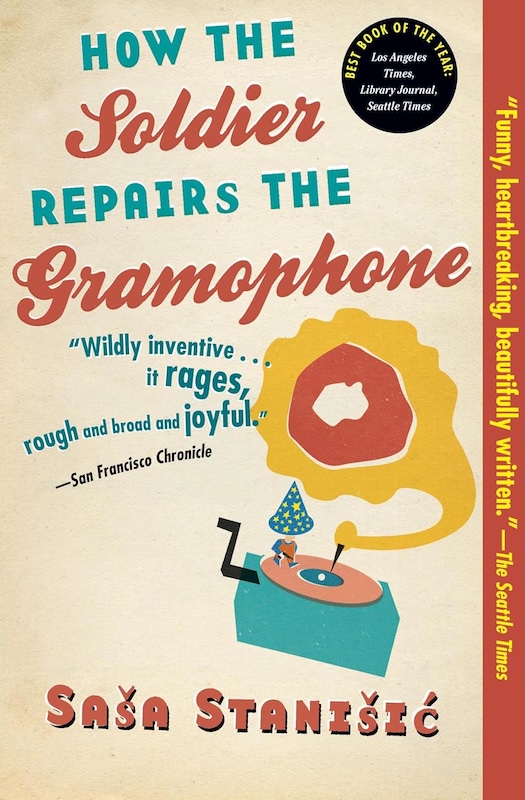
How The Soldier Repairs The Gramophone
Set during the Bosnian War and its aftermath, How the Soldier Repairs the Gramophone follows Aleksandar Krsmanović, a young boy growing up in the small Bosnian town of Višegrad. When war destroys the familiar world of his childhood, Aleksandar is forced to leave his home and seek refuge in Germany. Through his vivid imagination, memories, and storytelling, he attempts to make sense of violence, displacement, and the loss of people and places he once knew.
Blending humour, fantasy, and painful recollection, the novel captures the way a child experiences war without fully understanding its political and historical complexities. As Aleksandar grows older, storytelling becomes a way to preserve his past and reconnect with a homeland that has been irrevocably changed. Saša Stanišić’s novel explores memory, exile, identity, and the fragile boundary between lived experience and imagination.
Bosnia and Herzegovina
2009
12
Three Strong Women
The story of three women who say no: Norah, a French-born lawyer who finds herself in Senegal, summoned by her estranged father to save another victim of his paternity; Fanta, who leaves a contented life as a teacher in Dakar to follow her boyfriend back to France, where his depression and dislocation poison everything; and Khady, a penniless widow put out by her husband's family with nothing but the name of a distant cousin in France. As these three lives intertwine, each woman manages an astonishing feat of self-preservation against those who have made themselves the fastest-growing and most-reviled people in Europe. In Marie NDiaye's stunning narration we see the progress by which ordinary women discover unimagined reserves of strength.
France
2009