Fiction
All countries
Afghanistan
Albania
Antigua and Barbuda
Argentina
Armenia
Australia
Austria
Azerbaijan
Bahamas
Bahrain
Bangladesh
Barbados
Belarus
Belgium
Belize
Bhutan
Bosnia and Herzegovina
Brazil
Brunei
Bulgaria
Cabo Verde
Canada
Central African Republic
Chile
China
Congo, Democratic Republic
Croatia
Cuba
Czech Republic
Denmark
Djibouti
Dominica
Dominican Republic
Ecuador
Egypt
Fiji
Finland
France
Georgia
Germany
Greece
Hungary
Iceland
India
Indonesia
Iran
Iraq
Ireland
Italy
Jamaica
Japan
Jordan
Kazakhstan
Kenya
Kuwait
Kyrgyzstan
Lebanon
Libya
Malaysia
Mexico
Morocco
Netherlands
New Zealand
Nigeria
Norway
Oman
Pakistan
Palestine
Panama
Peru
Philippines
Poland
Portugal
Romania
Russia
Saudi Arabia
Senegal
Singapore
Slovenia
Somalia
South Korea
Spain
Sri Lanka
Sudan
Sweden
Switzerland
Syria
Taiwan
Tanzania
Thailand
Türkiye
Turkmenistan
Ukraine
United Arab Emirates
United Kingdom
United States
Uzbekistan
Yemen
Zambia
1
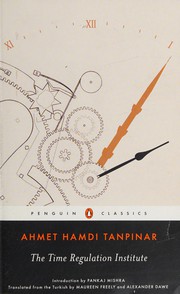
The Time Regulation Institute
The Time Regulation Institute is a satirical novel about a fictional institution established to ensure that everyone in Turkey follows the correct time. Its narrator, Hayri İrdal, recounts his life and the circumstances that lead him to become involved with the institute under the leadership of the charismatic Halit Ayarcı. As the organisation grows, its elaborate procedures and absurd regulations expose the contradictions of a society attempting to modernise rapidly while remaining attached to older traditions. Through bureaucratic absurdities and eccentric characters, Tanpınar explores the tension between Westernisation and cultural heritage in twentieth-century Turkey. The novel questions whether progress can be achieved through administrative reforms alone and whether institutions sometimes create problems merely to justify their own existence. Blending humour with philosophical reflection, it offers a critique of social conformity, bureaucracy, and the human tendency to confuse outward appearances with meaningful change.
Türkiye
1954
2
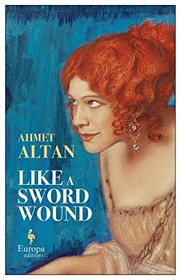
Like a Sword Wound
Like a Sword Wound opens Ahmet Altan’s Ottoman Quartet, a historical series exploring the final decades of the Ottoman Empire and the emergence of modern Turkey. Set against political upheaval and the decline of imperial authority, the novel follows a cast of characters whose personal desires conflict with the traditions and expectations of their society. Among them are an Ottoman army officer, members of the royal household, and a Turkish aristocrat whose attraction to a conservative religious leader challenges her independent life in Paris. Their relationships unfold amid betrayal, shifting loyalties, and the growing influence of Western ideas. Altan combines historical drama with intimate explorations of love, sexuality, and power, revealing how political transformation changes both public institutions and private relationships. The novel examines the tension between modernity and tradition in a society struggling to determine its future.
Türkiye
1998
3
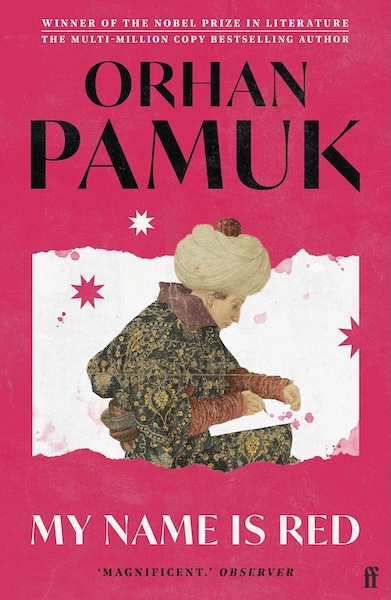
My Name Is Red
Set in sixteenth-century Istanbul during the Ottoman Empire, My Name Is Red follows a group of miniature painters commissioned to create an illustrated book for the sultan. Their work becomes controversial because it incorporates European artistic techniques that challenge traditional Islamic approaches to representation. When one of the artists is murdered, the investigation exposes rivalries, jealousy, and competing ideas about art, religion, and cultural identity. The story unfolds through multiple narrators, including artists, objects, and even a corpse, creating a complex picture of a society caught between established traditions and new influences. Pamuk explores the relationship between artistic expression and political authority, asking whether adopting foreign ideas represents progress or the loss of cultural heritage. The novel combines a murder mystery with a philosophical examination of how people understand themselves through art and tradition.
Türkiye
2002
4
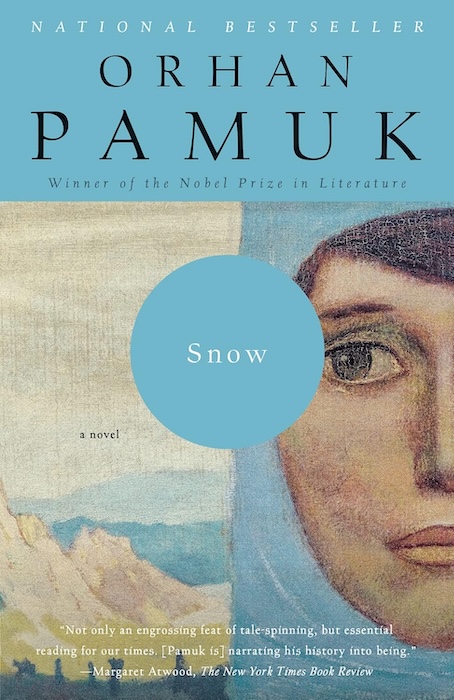
Snow
Snow follows Ka, a Turkish poet returning from political exile in Germany to the remote city of Kars. Officially, he is investigating a series of young women’s suicides, but he is also drawn into the city’s complicated political and religious tensions. As a severe snowstorm isolates Kars from the outside world, Ka becomes entangled with secular intellectuals, Islamists, Kurdish activists, and military authorities. His renewed feelings for İpek, a woman he once knew, offer the possibility of personal happiness amid the surrounding instability. However, a theatrical performance and a military coup intensify the conflict between competing ideological groups. Pamuk examines secularism, religious belief, censorship, and the difficulties of individual freedom in a deeply divided society. Through Ka’s experiences, the novel explores how political convictions shape private lives and how difficult it can be to remain independent when every side demands allegiance.
Türkiye
2005
5
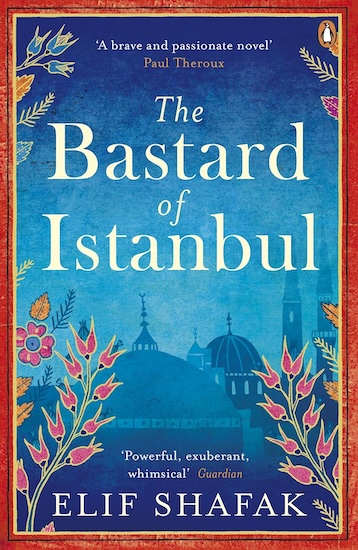
The Bastard of Istanbul
The Bastard of Istanbul centres on two young women whose lives connect through a complicated family history shaped by Turkish and Armenian experiences. Asya Kazancı grows up in Istanbul in a household dominated by women, surrounded by family secrets and conflicting interpretations of the past. Meanwhile, Armanoush, an Armenian American teenager, travels secretly to Istanbul in search of her cultural roots and a better understanding of her family’s history. When the two meet, their friendship brings buried memories and long-suppressed truths to the surface, particularly those connected to the Armenian genocide and its legacy. Through humour, food, family relationships, and competing memories, Shafak examines the relationship between personal identity and collective history. The novel explores how silence and denial can shape generations, while asking whether individuals can build meaningful connections across cultural and historical divisions.
Türkiye
2006
6
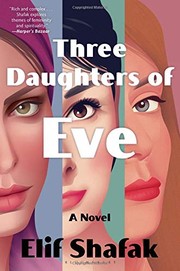
Three Daughters of Eve
Three Daughters of Eve follows Peri, a wealthy Turkish woman whose apparently comfortable life in Istanbul conceals unresolved questions about faith, identity, and personal responsibility. During a dinner party years after her university studies at Oxford, a photograph unexpectedly brings back memories of her time there in the 1990s. As a student, Peri became involved with a charismatic professor who encouraged his pupils to debate religion and belief. Her friendships with two fellow students—one deeply religious and the other firmly atheist—exposed her to conflicting ideas about spirituality, feminism, and freedom. Their relationships eventually culminated in an incident that Peri has struggled to understand ever since. Shafak explores the tension between faith and doubt, the influence of family and culture, and the difficulty of forming an independent worldview in a politically divided society.
Türkiye
2019
7
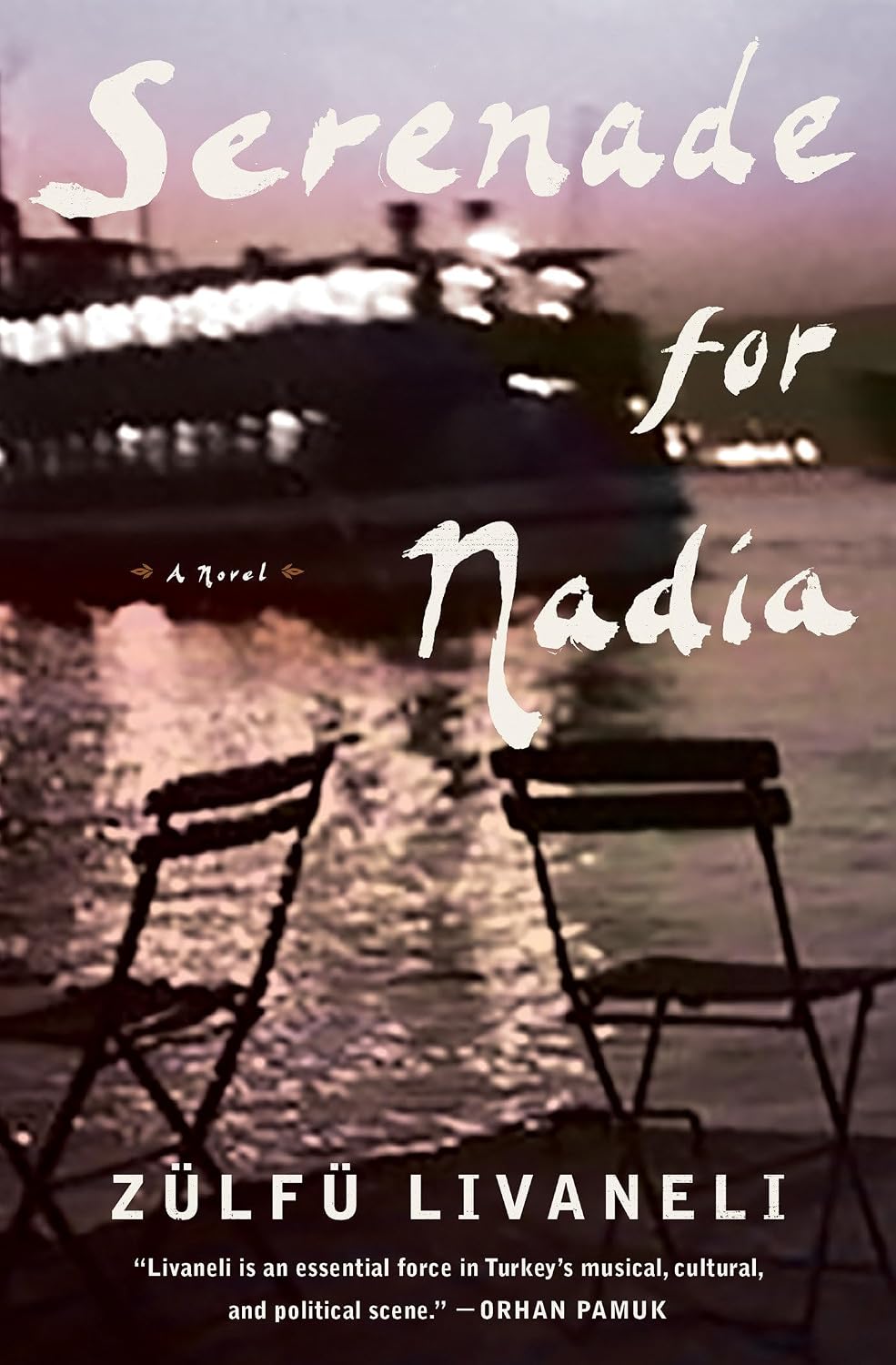
Serenade for Nadia
Serenade for Nadia follows Maya Duran, a single mother working at Istanbul University who is asked to assist an elderly German-born professor, Maximilian Wagner, during his visit to Turkey. Initially puzzled by his unusual behaviour, Maya gradually discovers that his connection to Istanbul reaches back to the Second World War. Through his memories, she learns about a forbidden love story and the fate of Jewish refugees fleeing Nazi persecution aboard the ship Struma, which sank in 1942. As the past emerges, Maya confronts painful aspects of Turkish history and the human consequences of political decisions. Livaneli weaves together romance, historical tragedy, and contemporary social tensions, exploring how love can endure across decades while examining the responsibilities of remembering those whose lives were lost through war, prejudice, and indifference.
Türkiye
2020
8
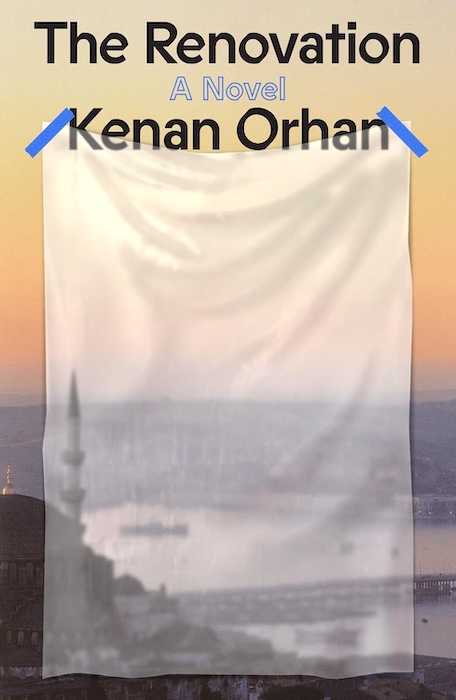
The Renovation
Dilara, a Turkish exile living in a small Italian town, is struggling to care for her father, whose memories are gradually disappearing as dementia takes hold. Preparing to welcome him into her home, she commissions a renovation to make the apartment more comfortable. But when the builders finish, she discovers that her new bathroom has been transformed into a Turkish prison cell, complete with guards and prisoners.
What initially seems like an absurd mistake soon becomes a mysterious connection to the homeland Dilara left behind. Through the cell, she encounters echoes of Istanbul, her family’s painful past, and the political violence that forced them into exile. As her domestic life begins to unravel, the prison becomes an unexpected gateway to memories she can neither fully recover nor escape.
Blending surrealism, dark humour, and political allegory, The Renovation explores exile, belonging, family, and the ways political oppression and personal grief can imprison us long after we have crossed borders.
Türkiye
2026