Fiction
All countries
Afghanistan
Albania
Antigua and Barbuda
Argentina
Armenia
Australia
Austria
Azerbaijan
Bahamas
Bahrain
Bangladesh
Barbados
Belarus
Belgium
Belize
Bhutan
Bosnia and Herzegovina
Brazil
Brunei
Bulgaria
Cabo Verde
Canada
Central African Republic
Chile
China
Congo, Democratic Republic
Croatia
Cuba
Czech Republic
Denmark
Djibouti
Dominica
Dominican Republic
Ecuador
Egypt
Fiji
Finland
France
Georgia
Germany
Greece
Hungary
Iceland
India
Indonesia
Iran
Iraq
Ireland
Italy
Jamaica
Japan
Jordan
Kazakhstan
Kenya
Kuwait
Kyrgyzstan
Lebanon
Libya
Malaysia
Mexico
Morocco
Netherlands
New Zealand
Nigeria
Norway
Oman
Pakistan
Palestine
Panama
Peru
Philippines
Poland
Portugal
Romania
Russia
Saudi Arabia
Senegal
Singapore
Slovenia
Somalia
South Korea
Spain
Sri Lanka
Sudan
Sweden
Switzerland
Syria
Taiwan
Tanzania
Thailand
Türkiye
Turkmenistan
Ukraine
United Arab Emirates
United Kingdom
United States
Uzbekistan
Yemen
Zambia
1
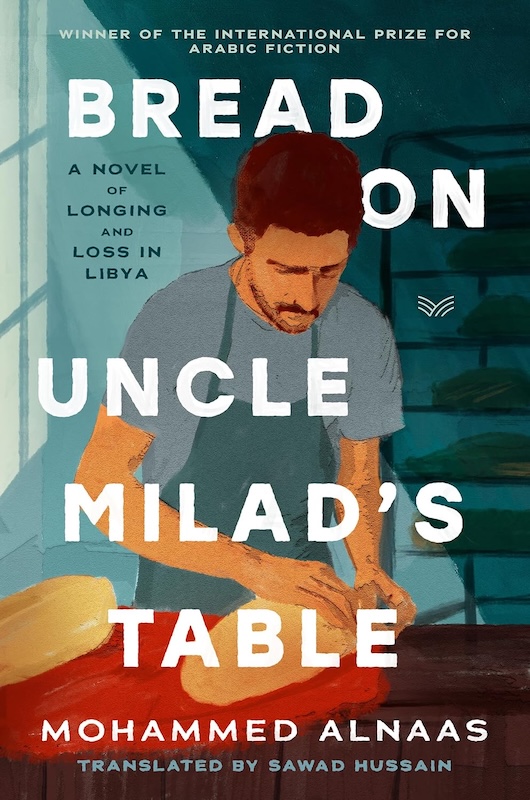
Bread on Uncle Milad's Table
Bread on Uncle Milad’s Table follows Milad al-Usta, a sensitive young man growing up in a Libyan village where masculinity is defined by rigid social expectations. Raised in a family of bakers, Milad learns to love the craft of making bread, but his father continually reminds him that he must become a man according to society’s standards. Despite his efforts to conform, Milad struggles to embody the toughness and authority expected of him.
After marrying his childhood sweetheart, Zainab, Milad finally embraces a different way of living. He takes responsibility for the household and domestic chores while Zainab becomes the family’s breadwinner. Although the arrangement brings them happiness, their unconventional roles attract ridicule and disapproval from the community.
Set against the social and political realities of modern Libya, the novel explores masculinity, gender roles, love, and the pressure to conform. Through Milad’s story, Alnaas questions the social conventions that determine how men and women should live, celebrating the individual’s struggle to define a meaningful life on their own terms. The novel won the 2022 International Prize for Arabic Fiction.
Libya
2026
2
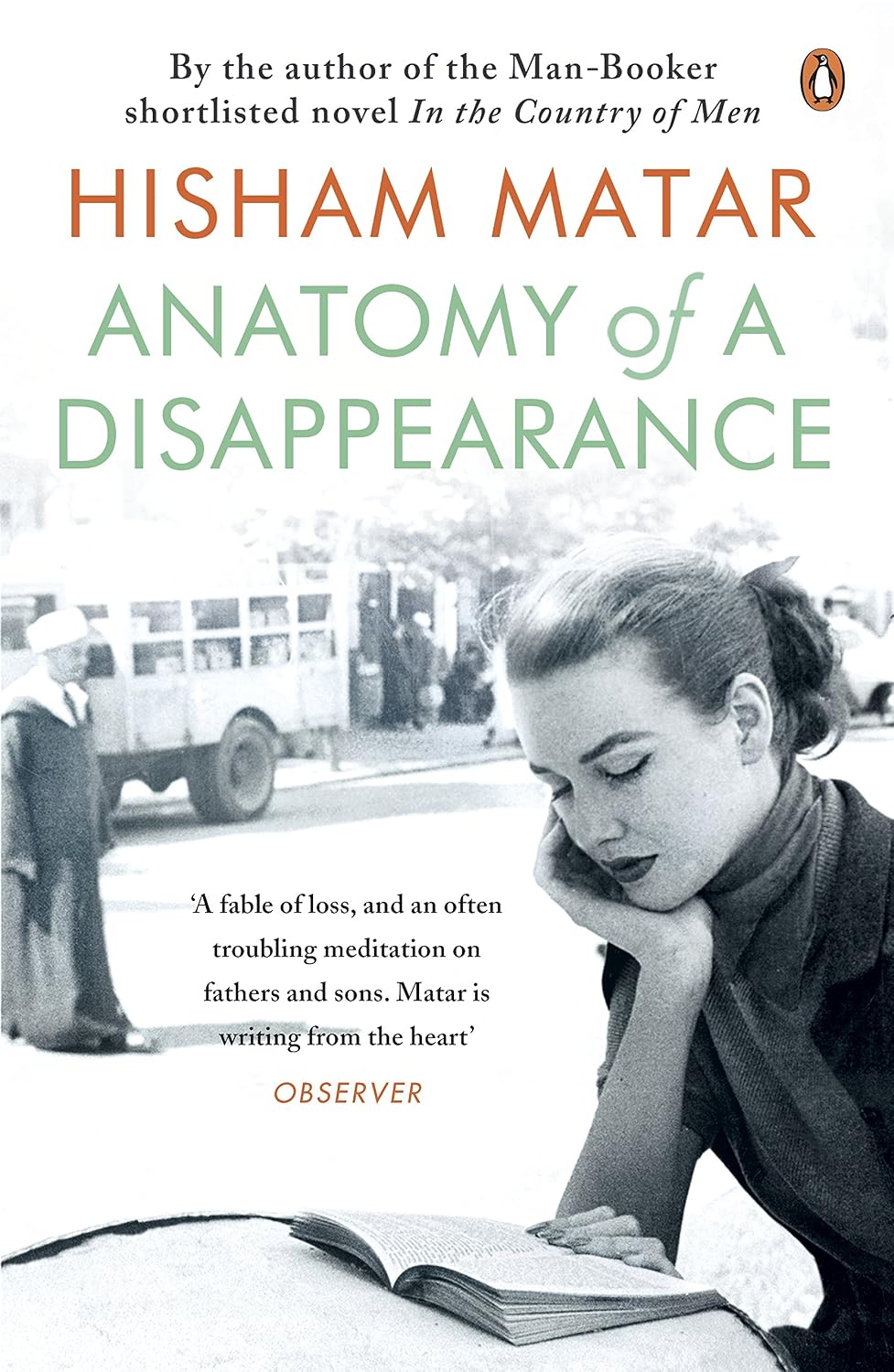
Anatomy of a Disappearance
Anatomy of a Disappearance follows Nuri el-Alfi, a young boy whose life is shaped by the mysterious disappearance of his father, Kamal, a wealthy Libyan exile and political dissident. After his mother’s death, Nuri becomes increasingly attached to Mona, his father’s second wife, whom he first encounters as a teenager while travelling with his father in England. When Kamal vanishes without explanation, Nuri is left struggling to understand the man he loved but never fully knew. As he grows older, he searches for clues about his father’s fate, confronting the silences, secrets, and uncertainties that surround his family’s past. Set against the backdrop of political repression and exile, the novel explores the fragile bonds between fathers and sons, the complexities of memory, and the ways absence can shape a person’s identity. Through restrained, lyrical prose, Hisham Matar examines how grief and longing transform our understanding of those we love, revealing how the search for a missing person can also become a search for oneself.
Libya
2011