Fiction
All countries
Afghanistan
Albania
Antigua and Barbuda
Argentina
Armenia
Australia
Austria
Azerbaijan
Bahamas
Bahrain
Bangladesh
Barbados
Belarus
Belgium
Belize
Bhutan
Bosnia and Herzegovina
Brazil
Brunei
Bulgaria
Cabo Verde
Canada
Central African Republic
Chile
China
Congo, Democratic Republic
Croatia
Cuba
Czech Republic
Denmark
Djibouti
Dominica
Dominican Republic
Ecuador
Egypt
Fiji
Finland
France
Georgia
Germany
Greece
Hungary
Iceland
India
Indonesia
Iran
Iraq
Ireland
Italy
Jamaica
Japan
Jordan
Kazakhstan
Kenya
Kuwait
Kyrgyzstan
Lebanon
Libya
Malaysia
Mexico
Morocco
Netherlands
New Zealand
Nigeria
Norway
Oman
Pakistan
Palestine
Panama
Peru
Philippines
Poland
Portugal
Romania
Russia
Saudi Arabia
Senegal
Singapore
Slovenia
Somalia
South Korea
Spain
Sri Lanka
Sudan
Sweden
Switzerland
Syria
Taiwan
Tanzania
Thailand
Türkiye
Turkmenistan
Ukraine
United Arab Emirates
United Kingdom
United States
Uzbekistan
Yemen
Zambia
1
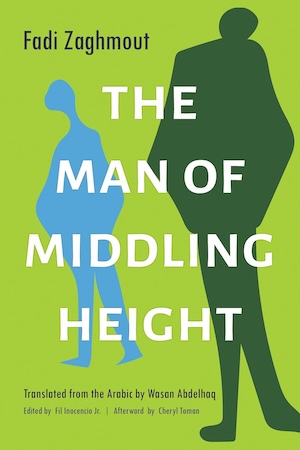
The Man of Middling Height
What if society’s deepest prejudices were based not on gender, but on height? In The Man of Middling Height, Jordanian author Fadi Zaghmout imagines an alternative world divided between two groups: tall people and short people. Height determines social status, personal freedom, romantic possibilities, and the roles individuals are expected to perform. Those who fall outside this rigid binary face exclusion and discrimination.
The story follows a short dressmaker whose life changes when she meets Tallan, a man of middling height who occupies an uncomfortable position in a society that recognizes only two categories. As their forbidden romance develops, they must confront the social rules that dictate whom they can love and how they are permitted to live. Other characters challenge these conventions in different ways, revealing the contradictions and injustices underpinning their world.
Through speculative fiction and biting social satire, Zaghmout examines how societies construct hierarchies and use arbitrary differences to justify inequality. By transforming familiar debates about gender, sexuality, and power into a story about height, he invites readers to question the assumptions that shape their own understanding of identity and belonging.
Jordan
2025
2
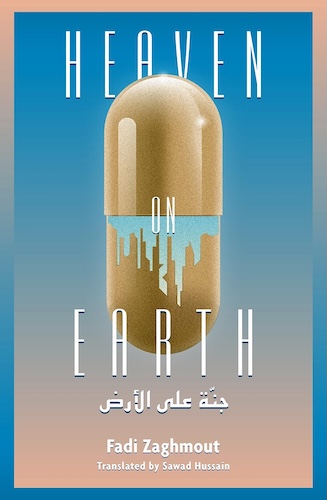
Heaven on Earth
What would happen if science made it possible to remain young forever? Set in Jordan in the 2090s, Heaven on Earth imagines a future transformed by advances in biotechnology and nanotechnology that allow people to reverse the aging process. Yet the promise of eternal youth brings unexpected moral, social, and emotional dilemmas.
At the heart of the novel is Janna Abdallah, a journalist navigating a world where humanity has gained unprecedented control over life and death. Her brother, Jamal, who contributed to the scientific breakthroughs behind this new reality, makes the controversial decision to reject age suppression and allow himself to die naturally. His choice unsettles the family and challenges the assumptions of a society that has come to regard aging as a problem to be solved. Meanwhile, strict reproductive regulations complicate the family’s hopes for the future.
Blending speculative fiction with social commentary, Zaghmout explores the ethical limits of scientific progress, individual autonomy, family relationships, and the meaning of a fulfilling life. By placing these questions within a distinctly Jordanian cultural setting, he invites readers to reconsider the boundaries between technological possibility and human freedom.
Jordan
2017
3
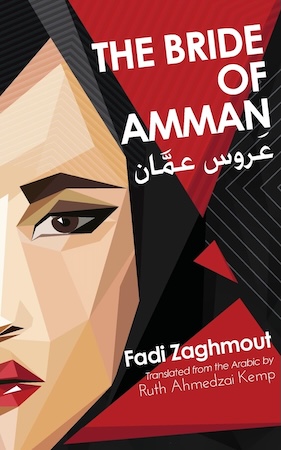
The Bride of Amman
Set in Jordan’s capital, The Bride of Amman follows five young people—four women and one gay man—as they navigate love, sexuality, marriage, and the restrictive social expectations surrounding them. Rana falls in love with a man of a different religion and faces the consequences of their relationship. Hayat struggles with the emotional scars of an abusive childhood, while Ali is pressured into a heterosexual marriage to conceal his sexuality. Meanwhile, Leila confronts the stigma attached to divorce and remaining unmarried, and her sister Salma challenges society’s expectations through her anonymous online writing.
Through these interwoven stories, Fadi Zaghmout portrays a society caught between modern aspirations and deeply rooted traditions. The novel examines how gender roles, religious boundaries, and social conventions shape intimate lives, often forcing individuals to choose between personal happiness and public acceptance. Blending humor with painful realism, it challenges the silence surrounding sexuality and women’s autonomy in the Arab world. Ultimately, the novel asks what freedom means when the price of living honestly can be social rejection.
Jordan
2015