Fiction
All countries
Afghanistan
Albania
Antigua and Barbuda
Argentina
Armenia
Australia
Austria
Azerbaijan
Bahamas
Bahrain
Bangladesh
Barbados
Belarus
Belgium
Belize
Bhutan
Bosnia and Herzegovina
Brazil
Brunei
Bulgaria
Cabo Verde
Canada
Central African Republic
Chile
China
Congo, Democratic Republic
Croatia
Cuba
Czech Republic
Denmark
Djibouti
Dominica
Dominican Republic
Ecuador
Egypt
Fiji
Finland
France
Georgia
Germany
Greece
Hungary
Iceland
India
Indonesia
Iran
Iraq
Ireland
Italy
Jamaica
Japan
Jordan
Kazakhstan
Kenya
Kuwait
Kyrgyzstan
Lebanon
Libya
Malaysia
Mexico
Morocco
Netherlands
New Zealand
Nigeria
Norway
Oman
Pakistan
Palestine
Panama
Peru
Philippines
Poland
Portugal
Romania
Russia
Saudi Arabia
Senegal
Singapore
Slovenia
Somalia
South Korea
Spain
Sri Lanka
Sudan
Sweden
Switzerland
Syria
Taiwan
Tanzania
Thailand
Türkiye
Turkmenistan
Ukraine
United Arab Emirates
United Kingdom
United States
Uzbekistan
Yemen
Zambia
1
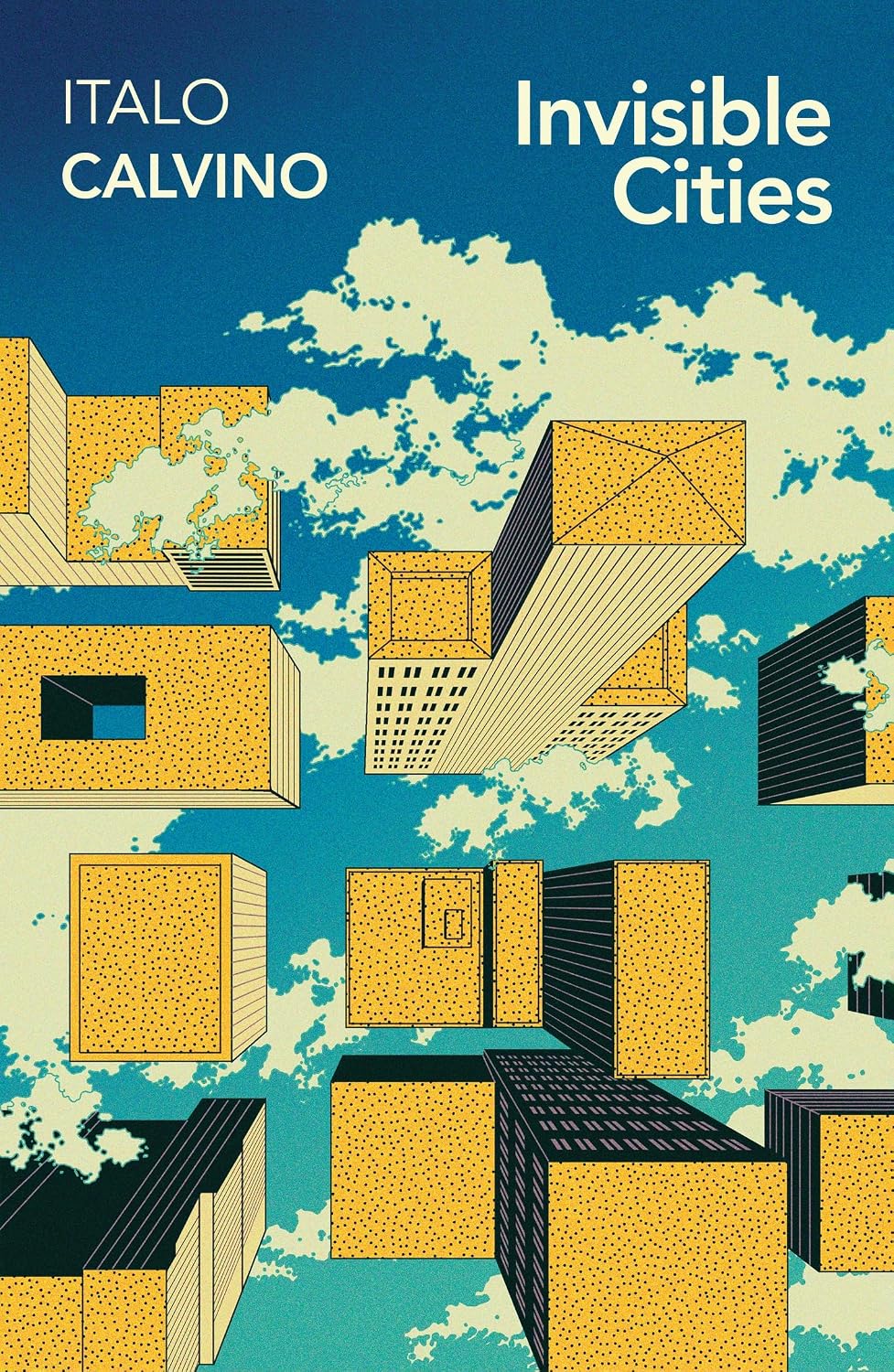
Invisible Cities
Invisible Cities imagines a series of conversations between the Venetian traveller Marco Polo and the Mongol emperor Kublai Khan. Polo describes extraordinary cities he claims to have visited, each possessing distinctive customs, architecture, memories, and relationships with time. Some cities seem suspended between life and death; others are organised around desire, exchange, or the endless accumulation of objects. Gradually, the descriptions become less like conventional travel accounts and more like meditations on human experience. Khan attempts to understand the vastness of his empire through Polo’s stories, while the traveller uses language to explore places that may reflect aspects of Venice itself. Calvino combines fantasy, philosophy, and poetic imagery to examine memory, communication, urban life, and the relationship between imagination and reality. The book invites readers to consider how cities express the hopes, fears, and contradictions of the people who inhabit them.
Italy
1972
2
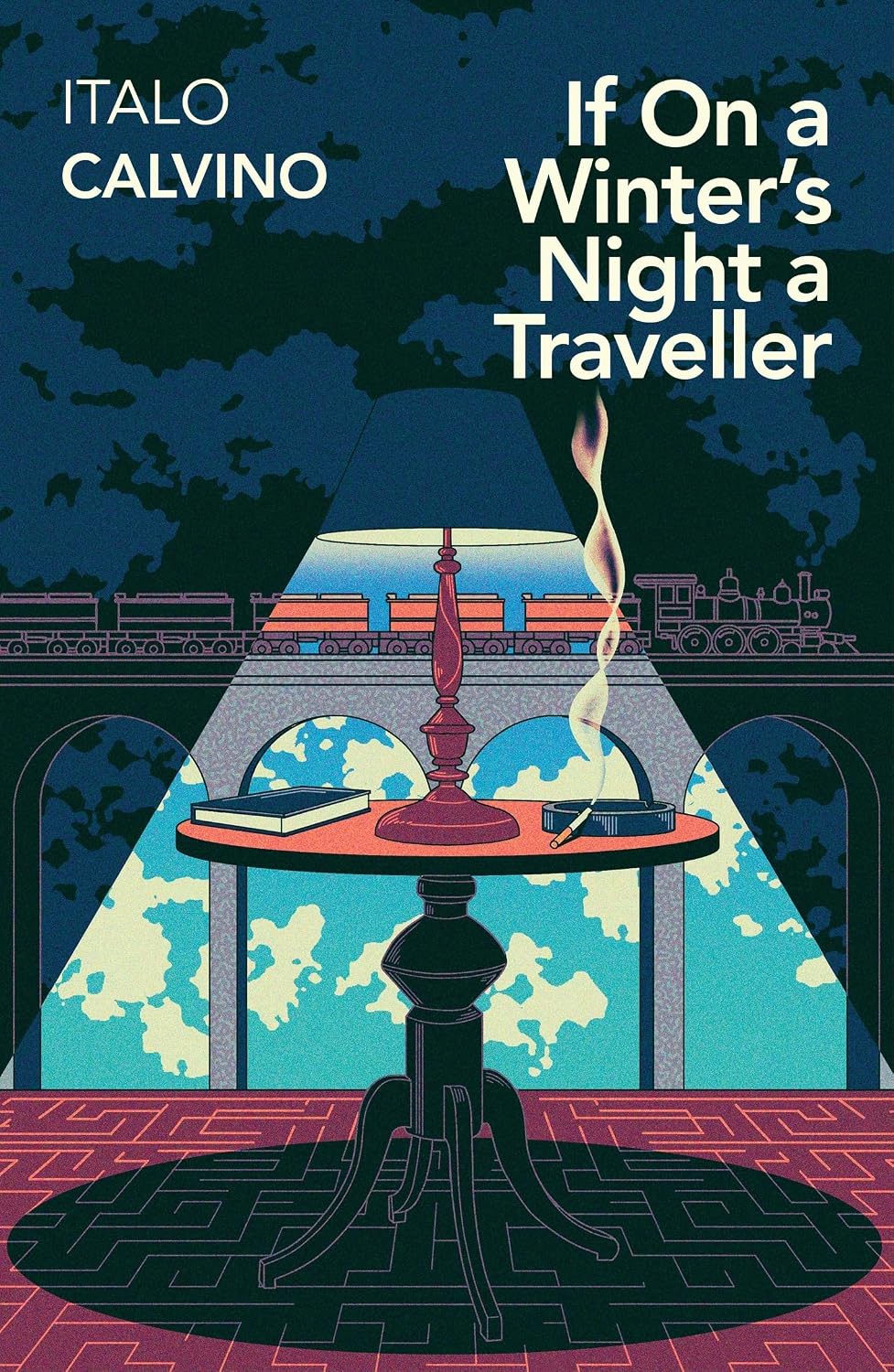
If on a Winter's Night a Traveler
If on a winter’s night a traveler is an experimental novel that places the reader at the centre of the story. It begins with a reader attempting to enjoy a new book by Italo Calvino, only to discover that the text is incomplete. As the reader searches for the missing continuation, they encounter a series of other novels, each beginning in a different literary style but ending abruptly. Along the way, the reader becomes involved with Ludmilla, another reader who shares the desire to discover how the stories conclude. Calvino turns the act of reading into an adventure, examining the relationship between authors, readers, and the books they create together. The novel explores curiosity, interpretation, and the human desire for narrative closure, playfully questioning whether a story’s meaning lies in its ending, its beginning, or the experience of reading itself.
Italy
1982
3
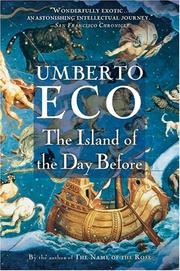
The Island of the Day Before
Set in the seventeenth century, The Island of the Day Before follows Roberto della Griva, an Italian nobleman who survives a shipwreck and finds himself stranded aboard an abandoned vessel in the South Pacific. The ship lies near a beautiful island that he can see but cannot reach, partly because he cannot swim. Alone, Roberto reflects on his childhood, his experiences of war, his education, and his complicated ideas about love and destiny. He becomes increasingly preoccupied with the island’s location on the opposite side of the international date line, imagining that it might hold the secret to travelling into yesterday. Through his reflections and encounters with the history of scientific discovery, Eco explores the relationship between time, knowledge, and human perception. Blending historical fiction, philosophy, and adventure, the novel examines the limits of reason and the ways solitude can transform a person’s understanding of reality.
Italy
1994
4
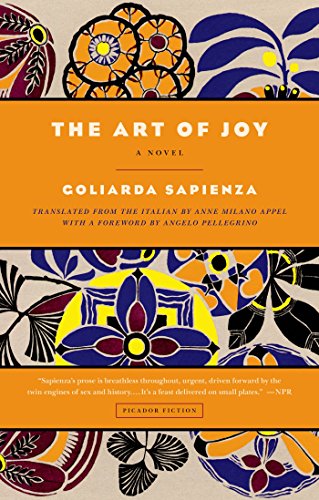
Art of Joy
The Art of Joy follows Modesta, a fiercely independent woman born into poverty in Sicily on New Year’s Day 1900. After a difficult childhood marked by family tragedy, she finds refuge in a convent, but her intelligence, ambition, and refusal to accept the limits imposed on women lead her toward a very different life. Through determination and cunning, Modesta rises into aristocratic society, building relationships and pursuing intellectual, emotional, and sexual freedom on her own terms.
Spanning much of the twentieth century, the novel follows Modesta through personal transformations and the political upheavals of modern Italian history. Goliarda Sapienza challenges conventional ideas about morality, religion, marriage, and femininity, presenting a protagonist who refuses to be defined by society’s expectations. Bold, sensual, and politically provocative, the novel celebrates the pursuit of pleasure and self-determination while examining the contradictions involved in living freely in an unequal world.
Italy
1998
5
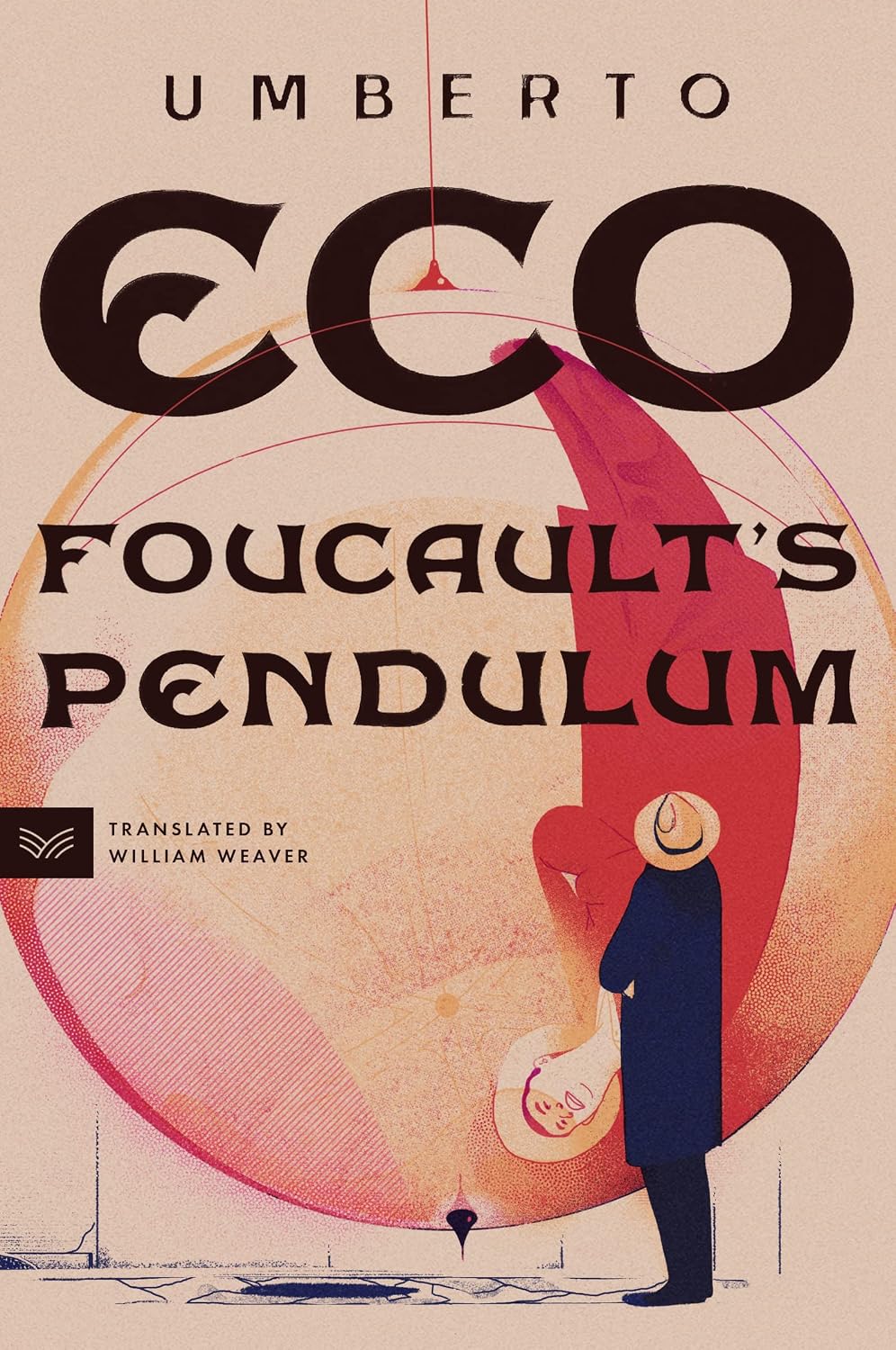
Foucault's Pendulum
Foucault’s Pendulum follows three Italian editors who work for a small publishing house specialising in obscure historical and occult manuscripts. As a private intellectual game, they begin inventing an elaborate conspiracy theory that connects secret societies, the Knights Templar, and centuries of hidden knowledge. Their fictional pattern gradually becomes more elaborate, drawing in real-world enthusiasts who believe the invented conspiracy reveals the truth about history. What begins as a playful exercise becomes increasingly dangerous as the editors lose control of the story they have created. Eco explores the human tendency to search for patterns and hidden meanings, showing how the desire to explain the world can lead people into irrational beliefs. Blending historical references, intellectual satire, and suspense, the novel examines conspiracy thinking, interpretation, and the dangers of confusing imaginative connections with evidence.
Italy
2007
6
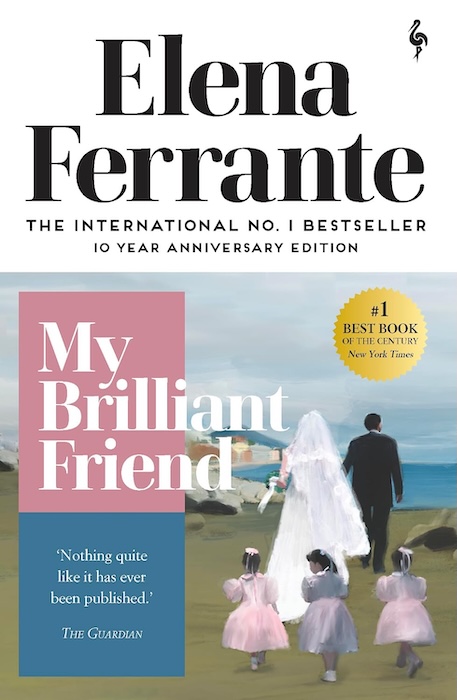
My Brilliant Friend
My Brilliant Friend follows Elena Greco and Raffaella Cerullo, known as Lila, two intelligent and ambitious girls growing up in a poor neighborhood of Naples in the 1950s. Despite their contrasting personalities, they develop a complex friendship shaped by admiration, rivalry, jealousy, and affection. As they navigate childhood and adolescence, both confront the limitations imposed by poverty, gender expectations, and a society marked by violence and rigid social hierarchies. While Elena continues her education, Lila’s opportunities are increasingly restricted, creating a tension that follows them as their lives take different directions. Through their evolving relationship, Ferrante explores female friendship, ambition, identity, and the transformative power of education. The novel is the first installment of the Neapolitan series, offering an intimate portrait of growing up and discovering oneself in a changing Italy.
Italy
2011
7
A Girl Returned
A Girl Returned follows a thirteen-year-old girl who is suddenly sent back to the family she barely remembers after being raised by a couple she believed were her parents. Without explanation, she finds herself living with her biological family in a crowded apartment in a poor rural community in southern Italy. Surrounded by unfamiliar siblings and a mother who feels like a stranger, she struggles to understand why she was given away and why she has now been returned.
As she adjusts to her new circumstances, the girl develops a complicated relationship with her younger sister, Adriana, whose boldness and resourcefulness offer both companionship and conflict. Through the protagonist’s perspective, Donatella Di Pietrantonio explores the emotional consequences of abandonment, the divisions between social classes, and the meaning of motherhood and belonging. Written in a restrained, powerful style, the novel captures the vulnerability of adolescence and the lasting impact of secrets within families. It asks whether family is defined by blood, love, or the people who choose to stay.
Italy
2017
8
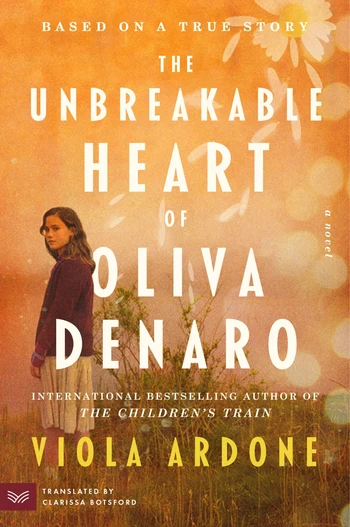
The Unbreakable Heart of Oliva Denaro
Sicily, 1960s. Fifteen-year-old Oliva Denaro loves running through the countryside and dreams of a life beyond the strict rules imposed on girls. But when a local boy decides he wants her, Oliva discovers how little control a young woman has over her own future in a society ruled by tradition and shame. Inspired by a true story, this moving novel follows Oliva’s courageous struggle to reclaim her freedom in a world that expects women to remain silent. Through her determination, Viola Ardone explores the cost of defiance and the extraordinary strength it takes to say no when everyone expects you to obey.
Italy
2021
9
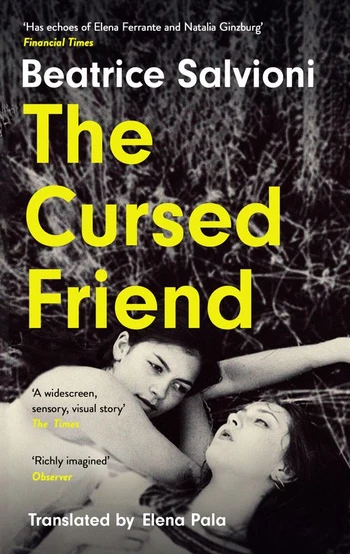
The Cursed Friend
Italy, 1935. Francesca is a respectable girl from a bourgeois family, but she longs for a life beyond the suffocating rules of her small town. Her attention is drawn to Maddalena, a fearless outsider whom everyone calls the Cursed One. When Francesca lies to protect her, an unexpected friendship begins—one that will challenge everything she has been taught about obedience, morality, and what it means to be a girl. As fascism tightens its grip on Italy, the two friends confront prejudice, violence, and a society determined to keep women in their place. Fierce and emotionally charged, this novel explores the transformative power of female friendship and the courage it takes to resist injustice.
Italy
2023
10
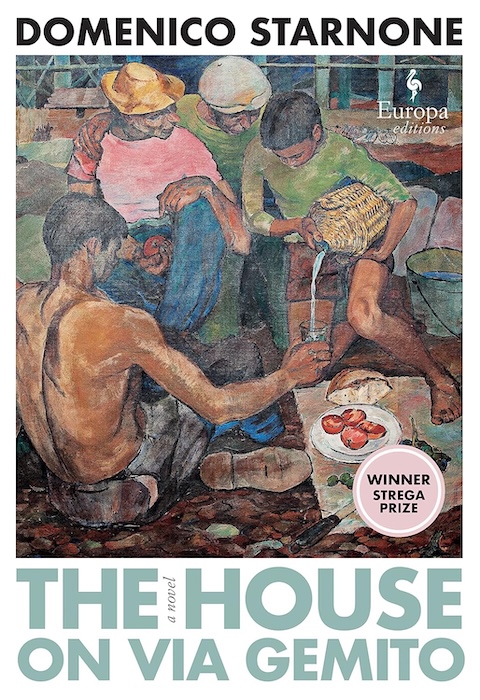
House on Via Gemito
Domenico Starnone is an Italian novelist, screenwriter, and journalist, born in 1943 in Naples. Before establishing himself as a novelist, he worked as a teacher and wrote for newspapers and satirical publications, often drawing on his experiences in the Italian education system. His fiction is known for its psychological precision, sharp humour, and exploration of the tensions underlying family relationships, marriage, and personal identity. Starnone frequently examines how people construct narratives about themselves and others, revealing the contradictions between memory, truth, and self-deception. His notable works include Ties, Trick, and The House on Via Gemito, which won the prestigious Strega Prize in 2001. His writing often combines intimate domestic conflicts with broader reflections on social expectations, masculinity, ageing, and artistic ambition. Internationally acclaimed for his subtle, layered storytelling, Starnone has become an important voice in contemporary Italian literature.
Italy
2024
11
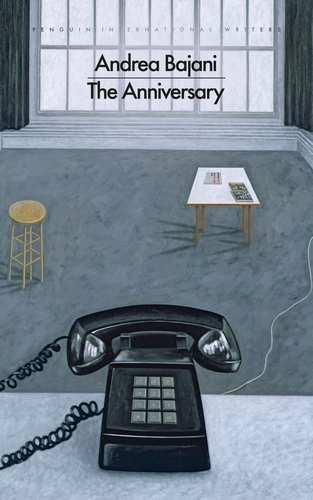
The Anniversary
Can you walk away from your family and never look back? Ten years after cutting all contact with his parents, an unnamed narrator reflects on the childhood and family life he left behind. His father ruled the household through violence, intimidation, and fear, while his mother quietly endured her husband’s control, gradually disappearing into the background of her own life. As the narrator revisits these painful memories, he begins to understand the cost of silence and the complicated ties that bind children to their parents. Both an intimate family portrait and a sharp critique of patriarchal power, The Anniversary asks whether breaking away from those who raised us is an act of betrayal—or a necessary step toward freedom.
Italy
2025
12
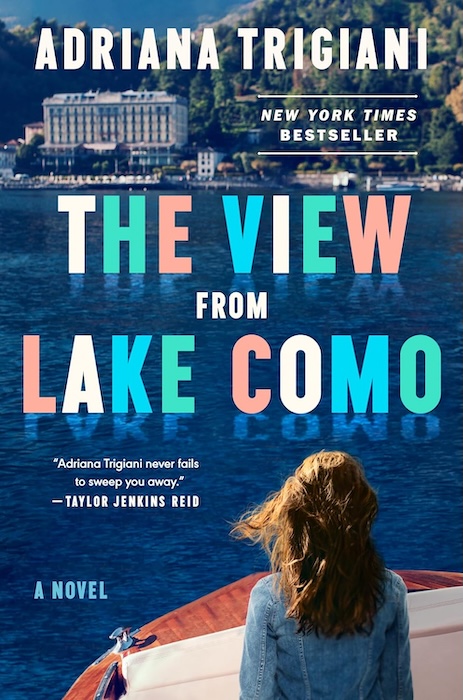
The View From Lake Como
Jess Capodimonte Baratta has spent much of her life putting everyone else first. Recently divorced, she retreats to her parents’ basement in Lake Como, New Jersey, where family obligations and Sunday dinners leave little room for her own ambitions. A talented draftswoman working in her uncle’s marble business, Jess has more potential than she realizes—but an unexpected family loss brings buried secrets to light and forces her to question everything she thought she knew about the people closest to her.
Determined to reclaim her future, Jess travels to her ancestral home in Carrara, Italy, where the marble mountains of Tuscany and the vibrant streets of Milan offer the possibility of a fresh start. As she explores her family’s past and meets Angelo Strazza, an artist who works in gold, Jess begins to discover her own creative gifts and a new sense of belonging. Blending romance, family drama, and Italian-American heritage, this warm, spirited novel explores the courage it takes to reinvent yourself and build a life on your own terms.
Italy
2025