Fiction
All countries
Afghanistan
Albania
Antigua and Barbuda
Argentina
Armenia
Australia
Austria
Azerbaijan
Bahamas
Bahrain
Bangladesh
Barbados
Belarus
Belgium
Belize
Bhutan
Bosnia and Herzegovina
Brazil
Brunei
Bulgaria
Cabo Verde
Canada
Central African Republic
Chile
China
Congo, Democratic Republic
Croatia
Cuba
Czech Republic
Denmark
Djibouti
Dominica
Dominican Republic
Ecuador
Egypt
Fiji
Finland
France
Georgia
Germany
Greece
Hungary
Iceland
India
Indonesia
Iran
Iraq
Ireland
Italy
Jamaica
Japan
Jordan
Kazakhstan
Kenya
Kuwait
Kyrgyzstan
Lebanon
Libya
Malaysia
Mexico
Morocco
Netherlands
New Zealand
Nigeria
Norway
Oman
Pakistan
Palestine
Panama
Peru
Philippines
Poland
Portugal
Romania
Russia
Saudi Arabia
Senegal
Singapore
Slovenia
Somalia
South Korea
Spain
Sri Lanka
Sudan
Sweden
Switzerland
Syria
Taiwan
Tanzania
Thailand
Türkiye
Turkmenistan
Ukraine
United Arab Emirates
United Kingdom
United States
Uzbekistan
Yemen
Zambia
1
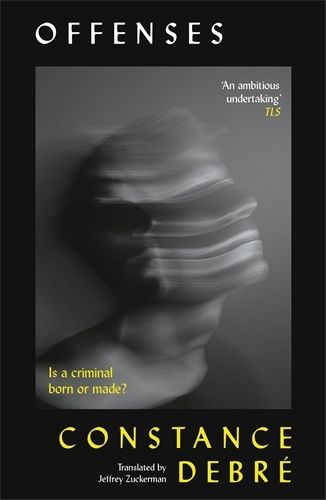
Offenses
Based on a real murder case, Offenses examines the relationship between crime, poverty, and justice in contemporary France. In a housing estate outside Paris, a nineteen-year-old man stabs his elderly neighbour ten times to settle a €450 drug debt. The crime appears senseless in its brutality, but Constance Debré looks beyond the immediate act to examine the social conditions surrounding both the perpetrator and his victim.
Drawing on her experience as a criminal defence lawyer, Debré explores the boundaries between individual responsibility and collective failure. The young man’s circumstances, the victim’s vulnerability, and the environment in which they live become part of a wider portrait of a society divided by class and opportunity. Written in Debré’s characteristic spare, unsentimental prose, the novella questions whether justice can truly be separated from the inequalities that shape people’s lives. Rather than offering easy explanations or moral resolutions, it confronts readers with uncomfortable questions about guilt, punishment, and the possibility of escaping the circumstances into which one is born.
France
2026
2
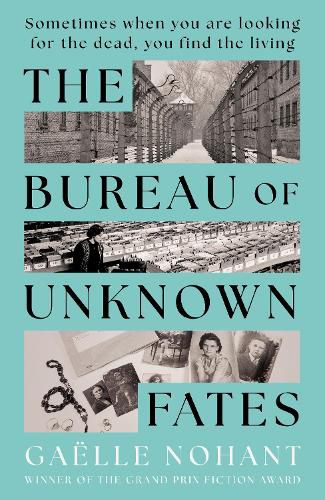
The Bureau of Unknown Fates
In the aftermath of the Second World War, the Allies establish the International Tracing Service in Bad Arolsen, Germany, to investigate Nazi crimes and help families discover the fates of millions of missing and displaced people. In 1990, Irène, a young Frenchwoman who has moved to Germany after marrying a German man, begins working at the institution. Meticulous and deeply committed to her work, she gradually becomes absorbed in the stories preserved within its archives. Years later, she is entrusted with returning thousands of personal belongings confiscated from concentration camp prisoners. A cloth doll, a medallion, and an embroidered handkerchief become clues to the identities of their former owners and the families they left behind. As Irène follows these traces across Europe, she uncovers stories of persecution, complicity, survival, and loss, while confronting the troubling silences surrounding Germany’s wartime past. Weaving together individual lives and collective memory, Gaëlle Nohant’s moving historical novel explores the enduring consequences of the Holocaust and the power of remembrance to restore dignity to those history has nearly erased.
France
2026
3
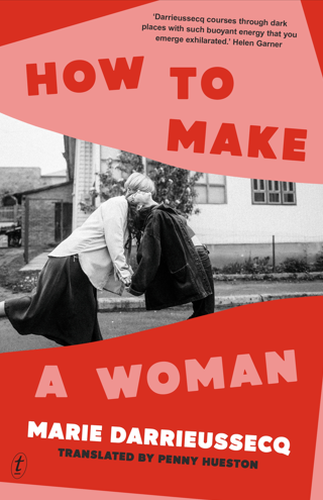
How to Make a Woman
How to Make a Woman follows Rose and Solange, two lifelong friends growing up in a small village in the French Basque Country during the 1980s. Although they share a childhood, their lives begin to diverge dramatically as they enter adulthood. Rose, thoughtful and conventional, moves to Bordeaux to study psychology while maintaining her relationship with her childhood sweetheart, Christian. Solange, rebellious and restless, becomes pregnant at fifteen and eventually leaves her familiar surroundings to pursue a career as an actress.
As their paths take them through Bordeaux, Paris, London, and Hollywood, the two women confront the expectations imposed on them by society, the demands of relationships, and the challenges of defining themselves on their own terms. Their friendship endures despite their differences, revealing how women can remain connected even as their lives move in opposite directions.
With wit and emotional precision, Darrieussecq explores female friendship, sexuality, motherhood, ambition, and the social forces that shape women’s identities. The novel offers a nuanced portrait of growing up and becoming oneself in a world that continually tries to define what a woman should be.
France
2026
4
The Witch
In The Witch, Marie NDiaye tells the story of Lucie, a woman who discovers that she possesses magical powers inherited from her mother. Living in a seemingly ordinary French suburb, Lucie struggles to pass her knowledge of witchcraft on to her twin daughters while navigating an unhappy marriage and an increasingly unstable family life. As her daughters begin to develop their own powers and assert their independence, Lucie’s sense of control over her family and identity begins to unravel. Blending dark humor, psychological tension, and elements of the supernatural, NDiaye explores motherhood, female power, and the complexities of family relationships. The novel offers a subtle, unsettling examination of the desire to control others and the difficulty of understanding those closest to us.
France
2026
5
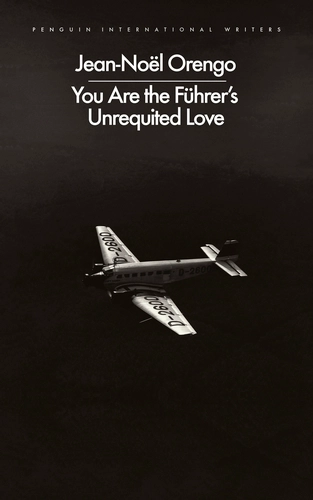
You Are the Führer's Unrequited Love
How does a man implicated in one of history’s greatest atrocities reinvent himself as an innocent bystander? In 1969, Albert Speer—Hitler’s favourite architect and Minister of Armaments—publishes his memoirs, presenting himself as the “good Nazi” who knew nothing about the Holocaust. His carefully constructed narrative helps him escape the full weight of his responsibility and become a bestselling author. But behind this image lies a history of ambition, complicity, and calculated self-deception. Blending historical research with literary fiction, Jean-Noël Orengo reconstructs Speer’s rise, his proximity to Hitler, and his postwar reinvention. The result is a disturbing exploration of how powerful people manipulate memory, reshape their identities, and make fiction more seductive than truth. In an age of competing narratives, the novel asks who gets to control the story of the past.
France
2024
6
Adèle
Adèle follows Adèle Robinson, a married woman living in Paris with her husband and young son. Despite her comfortable middle-class life and successful career as a journalist, she is consumed by compulsive sexual behavior that threatens to destroy her family and sense of self. As she becomes increasingly unable to control her impulses, her carefully maintained public image begins to unravel, exposing the emptiness and dissatisfaction beneath her seemingly ordinary existence. Through Adèle’s struggles, Leïla Slimani examines desire, addiction, repression, and the pressures of conventional domestic life. Written in a stark, unsentimental style, the novel explores the tension between social respectability and private compulsions, questioning how well people can truly understand themselves and the hidden forces that shape their behavior.
France
2014
7
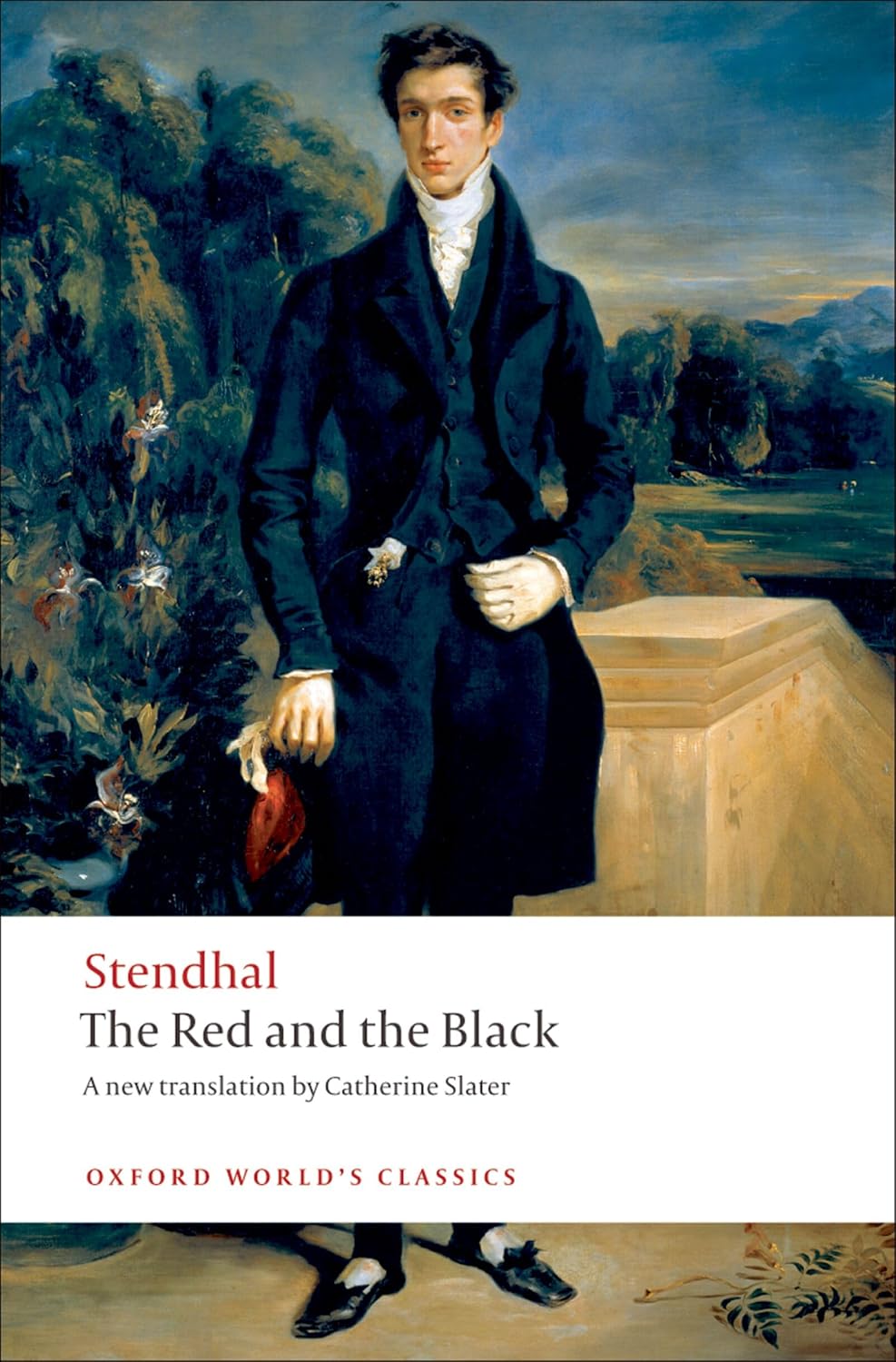
The Red and the Black
The Red and the Black follows Julien Sorel, an ambitious young man from a poor provincial family who dreams of rising through French society. Intelligent and determined, Julien sees the Church and the military as possible routes to power, studying religious doctrine while secretly admiring the military glory associated with Napoleon. His relationships with Madame de Rênal, the wife of his employer, and Mathilde de La Mole, the daughter of an aristocrat, become entangled with his social ambitions. As Julien moves between different social environments, he struggles to reconcile genuine feelings with his desire for status and recognition. Stendhal uses his story to examine class divisions, hypocrisy, and the limitations imposed by nineteenth-century French society. The novel portrays a talented individual attempting to overcome the circumstances of his birth, revealing how ambition can both challenge and reproduce the inequalities of the world he hopes to conquer.
France
2009
8
Three Strong Women
The story of three women who say no: Norah, a French-born lawyer who finds herself in Senegal, summoned by her estranged father to save another victim of his paternity; Fanta, who leaves a contented life as a teacher in Dakar to follow her boyfriend back to France, where his depression and dislocation poison everything; and Khady, a penniless widow put out by her husband's family with nothing but the name of a distant cousin in France. As these three lives intertwine, each woman manages an astonishing feat of self-preservation against those who have made themselves the fastest-growing and most-reviled people in Europe. In Marie NDiaye's stunning narration we see the progress by which ordinary women discover unimagined reserves of strength.
France
2009
9

A Leopard-Skin Hat
Some people remain impossible to understand, no matter how deeply we love them. In this intimate, unconventional novel, an unnamed narrator recounts his lifelong friendship with Fanny, a brilliant, rebellious, and deeply troubled woman whose inner world remains beyond his grasp. Bound to her by affection and concern, he witnesses her struggle with profound psychological difficulties, moving between moments of hope and periods of despair. Yet Fanny refuses to be reduced to her suffering: she is unpredictable, spirited, and fiercely individual. Told through brief, lyrical scenes, the novel explores the fragile boundaries between love and helplessness, understanding and mystery. Written in the wake of the death of Serre’s younger sister, this moving work becomes both a tribute to a life cut short and a meditation on grief, memory, and the limits of our ability to truly know another person.
France
2008
10
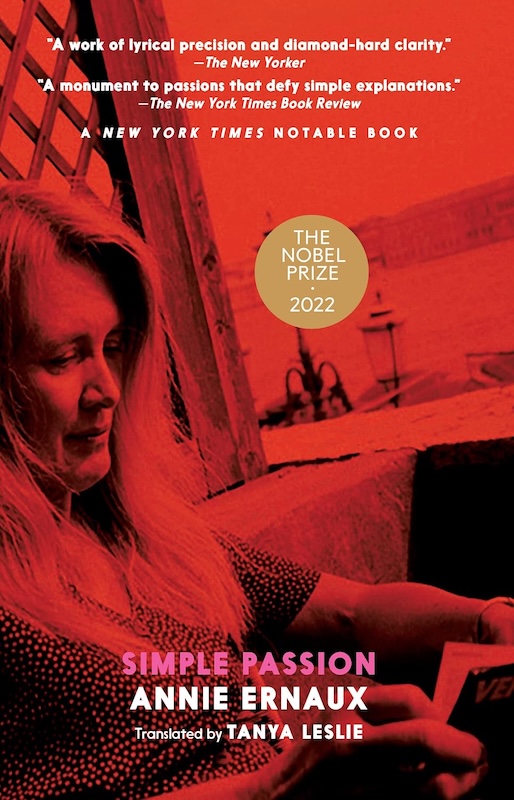
Simple Passion
Simple Passion is a concise, intensely personal account of a woman’s consuming affair with a married man. The narrator, an educated French woman, describes how her relationship gradually takes over her existence, shaping her thoughts, routines, and sense of time. Waiting for her lover’s phone calls and anticipating their meetings become the organising principles of her life, while ordinary activities lose their significance in comparison with the possibility of seeing him again.
Drawing on her own experiences, Annie Ernaux examines desire with remarkable honesty and emotional precision, refusing to romanticise or condemn the narrator’s obsession. She explores the vulnerability of surrendering oneself to another person, as well as the ways passion can disrupt independence and alter one’s perception of reality. Blending autobiography with detached observation, the book challenges conventional ideas about female desire, dignity, and romantic love. Its direct, unembellished prose transforms a deeply private experience into a broader reflection on the power of longing and the consuming nature of passion.
France
1991
11
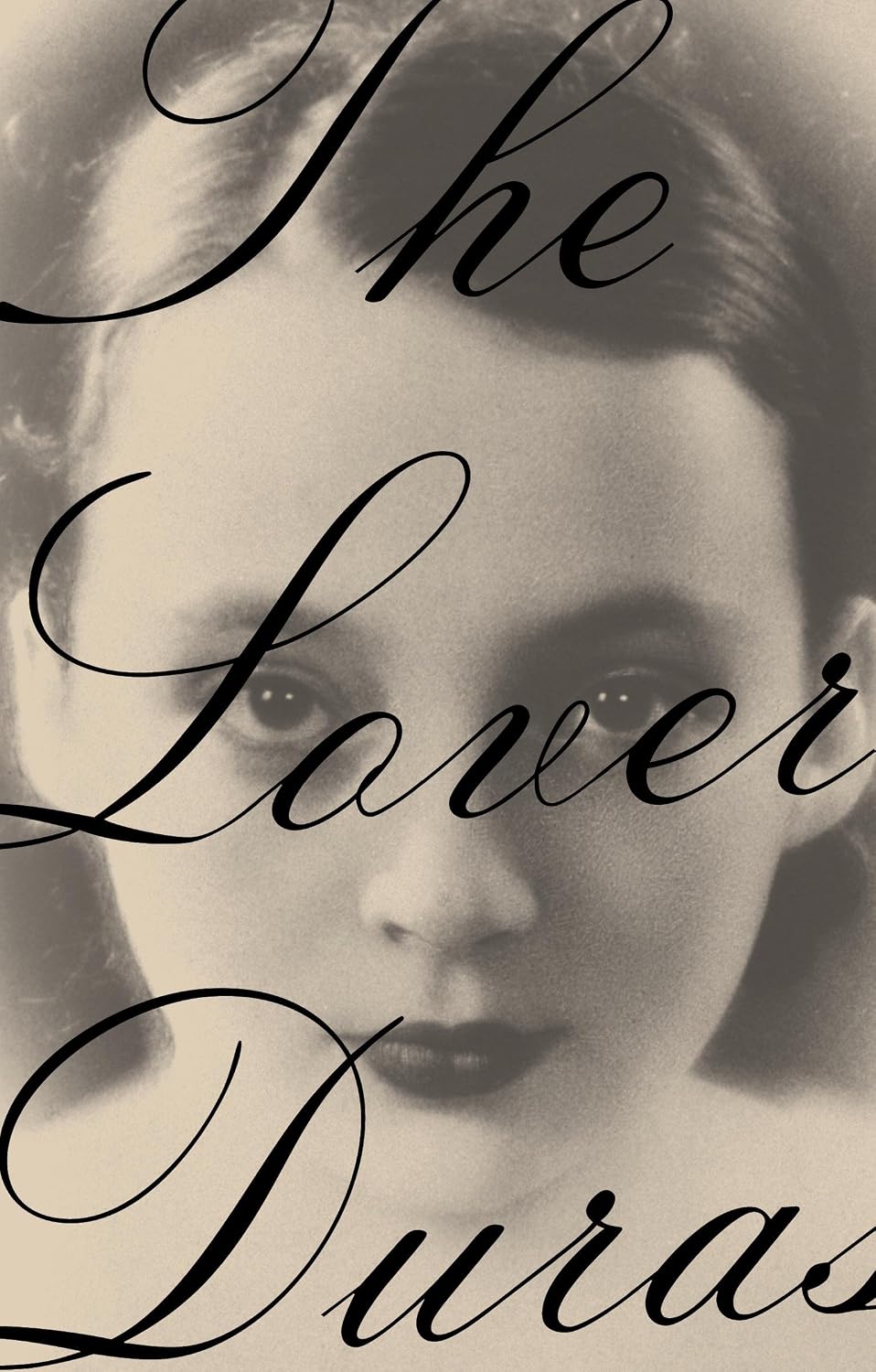
The Lover
The Lover is an autobiographical novel set in French colonial Indochina in the late 1920s. It follows a fifteen-year-old French girl from a financially struggling family who begins a relationship with a wealthy Chinese man several years older than her. Their encounter takes place against a backdrop of racial divisions, colonial hierarchies, and social conventions that shape their lives and determine how their relationship is perceived.
Through fragmented memories and lyrical, introspective prose, Marguerite Duras explores desire, shame, power, and the complicated dynamics of intimacy. The narrator’s relationship with her lover becomes entangled with her difficult family life, particularly her strained relationship with her mother and brothers. As she reflects on the experience from adulthood, memory transforms the story into an examination of how love and sexuality shape identity. Both intimate and unsentimental, the novel reveals the inequalities embedded in colonial society while questioning the boundaries between personal history, desire, and the stories people tell about their past.
France
1984
12
Bonjour Tristesse
Set along the sun-drenched French Riviera, Bonjour Tristesse follows seventeen-year-old Cécile, who spends a carefree summer with her charming, pleasure-seeking father, Raymond, and his young lover, Elsa. Their relaxed existence is disrupted when Anne, a sophisticated and principled woman who was once a friend of Cécile’s late mother, arrives and begins a relationship with Raymond. Fearing that Anne will impose discipline and destroy her freedom, Cécile devises a plan to separate the couple, setting in motion consequences she cannot fully control. Narrated by Cécile as she reflects on that pivotal summer, the novel explores adolescence, jealousy, desire, and the unsettling transition from innocence to adulthood. Sagan’s elegant, restrained prose captures the tensions between personal freedom and emotional responsibility, revealing how selfish choices can lead to irreversible loss.
France
1954