Fiction
All countries
Afghanistan
Albania
Antigua and Barbuda
Argentina
Armenia
Australia
Austria
Azerbaijan
Bahamas
Bahrain
Bangladesh
Barbados
Belarus
Belgium
Belize
Bhutan
Bosnia and Herzegovina
Brazil
Brunei
Bulgaria
Cabo Verde
Canada
Central African Republic
Chile
China
Congo, Democratic Republic
Croatia
Cuba
Czech Republic
Denmark
Djibouti
Dominica
Dominican Republic
Ecuador
Egypt
Fiji
Finland
France
Georgia
Germany
Greece
Hungary
Iceland
India
Indonesia
Iran
Iraq
Ireland
Italy
Jamaica
Japan
Jordan
Kazakhstan
Kenya
Kuwait
Kyrgyzstan
Lebanon
Libya
Malaysia
Mexico
Morocco
Netherlands
New Zealand
Nigeria
Norway
Oman
Pakistan
Palestine
Panama
Peru
Philippines
Poland
Portugal
Romania
Russia
Saudi Arabia
Senegal
Singapore
Slovenia
Somalia
South Korea
Spain
Sri Lanka
Sudan
Sweden
Switzerland
Syria
Taiwan
Tanzania
Thailand
Türkiye
Turkmenistan
Ukraine
United Arab Emirates
United Kingdom
United States
Uzbekistan
Yemen
Zambia
1
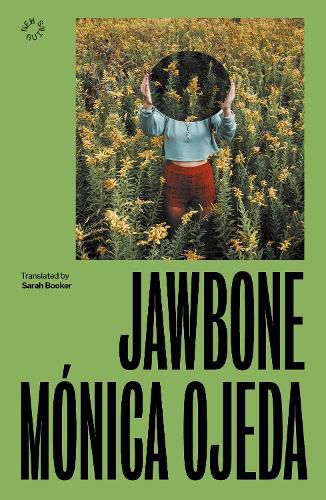
Jawbone
In Jawbone (Mandíbula), Ecuadorian writer Mónica Ojeda explores the disturbing intersection of adolescent desire, female friendship, violence, and fear. The novel opens with Fernanda, a wealthy teenager who has been kidnapped and imprisoned in a remote cabin by her literature teacher, Miss Clara. As the circumstances surrounding the abduction gradually emerge, the story reveals the intense and unsettling relationship between Fernanda and her best friend, Annelise, whose shared fascination with horror, mythology, and the macabre has drawn them into increasingly dangerous territory.
At their elite bilingual school in Guayaquil, Annelise leads a group of girls in elaborate rituals devoted to a fictional deity they have created. Their games blur the boundaries between imagination and reality, intimacy and cruelty, fascination and obsession. Meanwhile, Miss Clara struggles with her own psychological disintegration, haunted by her dead mother and the pressure to maintain control.
Drawing on horror fiction, internet creepypastas, mythology, and literary theory, Ojeda constructs a multilayered narrative that captures the volatility of adolescence. The novel examines how young women negotiate power, sexuality, identity, and belonging in a world where affection can become possessive and fear can transform into desire. Its unsettling atmosphere challenges readers to confront the darker possibilities of growing up.
Ecuador
2022
2

Electric Shamans at the Festival of the Sun
Set in a near-future Ecuador, Electric Shamans at the Festival of the Sun follows Noa and her best friend, Nicole, as they leave the violence and decay of Guayaquil behind to attend Solar Noise, an experimental music festival held in the remote Andean highlands near an active volcano. Amid psychedelic music, ritualistic dances, and a gathering of young people searching for transcendence, the festival becomes a space where the boundaries between the physical and spiritual worlds begin to dissolve.
Noa has a personal reason for making the journey: she hopes to find her father, who abandoned her when she was a child. But after arriving at the festival, she begins experiencing strange transformations, speaking in a voice that seems not to belong to her. As Nicole tries to understand what is happening to her friend, both young women confront their histories of abandonment, violence, and emotional pain.
Blending speculative fiction, psychological horror, Andean mythology, and experimental music culture, Ojeda explores the search for belonging and the relationship between trauma, identity, and transcendence. The novel’s hallucinatory atmosphere evokes a world where ancient spiritual traditions collide with futuristic subcultures, offering a haunting meditation on the desire to escape the past and imagine a different future.
Ecuador
2026