Classics
All countries
Antigua and Barbuda
Argentina
Armenia
Australia
Austria
Azerbaijan
Bangladesh
Barbados
Belgium
Bosnia and Herzegovina
Brazil
Chile
China
Colombia
Czech Republic
Denmark
Dominica
Dominican Republic
Egypt
Finland
France
Germany
Greece
Hungary
Iceland
India
Indonesia
Iran
Ireland
Italy
Japan
Kenya
Kyrgyzstan
Lebanon
Lithuania
Mexico
Netherlands
Norway
Pakistan
Palestine
Peru
Portugal
Romania
Russia
Saudi Arabia
Spain
Sudan
Sweden
Switzerland
Taiwan
Türkiye
Ukraine
United Kingdom
United States
1
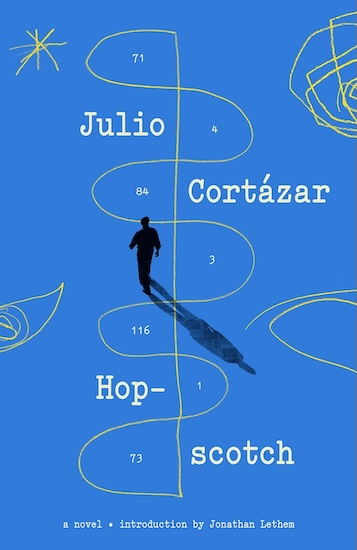
Hopscotch
Hopscotch follows Horacio Oliveira, an Argentine intellectual living in Paris who struggles to find meaning in relationships, art, and everyday existence. His complicated relationship with La Maga, a young Uruguayan woman, forms the emotional centre of a novel that resists conventional storytelling. Cortázar offers readers different ways to navigate the chapters, allowing the narrative to unfold in alternative sequences and challenging the traditional relationship between author and audience. As Oliveira returns to Argentina, his search for understanding becomes increasingly entangled with alienation and uncertainty. The novel explores the limitations of rational thought, the instability of identity, and the desire to discover a deeper reality beneath ordinary experience. Its experimental structure reflects a central question: whether a different way of reading might lead to a different way of living.
Argentina
1963
2
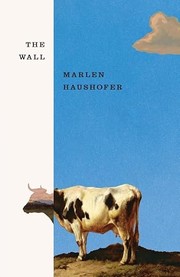
The Wall
The Wall follows an unnamed woman who becomes inexplicably isolated in the Austrian countryside after an invisible, impenetrable wall suddenly separates her from the rest of the world. On the other side, all human life appears to have vanished. Trapped in a remote mountain valley with only a dog, a cow, and a few other animals for company, she must learn to survive without any hope of rescue.
As the seasons pass, the woman develops routines to secure food, gather firewood, and care for her animals. Her solitary existence forces her to confront the essentials of life while reflecting on her former identity, human relationships, and the society she has left behind. The natural world becomes both her refuge and her greatest challenge, offering moments of beauty alongside hunger, exhaustion, and danger.
Through its restrained, diary-like narration, Haushofer explores isolation, survival, freedom, and humanity’s relationship with nature. The novel also questions the assumptions of modern civilization, revealing how solitude can transform a person’s understanding of herself and the world.
Austria
1963
3
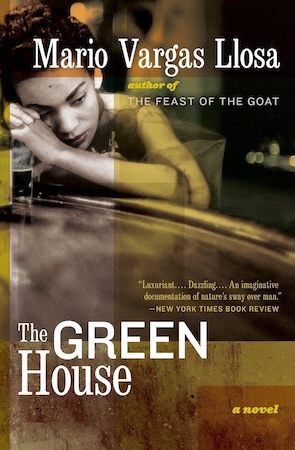
The Green House
In the dusty coastal town of Piura, Peru, a mysterious stranger named Don Anselmo builds a brothel that becomes the centre of a community’s desires, scandals, and conflicts. Known as the Green House, the establishment brings together people from different worlds, setting off a chain of events that will shape their lives for decades. Meanwhile, deep in the Peruvian Amazon, indigenous communities face the encroachment of missionaries, soldiers, and commercial interests that threaten their traditions and way of life.
Among the novel’s central figures is Bonifacia, an indigenous girl taken from her home and raised by nuns, whose attempts to find a place in the outside world lead to devastating consequences. Her story intersects with those of soldiers, smugglers, outcasts, and townspeople, creating a complex portrait of a society divided by class, race, and power.
Moving between the desert coast and the Amazon rainforest, and unfolding across several decades, Vargas Llosa weaves together multiple timelines and overlapping narratives. The result is a challenging, richly layered novel about desire, exploitation, moral ambiguity, and the collision of cultures. Beneath its intricate structure lies a powerful examination of how institutions and social hierarchies shape individual destinies—and how the boundaries between civilisation and brutality are often far less clear than they appear.
Peru
1966
4
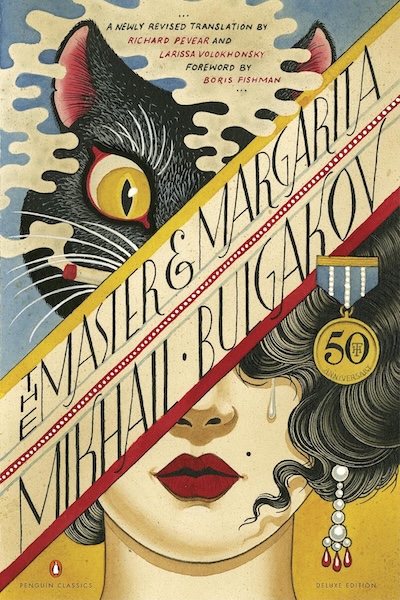
The Master and Margarita
The Master and Margarita is a surreal, satirical novel in which the Devil arrives in Moscow accompanied by a bizarre entourage, including a giant talking black cat. Their supernatural antics expose the hypocrisy, greed, cowardice, and corruption of Soviet society, throwing the city’s literary establishment and ordinary citizens into chaos.
Alongside this fantastical story, the novel follows the Master, a writer whose novel about Pontius Pilate has brought him persecution, and Margarita, the woman who loves him and refuses to abandon him. Desperate to find the Master, Margarita enters a dangerous bargain that leads her into the Devil’s extraordinary world. Interwoven with their story are chapters retelling the trial and execution of Jesus through the perspective of Pontius Pilate, who struggles with fear, conscience, and moral responsibility.
Blending fantasy, political satire, romance, and philosophical reflection, Bulgakov’s masterpiece explores the conflict between truth and authority, the power of love, artistic freedom, and the enduring struggle between good and evil.
Russia
1966
5
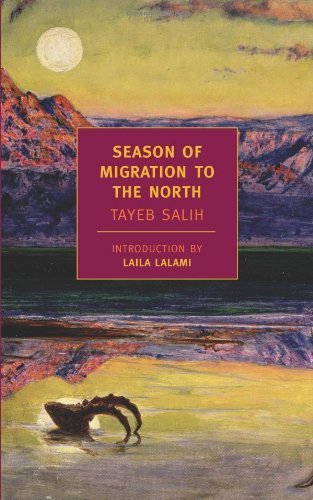
Season of Migration to the North
Season of Migration to the North follows an unnamed Sudanese narrator who returns to his village beside the Nile after studying in England. Hoping to resume a familiar life, he becomes intrigued by Mustafa Sa’eed, a mysterious newcomer whose intelligence and European education conceal a disturbing past. As the narrator gradually uncovers Mustafa’s history, he learns about the man’s experiences in colonial London, where his relationships with European women became entangled with questions of power, desire, and cultural identity.
Through the parallel lives of these two men, Tayeb Salih examines the psychological consequences of colonialism and the complicated relationship between Africa and Europe. The novel challenges simplistic divisions between coloniser and colonised, revealing how both cultures can shape and unsettle individual identities. Set against the traditions of a Sudanese village undergoing social change, the story also explores masculinity, gender, and the tension between inherited values and modern influences. Provocative and psychologically complex, the novel asks whether returning home can ever resolve the conflicts created by migration and cultural displacement.
Sudan
1966
6
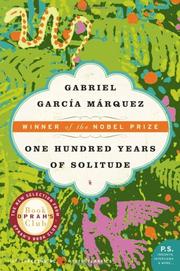
One Hundred Years of Solitude
One Hundred Years of Solitude tells the story of the Buendía family across seven generations in the fictional town of Macondo, founded by José Arcadio Buendía and his wife, Úrsula. As the town grows from an isolated settlement into a place transformed by political conflict and modernisation, the family experiences extraordinary passions, recurring tragedies, and mysterious events. Magic and everyday life coexist, while characters repeatedly struggle with loneliness, desire, ambition, and the burden of their ancestors’ mistakes. Through the Buendías, García Márquez explores the cyclical nature of history and the difficulty of escaping inherited patterns. The novel combines family saga, political allegory, and magical realism to portray the rise and decline of an entire community.
Colombia
1967
7
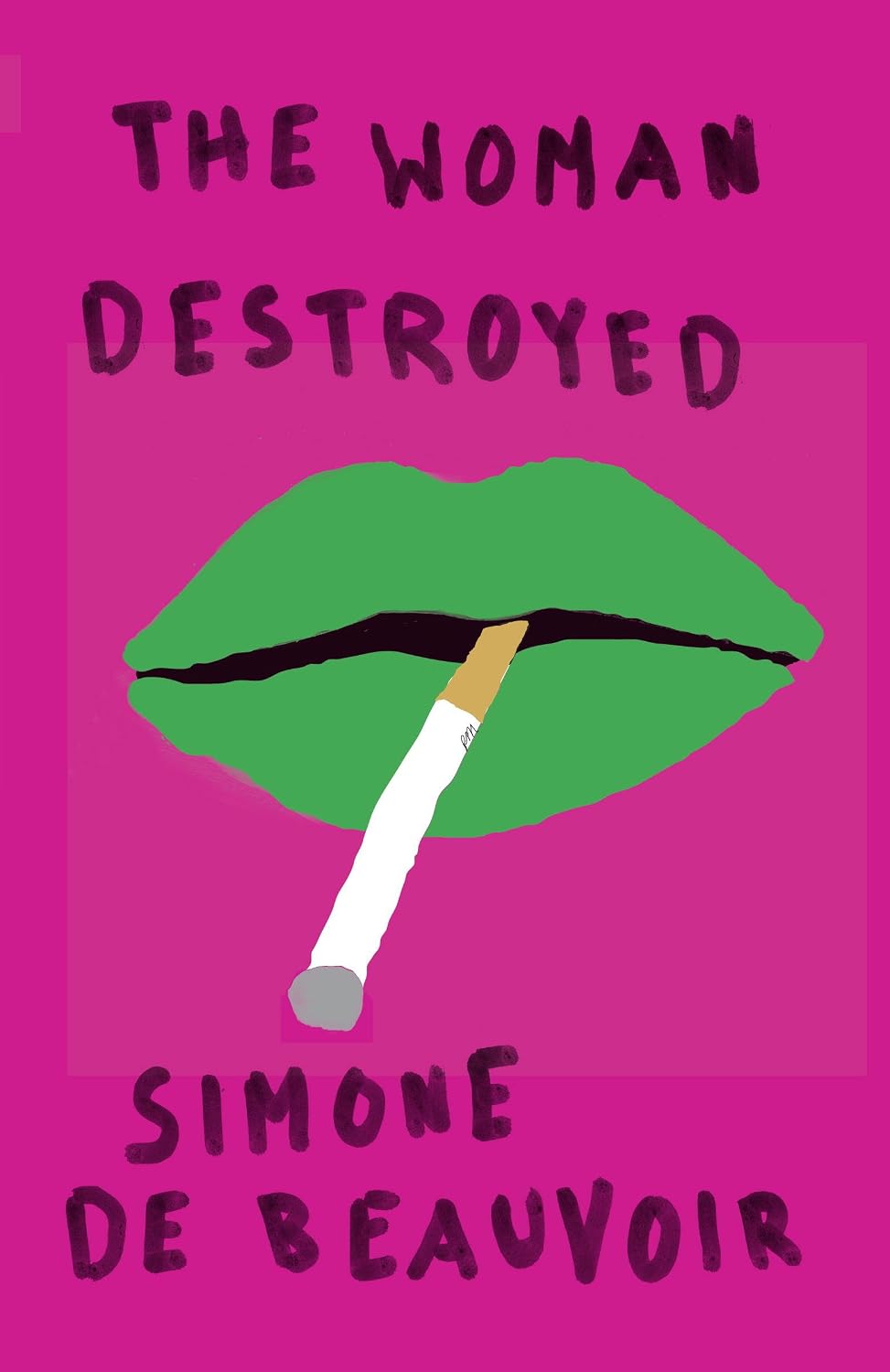
The Woman Destroyed
The Woman Destroyed is a collection of three novellas exploring the emotional crises of women confronting ageing, betrayal, and the collapse of the lives they have built around others. In the title story, Monique, a middle-aged wife and mother, struggles to cope when her husband reveals his infidelity, forcing her to question her marriage and her own sense of self. The other stories portray women facing disillusionment, professional frustration, and the painful realization that their expectations have not matched reality. Through intimate diaries and first-person narratives, Simone de Beauvoir examines the ways women can lose their identities by defining themselves through their relationships, families, and social roles. The collection offers a powerful reflection on independence, self-deception, and the difficult process of rebuilding a life when familiar certainties disappear.
France
1967
8
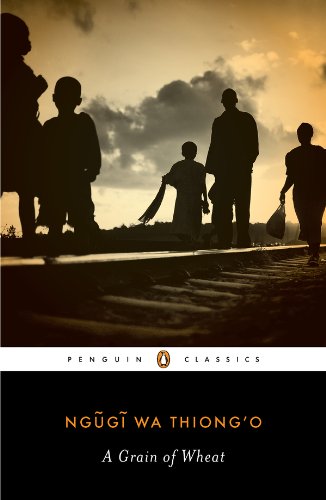
A Grain Of Wheat
Set in Kenya during the final days before independence from British colonial rule in 1963, A Grain of Wheat explores the personal and collective struggles of a community shaped by the Mau Mau uprising. At its center is Mugo, a quiet and respected man whose hidden past becomes entangled with the lives of those preparing to celebrate independence. Through the stories of Mugo and other villagers, Ngũgĩ wa Thiong’o examines the sacrifices, betrayals, and moral compromises made during the fight for liberation. As memories of imprisonment, torture, and resistance emerge, the novel questions the meaning of heroism and the cost of freedom. Blending political history with psychological depth, it explores colonial oppression, loyalty, guilt, and the difficult process of rebuilding a nation after years of violence.
Kenya
1967
9
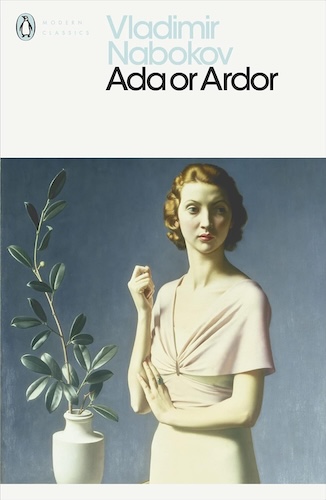
Ada, or Ardor: A Family Chronicle
In an alternate world where history, geography, and time unfold according to strange new rules, Van and Ada fall into a passionate love that defies family boundaries and social conventions. Spanning decades, their story becomes an intricate meditation on memory, desire, and the elusive nature of time. Nabokov’s dazzling, playfully complex novel invites readers into a world where love and language are as intoxicating as they are unpredictable.
United States
1969
10
Katalin Street
Set in Budapest before, during, and after the Second World War, Katalin Street follows three families whose lives are closely intertwined through friendship, love, and shared childhood memories. At the centre of the story is Henriette, a Jewish girl whose death during the war leaves an enduring wound in the lives of her neighbours and friends: the Bálints, the Elekes, and the Helds. As political upheaval transforms Hungary, the survivors struggle to rebuild their lives, yet remain haunted by the past and by the choices they made. Through shifting perspectives and a nonlinear narrative, Szabó explores how trauma, guilt, and nostalgia shape personal identity and relationships across generations. The street itself becomes a powerful symbol of a lost world, representing the fragile security of childhood and the impossibility of returning to what once was. Both intimate and historically resonant, the novel examines the lasting consequences of war and the ways the dead continue to inhabit the lives of the living.
Hungary
1969
11
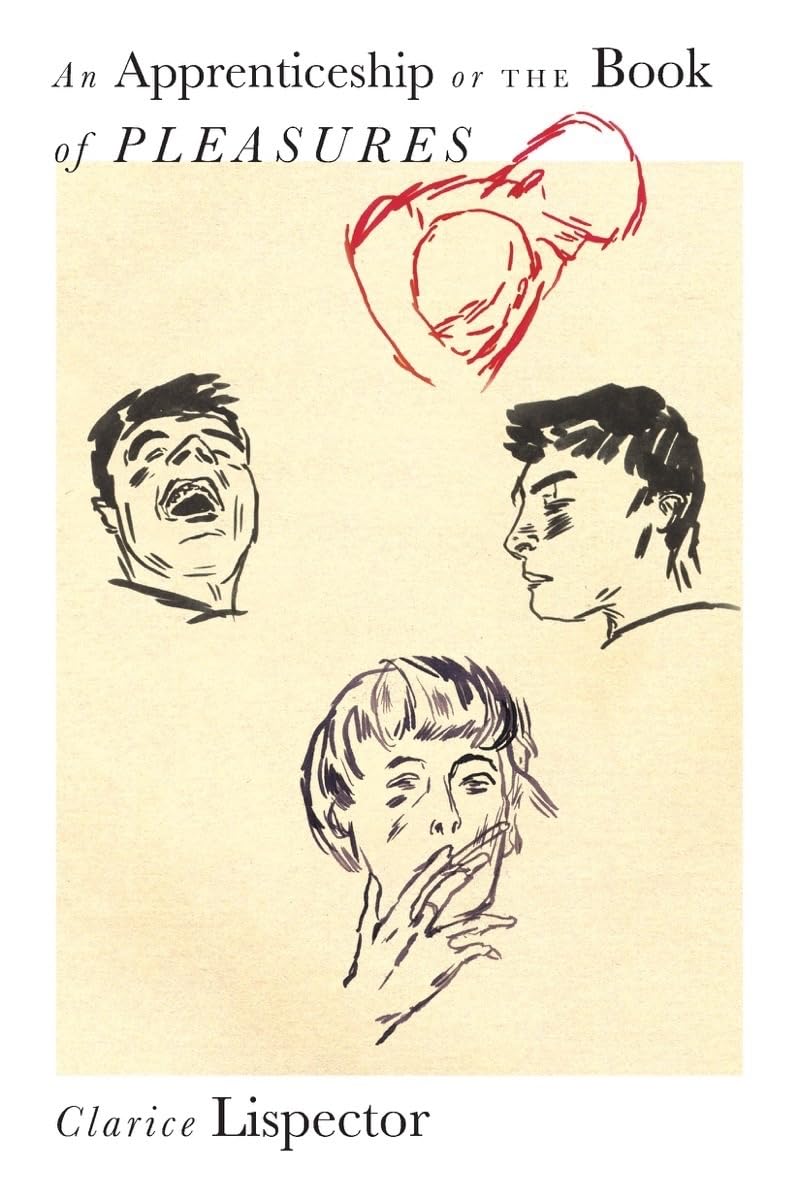
Apprenticeship or the Book of Pleasures
Apprenticeship or the Book of Pleasures follows Lóri, a schoolteacher living in Rio de Janeiro who struggles with loneliness, emotional vulnerability, and the difficulty of allowing herself to experience happiness. When she meets Ulisses, a philosophy professor who challenges her to confront her fears and desires, she begins a gradual journey toward emotional and personal freedom. Their relationship develops slowly, shaped by conversations, uncertainty, and Lóri’s attempts to understand what it means to love another person without losing herself.
Through introspective prose and philosophical reflections, Clarice Lispector explores love not simply as romance, but as a process of self-discovery and transformation. Lóri must learn to accept her own body, embrace uncertainty, and become comfortable with being alone before she can fully connect with someone else. Blurring the boundaries between fiction and philosophical meditation, the novel examines desire, intimacy, vulnerability, and the courage required to experience life more fully.
Brazil
1969
12
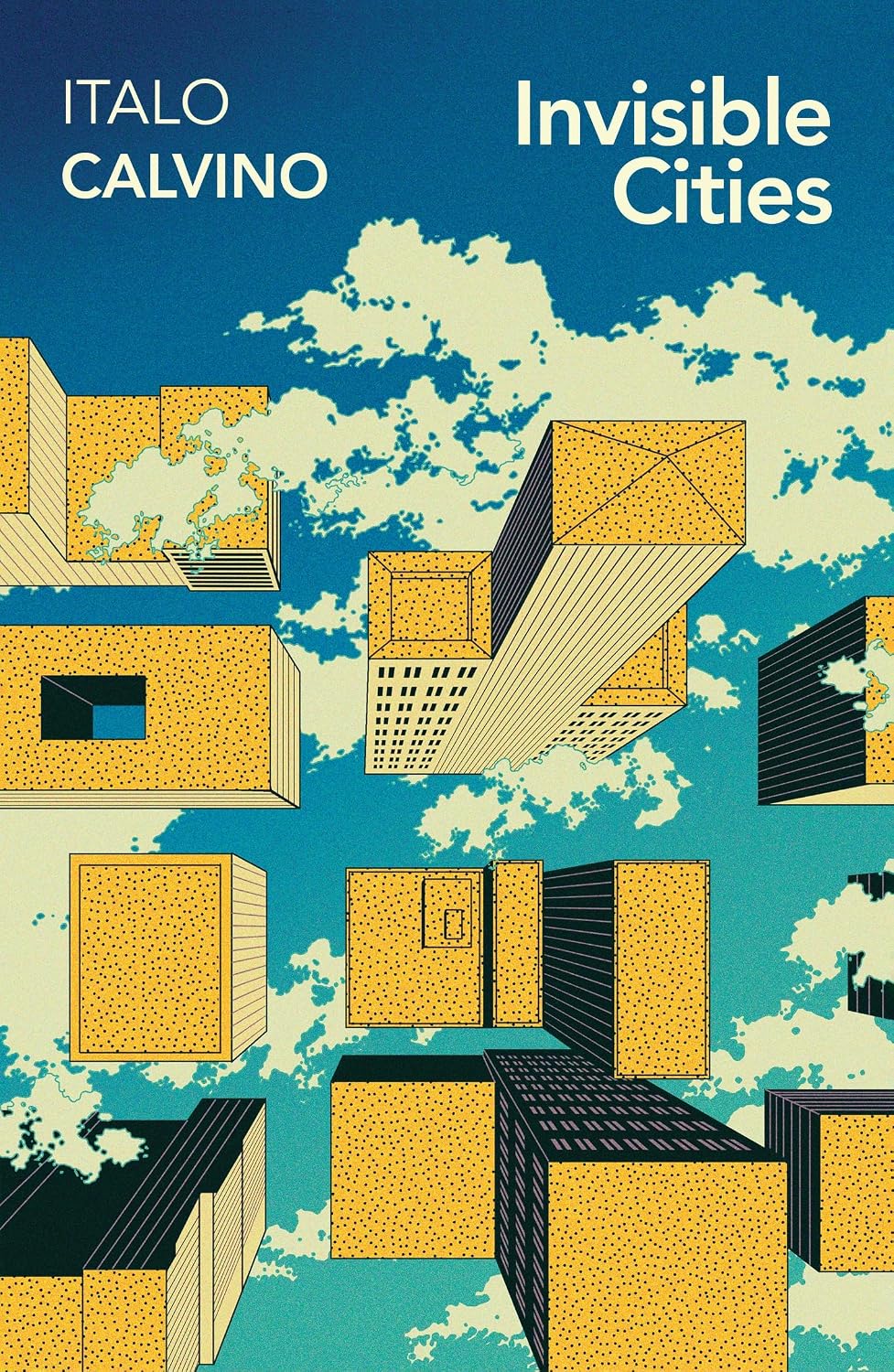
Invisible Cities
Invisible Cities imagines a series of conversations between the Venetian traveller Marco Polo and the Mongol emperor Kublai Khan. Polo describes extraordinary cities he claims to have visited, each possessing distinctive customs, architecture, memories, and relationships with time. Some cities seem suspended between life and death; others are organised around desire, exchange, or the endless accumulation of objects. Gradually, the descriptions become less like conventional travel accounts and more like meditations on human experience. Khan attempts to understand the vastness of his empire through Polo’s stories, while the traveller uses language to explore places that may reflect aspects of Venice itself. Calvino combines fantasy, philosophy, and poetic imagery to examine memory, communication, urban life, and the relationship between imagination and reality. The book invites readers to consider how cities express the hopes, fears, and contradictions of the people who inhabit them.
Italy
1972