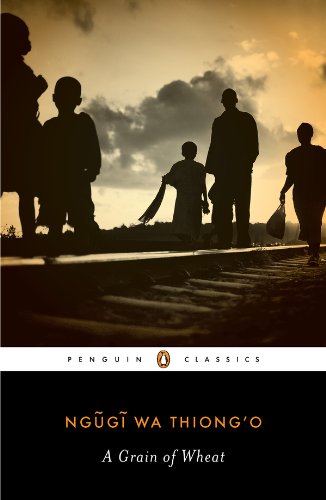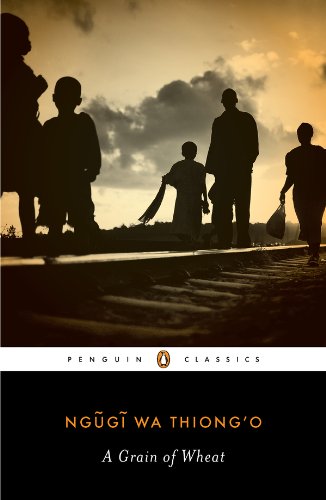
A Grain Of Wheat
Kenya

A Grain Of Wheat

by Ngugi wa Thiong'o

Summary

Set in Kenya during the final days before independence from British colonial rule in 1963, A Grain of Wheat explores the personal and collective struggles of a community shaped by the Mau Mau uprising. At its center is Mugo, a quiet and respected man whose hidden past becomes entangled with the lives of those preparing to celebrate independence. Through the stories of Mugo and other villagers, Ngũgĩ wa Thiong’o examines the sacrifices, betrayals, and moral compromises made during the fight for liberation. As memories of imprisonment, torture, and resistance emerge, the novel questions the meaning of heroism and the cost of freedom. Blending political history with psychological depth, it explores colonial oppression, loyalty, guilt, and the difficult process of rebuilding a nation after years of violence.

Reviews

Login to leave a review.

No reviews yet. Be the first!

You might also like
Ngugi wa Thiong'o
Ngugi wa Thiong'o

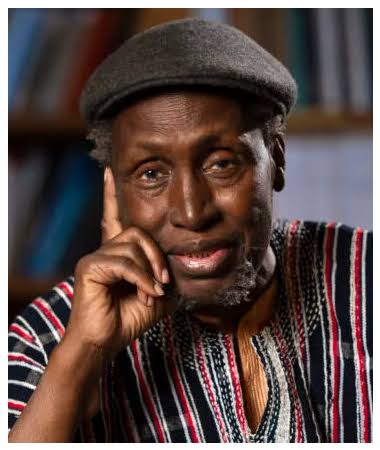
Ngũgĩ wa Thiong’o (1938–2025) was a Kenyan novelist, playwright, and essayist, widely regarded as one of Africa’s most influential writers. Born in Limuru, Kenya, during British colonial rule, he drew on his experiences of colonialism, political oppression, and the struggle for independence throughout his literary career. His best-known works include Weep Not, Child (1964), A Grain of Wheat (1967), Petals of Blood (1977), and Wizard of the Crow (2004). His writing examines colonialism, dictatorship, social inequality, and the complexities of postcolonial African identity. Ngũgĩ became a prominent advocate for African languages in literature, choosing to write many later works in Gĩkũyũ rather than English. His influential book Decolonising the Mind (1986) argues that language is essential to cultural identity and liberation. After being imprisoned without trial in Kenya in 1977, he spent many years in exile. His work remains a cornerstone of postcolonial literature.

View author page
Published
1967
Author
Ngugi wa Thiong'o