The Woman Destroyed
France

The Woman Destroyed

by Simone de Beauvoir

Summary

The Woman Destroyed is a collection of three novellas exploring the emotional crises of women confronting ageing, betrayal, and the collapse of the lives they have built around others. In the title story, Monique, a middle-aged wife and mother, struggles to cope when her husband reveals his infidelity, forcing her to question her marriage and her own sense of self. The other stories portray women facing disillusionment, professional frustration, and the painful realization that their expectations have not matched reality. Through intimate diaries and first-person narratives, Simone de Beauvoir examines the ways women can lose their identities by defining themselves through their relationships, families, and social roles. The collection offers a powerful reflection on independence, self-deception, and the difficult process of rebuilding a life when familiar certainties disappear.

Reviews

Login to leave a review.

No reviews yet. Be the first!

You might also like

Simone de Beauvoir
Simone de Beauvoir

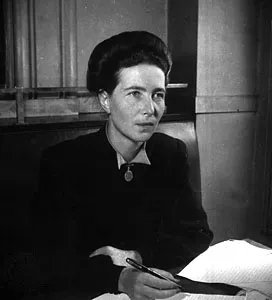
Simone de Beauvoir (1908–1986) was a French philosopher, novelist, essayist, and feminist whose work profoundly influenced existentialism and modern feminist thought. Born in Paris, she explored questions of freedom, identity, responsibility, and the social forces that shape human existence. Her most influential work, The Second Sex (1949), examines the historical and cultural construction of womanhood and became a foundational text of feminist philosophy. As a novelist, she explored moral dilemmas, political engagement, and personal relationships in works such as She Came to Stay (1943) and The Mandarins (1954), which won the Prix Goncourt. A close intellectual companion of Jean-Paul Sartre, de Beauvoir challenged traditional expectations surrounding gender, marriage, and women’s independence. Through her philosophical writings, novels, and memoirs, she questioned established social conventions and argued for individual freedom and equality, leaving a lasting legacy in literature, philosophy, and feminist theory.

View author page
Published
1967
Author
Simone de Beauvoir