Books from Bangladesh
Suggest a book
All genres
Historical Fiction
Literary Fiction
Fantasy
Romance
Horror
Thriller
Non-Fiction
Mystery
Memoir
Classics
History
Sci-Fi
Contemporary Fiction
Science Fiction
Fiction
Poetry
Essays
Family Saga
Magical Realism
Family Drama
Dark Academia
Psychological Fiction
Dark Comedy
Political Writing
Feminist Fiction
Satire
Campus Fiction
Cultural Studies
Biography
Philosophy
Comedy
Drama
Young Adult
Gothic
Dystopia
Crime
Children's Books
Short Stories
Mythology
Cozy
Retellings
Humour
Adventure
All themes
Love & Passion
Adventure & Journey
Identity & Belonging
War & Conflict
Freedom & Resistance
Family & Heritage
Nature & Landscape
Society & Class
Spirituality & Faith
Solitude & Exile
Coming of Age
Revolution & Change
Friendship
History
Immigration
Myths and Retellings
Colonialism
Women & Society
Mental Health
Motherhood
1
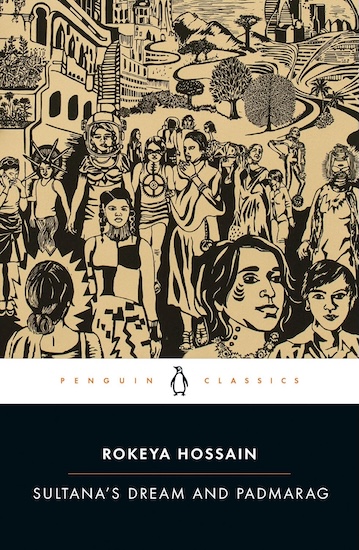
Sultana's Dream and Padmarag
What would the world look like if women held the power and men were confined to the home? In Sultana’s Dream, a pioneering feminist science-fiction story, Sultana discovers Ladyland, a peaceful, technologically advanced society where women lead scientific progress and men observe purdah. In Padmarag, a diverse community of women builds a refuge offering education, shelter, and independence to those constrained by marriage, poverty, and social prejudice. Written nearly a century before many contemporary feminist debates, these visionary works challenge patriarchy, religious and social conventions, and colonial power. Together, they imagine a world where women’s liberation begins not simply with equality, but with the freedom to shape society on their own terms.
1905
2
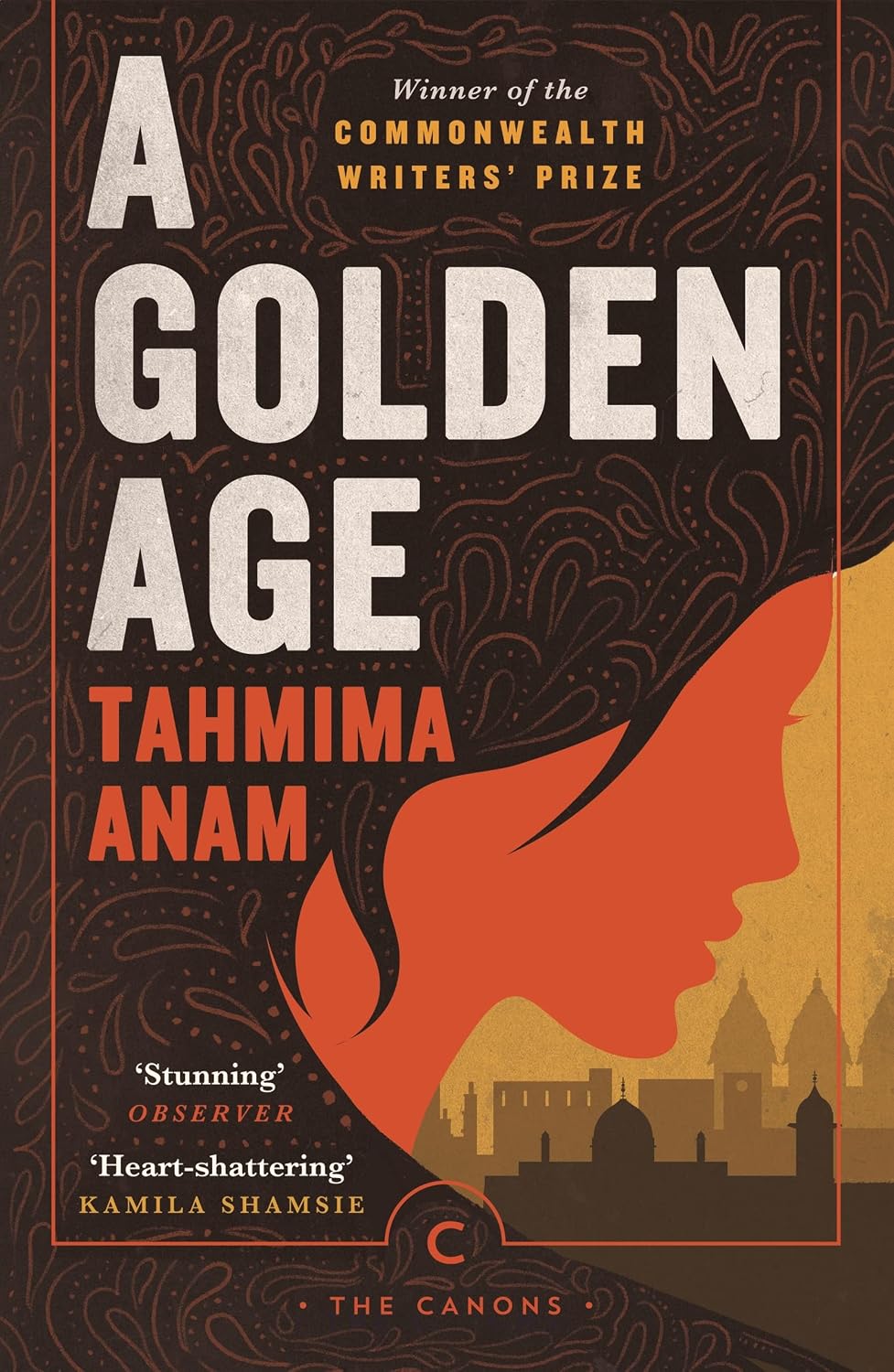
A Golden Age
Set during the Bangladesh Liberation War of 1971, A Golden Age follows Rehana Haque, a widowed mother living in Dhaka whose greatest priority is protecting her children. When her son and daughter become involved in the struggle for independence from Pakistan, Rehana finds herself drawn into a conflict that challenges her understanding of motherhood, loyalty, and sacrifice. Initially determined to keep her family safe, she gradually becomes involved in the resistance movement, using her home and personal resources to help those fighting for freedom. As violence escalates and ordinary life becomes increasingly dangerous, Rehana must confront the possibility that protecting her children may require supporting decisions she cannot fully control. Anam explores the intersection of private family life and national history, portraying how war transforms ordinary people and forces them to reconsider what they are willing to sacrifice for those they love.
2009
3
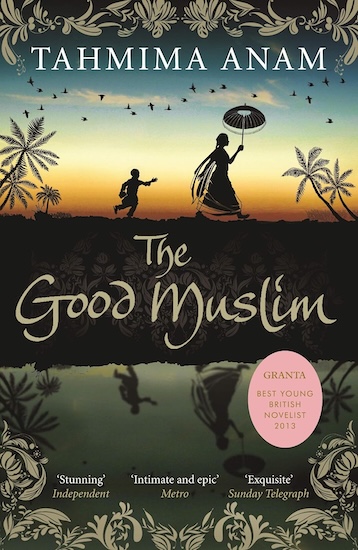
The Good Muslim
Nearly a decade after Bangladesh’s war of independence, Maya Haque returns to Dhaka to reconnect with her family and discovers that the world she left behind has changed profoundly. Her beloved brother, Sohail, once a revolutionary and committed secularist, has embraced religious conservatism and become a charismatic religious leader. As Maya continues to pursue her medical career and fight for women’s rights, the siblings find themselves on opposing sides of an increasingly bitter ideological divide. Their conflict deepens when Sohail makes a decision about his young son, Zaid, that threatens to tear the family apart. Set against the political and social upheavals of post-independence Bangladesh, The Good Muslim explores how war leaves lasting psychological scars, how faith can reshape identity, and how families struggle to reconcile love with deeply held convictions.
2011
4
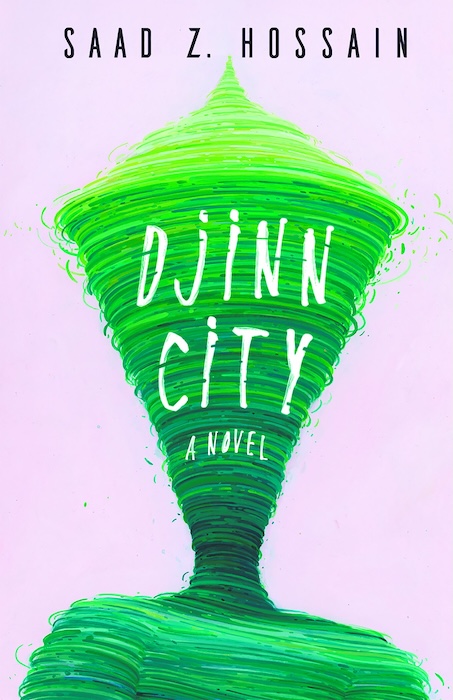
Djinn City
Djinn City is a darkly comic fantasy novel set in Dhaka, Bangladesh, where ancient supernatural forces exist alongside the chaos of modern urban life. The story follows ten-year-old Indelbed, a lonely boy living in a decaying mansion with his eccentric father, Dr. Kaikobad. When his father falls into a mysterious supernatural coma, Indelbed discovers that his family has a secret connection to the world of djinn—powerful, long-lived beings drawn from Islamic and Middle Eastern mythology.
With the help of his older cousin Rais, Indelbed uncovers the truth about his origins and learns that he has become the target of a dangerous hunt. His journey draws him into the complicated politics of the djinn world, where ancient rivalries, strange creatures, and powerful factions threaten both humans and supernatural beings.
Blending fantasy, science fiction, mythology, and sharp social satire, Hossain creates an imaginative adventure that explores family, power, and the consequences of ancient conflicts. The novel also offers a distinctive portrayal of Bangladesh, using its vibrant capital as the setting for a world where the extraordinary hides beneath the everyday.
2017
5
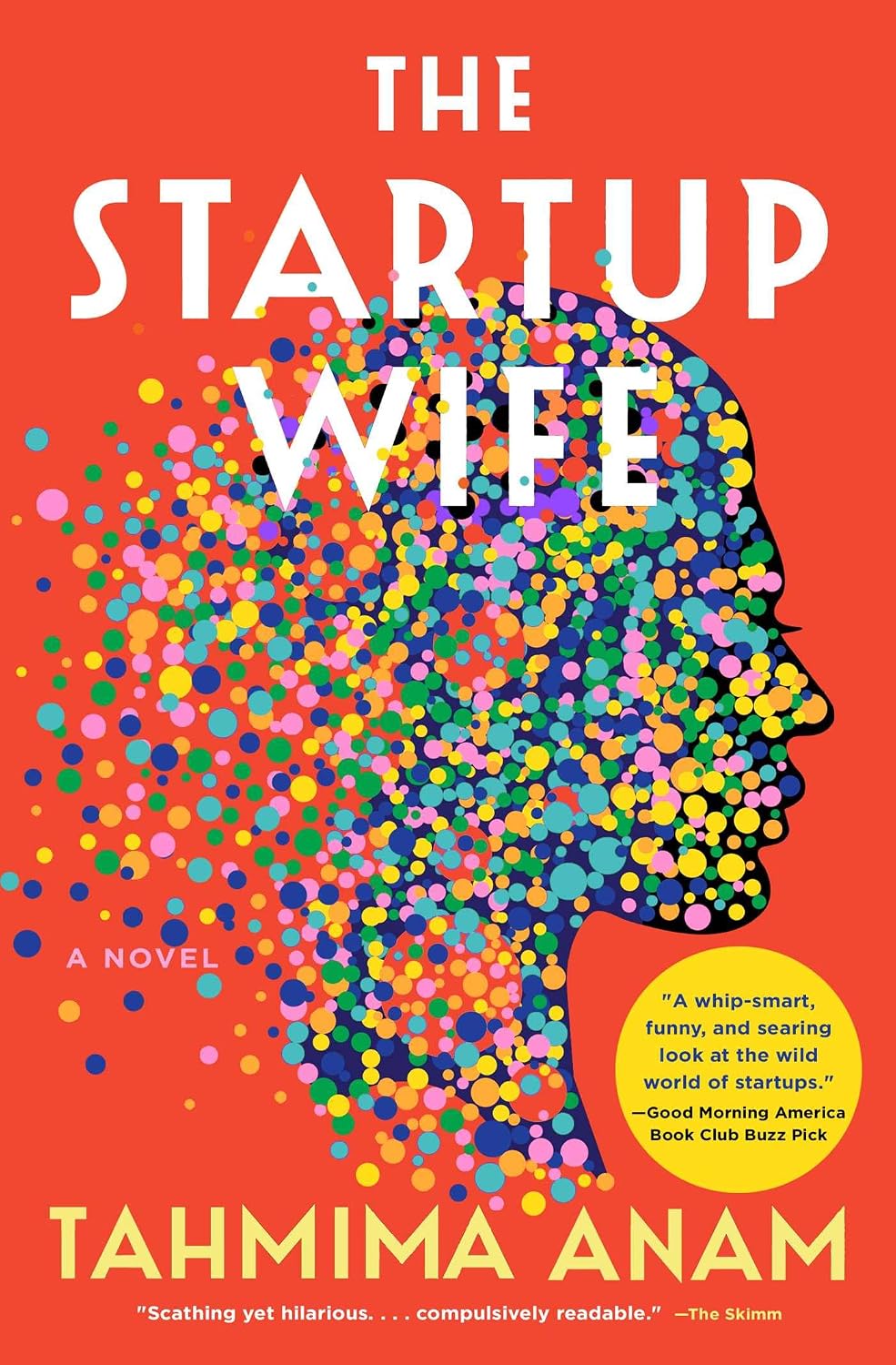
The Startup Wife
The Startup Wife follows Asha Ray, a brilliant computer scientist who leaves her academic career to build a technology startup with her husband, Cyrus Jones, and their friend Jules. Their company develops an app that offers users personalised rituals and a sense of connection in an increasingly secular world. When the platform becomes a sensation, Cyrus’s charisma turns him into the public face of the business, while Asha’s technical contribution and intellectual authority are gradually overshadowed. As the company grows, the imbalance between their professional recognition and personal responsibilities begins to threaten both their marriage and Asha’s sense of self. Anam combines satire and contemporary fiction to examine gender inequality, entrepreneurial ambition, technology, and the cult of charismatic leadership. The novel questions who receives credit for innovation and how power can shift within relationships when professional success becomes inseparable from public image.
2021
6
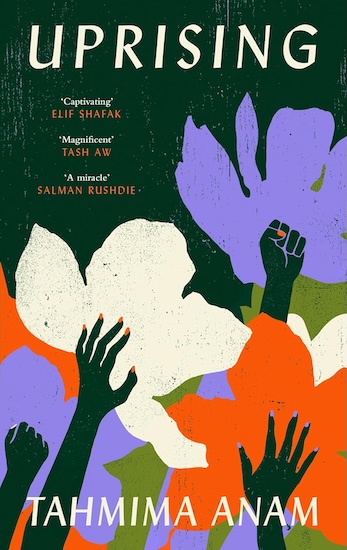
Uprising
On a sinking island off the coast of Bangladesh, a community of women and children lives under the brutal control of Amma, a madam who buys and sells women trapped in sexual exploitation. The children grow up watching their mothers endure violence and servitude, dreaming of a freedom they can barely imagine. Everything begins to change when Kusum Khan, an educated young woman from the city, arrives on the island and refuses to accept her fate. Inspired by her defiance, the women begin to challenge the system that has kept them captive for generations. Told through the collective voice of the island’s children, Uprising is a powerful story of resistance, female solidarity, and the fight to reclaim one’s life. Against the backdrop of environmental vulnerability and entrenched inequality, Tahmima Anam explores how even the most oppressed can find the courage to imagine another world.
2026
7
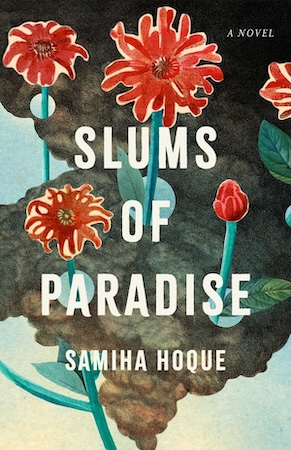
Slums of Paradise
In 1970s Sylhet, Bangladesh, eleven-year-old Sumaya grows up sheltered by her family’s wealth, while fifteen-year-old Murshed lives under the shadow of his father’s controversial political loyalties. As the Bangladesh Liberation War tears the country apart, a chance encounter binds their lives together in ways neither could imagine. Four decades later, their children, Hinna and Burhaan, meet at a family gathering. Raised in America, Hinna longs for independence from the traditions governing her future, while Burhaan struggles with the inherited stigma and resentment surrounding his family. Drawn to each other despite the forces working against them, they must confront the secrets, loyalties, and political wounds passed down through generations. Spanning two eras, Slums of Paradise explores how war reshapes families long after the fighting ends, questioning whether love can overcome the weight of history and whether a new generation can escape the mistakes of the past.
2026